Tag: YogaMat

  • How To Clean And Care For Your Yogamat Sustainably

    How To Clean And Care For Your Yogamat Sustainably

    Long gone are the days when we would walk into a yoga studio and borrow/rent a yogamat. In many countries, the new normal dictates that we must bring our own mats and props with us. With that goes the mandatory cleaning of the equipment on a regular basis. Even if you are quite not ready to join a public class (Zoom classes are definitely here to say), you do want to show some care for your hardworking yoga mat from time to time.

    I am sure many of us have just showed our yoga mats to the washing machine and be done with it. This can be done, however I do not recommend it. Why? First of all, machine wash can be a bit rough on your mat, and it can lose some of its grippiness as a result. Secondly, depending on the material and make of your mat, there might be small pieces of the mat that break away. Not great for the mat but also, not great for the pipes, nuts and bolts of your washing machine!

    With the gyms and yoga studios opening here in the UK this week (and cleaning being something we all do A LOT these days), here is how you can clean your yoga mat at home in a sustainable manner, staying kind to your washing machine and enviroment alike.

    Read below the steps to take to clean your yoga mat in an eco-friendly way

    1. Have any type of spray bottle at hand (I use an old magnesium spray bottle)
    2. Use filtered or otherwise purified water
    3. Have some white vinegar, leftover vodka (or other type of clear spirit) or lemon juice.
    4. Fill the bottle with mainly water, then add few drops of vinegar/alcohol/lemon juice in the mix (I never measure anything, but here I am talking about actual drops)
    5. Then shake the bottle well (before every cleaning), spray the mix all over the mat and wipe it dry with a clean cloth

    If there are bigger stains in the mat you can use a soft sponge to gently rub them. Be careful though as this might damage the surface of the mat! Some people recommend using mild ecological soap but be watch out with this one. Any soap residue will make your mat very slippery and we do not want that.

    Be also mindful that some mats stain easier than others (you can read about different types of yoga mats here.) For instance, whilst adding few drops of essential oil to your homemade cleaning solution can have its benefits (e.g. tea tree is naturally antibacterial, lavender has a calming smell…), they can also contribute towards staining. At the end of the day though, a stain from cleaning your mat is always better than a stain from months and years of usage.

    If there is residue water left on the surface from your cleaning, you can take you mat out to the sun to dry. Don’t leave it out for too long however, strong sun is not a friend of any yoga mat in large quantities as it makes the material more fragile.

    Store your yoga mat away when not practising

    After use it is always a good idea to roll up your yoga mat and tuck it away for the next use. I know it is tempting to leave your mat lying on the floor. However, especially if you have any furry family members (or ones with any type of sharp claws), you give longer lease of life for your mat if you store it away between practises. You might also want to think about having one mat for your home practise, and another to take with you socially distanced studio class. A good quality mat that is well cared for will last you for years, also making you an environmentally friendly yoga practitioner!

    Enjoy cleaning your mat and continue enjoying your practice!

    four yoga mats
  • The Traveling Yoga Mat

    The Traveling Yoga Mat

    It is 100% true that to practise yoga all you need is the willingness and the patience to do so. The yamas and the niyamas are accessible everywhere, and there is no “wrong” way of practising them. Equally breathing techniques, pranayama, can be incorporated into everything, because well, it’s breathing! As for asana practise, a minimum amount of flat space is of course desirable but after that, the choice of outfit is up to each of us. Even the yoga mat is not compulsory – after all in the ancient times yoga was practised on the ground and the yoga mat as we know it these days is a fairly modern Western invention.

    The reality is however that many of us do prefer to practise with some kind of mat, and if asana practise is part of your routine, you probably prefer having your own mat with you as much as possible. Making space for the regular 180 cm and two-three kilo mat is not a massive issue when traveling with a proper suitcase. In fact, it often has come in handy as it can add some much needed cushioning for the more delicate items, such as a dozen or so Cypriot olive oil bottles I have found myself dragging to various places.

    Things get a little bit trickier though if you want to travel light with hand luggage only, a fact not helped by the fact that airlines (and airports) can have very different attitude towards bulkier items. About a year ago I invested in a foldable (eco-friendly and ethically made because these things matter) travel yoga mat and whilst folding the mat (instead of rolling) first felt like a sacrilege I did get used to it and seriously, this mat has been golden! It weights under 1,5 kilos (that’s 3.2 pounds), is about 2 millimetres thick and has the best grip of all my mats (mind you, the “normal” Jade mats also have a fantastic grip.) In my backpack I can wrap it around my laptop for extra protection, and I have also used it rolled up as a prop to open up the chest and as a picnic mat because why not?

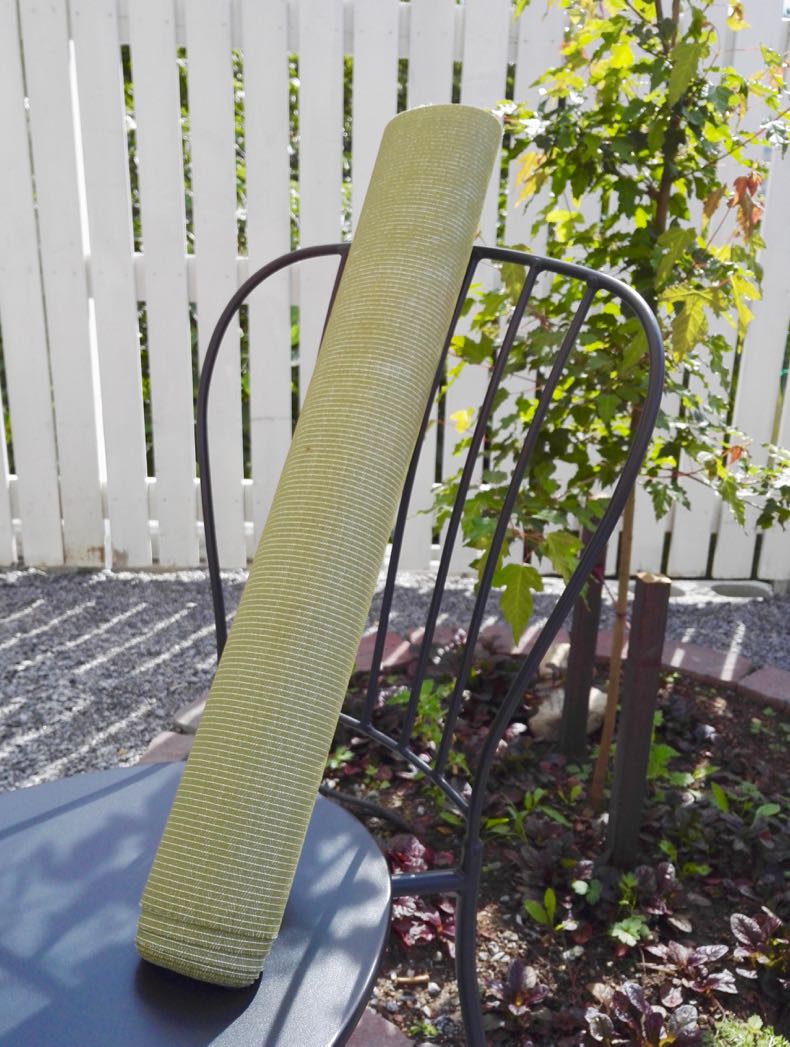
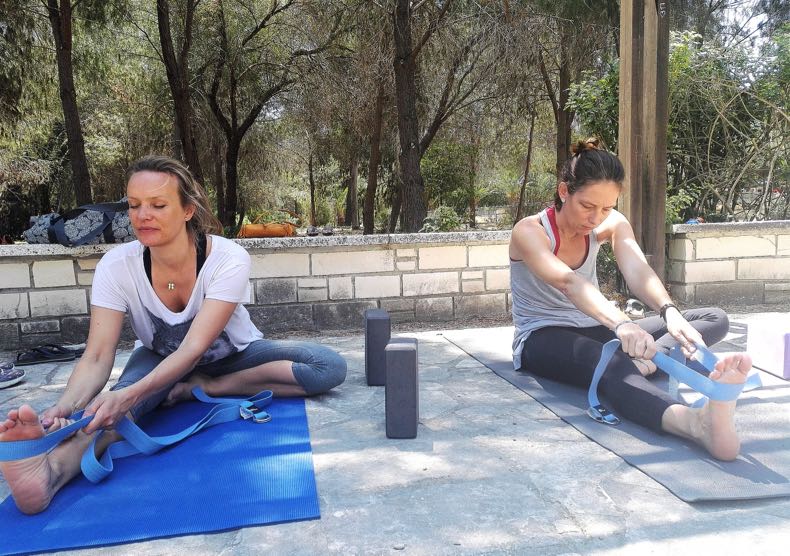
    Some of the mat’s recent adventures are here in the pictures. You can read more about different yogamats here.

    Jade yoga mat Omenapuun alla

    Tallenna

    Tallenna

  • Yoga Etiquette: Good-to-knows for new students

    Yoga Etiquette: Good-to-knows for new students

    It can be just as daunting as it is exciting to start a new activity and yoga is no exception to that. Whether you start to practise in a fancy yoga studio or at a more down to earth community centre, here’s a list of few unwritten rules that most yogis around the word follow. The physical yoga practise is individual yet collectively done and observing the yoga etiquette ensures a pleasant and respectful experience for everybody involved. It might also ease any starter nerves there might be. Most of these rules are pretty common sense though so most importantly, remember to enjoy your yoga class!

    Arrive on time and stay for the whole class

    Punctuality is always appreciated, especially in a space where there is one class after another one. However, even in a more relaxed setting please show your appreciation for the practise and respect for other participants by arriving on time. You can always roll out your mat and lie down to steady your breath and to settle in before the class starts. If you happen to run late for some reason, please enter the class discretely (if it is still possible – some studios can refuse entry if you arrive late.) It is equally appreciated that you stay for the whole class rather than pack your stuff when the relaxation starts. If you for some reason absolutely cannot stay for savasana, please inform the teacher in advance and take your place near the door so you can quietly slip out without disturbing others before the relaxation starts.

    Switch your phone off and appreciate the silence

    When you arrive to your yoga class, remember to switch off your phones, tablets and anything else that might make a noise during the class. This includes taking off any noisy necklaces or bracelets. And for heaven’s sake, if your phone rings, do not waste any time checking who is calling or even worse, answer it. Just sayin’ as it has happened…

    Yoga classes can be great places to meet like-minded people but reserve your chatting to the space outside the class as many people like to take the time before (and after) the class to meditate or to enjoy the relaxed feeling. Keeping noise and chatter to the minimum during the class is also a question of safety as people will need to be able to stay focused and concentrate on (and hear!) the instructions given. After all, you want to be respectful of the environment, the teacher and the people around you, as well as preserve the energy of the class.

    Be aware of the space you take and of that around you

    If there is enough room in the room your yoga class takes place it is common courtesy to stagger your mats so that people behind you can see the teacher. Check also that you are not likely to hit the person on your left and right if spreading your arms to your side. If the class is packed, make room to those joining the class after you by moving your mats closer to each other and be attentive with your asanas. Be also mindful of your steps: do your best to avoid walking on other people’s yoga mats. Finally, we all have good days and bad days. Do not throw your stuff around but equally, offer your quiet smile to those who seem to need it.

    Keep it clean!

    Yoga is practised barefoot although usually you are welcomed to put warm clothes on during savasana for comfort (and health!) However, the yoga etiquette would like you to leave your shoes outside the yoga space and remove your socks. Trust me, nobody cares about your feet as long as they are clean, just like the rest of you. If you are borrowing a mat please clean it if there is a product offered for that and take it (together with other props) to where they belong after the class is over. Also go easy on perfume, scented body lotions, make up etc. Sensitivity or even allergic reactions to strong scents are a real thing.

    Listen (to your body), try modifications and focus on yourself

    Whilst yoga can be massively helpful for one’s physical and mental health, it is not a miracle cure for anything and it is entirely possible to hurt oneself if not practising with care. Make sure you inform your teacher with any injuries you might have so s/he can offer suitable modifications. Also feel free to take a break during the practise (by staying on your mat) if anything gets too much. Your teacher can guide you but nobody can be inside your head so learn to listen what your body tells. If unsure about your health and yoga, please speak to your medical practitioner before starting.

    Even without any injuries, let go of any expectations of what you think your practise should look like, and never compare yourself to the person next to you or whatever you saw on Instagram the other day. Rather concentrate on the feeling, try out modifications suggested and if your mind starts wondering, do your best to bring your focus back to the practise. These things do not come easy for the majority of us but being aware of them is a good place to start. After all, it is not called yoga PRACTISE for nothing.

    Yoga is much more than the physical practise so be interested about how to integrate it to your daily life.

    Sure enough not all yoga classes include any talk about the philosophy per se but all of the points mentioned about yoga etiquette are rooted in its philosphical principles. Curious to learn more? You can start by checking out my posts about Yamas and Niyamas.

    Namaste

    Tallenna

    Tallenna

    Tallenna

    Tallenna

    Tallenna

  • About Yoga Mats

    About Yoga Mats

    To practise yoga, you really do not need anything else but the willingness to be present in the now and the yoga mat as we know it is a rather new Western invention. However it can bring a new aspect to the practise by creating a space for your meditation and adding cushioning and stability for the asana.

    These days there is a wide range of mats available, and the price range can be big. Therefore I decided to write about the mats I have used in my practise so far. The things I took into consideration are their grip (or slippiness), general durability, weight (important to those who travel or carry the mats with them a lot), cushioning and eco-friendliness. All my mats have measured more or less 185 x 61 centimetres although there are longer and wider mats available too.

    The Basic Mat

    What I call the Basic Mat is the mat that is the usually the cheapest one you can find. They all have more or less the same specs: Made of PVC (sometimes EVA, which is a lighter material), 2-5 millimetres thick and usually having a foamy ”grid” type of surface. You might want to buy the basic mat if you are new to yoga and not sure yet how much you can to commit to it. On the plus side these type of mats usually offer reasonable cushioning (if you have sore knees for example, go for a thicker mat) and they are easy to clean as both PVC and EVA are waterproof materials. At the same time they not the most durable ones, and tend to start shedding small pieces of plastic with the friction/elements the more you use them. They can also get slippy quite easily, especially if go to sweaty classes.

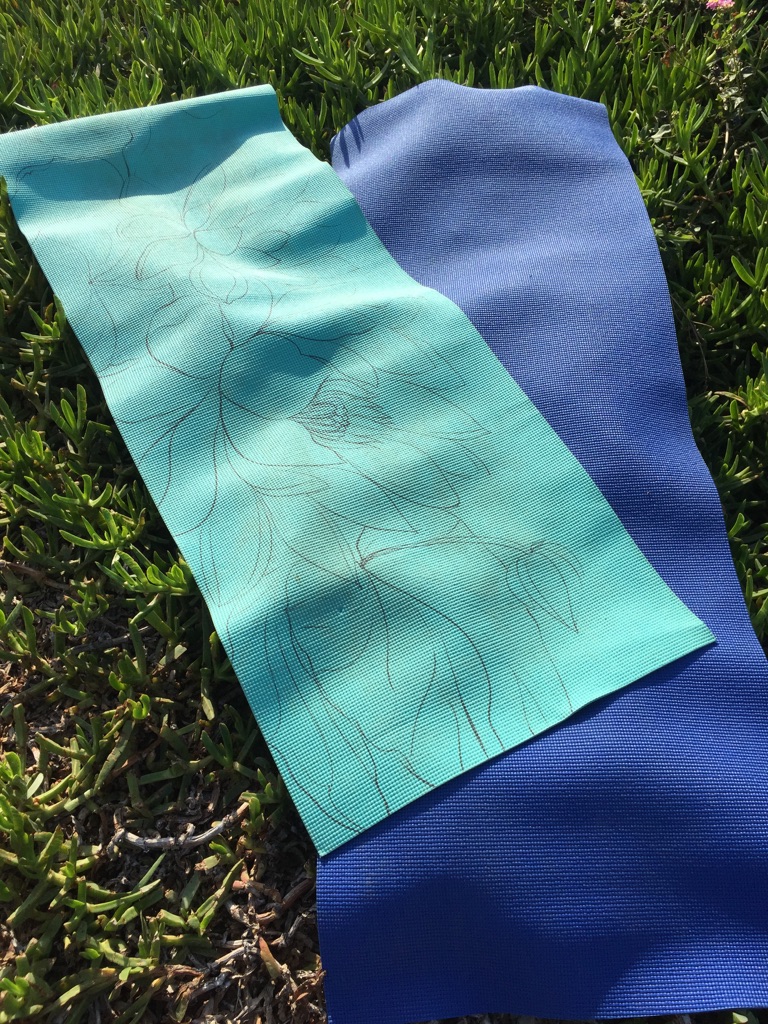
    img_4601
    The Basic Mat. You see what I mean with the “grid”? The green one is from Lidl, the blue one I do not know. I call it the generic mat.

    The price of the basic mat ranges usually from 10 to 30 euros, depending where you buy it and if it has some kind of brand label attached to it. I do not diss the basic mat as it will get you started just fine. If and when you have decided to commit to yoga more, here are some other mats I have used:

    Drop of Mindfulness

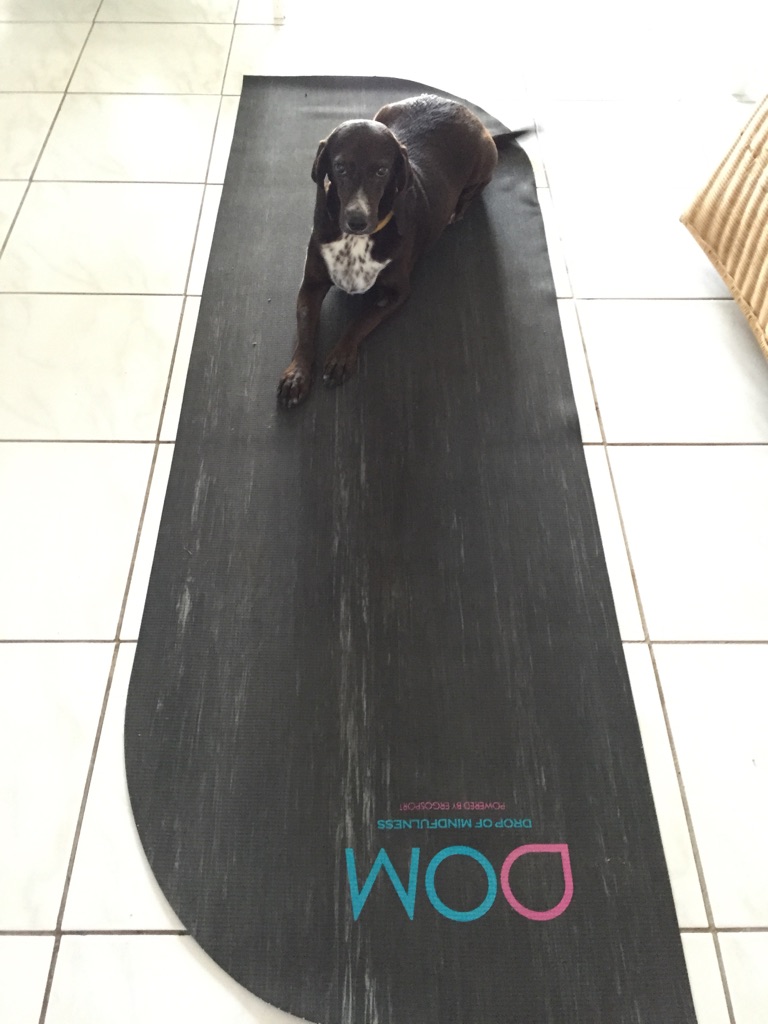
    DoM is a Swedish brand that making active wear suitable for yoga and also yoga mats. Unfortunately at the time of writing this text their website is under construction for Winter 2016 so I cannot tell if they still stock the mat I bought 4-5 years ago. This mat has however served me very well; it felt very grippy and sticky straight from the start and has kept these qualities to this day. The mat is on the thinner side (I’d guess 2-3 millimetres) so extra cushioning is sometimes needed for knees. The weight is reasonable at around 2 kilos. I recall reading that the mat is made of natural rubber but this needs to be confirmed once the website is out again, together with the retail price.

    img_7378
    “My Drop of Mindfulness mat. MINE!”

    MandukaEKO

    Manduka has a great reputation among yogis and they have several types of mats to choose from. I have the MandukaEKO (5 mm thick) which is extremely sturdy. When I stepped onto this mat after having used the DoP for years the difference was big: I need no extra cushioning needed for this mat and it does not fly away in the wind either (yes this can be an issue when teaching outside, hehe.) I have two cons for this mat though: It is heavy (over 3kg) so even if you travel with a proper suitcase, it does take a lot from the luggage allowance and it is definitely not a hand luggage item. The other thing is that it can get a little slippery, especially in sweaty conditions. The Manduka website says that this means the mat is not ”broken into” properly but I did not notice this in the beginning so not sure where the reason for this is. Nevertheless, this is a good mat and ecological choice as it is made of natural rubber with a zero waste manufacturing process. It is also 99% latex free.

    img_0137
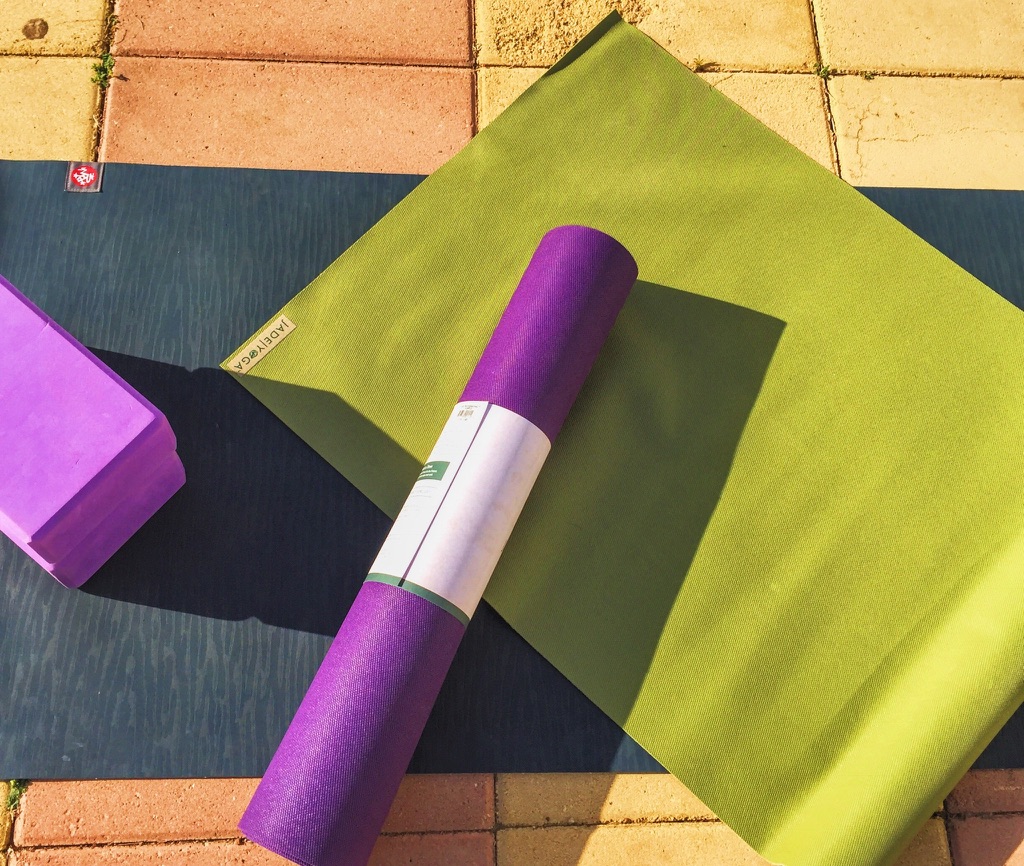
    The MandukaEKO is the blue one at the bottom, notice the different texture. The purple one is the JadeHarmony and the green is JadeVoyager. The yoga blocks are just blocks although I could say few things about those too… Maybe later.

    Jade Yoga Mats

    JadeVoyager is my latest mat. I bought it from the MindBodySpirit festival in Nicosia last weekend. I’d been looking for a travel mat for myself for ages (airline luggage restrictions again!) Also my mum had sent me a photo of an ecomat she had seen in a magazine with the comment ”they don’t tell where I can buy one!” When I bumped into the lovely ladies from the Simply Green shop in Athens and saw the JadeYoga mats it they had it was a no brainer. I got the JadeVoyager for myself: you can fold it (rather than roll, although this is preferable for maintenance) and it weights just over half a kilo. With this weight it obviously has got no cushioning but it can definitely keep your practise going on when traveling. Orm you can use it over another, less grippy mat. For my Mum I got the JadeHarmony (Merry Christmas Mum, thanks for the gift tip!) which is about the same thickness than the MandukaEko. From the first touch it feels a bit softer and a lot more stickier. This can also be due to the open cell natural rubber JadeMats use (Manduka uses closed cell natural rubber) which translates as more grip, these ones will be put to test to find out more! The JadeYoga company also has a very eco-concious production cycle and they plant a tree (over one million so far!) for every mat sold.

    img_4701
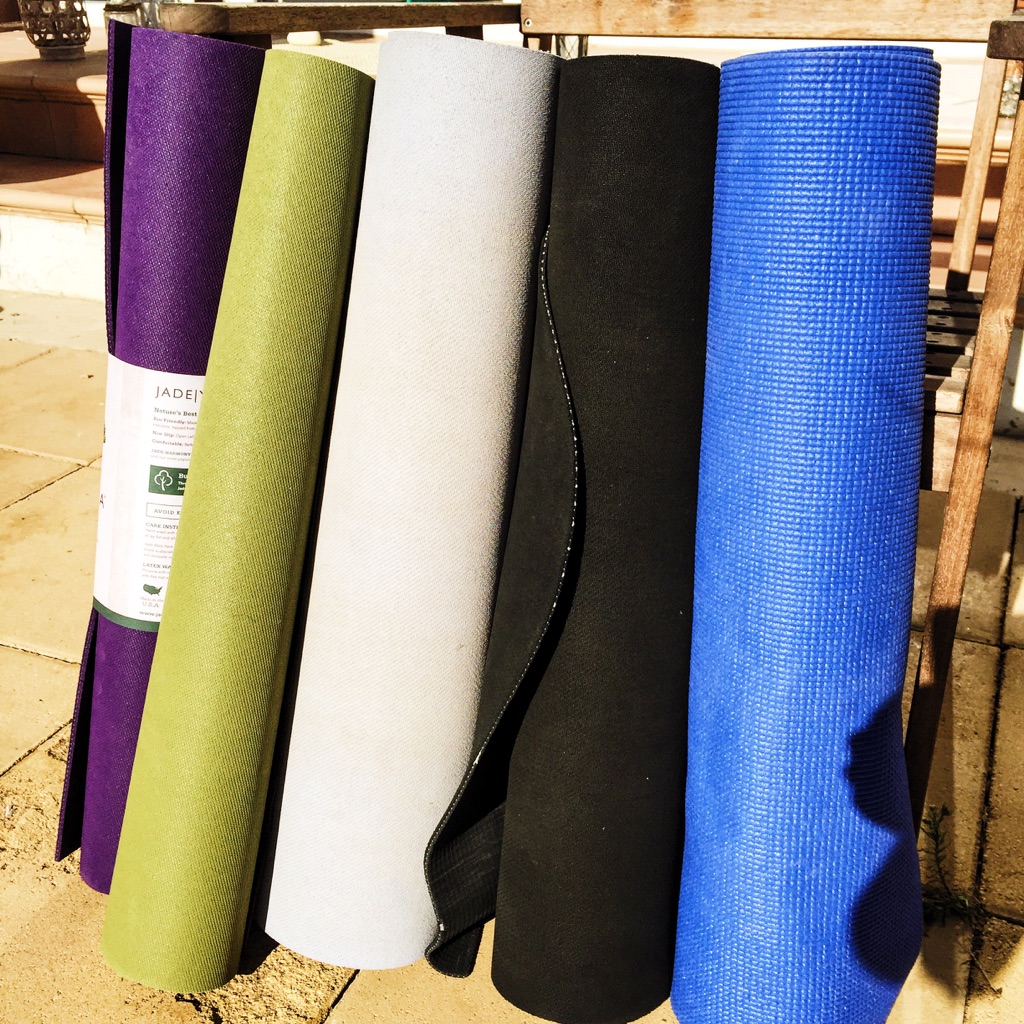
    From left to right: JadeHarmony, JadeVoyager,MandukaEko (mine is dark blue, you see the bottom side), Drop of Mindfulness and a Basic Mat in Blue.

    When talking to fellow yogis and reading reviews the JadeMats are always rated on the top with Manduka ones. They both have very similar retail prices ranging from 40 (the travel mat) to 92 (the pro and extra long mats) euros so ultimately it is up to personal preference between these two.

    Now, over to you: What is your favourite yoga mat?

    PS: If you want to read more about the history of the yoga mat check out this Yoga Journal article.