Tag: Wellbeing

  • Yoga Tourist in Finland – Magnesia Festival

    Yoga Tourist in Finland – Magnesia Festival

    The first time I heard about Magnesia Festival, a two-day yoga and heartful living event taking place on a small island in front of Helsinki, was in May when a friend was visiting Cyprus for a weekend yoga-intensive with me. She had visited the inaugural event in 2016 and enjoyed it a lot. Whilst I am not really a camping-in-tent-festival type of person, I do enjoy the more urban type of happenings where you get sleep in a real bed at the end of the day. Magnesia offers this and combines a lot of things I enjoy: Summer in Finland, seaside, islands and ferry rides, yoga and a chilled atmosphere with smiley people not making too much noise.

    August is also the main holiday month in Cyprus whereas in Finland it spells the start of return to normal life. Therefore it made perfect sense for this year to plan my visit to the Motherland a little later than usual, and combine it to visit the day one of Magnesia yesterday.

    Suomen lippu

    The programme the festival offers contains different type of yoga classes, discussions about relationships, ayuveda and nutrition, dance workshops, tea ceremonies and lot more. With my one-day ticket I could pre-book one workshop of my choice, in addition to which it was possible to queue to other ones to see if there was space. There was also non-bookable programme on the main stage outdoor where you could also buy food and just chill. The ticket also included the 10-minute ferry ride to and from the Lonna Island where the festival takes place. It probably does not surprise anybody that this being Finland everything was super organised, hassle free and any question you could think of was answered online before you could even think of them. Queuing was done in order with strangers happily chatting to each other and the natural personal space of about 3 metres all direction each was cheerfully sacrificed by all to accommodate as many people as possible to the workshops.

    In the morning I took Marta Janeczek’s back- and forward bends workshop. Backbends and forward bends have opposing philosophy and benefits associated with them (physical and emotional opening, defiance in the face of vulnerability, stimulation of the nervous system vs. introversion, cooling down, soothing of the nervous system.) Whilst some yoga styles link strong backbends with forward bends closely in the same sequence, I have always been taught to (and it usually feels better for me personally) to at least have a slower transition and/or neutralising pose or two (such as downwards facing dog or a twist) in between them. I was really curious to see what kind of workshop was build around this concept and I was not left disappointed with this one.

    I did not know Marta before hand (quite frankly I know very few Finland based yoga teachers by name, let alone have taken their classes) but just based on this one experience I would recommend to seek her out in her Helsinki based yoga studio. She has a really calm, humble yet fun vibe to her AND manages to fill the space she holds with that energy – a gift not given to many. Based on her bio she has an Iyengar influenced background and the class had a lot of detail about the anatomy of the asana we were given, always a winner with me. Marta’s workshop really refreshed my appreciation for and detailed knowledge of many “basic” asana such as the cat and cow poses and just for that, I am grateful.

    My friend recommended an intuitive writing and yin-yoga workshop she had taken last year so we both had registered for that one. It was held in an old mine storehouse (in the olden days the Lonna island used to a mine clearing spot) with soft sunlight sweeping through the small windows in the sealing – and packed with people. I felt the class was maybe 10% writing and 90% yin but since you cannot really go wrong with yin, I was very happy to bliss out with the practise. I can always write at home but I cannot make that kind of unique setting with loads of people happen at a will.

    The rest of the day we spent just bumming around the grounds, watching a flow yoga practise taking place at the central stage and enjoying the sun and soft sea breeze. The weather was absolutely gorgeous yesterday that was appreciated by everybody, as the summer in Finland has been extremely rainy. Big thanks for all the Magnesia crew for putting out such a beautiful event – I will definitely do my best to come back next year!

    Magnesia festival

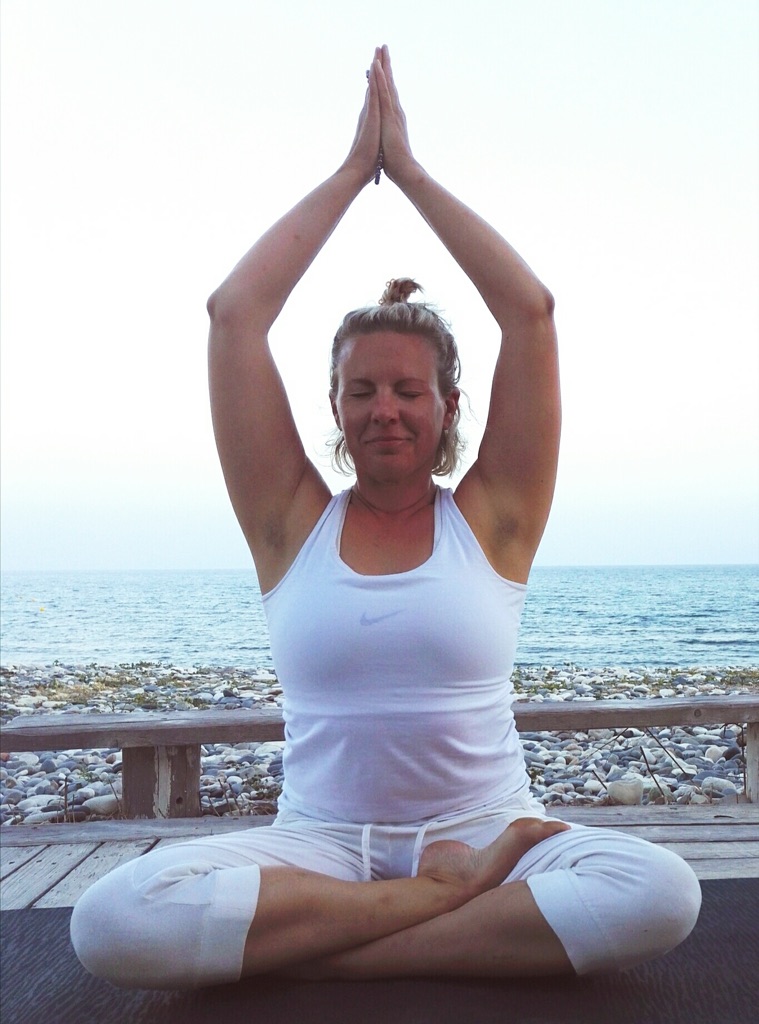
    Outdoor yoga

    Tallenna

    Tallenna

    Tallenna

    Tallenna

    Tallenna

    Tallenna

  • How to turn a bad day to a better one

    How to turn a bad day to a better one

    Bad days happen to all of us. Sometimes you just know the day is not going to be the best one straight after waking up. Sometimes a bad day creeps up on you slowly, starting with an innocent coffee spill, followed by signal failure in the tube and the realisation the keys were left at home… When things start going wrong it can feel like you are watching a car crash happening: there is nothing to do but to let day run its course and hope for the best.

    The good news is that it does not have to be like that. We have all the power to turn a day that has started badly to one that is, if not amazingly brilliant, a pretty good one. Here’s how.

    1. Acknowledge things are not going smoothly and make peace with it

    About a month ago I was few minutes late for a morning yoga class I was teaching. Not a big deal, being less than five minutes late, especially in Cyprus. Only this was few days after I had written a blog post how one should never be late for a yoga class. I was embarrassed and felt like a hypocrite. During the class I kept confusing my cues. Instead of shrugging it off, trusting that people were still following the class, I got annoyed and the rest of the class things continued to come out from my mouth sounding more or less strange: lefts became rights and so one. After the session, when somebody wanted to pay for a monthly pass, I realised I had left my purse home. At that point I let out a small “argh!” and the lady paying looked at me. “You are having not the best morning, are you? It’s ok, we all have those.”

    For some reason those words gave me real comfort. Yes, bad days do happen for everybody and guess what, people understand that. They are not going to judge me for small mistakes. So why on Earth was I getting so worked out over things that quite frankly were very, very minor? Why was I calling myself a hypocrite for being three minutes late when nobody else was doing that?

    And just like that, I made peace with the not so great day. I was not letting it to dictate my day. There is no great book of destiny that orders us to have x amount of s**t days a year, on specific dates on top of that. Instead, we can all do the following:

    2. Reflect on the triggers and keep things in perspective

    Things might not go great early on a given day because you are tired, or already overwhelmed by something that has happened earlier. When acknowledging and making peace with the not so smooth day so far, take a moment to check in with yourself. Ten deep breaths (I know, easier said that done but that’s why we practise yoga) by your desk, in the bus or even in the nearest toilet cubicle already help to calm the nervous system working on overdrive. Try to avoid catastrophising the events so far along the lines “This only happens to me” and “I might just give up and go home because the rest of the day is only going to be rubbish.” Trust me, there is no “bad day conspiracy” going on, aimed particularly at you. Instead, try to keep a positive (or at least a neutral) outlook and think what in particular has triggered you to react emotionally. Once you have identified them it is easier to find ideas that will help, if not to turn them around, at least keep them in perspective.

    3. Modify your plan respecting your resources

    So you are not feeling the best but need to get through the day. Have a look at your schedule and decide what are the things that have to be done, things what you can do and things that can wait. Is there a challenging one-to-one meeting coming up? Rescheduling is not great but as long as it is not what you are famous for in the office, maybe today is the day to do it. First draft of a report to be passed on to a colleague – you probably do not need to go it over with a comb, if it is the first draft nobody will care about few typos or less-than-perfect headlines. In short, treat yourself with compassion rather than punishing yourself for expecting excellence when you clearly are not up for it.

    4. Switch your “to-do” list to a “done” list

    Most of us have our lists (or ten) for things we must and want to get done during the day. Most of us also have things on those lists that we really are not too keen on, even on a good day.

    One thing I often do, bad day or not, is to change my “to-do” list to a “done” list. I write down every task I do, whether it figures in my notebook or not. Sometimes the things I get to mark down on the “done” list are the same that I have on the “to-do” list – if that is the case, great. Sometimes I end up with a list of things that are entirely different. The point is, the things I end up doing are always tasks that needed to be sorted sooner or later. And so what if your “done” list includes things like sending a postcard to your cousin who lives in another country, and stretching in front of three episodes of your favourite series on Netflix. Because at the end of the day your cousin will probably appreciate your postcard more than your colleagues would be impressed by your intellectual contribution to the company Intranet you had planned to do originally. And gentle stretching whilst unwinding in front of a good program is just as good as going to a two-hour power vinyasa class you really did not feel like.

    Celebrate the even small accomplishments with good consciousness. Your best today is good enough or did somebody tell you something else?

    Finally, remember that everything in this life is temporary and  tomorrow is another – and with all likelihood – a better day.

    What are your best tips for improving a day going not too well?

    Tallenna

    Tallenna

  • 7 Yoga-inspired Tips for Anxiety and Stress

    7 Yoga-inspired Tips for Anxiety and Stress

    This past week has been the Mental Health Awareness Week. However, mental health is obviously not an issue just for one week a year, just like a good mental health is more than just absence of a mental health problem.

    Stress and anxiety for instance are issues that touch all of us at least some point in our lives: school or university exams, professional demands and relationship challenges are unavoidable but luckily there are way s to ease their toll on us. It widely recognised through clinical studies that yoga can be an effective way to help us during tough times. Here’s how.

    1. The power of breath – pranayama – brings calm and relieves anxiety. There are various breathing exercises available and you can find few of them here. If you prefer keeping things simple, just focusing on lengthening inhales and exhales, whilst breathing through the nose, is a very effective way to bring stillness to the mind. You can try counting during inhales and exhales to help to keep the rhythm even, with the added bonus that when you count quietly in your mind, it is pretty hard to have other thoughts disturbing you.

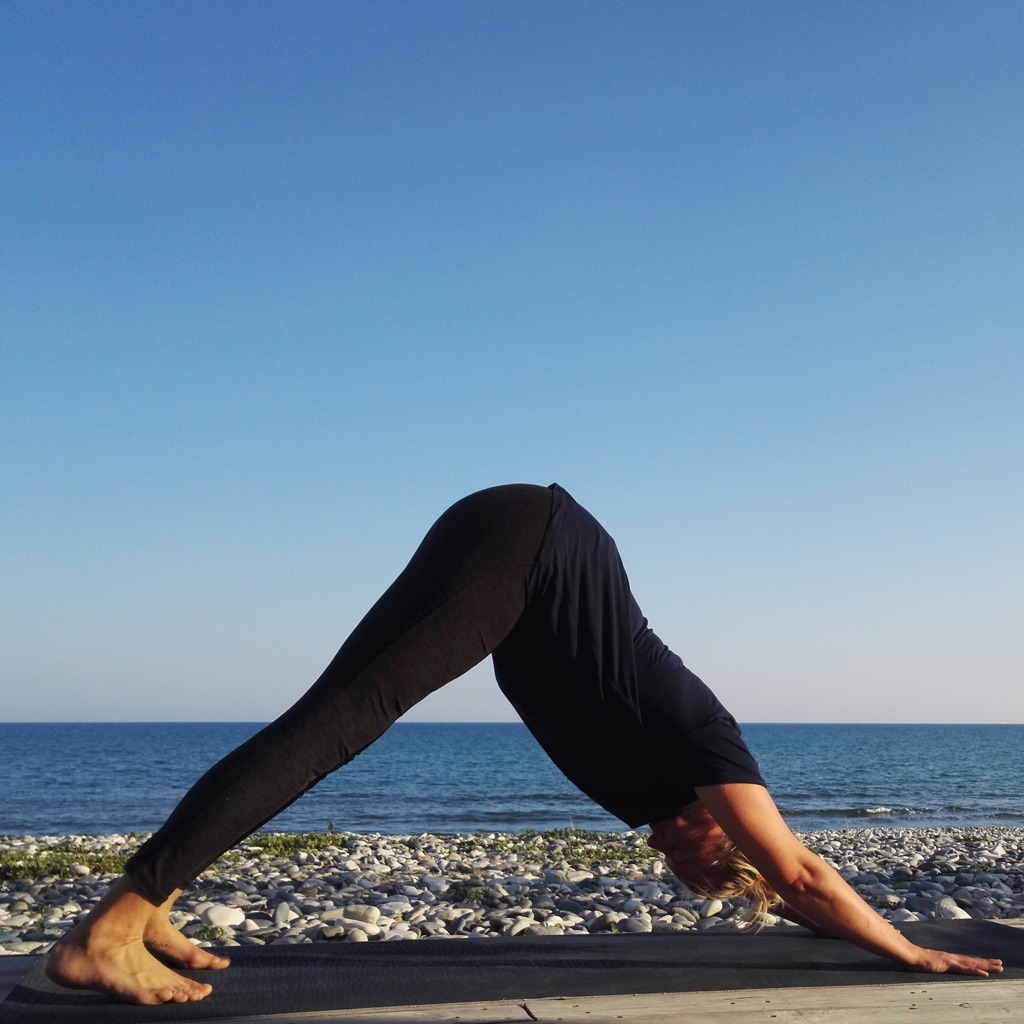
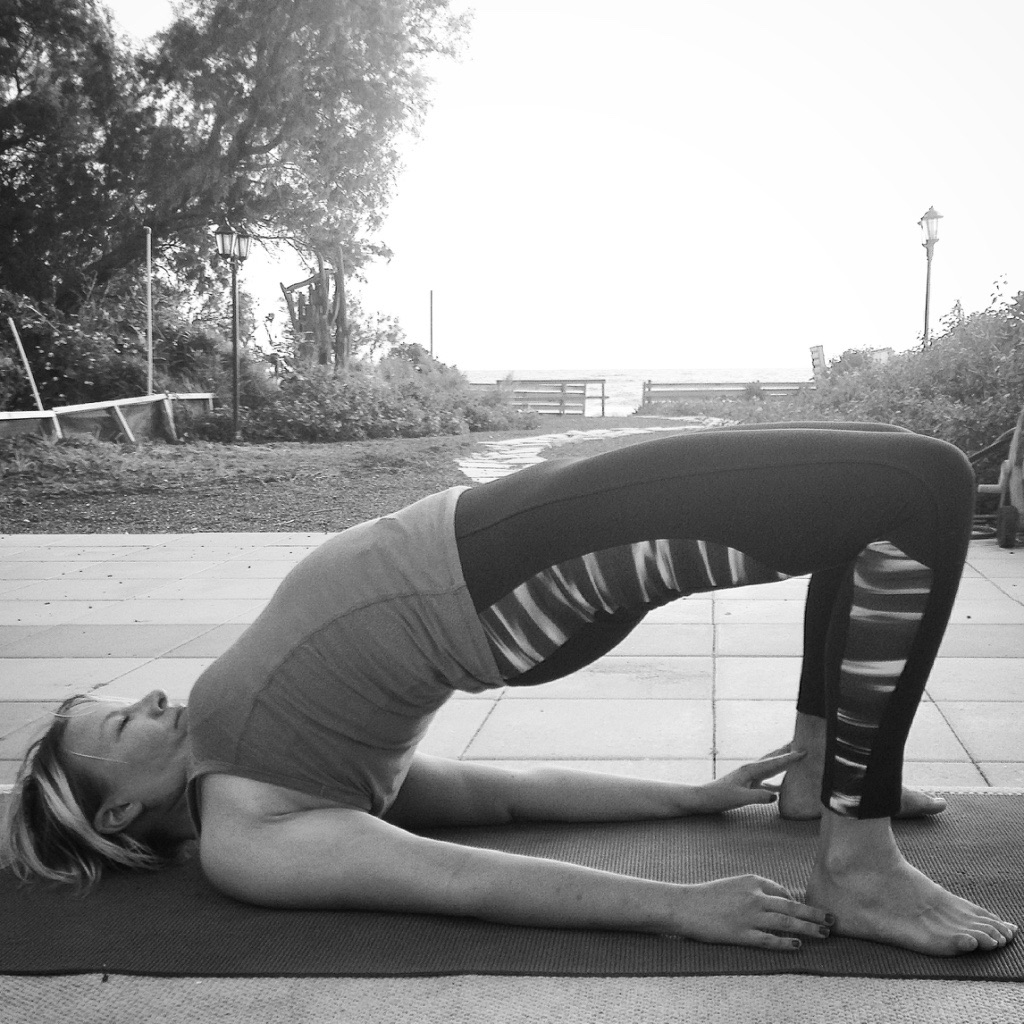
    2. Yoga postures – the asanas – relief physical tension and can help the mind to refocus. Some of the asanas that are especially recommended for relieving anxiety are hastapadasana (standing forward fold), adho mukha svanasana (downward facing dog), setubandasana (bridge pose) and of course, savasana (corpse pose.) Even a ten minute practise a day, done regularly, can have a huge positive impact.

    3. It is said that well planned is half done and preparation is the key. If you are reading this the night before a deadline you might find this annoying but take the lesson and next time plan ahead. Carving out the time to preparing in advance and making a plan will help manage both the situation at hand and our reactions, even if things end up not going to that plan (and do they ever?) If we are disciplined with our yoga practise, we can be disciplined with other aspects in our lives.

    4. Find an affirmation that works for you to start the day. For instance, making a conscious decision every day to act with best of our abilities means we are less likely to have regrets and more peace of mind.

    5. One of the reoccurring themes in yoga is that everything – absolutely everything – is temporary. Things will pass. It might not always feel like and it can be annoying to be reminded of this when the feeling is everything but. But things will pass.

    DeepYogaBreaths

    6. Meditation, with help of an app or without, does not need to take more than few moments. It is always helpful to check in with ourselves to inquire how we are REALLY feeling and why, even more so if we have a chance to remove ourselves temporarily from a taxing situation. Noticing what triggers our worries and concerns might take some time initially but will pay itself generously back once we learn to take preventative actions.

    7. Feeling like going all the way with a lifestyle change? Always best to introduce changes slowly in order to make them stick but if you are ready to go for it, check out my post about yamas and niyamas for some inspiration.

    To the beach

    Tallenna

    Tallenna

    Tallenna

    Tallenna

  • 7 x Joogan inspiroimaa vinkkia stressin hallintaan

    7 x Joogan inspiroimaa vinkkia stressin hallintaan

    Mennyt viikko oli henkisen hyvinvoinnin teemaviikko (ainakin joissain maissa) mutta aihe on ajankohtainen vuoden jokaisena päivänä. Hengen ja mielen hyvinvointi kun on paljon muutakin kuin mielenterveysongelmien välttäminen. Koulu ja opiskelu, työelämän vaatimukset ja ihmissuhteet aiheuttavat useimmille meistä stressiä ja ahdistusta jossain vaiheessa elämään. Vaikka näitä tilanteita on hankala välttää kokonaan, voi joogasta löytyä iso apu elämän vaikeiden vaiheiden helpottamiseksi. Alla muutamia keinoja miten.

    1. Hengittäminen – pranayama – ja erilaiset hengitysharjoitukset auttavat rauhoittamaan mieltä ja helpottavat ahdistusta. Kirjoitin muutamista harjoituksista aiemmin tässä postauksessa mutta sisään- ja uloshengitys nenän kautta on tehokas harjoitus jo yksinäänkin. Kokeile laskea hiljaa mielessäsi kolmeen tai neljään sekä sisään että uloshengittäessäsi. Näin hengityksen rytmi pysyy tasaisena ja laskiessa muiden ajatusten päässä pyöriminen on mahdotonta.

    2. Jooga-asanat auttavat rentouttamaan kehoa ja auttavat mieltä keskittymään. Hyviä asanoita ahdistukseen ovat eteenpäintaivutus, alaspäin katsova koira, silta-asana ja tietenkin kuolleen miehen asana. Jo 10 minuutin päivittäisellä harjoittelulla voi olla positiivinen vaikutus mieleen.

    Bridge pose

    3. Sanotaan että hyvin suunniteltu on puoliksi tehty. Järjestelmällinen joogaharjoitus voi auttaa siirtämään saman suunnitelmallisuuden elämän muihin osa-alueisiin. Hyvä ennakointi auttaa sietämään stressiä paremmin silloinkin kun suunnitelmat muuttuvat kesken matkan.

    4. Voimalauseet voivat tuntua alkuun hölmöiltä mutta joskus eteen osuu sanonta joka resonoi. Päivän voi vaikka aloittaa lupaamalla tehdä parhaansa joka asian suhteen – näin myös toimiessa jossittelu ja harmittelu jaa myös vähemmälle kun tietää tehneensä vilpittömästi sen minkä sillä oli paras mahdollinen suoritus. Muista myös nämä asiat ja ole itsellesi armollinen.

    5. Yksi joogan keskeisistä teemoista on tietoisuus siitä, että kaikki on väliaikaista. Oli olo tai tilanne kuinka kamala tahansa, ja vaikka ne tuntuvat kestävän ikuisesti, asiat tulevat muuttumaan. Aivan varmasti.

    6. Erilaiset meditaatioharjoitukset tarvitsevat vain muutaman minuutin ja niitä varten löytyy myös erilaisia applikaatioita. Ottamalla päivittäin hetken aikaa oman mielentilan tarkasteluun voi tuntua alkuun hankalalta mutta omien ärsykkeiden tunnistaminen mahdollistaa selviytymismekanismien luomisen hankalia tilanteita varten. Alun vaivannäkö maksaa siis itsensä takaisin ajan kanssa.

    7. Jos stressi ja ahdistus eivät ota helpottaakseen, ehkä edessä on kokonainen elämäntyylin muutos tai ainakin sen suunnittelu. Inspiraatiota tätä varten voi hakea vaikka aiemmista yama ja niyama-postauksistani.

    To the beach

    Tallenna

    Tallenna

    Tallenna

    Tallenna

    Tallenna

    Tallenna

  • January Abstinence Yogi Style: The Yamas

    January Abstinence Yogi Style: The Yamas

    Earlier I wrote a brief post about the eight limbs of yoga as described by Patanjali in his Yoga Sutras. Most students of yoga are familiar with three of them: breath (pranayama), posture (asana) and meditation. The remaining five are not often even mentioned in many (asana) classes and if we were to come across them somewhere they can understandably seem a bit hard to grasp.

    What is however offered in Patanjali’s writings is still very much relevant to this day. In short, he offers – not dictates – a guide for us to contemplate and follow to help us all on our way to a happier, more peaceful live. The first limb, the yamas, are about restraint, abstinences and self-regulation: a code of self-regulation. As it is January, this seems a very suitable topic so lets break the five yamas down.

    Ahimsa

    Ahimsa is the principle of non-violence, non-harming and non-injury and it is the highest of the yamas. Rather than referring simply to physical aspects of violence (or to say, non consumption of animal products), ahimsa also means letting go of hostile, aggressive or irritating thoughts as they prevents us from being at peace with ourselves. Included in this concept is also how we treat ourselves: do we speak to ourselves with the same kindness and respect than we speak to others? Ahimsa does not however tell us fall victim: we are all allowed to defend or protect ourselves, if this is to prevent larger harm from happening.

    Sutra 2.35: “As a Yogi becomes firmly grounded in non-injury (ahimsa), other people who come near will naturally lose any feelings of hostility (ahimsa pratishthayam tat vaira-tyagah.)”

    Satya

    Satya is the concept of truthfulness and honestly. The key to satya is to understand that it does not simply refer to what is our subjective truth. Instead it calls for an understanding for the larger truth takes into account in the big picture: opinions (e.g. gossip) are separate from the truth and it is important we learn to distinguish between the two.

     Satya also means that our thoughts, words and actions are in line: that we not only talk the talk, we also walk the walk. However, Satya is measured in relation to ahima, non-violence. It does not give us the permission to go around and say what we please to people in the name of ”but it is true” as this can be hurtful.

    Friends

    Asteya

    Asteya is what we also know as ”thou shalt not steal.” But as this is yoga, asteya does not simply refer to material things. Theft also exists in the form of taking others’ time (for instance, by being excessively late), draining their energy, ruining their happy mood or using their work ideas. Asteya invites us to reflect what and how we consume, well, everything: the idea is that all energy is interconnected and what you take from somebody else excessively always creates an imbalance.

    In a practical sense asteya can be seen in the principle of fair trade. Another example would be not paying back something that you should.

    Brahmacharya

    Brahmacharya is often translated as continence, but it does not mean celibacy is required to be a ”good yogi.” Widely speaking brahmacharya refers to being aware of the divine, and living in a way that is mindful of the energy we use. We all have experienced situations we have gotten disproportionally angry or agitated over something and ended up exhausted for it – not a good use of our energy. Another good example is how we use our effort during asana practise: are we practising mindfully and relaxed mind or focusing more on how we think our backbend should look? Which type of practise is more pleasurable?

    Sutra 2.38: “To one established in continence, vigor is gained.”

    Aparigraha

    Aparigraha refers to non-possessiveness, or non-greed. Simply put it means we should not accumulate stuff excessively or get attached to what we own. We are not the things we possess, nor do they define our personality or value.

    On a non-material level aparigraha means we should let go of old beliefs if they do not serve us anymore: For instance, how we behave with our friends or other relationships can change if the circumstances necessity a different attitude. Equally, we do not have to vote for the same party all our lives if a better option emerges. Our identities do not need to be fixed, and with the realisation of that comes freedom.

    This was should a quick introduction to yamas but how do they sound to you? Feel free to drop a comment to add, disagree, say you what to want to say – nothing better than a good discussion.

    img_1343

    Tallenna