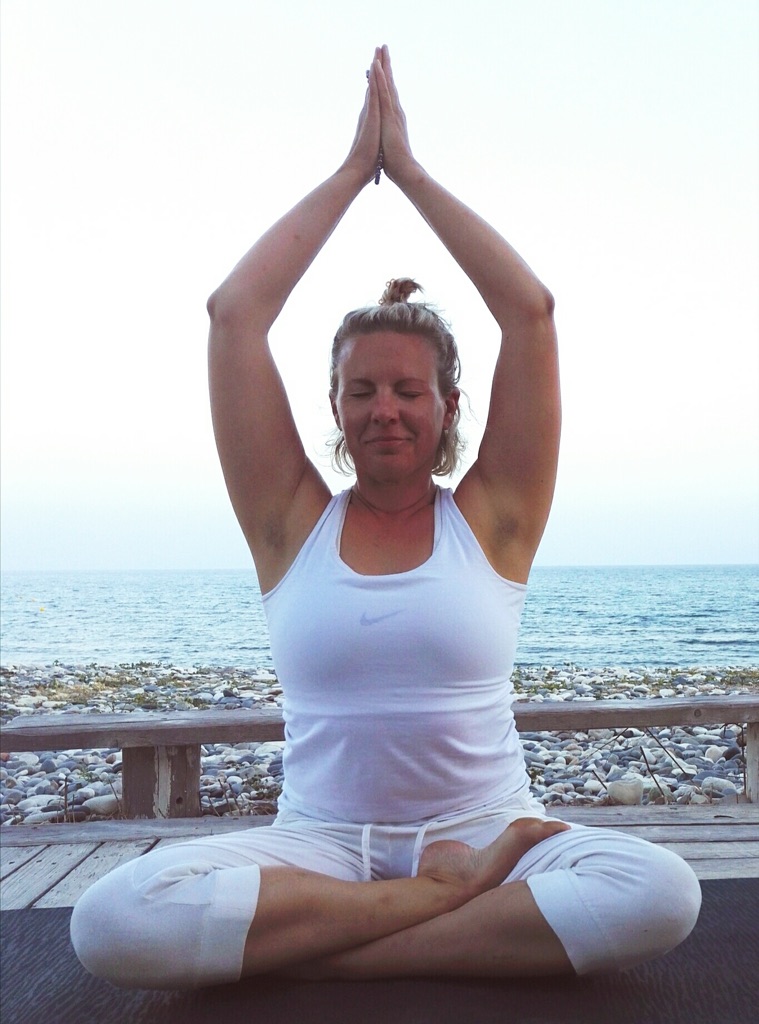
Tag: Jooga

  • 7 Yoga-inspired Tips for Anxiety and Stress

    7 Yoga-inspired Tips for Anxiety and Stress

    This past week has been the Mental Health Awareness Week. However, mental health is obviously not an issue just for one week a year, just like a good mental health is more than just absence of a mental health problem.

    Stress and anxiety for instance are issues that touch all of us at least some point in our lives: school or university exams, professional demands and relationship challenges are unavoidable but luckily there are way s to ease their toll on us. It widely recognised through clinical studies that yoga can be an effective way to help us during tough times. Here’s how.

    1. The power of breath – pranayama – brings calm and relieves anxiety. There are various breathing exercises available and you can find few of them here. If you prefer keeping things simple, just focusing on lengthening inhales and exhales, whilst breathing through the nose, is a very effective way to bring stillness to the mind. You can try counting during inhales and exhales to help to keep the rhythm even, with the added bonus that when you count quietly in your mind, it is pretty hard to have other thoughts disturbing you.

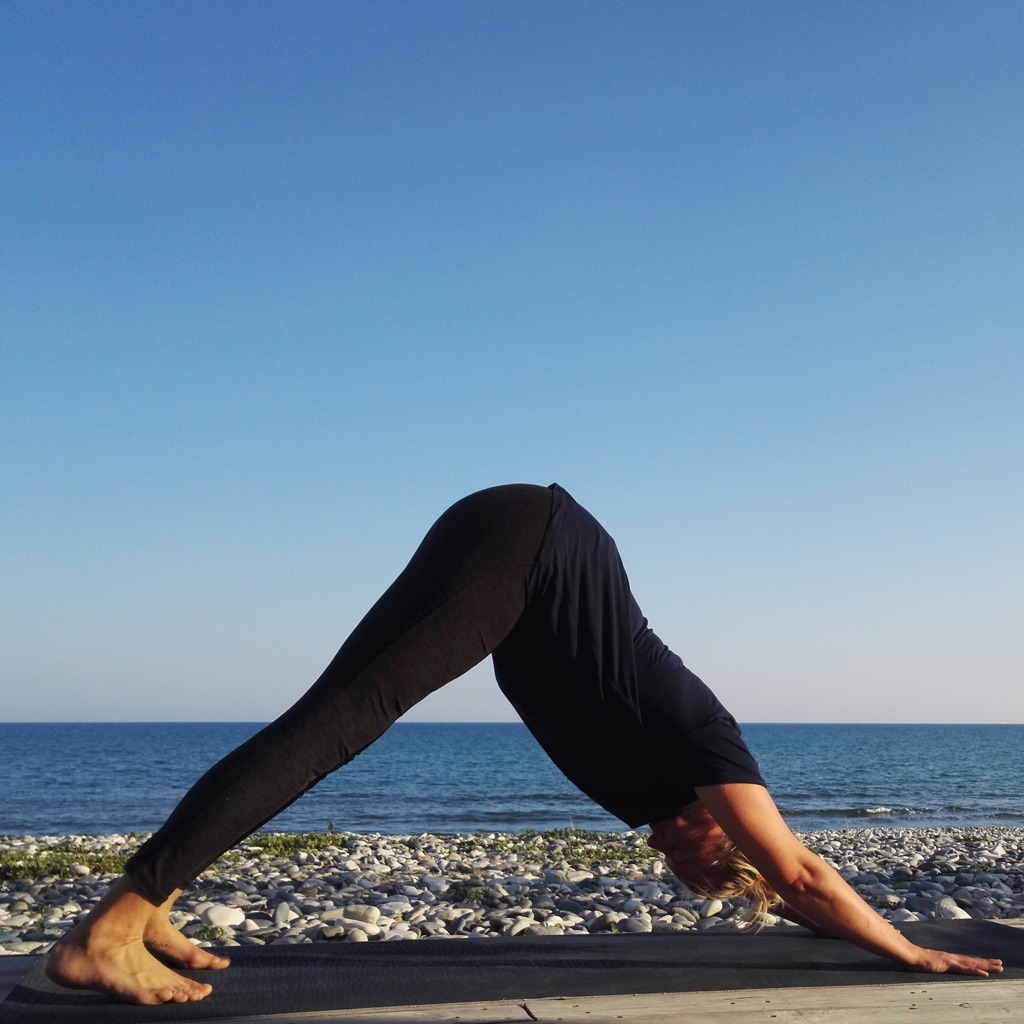
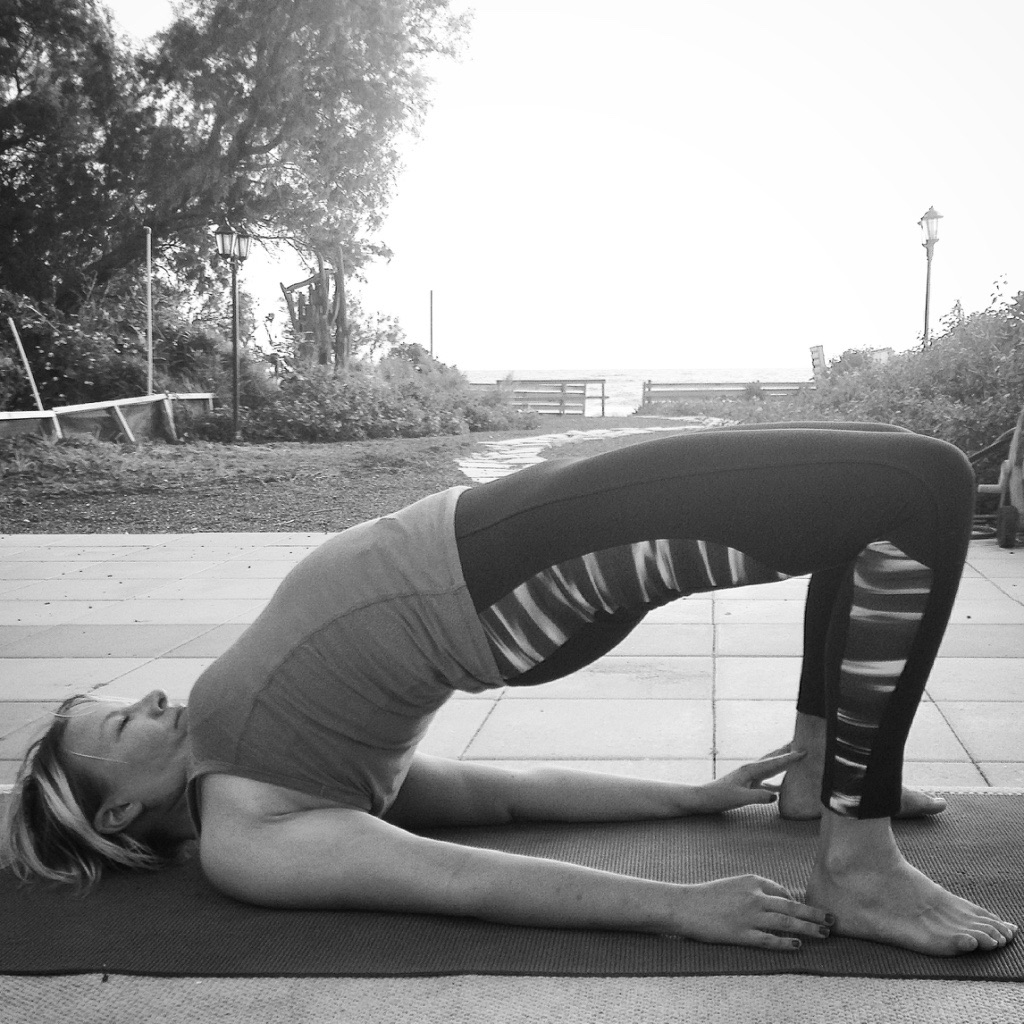
    2. Yoga postures – the asanas – relief physical tension and can help the mind to refocus. Some of the asanas that are especially recommended for relieving anxiety are hastapadasana (standing forward fold), adho mukha svanasana (downward facing dog), setubandasana (bridge pose) and of course, savasana (corpse pose.) Even a ten minute practise a day, done regularly, can have a huge positive impact.
    3. It is said that well planned is half done and preparation is the key. If you are reading this the night before a deadline you might find this annoying but take the lesson and next time plan ahead. Carving out the time to preparing in advance and making a plan will help manage both the situation at hand and our reactions, even if things end up not going to that plan (and do they ever?) If we are disciplined with our yoga practise, we can be disciplined with other aspects in our lives.

    4. Find an affirmation that works for you to start the day. For instance, making a conscious decision every day to act with best of our abilities means we are less likely to have regrets and more peace of mind.

    5. One of the reoccurring themes in yoga is that everything – absolutely everything – is temporary. Things will pass. It might not always feel like and it can be annoying to be reminded of this when the feeling is everything but. But things will pass.
    DeepYogaBreaths

    6. Meditation, with help of an app or without, does not need to take more than few moments. It is always helpful to check in with ourselves to inquire how we are REALLY feeling and why, even more so if we have a chance to remove ourselves temporarily from a taxing situation. Noticing what triggers our worries and concerns might take some time initially but will pay itself generously back once we learn to take preventative actions.

    7. Feeling like going all the way with a lifestyle change? Always best to introduce changes slowly in order to make them stick but if you are ready to go for it, check out my post about yamas and niyamas for some inspiration.

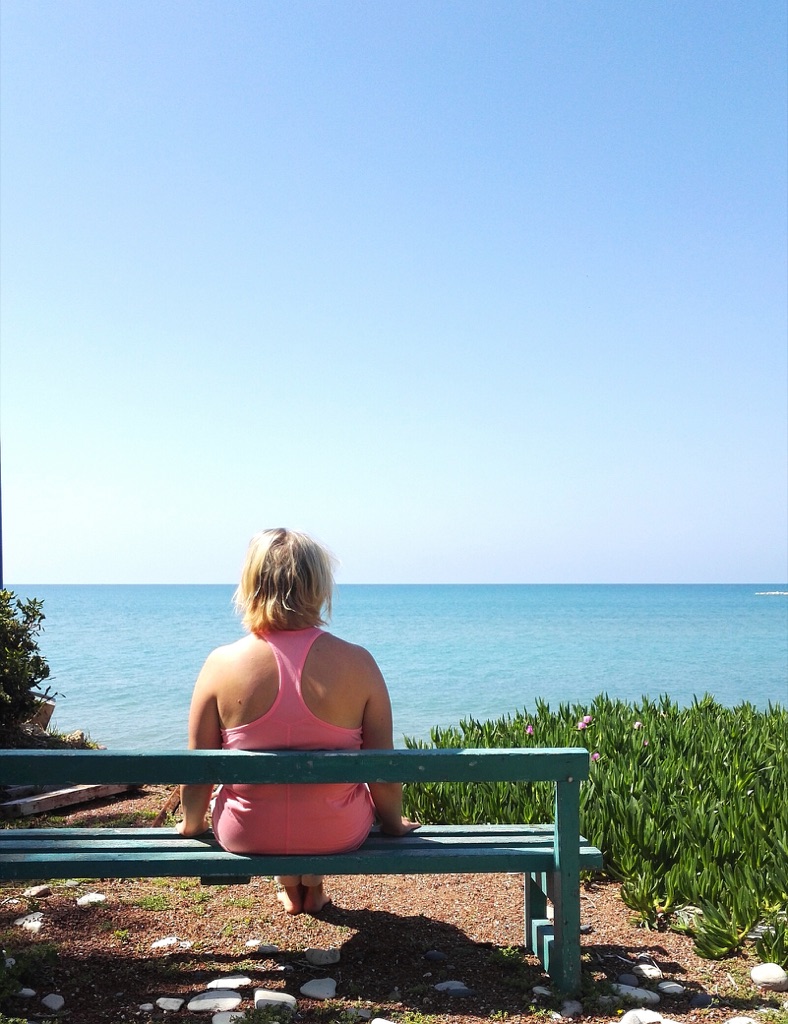
    To the beach

    Tallenna

    Tallenna

    Tallenna

    Tallenna

  • 7 x Joogan inspiroimaa vinkkia stressin hallintaan

    7 x Joogan inspiroimaa vinkkia stressin hallintaan

    Mennyt viikko oli henkisen hyvinvoinnin teemaviikko (ainakin joissain maissa) mutta aihe on ajankohtainen vuoden jokaisena päivänä. Hengen ja mielen hyvinvointi kun on paljon muutakin kuin mielenterveysongelmien välttäminen. Koulu ja opiskelu, työelämän vaatimukset ja ihmissuhteet aiheuttavat useimmille meistä stressiä ja ahdistusta jossain vaiheessa elämään. Vaikka näitä tilanteita on hankala välttää kokonaan, voi joogasta löytyä iso apu elämän vaikeiden vaiheiden helpottamiseksi. Alla muutamia keinoja miten.

    1. Hengittäminen – pranayama – ja erilaiset hengitysharjoitukset auttavat rauhoittamaan mieltä ja helpottavat ahdistusta. Kirjoitin muutamista harjoituksista aiemmin tässä postauksessa mutta sisään- ja uloshengitys nenän kautta on tehokas harjoitus jo yksinäänkin. Kokeile laskea hiljaa mielessäsi kolmeen tai neljään sekä sisään että uloshengittäessäsi. Näin hengityksen rytmi pysyy tasaisena ja laskiessa muiden ajatusten päässä pyöriminen on mahdotonta.

    2. Jooga-asanat auttavat rentouttamaan kehoa ja auttavat mieltä keskittymään. Hyviä asanoita ahdistukseen ovat eteenpäintaivutus, alaspäin katsova koira, silta-asana ja tietenkin kuolleen miehen asana. Jo 10 minuutin päivittäisellä harjoittelulla voi olla positiivinen vaikutus mieleen.

    Bridge pose

    3. Sanotaan että hyvin suunniteltu on puoliksi tehty. Järjestelmällinen joogaharjoitus voi auttaa siirtämään saman suunnitelmallisuuden elämän muihin osa-alueisiin. Hyvä ennakointi auttaa sietämään stressiä paremmin silloinkin kun suunnitelmat muuttuvat kesken matkan.

    4. Voimalauseet voivat tuntua alkuun hölmöiltä mutta joskus eteen osuu sanonta joka resonoi. Päivän voi vaikka aloittaa lupaamalla tehdä parhaansa joka asian suhteen – näin myös toimiessa jossittelu ja harmittelu jaa myös vähemmälle kun tietää tehneensä vilpittömästi sen minkä sillä oli paras mahdollinen suoritus. Muista myös nämä asiat ja ole itsellesi armollinen.

    5. Yksi joogan keskeisistä teemoista on tietoisuus siitä, että kaikki on väliaikaista. Oli olo tai tilanne kuinka kamala tahansa, ja vaikka ne tuntuvat kestävän ikuisesti, asiat tulevat muuttumaan. Aivan varmasti.

    6. Erilaiset meditaatioharjoitukset tarvitsevat vain muutaman minuutin ja niitä varten löytyy myös erilaisia applikaatioita. Ottamalla päivittäin hetken aikaa oman mielentilan tarkasteluun voi tuntua alkuun hankalalta mutta omien ärsykkeiden tunnistaminen mahdollistaa selviytymismekanismien luomisen hankalia tilanteita varten. Alun vaivannäkö maksaa siis itsensä takaisin ajan kanssa.

    7. Jos stressi ja ahdistus eivät ota helpottaakseen, ehkä edessä on kokonainen elämäntyylin muutos tai ainakin sen suunnittelu. Inspiraatiota tätä varten voi hakea vaikka aiemmista yama ja niyama-postauksistani.

    To the beach

    Tallenna

    Tallenna

    Tallenna

    Tallenna

    Tallenna

    Tallenna

  • Yoga Tourist in Paris Part 2

    Yoga Tourist in Paris Part 2

    Originally I had planned to go to an advanced level vinyasa class on my last full day in Paris. With all the walking done over the days (and long dinner on Tuesday on Tuesday evening) I however started feeling like something mellower would be a better fit for the day. As mentioned I had really like the energy at Studio Keller the day before and I quick look at their schedule showed there was an afternoon all levels vinyasa class (vinyasa tout niveau.) I was really curious to see an all-levels class by another teacher as it is common for most teachers to have a class with people of different abilities and it can be challenging to keep it interesting and challenging enough for everybody. The afternoon class was also Studio Keller’s weekly community class so it was priced only at 10 euros. What’s not to like!?

    At the start of the class the teacher greeted returning students by their names, went through all the new people to get their names and introducing herself. She also checked who was new to yoga and maybe most importantly, if anybody had any injuries or restrictions on the day she should be aware of. Unfortunately this is not a question you often hear at classes although especially in the case of people new to asana-practise it allows the teacher to modify the poses based on whatever issue a practitioner might have. I get that in a big class giving individual attention to everybody is simply not do-able but if you have to choose who you are going to give it, this is probably the best way to find out.

    The actual yoga was great although personally it was not the best practise I have had. Variations for the vinyasas were given (one being staying in child’s pose) and all the instructions were clear to follow for everybody (which did not stop me from getting confused between right and left but that happens to me everywhere, in every language) and there was a lot of humour. There was a really warm atmosphere in the room that goes to tell a lot about the quality of the teaching. Highly recommended!

    There are numerous other yoga studios left to visit so do let me know what are your favourites in the comments as I hope to go and visit the City of Lights again later this year!

    Tallenna

  • Yoga Tourist in Paris

    Yoga Tourist in Paris

    There is a real yoga scene in Paris and as I was due to visit my old hometown over few days I naturally wanted to check out what is on offer. Cue a message to the “Finnish people in Paris” Facebook page (note to self, 1am on a Saturday morning is probably not the best time for any question) and googling along the lines “best yoga classes in Paris.”

    First impressions? The prices! Apparently you can charge 35€ for a class (and not a workshop, a 60 to 90 minute class)! Average seemed to be around 15€ to 20€ a class but as there is a lot on offer it was worthwhile digging a bit deeper. Most places offer the first visit at a reduced rate and there are several more moderately priced options.

    Second impression? Booking in advance online was required for most places. I had sort of forgotten that this is the norm in most big places (Cyprus, as a country, has 1 million people compared to almost 10 in Paris) as a class can easily be 40 people. On the Island we call that a festival! But I suppose booking things before hand can help you get organised with your life so I can definitely see the benefits of it too.

    wp-image-1183085569jpg.jpeg
    Just a random happy cat on the streets of Paris.

    I was determined to start as I meant to go along so for my first class I booked a 8 am “Rise” session at The Yoga Factory (Metro Oberkampf). The name had popped up on most of my searches, the morning classes were prices very reasonably at 7 euros and you did not have to book. I found the place without too much trouble (but did walk past it once before turning back), filled in the form at the reception and was directed to the changing room. The place had a cool industrial vibe to it (hence the “factory”) and was busy even at the early morning.

    Now two things happened that I take full responsibility of. Firstly, I somehow managed to omit the fact that The Yoga Factory is all about hot yoga, and in every class the room is heated to +28C. I was a bit surprised by the temperature in the room when I first walked in but hey, I was after new experiences and to be completely honest, I would have probably never entered the place had I known it was about hot yoga (yes, I am that open minded.)

    wp-1487794163867.jpeg
    Yes it says “Hot Yoga” on that thing on the door. I noticed it too when I left.

    The other thing was that for some reason I had thought the class would be some kind of Hatha variation, nothing too crazy. Obviously I had not bothered to read the class descriptions either. Well, hatha it was not. “Rise” at The Yoga Factory was a full-on 60 minute vinyasa flow like I had not experienced it in several years. To give you an idea how fast paced it was, the 60 minutes included a generous pranayama practise at the start, at least 6 (I lost count) rounds of full Sun Salutation variations, 5 different warrior poses, half moon pose, a whole bunch of the most common standing poses, bakasana (crow pose) as arm balance, tripod headstand for inversion, full bow pose and savasana. All tied together to form a continuous flow that did not stop for a second.

    I had said I was after new and different experiences so I was truly served with this one. It could not have been further away from my regular practise! Whilst I did find the class a little bit too fast and “full” for my taste it was also fun and surprisingly energising. With no booking and the 7 euro price tag for the morning and a 17:15 “Happy Hour” class I happily go back to the Yoga Factory when in Paris next time. I will also take my towel with me.

    I decided however to pay a bit more attention to the next class I was booking. I figured that with all the walking around the city I could do with something more restorative so I booked a Meditation and Yin yoga class for the next day at the Studio Keller (Metro Voltaire). I had heard great things about this place and they offer an introductory class for 13 euros. After the booking they send me an email with the codes to the building (another thing I had forgotten, the door codes in Paris) and at the door naturally I tried them in the wrong order, the last one letting me in through the first door. Good thing I was on time.

    wp-1487794179574.jpeg

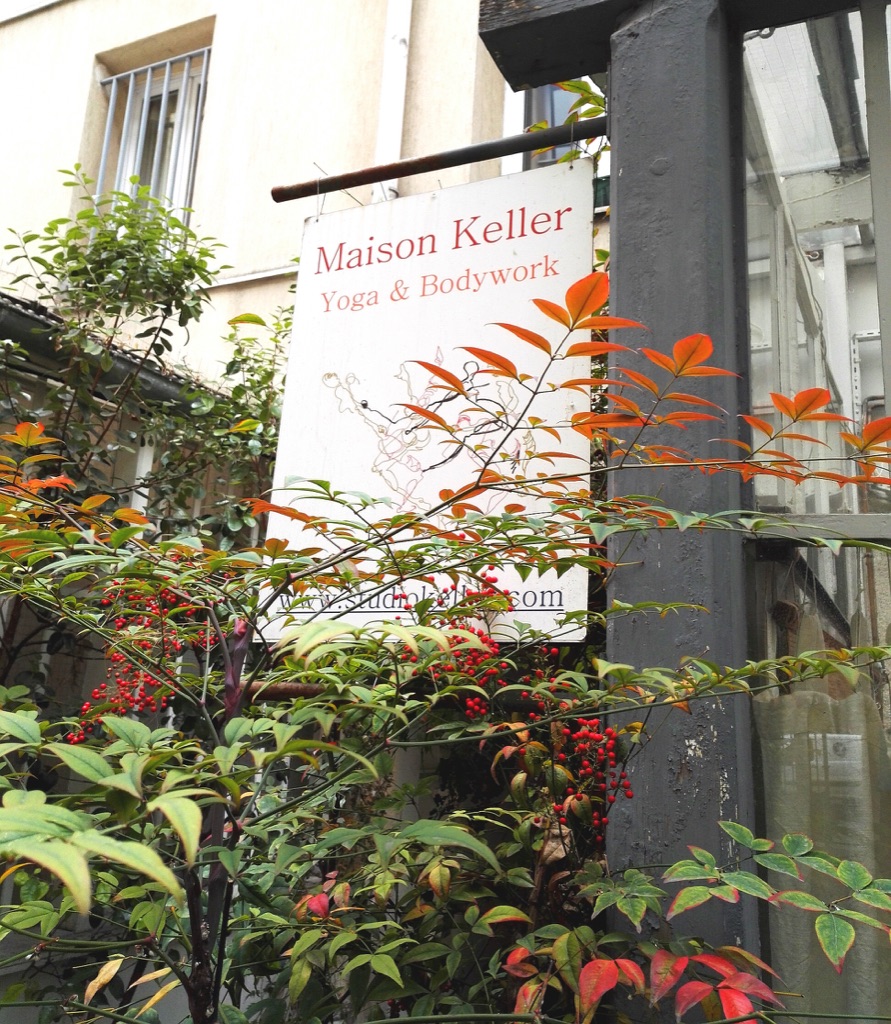
    Studio Keller is another beautiful place if a complete opposite to Yoga Factory. This one had a more traditional yoga-shala-meets-old-Parisian-apartment vibe to it with wooden floors and light colours, mix and match props and a lot of light. The class was divine, also pretty busy for a Tuesday morning but very relaxing and calming. After the 15 minutes or so (?) meditation at the start the teacher was very hands on with the asana practise, offering adjustments, helping with the props and to get deeper into the poses in an effective way. Just wonderful!

    I liked the feeling of Studio Keller so much I decided to go back for more the next day but about that in the next post.

    wp-image-2128335808jpg.jpeg

  • Photos and Quotes

    Photos and Quotes

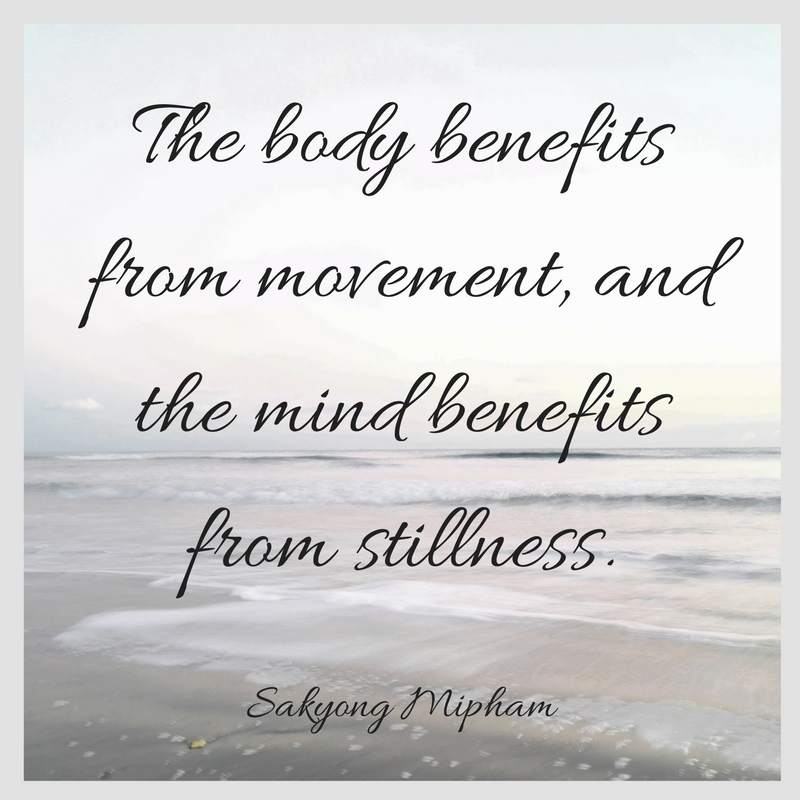
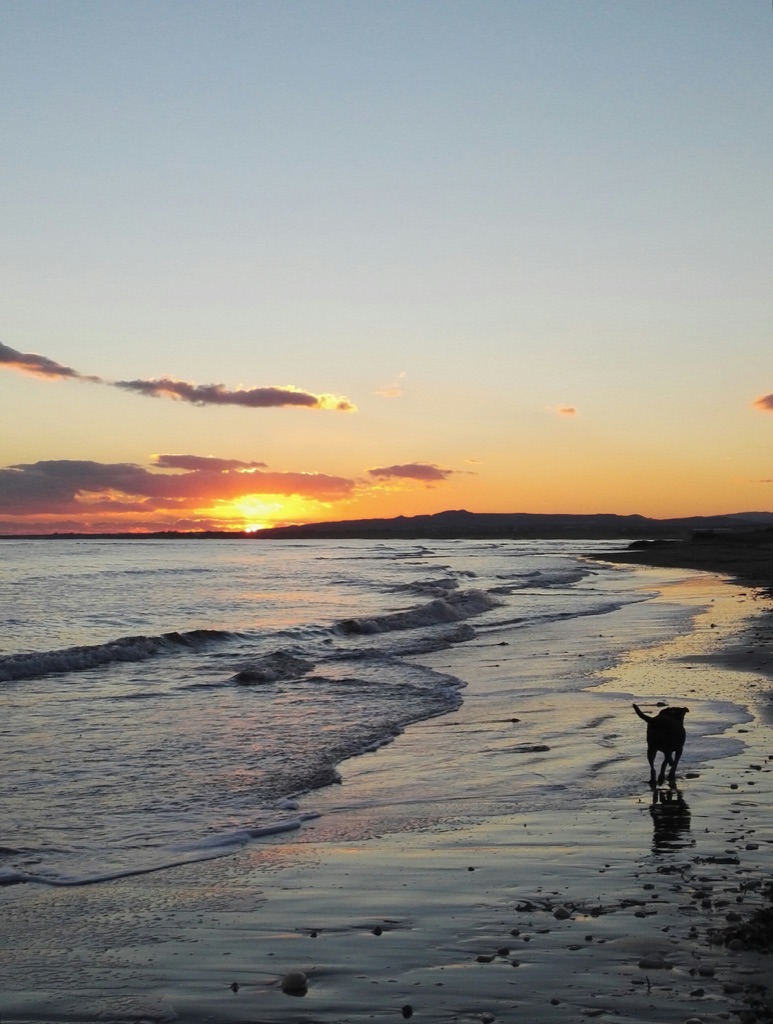
    Because sometimes all there is left to say is “it is what it is.” Because it is Tuesday. Because I like looking at pictures and reading quotes and somebody else might too. Because sometimes the best thing is to remain quiet and enjoy the silence.

    dav

    the-body-benefits-from-movement-and-the-mind-benefits-from-stillness

    wp-image-2127392995jpg.jpeg

    img_20170207_172221.jpg

    healtheatthinksay

    img_20170101_193530.jpg

    self-acceptance

    Tallenna

  • Joogafilosofiaa: Niyamat eli yksilön suhde itseensä

    Joogafilosofiaa: Niyamat eli yksilön suhde itseensä

    Patanjalin Joogasutrissa esitellyn kahdeksanhaaraisen polun (“systeemin”) ensimmäinen askel, yamat, kuvailee kuinka saavuttaa harmoninen ja rauhanomainen asenne ulkomaailman kanssa. Toinen askele näissä kahdeksassa eettisessä neuvossa, niyamat, keskittyy puolestaan suhteeseen oman itsemme kanssa. Niyamoja voi kuvailla eräänlaisiksi mielen, kehon ja aistien treenaamiseksi matkalla kohti korkeampaa tietoisuutta ja täydellistä vapautta.

    Jos tämä kuulostaa hieman liian haastavalta tavoitteelta tähän hetkeen mikään ei kuitenkaan estä pohtimasta niyamoja kevyemmällä tavalla, tutustumalla niiden ideaan ja miettimällä kuinka ne istuvat (tai eivät) omaan elämään tällä hetkellä.

    Saucha

    Saucha viittaa sekä ruumiin ja mielen puhdistukseen ja puhtauteen. Ideana on että tarvitsemme kirkkaan ja selkeän mielen saavuttaaksemme tyyneyden tilan. Tämä tila on välttämätön jos haluamme päästä korkeimman viisauden ja vapauden asteelle. Saucha ei kuitenkaan vaadi että elämme elämäämme steriilisti. Järjestys ja puhtaus auttavat paljon (eli Kon-Marit esiin jossei ole jo!) mutta meidän on pidettävä mielessä myös isommat kokonaisuudet: kenen kanssa vietämme aikaamme, miten vietämme vapaa-aikaamme (ts. baarit vs ulkoilmassa oleskelu) ja luonnollisesti myös millaista ruokaa ja juomaa suuhumme pistämme. Saucha on yksi joogasutrissa mainituista elementeistä jotka selittävät minkä takia monet joogaajat ovat vegaaneja.

    img_20170131_143642.jpg
    Mitäs sinne suuhun tuli taas pistettyä?

    Santosha

    Santosha tarkoittaa tyytyväisyyttä tai onnellisuutta. Sivistyssanakirja määrittelee onnellisuuden sanoilla suotuisuus ja otollisuus. Synonyymeiksi tarjoiltiin seuraavia vaihtoehtoja: onni, autuus, iloisuus, pirteys, tyytyväisyys, mielenrauha, nautinto, ilo, hyvinvointi, elämänilo.

    Joogasutrien mukaan ongelma onnellisuuden saavuttamiseksi on oma egomme ja valitettava tosiasia että ihmisluonto helposti havittelee aina jotain lisää ja/tai jotain muuta: omasta mielestämme parempia asana-harjoituksia, täydellisiä ihmissuhteita, parempaa urakehitystä, enemmän tavaroita ja matkoja… Onnellisuus tulee kuitenkin ymmärtämällä että meillä on jo kaikkea mitä tarvitsemme ja osoittamalla kiitollisuutta sitä kohtaan.

    Tästä asiasta on viime aikoina kirjoitettu niin paljon että ei tästä sen enempää. Santoshan saavuttaminen kun vaatii harjoittelua itsemme ja ajatustemme kanssa ennemminkuin siitä loputtomasti lukemista.

    Tapas

    Tapas on aikojen saatossa käännetty monella eri tavalla mutta suomeksi se selittyy parhaiten sanalla “itsekuri.” Tapas on se prosessi jonka käymme lävitse kun teemme (tai pakotamme itsemme tekemään) jotain joka ei yhtään huvittaisi mutta jonka tiedämme olevan meille hyvästä. Ajatuksena on että itsekuri ja vaivannäkö jota käytämme on eräänlainen sisäinen liekki joka poistaa meistä epäpuhtauksia ja vahvistaa sekä ruumista ja mieltä. Tapas auttaa meitä pääsemään irti epäterveellisistä tavoista ja luomaan uusia, terveellisiä rutiineja.

    Esimerkkinä tapaksen toiminnasta ovat mm. ne salitreenit, aamulenkit ja joogaharjoitukset jotka eivät yhtään huvittaneet mutta joiden jälkeen olo on todella hyvä. Tällaisen suorituksen jälkeen voi myös tehdä mieli syödä terveellisemmin ja siten luoda uusia terveellisiä tapoja.

    img_20170128_175913.jpg
    Näihin lenkkimaastoihin lähtemiseen ei kauheasti itsekuria tarvitse.

    Svadhyaha

    Svadhyaha on itsetutkimusta ja pyrkimystä kasvattamaan tietoisuutta mitä itsemme sisällä tapahtuu. Lopullinen päämäärä on päästä yhteyteen todellisen luontomme kanssa jossa joogasutrien mukaan olemme yhtä kaiken meitä ympäröivän kanssa, puhtaassa totuudessa.

    Useimmille meistä tämä vaikuttaa hieman turhan kunnianhimoiselta pyrkimykseltä mutta Svadhyahan voi helposti aloittaa miettimällä omia toimintatapojaan ja reaktioitaan eri tilanteissa: Mitkä asiat saavat meidät ärtymään ja mikä niissä oikein ärsyttää. Jos esimerkiksi juna pysähtyy raiteille kesken matkan, ärsyynnymme helposti koska tiedämme myöhästyvämme töistä. Mutta minkä takia myöhästyminen ärsyttää meitä? Onko se, koska joku on siellä meitä odottamassa vai mikä? Entä ovatko ruokatottumuksemme sellaiset joihin olemme tyytyväisiä vai haaveilemmeko muuttavamme niissä jotain? Kuinka pääsemme tavoitteeseemme ja onko tämä tavoite sellainen johon päästyämme se tulee pysymään tapana?

    Tämän tyylinen itsetutkistelu on tärkeää suorittaa empaattisesti ja ymmärtäväisesti itseään kohtaan, mutta myös käyttää sen tukena tekstejä jotka tukevat sitä, vaikkapa joogasutria tai muita hengellisiä tekstejä. Näin perspektiivi säilyy ja ymmärrämme paremmin kuin useimmat tuntemukset ja “ihmisyyden haasteet” ovat universaaleja ja tuttuja meille monille, taustasta riippumatta. Tämä myös takaa ettei harjoittamamme svadhyaha pyöri vain oman navan ympärillä. Ajan kanssa tällainen harjoittelu tekee meistä tasapainoisempia, rauhallisempia ja tyytyväisiä, sekä itseämme että muita kohtaan.

    Ishvara Prandihana

    Ishvara Pranadihana viittaa kykyyn hellittää, “päästää irti” ja antautua korkeamman voiman johdatettavaksi (mikä se korkein voima tai energia sitten itse kullekin on.) Yksinkertaistettuna tämä tarkoittaa omasta egosta luopumista (tai ainakin sen yrittämistä) ja omistamalla elämänsä (tai joogaharjoituksensa tms.) korkeammalle taholle. Jo tämän omistautumisen osoittaminen muistuttaa meitä yhteydestämme johonkin isompaan ja on merkki luottamuksesta että tämä voima vie meitä universaalia totuutta kohti.

    Tämä teksti on käännetty alkuperäisestä englanniksi kirjoittamasti versiosta jossa lähdeaineistona on käytetty seuraavia sivustoja ja kirjoja:

    wp-image-935548709jpg.jpeg

    Tallenna

  • About Yoga Photos for Instagram…

    About Yoga Photos for Instagram…

    After all the talk about the Yoga Sutras I feel the need (maybe you do too) for some comic relief. So who else to turn to than JP Sears and his video about the importance of Yoga Photos for Instagram.

    My own yoga pictures do not ever rarely always turn out like I imagined them in my head. Here are few of them that I find quite funny, although not necessarily that informative or esthetically pleasing as I wanted them. Special note for the fact that the horizon is NEVER straight when I use the self-timer.

    Faceplant-asana. At least my elbows are by my body.

    img_4112

    “Escape, quick, before the human kicks!”

    img_8549

    Proof that animals learn quick. Set the camera – they are in the sea. And who needs a head in the picture anyway?

    img_1075

    Well, they are loyal too. “You need help Human? Looks like you are falling over?”

    img_3230

    Oh hello Kalimera, just streching and looking akward to start off the day.

    The last two photos are taken by Heidi Marttinen and the horizon is straight.


    Tallenna

    Tallenna

  • Joogafilosofiaa: Yamat eli yksilön suhde ympäristöön

    Joogafilosofiaa: Yamat eli yksilön suhde ympäristöön

    Kirjoitin aiemmin lyhyesti joogan kahdeksasta raajasta kuten Patanjali on ne kirjannut joogasutrissaan. Useat meistä tuntevat ainakin konsepteina pranayaman (hengitysharjoitukset), asanat (fyysisen harjoituksen) ja meditaation. Ensimmäinen raajoista on kuitenkin Yama joka kirjaa rajoituksia ja sosiaalisia käyttäytymisohjeita joita joogin tulisi noudattaa elämässään. Mikä olisikaan parempi aihe tammikuulle?
    Ahimsa

    Väkivallattomuus (”ei-tarkoituksellinen-vahingoittaminen.”) Ahimsa ei tarkoita pelkästään fyysisen väkivallan karttamista vaan väkivaltaa myös ajatusten tasolla, toisiamme ja itseämme kohtaan. Puhutko muille (ja muista) ystävällisesti, entä riittääkö itsellesi myötätuntoa jos et mennytkään työpäivän jälkeen lenkille vaan istuit sen sijaan television eteen? Ahimsa ei kuitenkaan tarkoita että kaikkeen pitäisi suhteutua rakkaudella ja lempeydellä: meillä on kaikilla oikeus puolustaa itseämme jos tällä vältetään suurempi väkivalta.

    Satya

    Totuudellisuus ajatuksissa, sanoissa ja käytöksessä. Satya kuitenkin vaatii meitä ymmärtämään että totuus voi olla suurempi kuin oma näkemyksemme asiasta, ja että mielipiteet eivät ole sama asia kuin totuus. Satya ”toimii” myös ahimsan piirissä joten se ei oikeuta päästämään suustansa loukkauksia, olivat ne kuinka totta tahansa.

    img_0136

    Asteya

    Älä varasta, mitään. Ei tavaroita, toisten aikaa, työideoita, energiaa tai hyvää mieltä. Maksa myös lainasi takaisin.

    Brahmacarya

    Pidättyväisyys, elinvoiman säästäminen. Brahmacaryasta puhutaan usein selibaatin yhteydessä mutta tarkempi merkitys on energian säästäminen. Esimerkiksi erilaiset tunnekuohut vievät paljon energiaa joista seuraa väsymys: Brahmacarya kutsuukin meitä olemaan tunteitemme herroja ja käyttäytymään rauhallisesti ja harkitusti mutta myös pakottamatta ja väkipakolla.

    Aparigraha

    Tämä viittaa kohtuullisuuteen kulutuksessa ja ahneuden välttämättä. Me emme ole mitä omistamme ja kiintymys tavaroihin on tietynlaista orjuutta. Kyseessä on siis tietynlainen Kon Mari-ajatus: meidän pitää pystyä luopumaan siitä mitä emme tarvitse. Aparigraha viittaa myös käyttäytymismalleihin ja ajatuksiin. Olemme kaikki kyvykkäitä haastamaan vanhat ajatuksemme ja tapamme: Voimme vaikka vaihtaa äänestämäämme puoluetta jos parempi ehdokas löytyy toisesta puolueesta, tai sanomaan ”ei” tilanteissa joissa tähän asti olemme sanoneet aina ”kyllä.”

    Yamoista voisi kirjoittaa loputtomiin mutta herättikö tämä lyhyt esittely ajatuksia ja/tai kysymyksiä?

    Finland in December

    Tallenna

  • Music during Yoga Class: Threat or Opportunity?

    Music during Yoga Class: Threat or Opportunity?

    In all honestly up until few years ago I did not realise playing music in yoga classes was something that a) happens and b) is a preference for some. Now, I don’t mind either way. I sometimes practise at home with music on the background, and I have been to great yoga classes accompanied with well thought through music (think drum’n’base during a strong Jivamukti class at 7 am – it does wake you up!) For now I however choose not to use music in my classes and here is why: 

    • It’s a distraction. I find it easier to guide thoughts internally and focus on listening my body when the main sound I can hear is my own breath.

    • There is already so much noise in this world and in our lives. Maybe this is a Finnish thing (we like our silence A LOT) but I really crave quiet time and want to offer that to the people who come to practise with me.
    • Curating soundtracks sounds like too much work. If I was to play music I’d like it to reflect the stages of the class: pranayama, creation of heat, peak pose… whatever the order of the day is. Which cannot always be dictaded in advance. And then what? Call me perfectionist, this just shows I DO take my music very (too?) seriously.
    • Music is a very emotive matter and you never know what memories a melody can bring up in people. The last thing you want is to play a tune that reminds somebody of their horrible break up or some other bad memory…

    Over to you: music or no music during yoga class. What’s your preference and why?

    img_4901
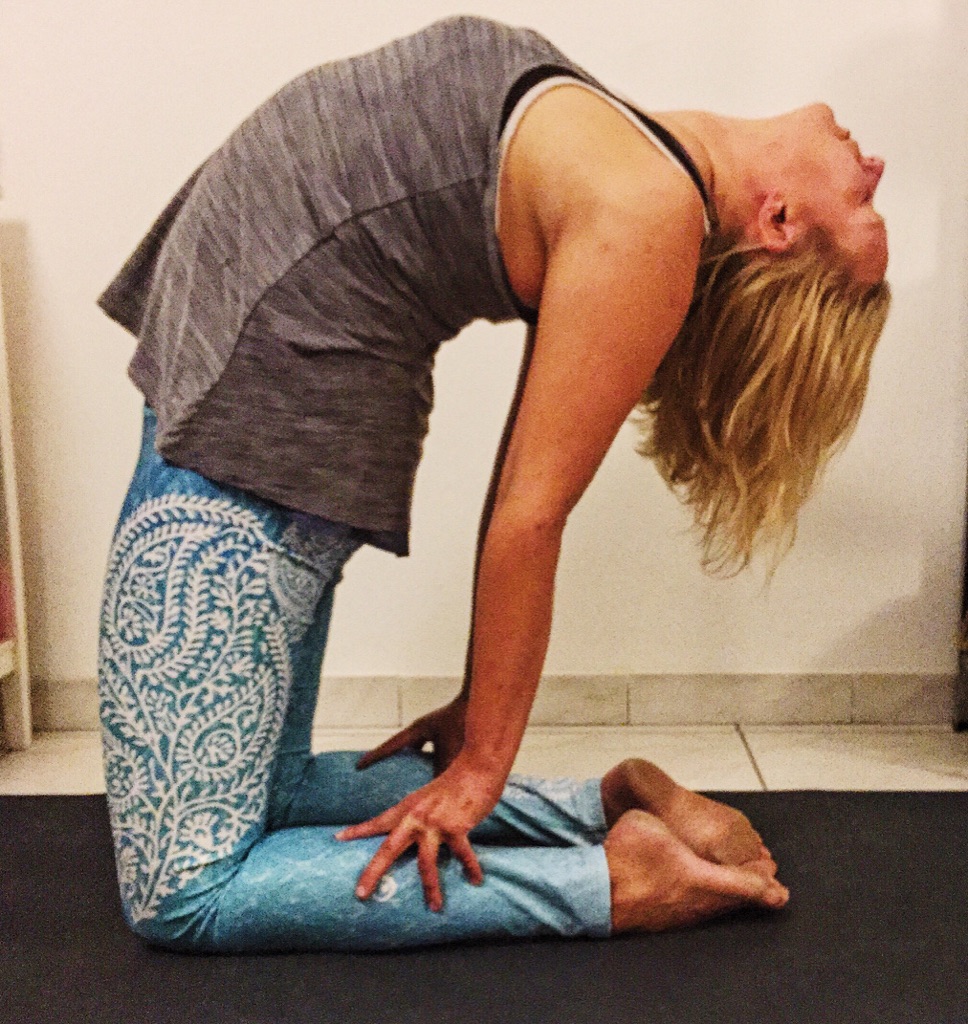
    A really grainy picture but it is the better one I have of ustrasana/camel pose // Suttunen kuva mutta tässä kameli-asanan (?) linjaukset on paremmassa kunnossa kun siinä priimakuvassa.

    Vielä muutama vuosi sitten en ajatellut että musiikki voisi olla joillekin tärkeä osa joogatuntia. Itseäni musiikki ei varsinaisesti haittaa (yleensä) ja kotona voi hyvinkin soida jotain taustalla harjoitellessani. Olen myös ollut tunneilla joissa musiikki on palvellut harjoitusta loistavasti: Drum’n’base kello seitsemältä aamulla voimakkaan Jivamukti-harjoituksen taustalla kyllä herättää päivään siinä missä pari kuppia kahviakin. Alla kuitenkin syitä miksi en tällä hetkellä soita musiikkia omilla tunneillani:

    • Se häiritsee keskittymistä. On helpompi hiljentyä ja keskittyä oman kehon tuntemuksiin kun isoin ääni salissa lähtee (ohjaajan lisäksi) omasta hengityksestä.
    • Elämä on jo muutenkin ääntä täynnä. Yleensä joka paikassa (jopa täällä maalla) on kaikenlaista taustamelua ihan tarpeeksi. Itse kaipaan usein hiljaisuutta ja haluan myös tarjota mahdollisimman hiljaisen ympäristön heille jotka tulevat harjoittelemaan kanssani.
    • Hyvän soundtrackin (puhumattakaan useamman) tekemiseen menisi varmaan hirveästi aikaa. Jos soittaisin musiikkia pitäisi sen sopia tempoltaan ja tunnelmaltaan tunnin eri osiin: Pranayama, lämmittely, pääasana… mitä sitten tunnilla tapahtuukaan. Jota ei voi aina etukäteen suunnitella. Ja mitäs sen musiikin kanssa sitten tekisi? Kuulostaa ehkä hieman täydellisyyden tavoittelulta mutta musiikki on vakava(hko) asia.
    • Musiikki on todella henkilökohtaista. Ikinä ei tiedä mitä assosioita ihmisille tulee mistäkin biisistä. Olisi kurjaa jos jostain kappaleesta tulisi jollekin mieleen ero tai joku muu ikävä muisto.

    Mitäs mieltä te olette: musiikkia joogan taustalla vai ei?

    img_4899
    Music during yoga class is a bit like wall stickers: Not everybody’s cup of tea. (I am still on the fence re: stickers. And did Mark Twain REALLY say those words in that order?) // Musiikki joogatunnilla on vähän kuin seinäkoristetarrat: kaikki ei tykkää. Itse en ole vielä päättänyt mitä mieltä olen tarroista, lähinnä tässä mietityttää että sanoiko Mark Twain todellakin juuri nuo sanat juuri tuossa järjestyksessä.


  • About Yoga Mats

    About Yoga Mats

    To practise yoga, you really do not need anything else but the willingness to be present in the now and the yoga mat as we know it is a rather new Western invention. However it can bring a new aspect to the practise by creating a space for your meditation and adding cushioning and stability for the asana.
    These days there is a wide range of mats available, and the price range can be big. Therefore I decided to write about the mats I have used in my practise so far. The things I took into consideration are their grip (or slippiness), general durability, weight (important to those who travel or carry the mats with them a lot), cushioning and eco-friendliness. All my mats have measured more or less 185 x 61 centimetres although there are longer and wider mats available too.

    The Basic Mat

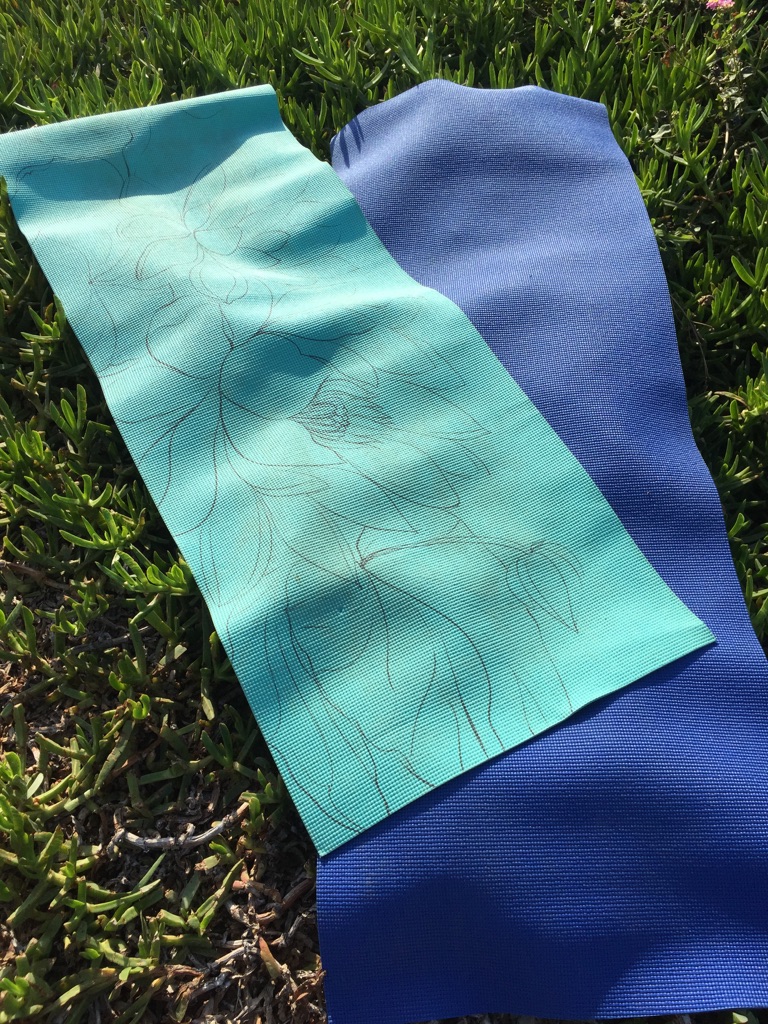
    What I call the Basic Mat is the mat that is the usually the cheapest one you can find. They all have more or less the same specs: Made of PVC (sometimes EVA, which is a lighter material), 2-5 millimetres thick and usually having a foamy ”grid” type of surface. You might want to buy the basic mat if you are new to yoga and not sure yet how much you can to commit to it. On the plus side these type of mats usually offer reasonable cushioning (if you have sore knees for example, go for a thicker mat) and they are easy to clean as both PVC and EVA are waterproof materials. At the same time they not the most durable ones, and tend to start shedding small pieces of plastic with the friction/elements the more you use them. They can also get slippy quite easily, especially if go to sweaty classes.

    img_4601
    The Basic Mat. You see what I mean with the “grid”? The green one is from Lidl, the blue one I do not know. I call it the generic mat.

    The price of the basic mat ranges usually from 10 to 30 euros, depending where you buy it and if it has some kind of brand label attached to it. I do not diss the basic mat as it will get you started just fine. If and when you have decided to commit to yoga more, here are some other mats I have used:

    Drop of Mindfulness

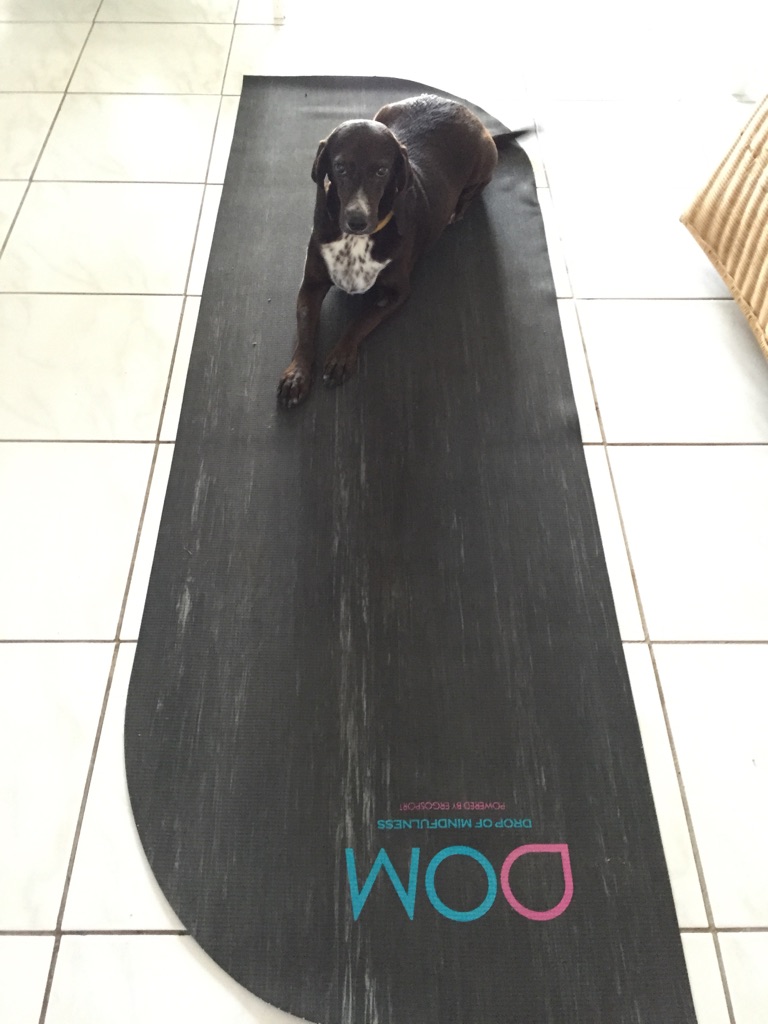
    DoM is a Swedish brand that making active wear suitable for yoga and also yoga mats. Unfortunately at the time of writing this text their website is under construction for Winter 2016 so I cannot tell if they still stock the mat I bought 4-5 years ago. This mat has however served me very well; it felt very grippy and sticky straight from the start and has kept these qualities to this day. The mat is on the thinner side (I’d guess 2-3 millimetres) so extra cushioning is sometimes needed for knees. The weight is reasonable at around 2 kilos. I recall reading that the mat is made of natural rubber but this needs to be confirmed once the website is out again, together with the retail price.

    img_7378
    “My Drop of Mindfulness mat. MINE!”

    MandukaEKO

    Manduka has a great reputation among yogis and they have several types of mats to choose from. I have the MandukaEKO (5 mm thick) which is extremely sturdy. When I stepped onto this mat after having used the DoP for years the difference was big: I need no extra cushioning needed for this mat and it does not fly away in the wind either (yes this can be an issue when teaching outside, hehe.) I have two cons for this mat though: It is heavy (over 3kg) so even if you travel with a proper suitcase, it does take a lot from the luggage allowance and it is definitely not a hand luggage item. The other thing is that it can get a little slippery, especially in sweaty conditions. The Manduka website says that this means the mat is not ”broken into” properly but I did not notice this in the beginning so not sure where the reason for this is. Nevertheless, this is a good mat and ecological choice as it is made of natural rubber with a zero waste manufacturing process. It is also 99% latex free.

    img_0137
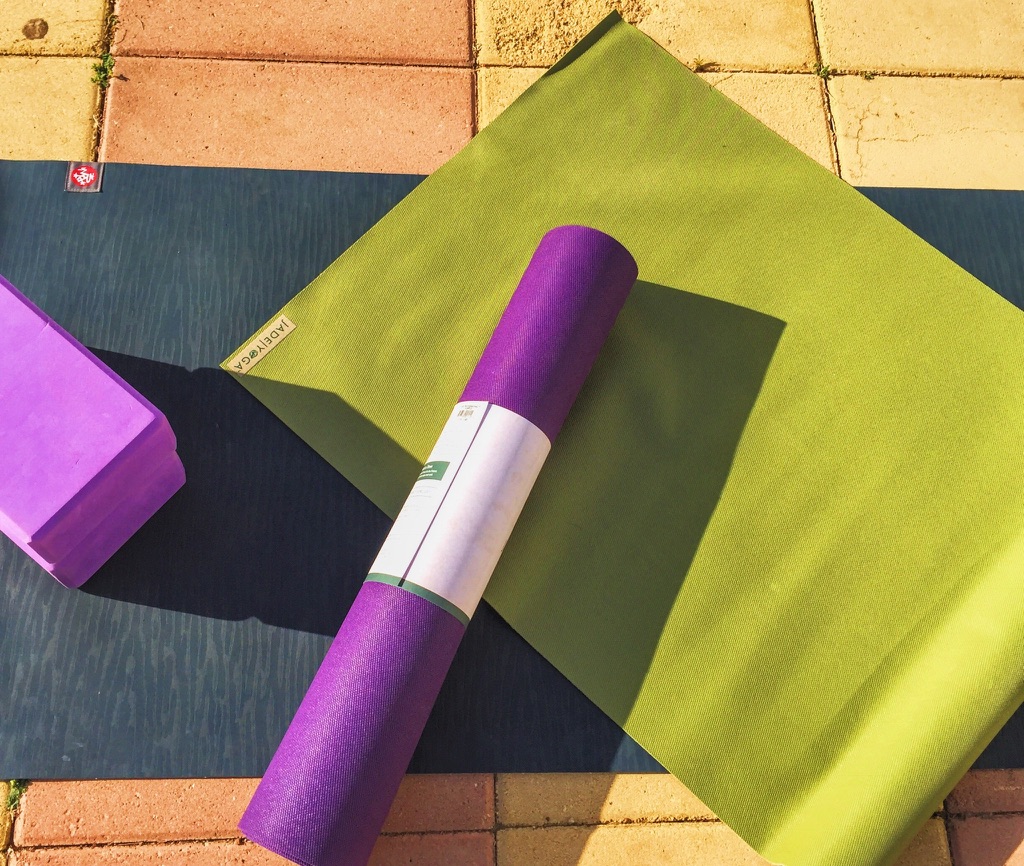
    The MandukaEKO is the blue one at the bottom, notice the different texture. The purple one is the JadeHarmony and the green is JadeVoyager. The yoga blocks are just blocks although I could say few things about those too… Maybe later.

    Jade Yoga Mats

    JadeVoyager is my latest mat. I bought it from the MindBodySpirit festival in Nicosia last weekend. I’d been looking for a travel mat for myself for ages (airline luggage restrictions again!) Also my mum had sent me a photo of an ecomat she had seen in a magazine with the comment ”they don’t tell where I can buy one!” When I bumped into the lovely ladies from the Simply Green shop in Athens and saw the JadeYoga mats it they had it was a no brainer. I got the JadeVoyager for myself: you can fold it (rather than roll, although this is preferable for maintenance) and it weights just over half a kilo. With this weight it obviously has got no cushioning but it can definitely keep your practise going on when traveling. Orm you can use it over another, less grippy mat. For my Mum I got the JadeHarmony (Merry Christmas Mum, thanks for the gift tip!) which is about the same thickness than the MandukaEko. From the first touch it feels a bit softer and a lot more stickier. This can also be due to the open cell natural rubber JadeMats use (Manduka uses closed cell natural rubber) which translates as more grip, these ones will be put to test to find out more! The JadeYoga company also has a very eco-concious production cycle and they plant a tree (over one million so far!) for every mat sold.

    img_4701
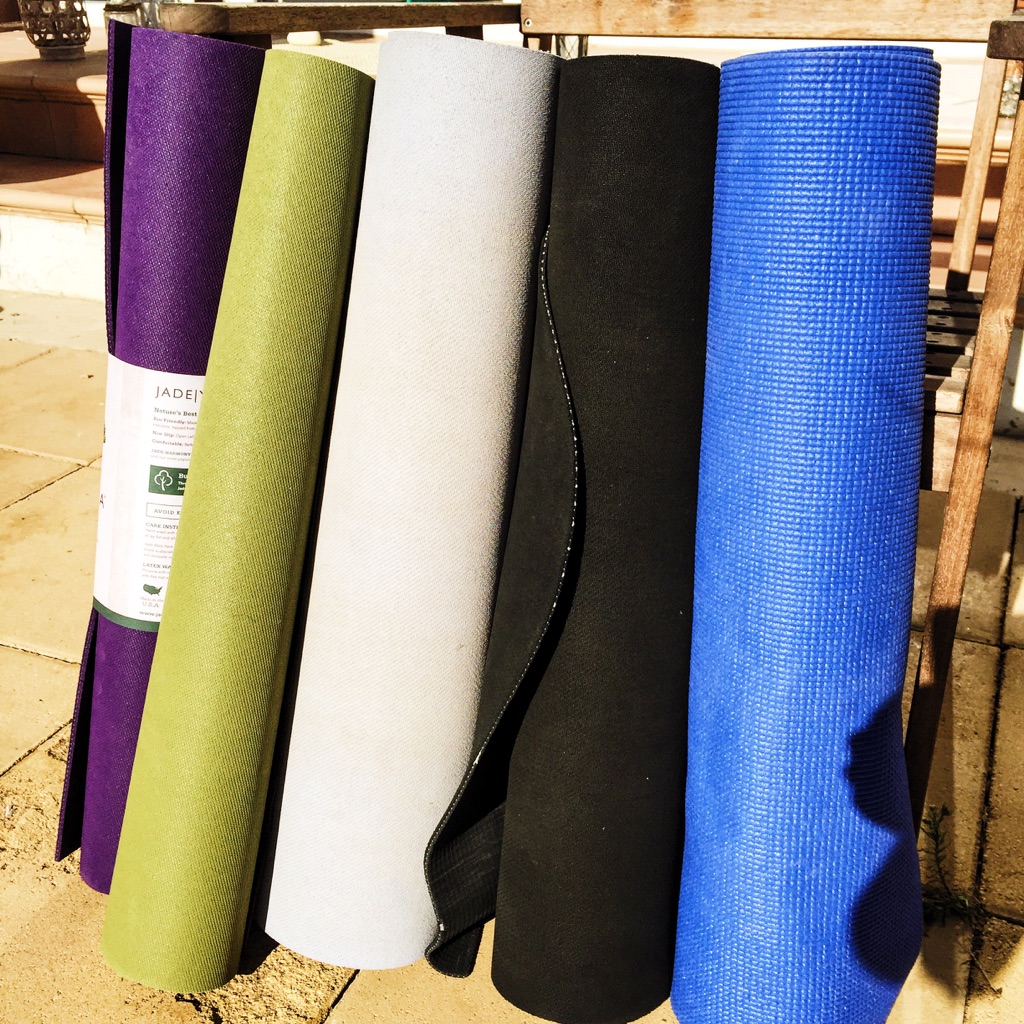
    From left to right: JadeHarmony, JadeVoyager,MandukaEko (mine is dark blue, you see the bottom side), Drop of Mindfulness and a Basic Mat in Blue.

    When talking to fellow yogis and reading reviews the JadeMats are always rated on the top with Manduka ones. They both have very similar retail prices ranging from 40 (the travel mat) to 92 (the pro and extra long mats) euros so ultimately it is up to personal preference between these two.

    Now, over to you: What is your favourite yoga mat?

    PS: If you want to read more about the history of the yoga mat check out this Yoga Journal article.