Tag: Jooga

  • How To Clean And Care For Your Yogamat Sustainably

    How To Clean And Care For Your Yogamat Sustainably

    Long gone are the days when we would walk into a yoga studio and borrow/rent a yogamat. In many countries, the new normal dictates that we must bring our own mats and props with us. With that goes the mandatory cleaning of the equipment on a regular basis. Even if you are quite not ready to join a public class (Zoom classes are definitely here to say), you do want to show some care for your hardworking yoga mat from time to time.

    I am sure many of us have just showed our yoga mats to the washing machine and be done with it. This can be done, however I do not recommend it. Why? First of all, machine wash can be a bit rough on your mat, and it can lose some of its grippiness as a result. Secondly, depending on the material and make of your mat, there might be small pieces of the mat that break away. Not great for the mat but also, not great for the pipes, nuts and bolts of your washing machine!

    With the gyms and yoga studios opening here in the UK this week (and cleaning being something we all do A LOT these days), here is how you can clean your yoga mat at home in a sustainable manner, staying kind to your washing machine and enviroment alike.

    Read below the steps to take to clean your yoga mat in an eco-friendly way

    1. Have any type of spray bottle at hand (I use an old magnesium spray bottle)
    2. Use filtered or otherwise purified water
    3. Have some white vinegar, leftover vodka (or other type of clear spirit) or lemon juice.
    4. Fill the bottle with mainly water, then add few drops of vinegar/alcohol/lemon juice in the mix (I never measure anything, but here I am talking about actual drops)
    5. Then shake the bottle well (before every cleaning), spray the mix all over the mat and wipe it dry with a clean cloth

    If there are bigger stains in the mat you can use a soft sponge to gently rub them. Be careful though as this might damage the surface of the mat! Some people recommend using mild ecological soap but be watch out with this one. Any soap residue will make your mat very slippery and we do not want that.

    Be also mindful that some mats stain easier than others (you can read about different types of yoga mats here.) For instance, whilst adding few drops of essential oil to your homemade cleaning solution can have its benefits (e.g. tea tree is naturally antibacterial, lavender has a calming smell…), they can also contribute towards staining. At the end of the day though, a stain from cleaning your mat is always better than a stain from months and years of usage.

    If there is residue water left on the surface from your cleaning, you can take you mat out to the sun to dry. Don’t leave it out for too long however, strong sun is not a friend of any yoga mat in large quantities as it makes the material more fragile.

    Store your yoga mat away when not practising

    After use it is always a good idea to roll up your yoga mat and tuck it away for the next use. I know it is tempting to leave your mat lying on the floor. However, especially if you have any furry family members (or ones with any type of sharp claws), you give longer lease of life for your mat if you store it away between practises. You might also want to think about having one mat for your home practise, and another to take with you socially distanced studio class. A good quality mat that is well cared for will last you for years, also making you an environmentally friendly yoga practitioner!

    Enjoy cleaning your mat and continue enjoying your practice!

    four yoga mats
  • Balance Festival London

    Balance Festival London

    Last weekend the 2nd edition of the Balance Festival took place at The Old Truman Brewery in  East London, just off Brick Lane. Last year it attracted 8000 visitors over 3 days and the organisers said the targer for this year was to double that.

    I cannot tell if that target was met but what I can tell you it was massive, super well organised, a bit overwhelming and a lot of fun!

    Unfortunately I did not have a chance to take part in many of the fitness and yoga classes available but there was so much else to see! I have never seen so much plant based products in my life! I wish all the best success for all the businesses that were present: I would love to see your products more prominent on the supermarkets, as well as with the independent vendors!
    Now let the pictures tell their story.


    Thank you Balance Festival for an awesome weekend! See you in 2019 I hope!


  • Joogaopettajaksi – kuinka ja missä?

    Joogaopettajaksi – kuinka ja missä?

    Useampikin ystäväni on viime aikoina kysellyt viime aikoina miten ja kuinka joogaopettajaksi kannattaa kouluttautua, ja millainen se koulutus itse asiassa on. Tässä on jutun aihe joka on pyörinyt päässäni pidempäänkin joten naputeltuani useamman kerran samat vastaukset eri ihmisille nyt on hyvä aika koota oman vinkkini yhteen tekstiin.

    Tietyillä suuntauksilla, kuten ashtangalla ja iyengar-joogalla, on omat koulutusperiaatteensa. Jos joogasuuntauden ”puhtaus” ei ole se tärkein kriteeri, valinnan varaa eri 200 tunnin koulutusten suhteen on todella paljon. Koska joogaopettajan koulutus voi olla hyvinkin hintava (= useita tuhansia euroja), kannattaa ihan ensimmäiseksi miettiä…

    …Miksi minä ylipäätänsä haluan kouluttautua joogaopettajaksi?

     Tämä voi kuulostaa tyhmältä kysymykseltä mutta on iso joukko ihmisiä jotka tekevät 200 tunnin koulutuksen ”vain” syventääkseen omaa joogatietouttaan. Ja mikäs siinä, jos aikataulut ja talous sen mahdollistavat. Voi olla kuitenkin hyvä tutkia myös muita vaihtoehtoja oman oppimisen kartuttamiseksi, koska erilaisia joogaretriittejä ja workshoppeja järjestetään Suomessa ja maailmalla ympäri vuoden. Jos haluat kokeilla kevyempää täysipäiväistä joogakokemusta ja/tai keskittyä vaikka yhteen osa-alueeseen ennen täysivaltaisempaan (ja kalliimpaan) koulutukseen sitoutumista voi tämä olla sopiva vaihtoehto. Lyhyempi kokemus on tietenkin myös hyvä tapa tutustua tietyn opettajan tyyliin, jos se ei ole ennestään tuttu.

    asanan anatomia joogaopettajakoulutus
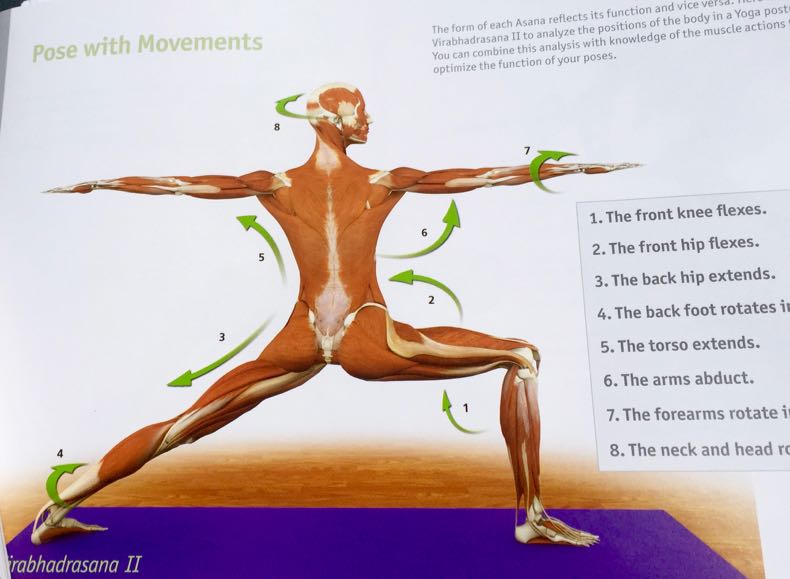
    Mitä kaikkea soturi 2 asanassa oikein tapahtuukaan?

    Jooga ei tarkoita pelkkää asana-harjoitusta…

    …ja hyvällä joogaopettajalla on ainakin perustiedot joogan kahdeksasta haarasta. Kukaan ei vaadi täydellistä sanskriitin osaamista mutta esimerkiksi joogafilosofiaan tutustumiseen kannattaa suhtautua avoimin mielin – en tunne ketään joka olisi koulutuksen jälkeen katunut esimerkiksi jooga sutriin tarkempaa tutustumista. Eri koulutukset painottavat myös eri asioita (ja hyvä niin) joten jos olet varma että anatomia kiinnostaa enemmän kuin pranayama, kannattaa kurssin tarkka sisältö ja painotus selvittää etukäteen.

    Mitä 200 tunnin koulutukseen yleensä sitten kuuluu?

    Tästä päästäänkin yhteen (länsimaisen) joogan ja joogabusineksen isoimpaan ongelmaan: Kukaan ei valvo mitä koulutuksiin pitää kuulua ja mitä niissä oikeasti tapahtuu. Yritystä valvomiseen on tapahtunut (ja tapahtuu) esimerkiksi Yoga Alliance- ja British Wheel of Yoga-kattojärjestöjen puolesta mutta pelkästään se, että näitä järjestöjä on monia kertoo missä mennään. Erilaiset logot ja kirjainyhdistelmät koulutuksen ja ohjaajien perässä tarkoittavat lähinnä sitä, että he ovat maksaneet järjestön jäsenmaksun, ja kenenkään ei tietenkään ole pakko kuulua mihinkään organisaatioon, varsinkaan jos tuntuu että siitä ei varsinaista hyötyä ole. Eli siis, siinä missä opettajankoulutusta voi vetää elinikäinen joogi jolla on mahtavat kredentiaalit ympäri maailmaa, paperilla samankuuloisen kurssin voi pistää pystyyn myös naapurin Seppo fysioterapeuttivaimonsa kanssa.

    Yksinkertaisuuden nimissä voidaan kuitenkin sanoa että useista koulutuksista löytyvät seuraavat moduulit: Fyysinen harjoittelu ja tekniikka; opetusmetodologia; anatomia ja fysiologia; joogafilosofia/etiikka/elämäntapa ja käytännön (opetus) harjoittelu. Kuinka paljon mitäkin aluetta painotetaan on paljon opettajasta/koulutussuunnasta kiinni joten eri koulutuksia kannattaa vertailla saadakseen hyvän kuvan siitä mitä on tarjolla (ja kuka opettaa mitäkin.) Ryhmäopiskelun ja opetuksen lisäksi kurssiin voi kuulua ”pakollinen” oma harjoittelu (omani vaati 20 kertaa saman opettajankoulutuksen käyneiden opettajien tunneilla käymistä, näiltä tunneilta piti saada vetäjän allekirjoitus todisteena) ja kirjallisia tehtäviä esseiden ja tuntisuunnitelmien laatimisen muodossa. Jälkimmäisiin meni itselläni ainakin helposti tunteja, tosin jämähdin aina lukemaan aiheesta ja varsinkin sen vierestä varsin laajasti.

    Joogaopettajakoulutus kirjat
    I really have read all of these. Few times.

    Mielestäni hyvään opettajankoulutukseen kuuluu myös itse opettamisen harjoittelu (practicum.) On eri asia olla ahkera ja ”hyvä” joogi kuin hyvä joogan opettaja ja kuten kaikissa asioissa, mitä enemmän asiaa harjoittelee (ja ottaa avoimesti palautteen vastaan) sitä paremmaksi siinä tulee.

    Intensiivisesti vai ei, kotona vai ulkomailla?

    Aika ja kieli voivat asettaa tälle omat rajoitteensa, mutta joogaopettajaksi on mahdollista opiskella todella monenlaisessa muodossa. Intensiivikurssit voivat kestää 21-28 päivää, kursseja löytyy myös modulaarisessa muodossa, osa yhdistelee viikon intensiivejä ja viikonlopun kestäviä jaksoja… Oma koulutukseni kesti kuutisen kuukautta jona aikana tapasimme joka toinen viikonloppu, aina 9-10 tuntia kerrallaan. Itselleni tämä sopi oikein hyvin koska se mahdollisti myös muun elämän ylläpitämisen, työssä käymisen ja antoi kunnolla aikaa keskittyä kirjallisiin tehtäviin. En ole varma onko pääni edes tehty pitkäaikaista intensiivikurssia varten, vaikka se tavallaan kyllä myös kiehtoo. Ehkä jonain päivänä…

    Mietittävää ja tutkittavaa siis löytyy kaikille joogaopettajakoulutuksesta kiinnostuneille ja jos hyviä vaihtoehtoja on useampia kannattaa tietenkin kuunnella omaa sisintään: mistä kurssista tulee se fiilis joka vetää eniten puoleensa?

    Millaista joogaopettajakurssia te olette ajatelleet tai jo tehneet, mikä kurssissa vetää/veti puoleensa ja vastasiko se odotuksia? Kommentoi alla jos haluat jakaa omia kokemuksia ja/tai sinulla on jotain kysyttävää.

    SUP Joogaopettaja
    Kovaääninenkin joogaopettaja voi tarvita mikrofonia.

    Tallenna

  • The Open Yoga Day Cyprus 2017

    The Open Yoga Day Cyprus 2017

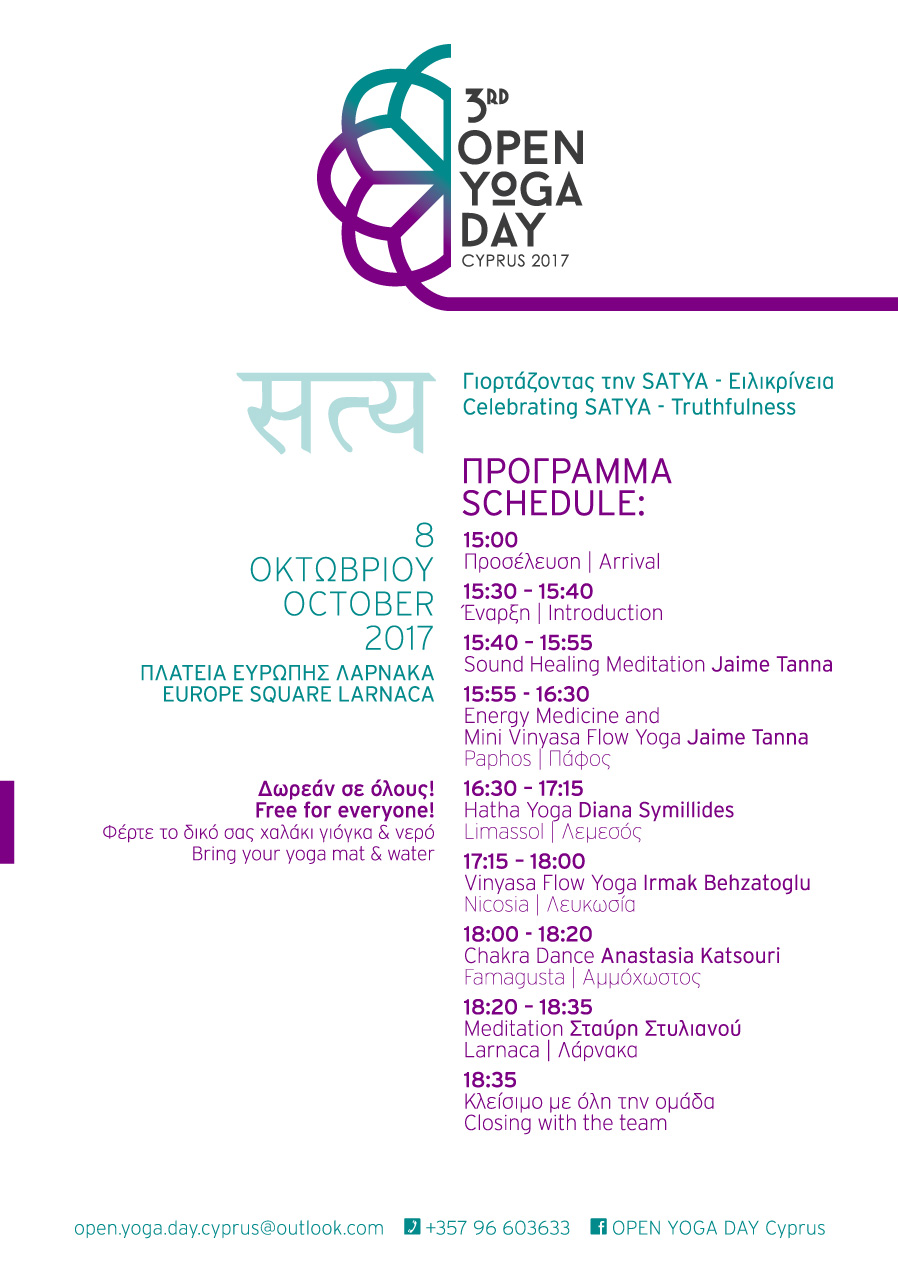
    The Third Open Yoga Day Cyprus is coming up on the 8th October, hosted this time in Larnaca, under the theme of Satya, truthfulness. To learn more about this free & open for all event I sat down with two of the organisers, Mayka Sabova and Marilena Shyama Shakti, for a chat.

    This is the third year this event is being held in Cyprus. Where did the initial idea for the Open Yoga Day Cyprus come from and who are the people behind it?

    Inspired by similar events around the world, the Open Yoga Day Cyprus was founded by Marilena in 2015. There are many community events in other countries that offer various kinds of free services to citizens. The main principle of these types of events is to find enthusiastic and like-minded people who are willing to offer selflessly to others, without expecting a tangible reward in exchange.

    These days it can be rare to find people who have the ability to offer selflessly, people who are committed, loyal and driven to dedicate their free time and energy for creating something for others. Yet these are the qualities of the people behind the OYDC. We share passion for yoga and we aim at bringing it to as many people as possible. Alongside our founder, we are a small group of volunteers (mostly yoga teachers and practitioners), who share the common vision and are willing to walk an extra mile for the benefits of others. We operate with the support of local municipalities and every year we have few private sponsors and supporters who offer financial or other assistance.

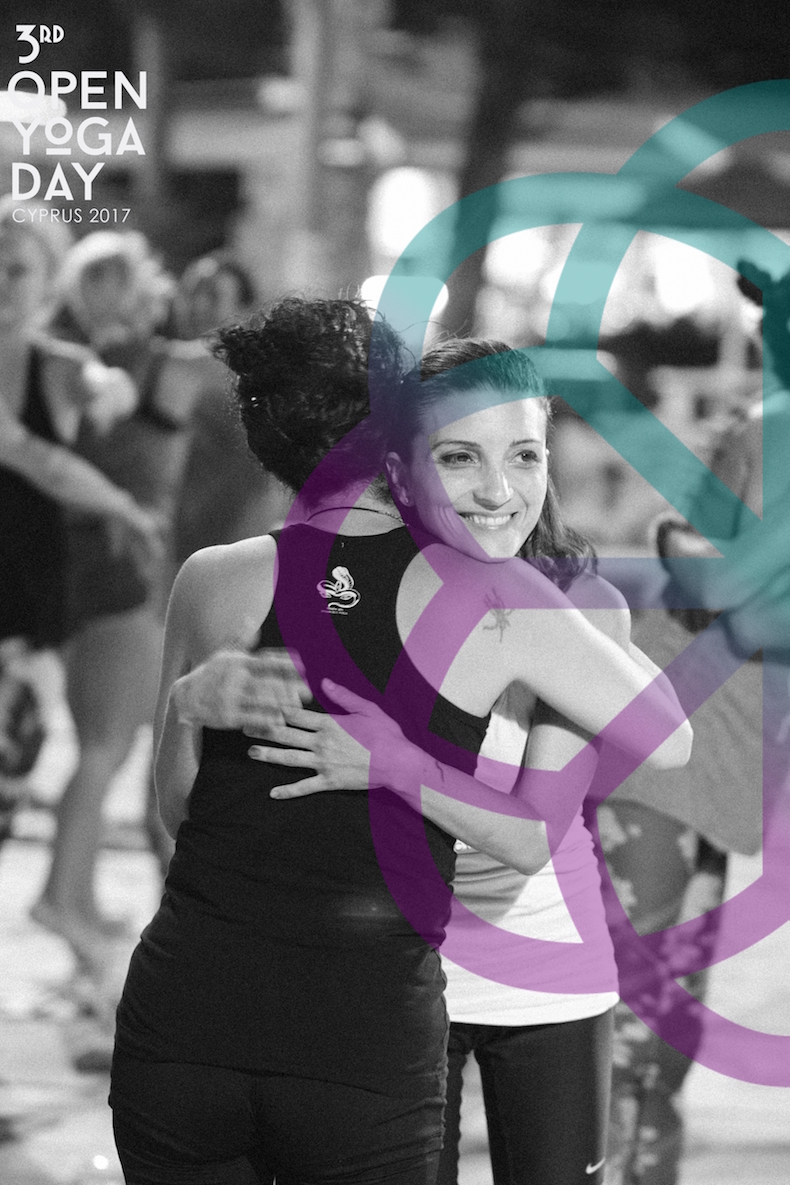
    Yoga Hug

    In addition to fostering a community spirit and sharing the passion for yoga, what is the main message you wish to promote with the Open Yoga Day Cyprus?

    Our vision is to promote wellbeing through yoga, while contributing in building healthy communities. The more people practice yoga, the better our society can become. We want to offer an opportunity to everyone, regardless their level of physical fitness, age or familiarity with the practice, to try yoga, enjoy the outdoor group practice and cultivate the sense of belonging and unity. The world has become more and more selfish with people focused strictly on their own lives without considering the others. With this even we want to encourage people to interact. In this sense, we use yoga as a tool for social interaction, while spreading the message of selfless giving, togetherness, sharing, love and unity.

    These are also the reasons why the event is organized every year in a different location across the island. This way, the people already familiar with the event mix with newcomers and the message can reach more people.

    This is the third time the Open Yoga Day Cyprus is taking place. Have you noticed any changes in the yoga community in Cyprus during this time, and has that influenced how you are setting up the event this year? 

    We noticed that more and more people have started practicing yoga over the recent years, and more and more of them have become yoga instructors too. This has not influenced the way we planned our 3rd edition, but it will influence the future events to come. For instance, we would like to bring new instructors closer to the more experienced ones, as well as the new approaches of teaching yoga with traditional ones. In yoga we learn to go with the flow so we try to go with the flow of changes, the evolution of the yogi community and most importantly, with the flow of people so we can all open up, learn, feel and grow further.

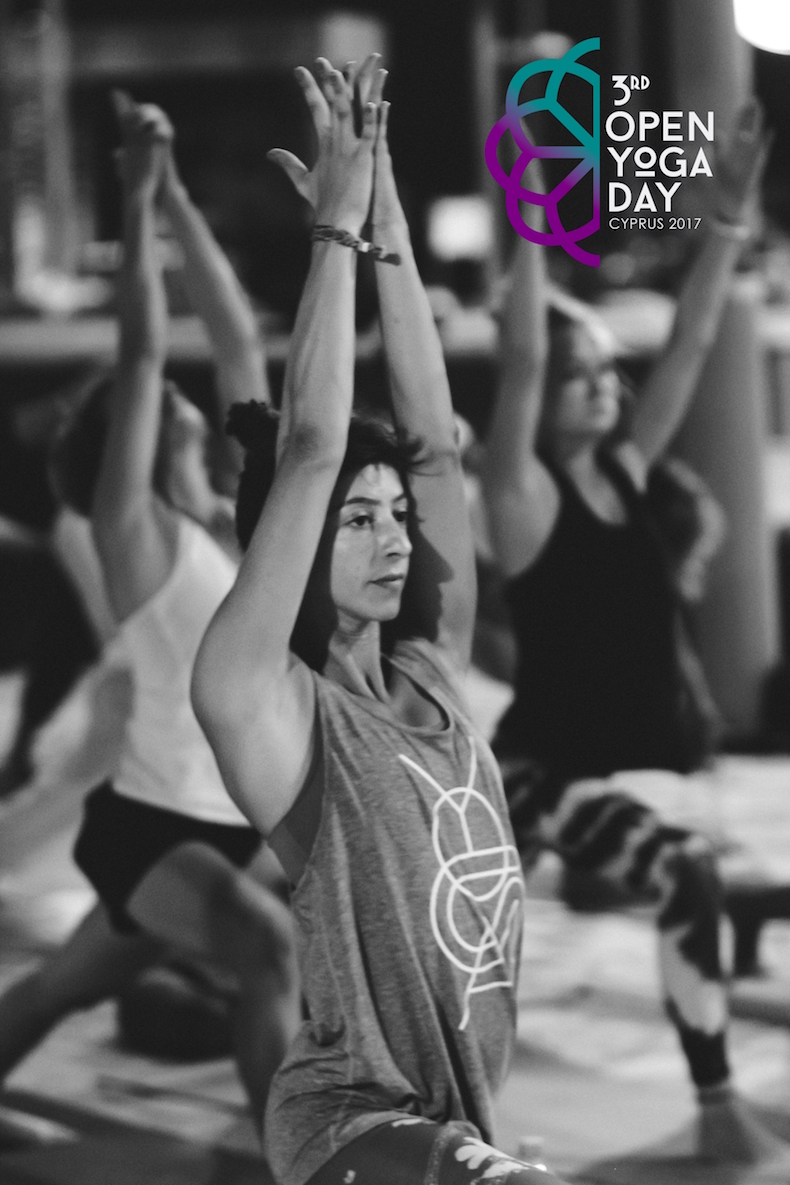
    Black and white sun salutation

    How did you choose Satya, truthfulness, as the theme for this year?

    Every edition of the event has a set intention. The power of collective intention is immense and when we do things, whatever they are, with an intention, we deepen the purpose of any activity. This year our intention is Satya, truthfulness. Satya was chosen by the founder of OYDC, Marilena Shyama Shakti, as the theme of this year’s event after she went through the gift of being pregnant and giving birth. For her, the experience of giving birth to a new life was so true and real and, of course, deeply personal, with truthfulness present in every moment. Whether it was the eye contact, reactions or the sounds of the baby, all of these profoundly impressed Marilena, as it made her realize that human beings are born so pure and it is our duty to preserve the ability to stay innocent and true to ourselves.

    I don’t want to get ahead of things as this years’ event is still ahead of us, taking place on the 8th October, but can you already talk a little bit about your future plans?

    We wish to bring yoga community in Cyprus closer together by encouraging those who share our values to offer their services and contribute in any way they can. For this purpose we would like to boost our reputation as a non-profit initiative through the annual event, and perhaps with even more events in the near future. We promote yoga, which indirectly benefits all yoga teachers across the island as we create potential audience for them. Therefore, we would like yoga teachers and instructors to bond and cooperate through our events in order to create an effective and efficient yoga hub.

    We are also collecting data about yoga instructors and centres across the island, with a vision to create a central online yoga platform with directories and many other features. Everyone who wishes to give something back to the community and is ready to offer selflessly can reach out to us and contribute with their talent, skill or service.

    Thank you very much for your time Marilena and Mayka – I am sure this years event in Larnaca will be even bigger than the events of the past two years. I’ll see you in Larnaca on the 8th October!

    Click here for the Open Yoga Day Cyprus’s Facebook page and check out the programme of the below. The event is open and free for everybody but you are requested to bring your own mat and something to drink.

    Cyprus Yoga Day Programme

    Tallenna

    Tallenna

  • Kuka omistaa joogan?

    Kuka omistaa joogan?

    Joogan suosion kasvaessa se saa jatkuvasti uudenlaisia muotoja. Jotkut niistä saaattavat tuntua hyvinkin kauaksi jalostetuilta versioilta siitä joogasta josta Patanjali kirjoittaa noin 5000 vuotta sitten kirjoitetuissa sutrissaan. Ja mitä mieltä olet joogakilpailuista? Niin absurdilta kun sanat ”jooga” ja ”kilpailu” kuulostavat samassa lauseessa, näitä kilpailuja järjestetään useissa eri maissa jo useamman vuoden ajan.

    Kirjoitin joogakilpailusta laajemmin englanniksi jutussa jonka voit lukea täältä. Joogakilpailuista ja muista joogan muodoista keskustelee myös Al Jazeeran toimittaja Bhanu Bhatnagar vuonna 2014 ilmestyneessä dokumentissaan ”Who Owns Yoga?” – Kuka omistaa joogan? 50 minuutin aikana Bhatnagar käy lävitse eri joogailmiöitä ja haastattelee eri tyylien joogaopettajia ympäri maailmaa. Vuoronsa saavat joogakilpailijoiden lisäksi kristillisen joogan opettaja, nyrkkeilyjooga, Sri Dharma Mittra, muutama intialainen guru ja moni muu. Suosittelen dokumentin katselemista kaikille jotka ovat kiinnostuneet joogasta ja siitä mitä se edustaa eri ihmisille.

    Mielenkiintoisen artikkelin joka pohdiskelee näitä samoja asioita suomeksi löytyy myös täältä.


  • Joogaa Troodos-vuoristossa

    Joogaa Troodos-vuoristossa

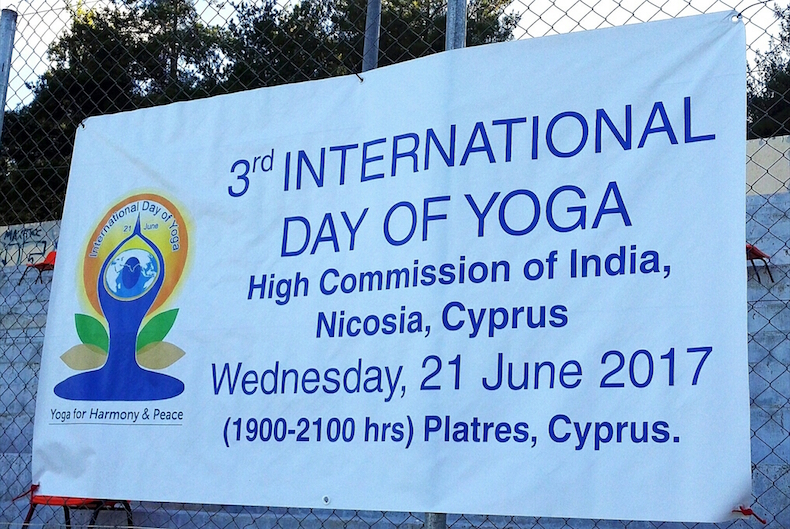
    YKn julistamaa kansainvälistä joogapäivää on vietetty vuonna 2015 lähtien 21. kesäkuuta. Aloitteen joogapäivän julistamiseksi teki Intian pääministeri Narendra Modi joulukuussa 2014 ja se hyväksyttiin YKn yleiskokouksessa melko yksimielisesti. Joogapäivän tarkoitus on lisätä tietoisuutta joogan hyödyistä ja siten edistää maailman väestön terveitä elintapoja. Päivää on alusta lähtien juhlittu ympäri maailmaa enemmän tai vähemmän suurissa joukkotapahtumissa. Esimerkiksi New Yorkin Times Squarella oli tänä vuonna joogaamassa yhteensä 12000 ihmistä seitsemän joogatunnin aikana.

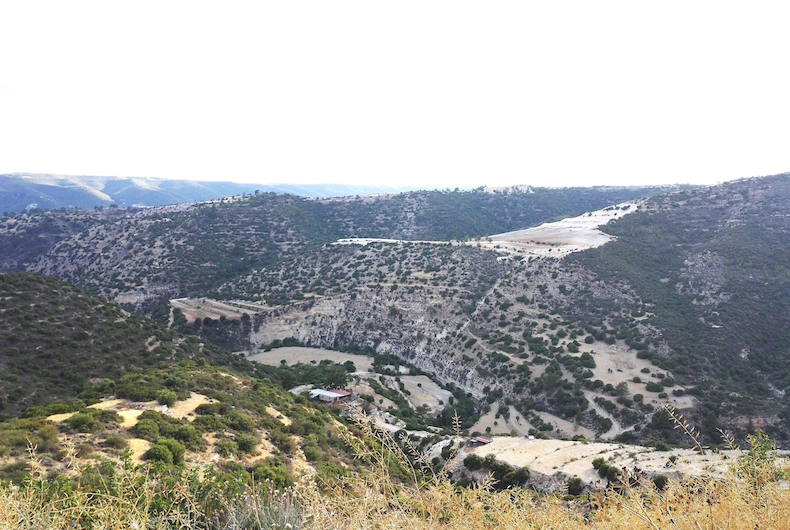
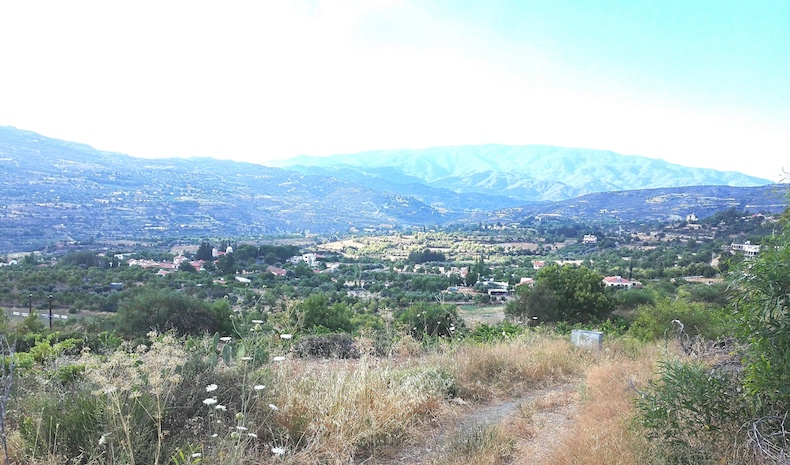
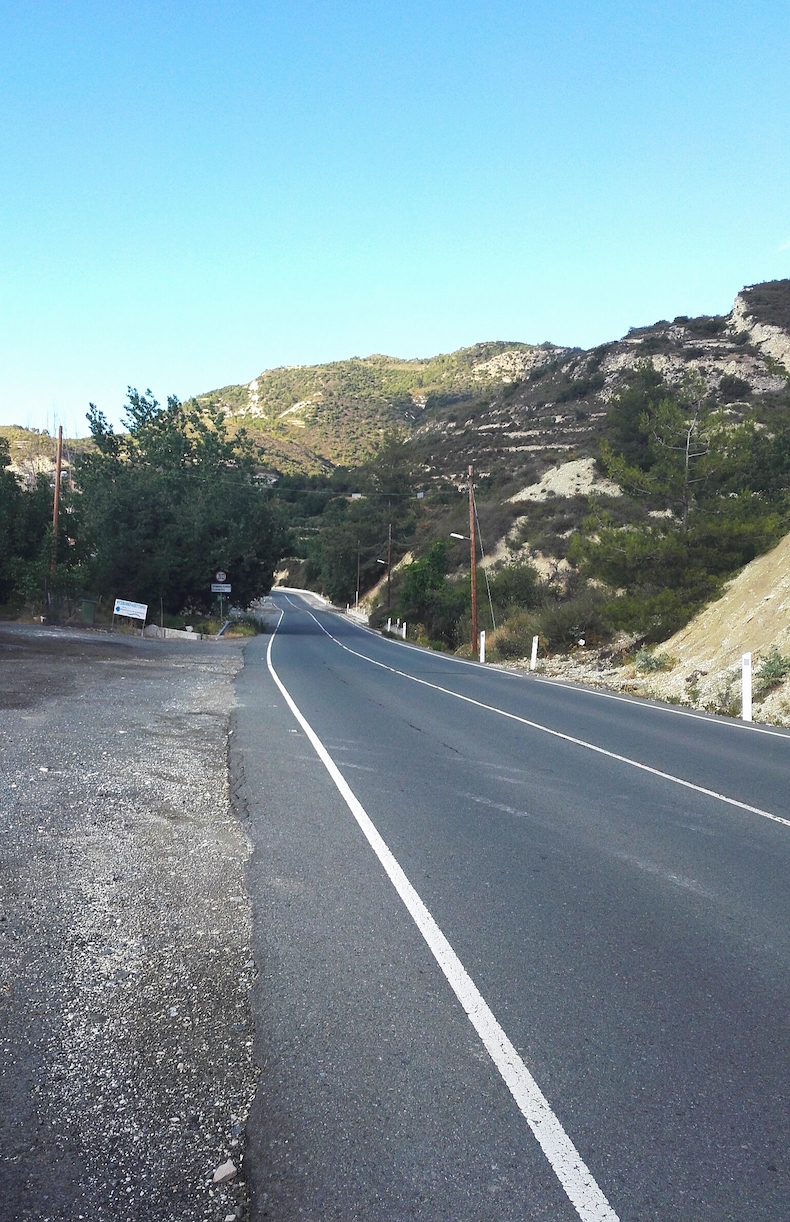
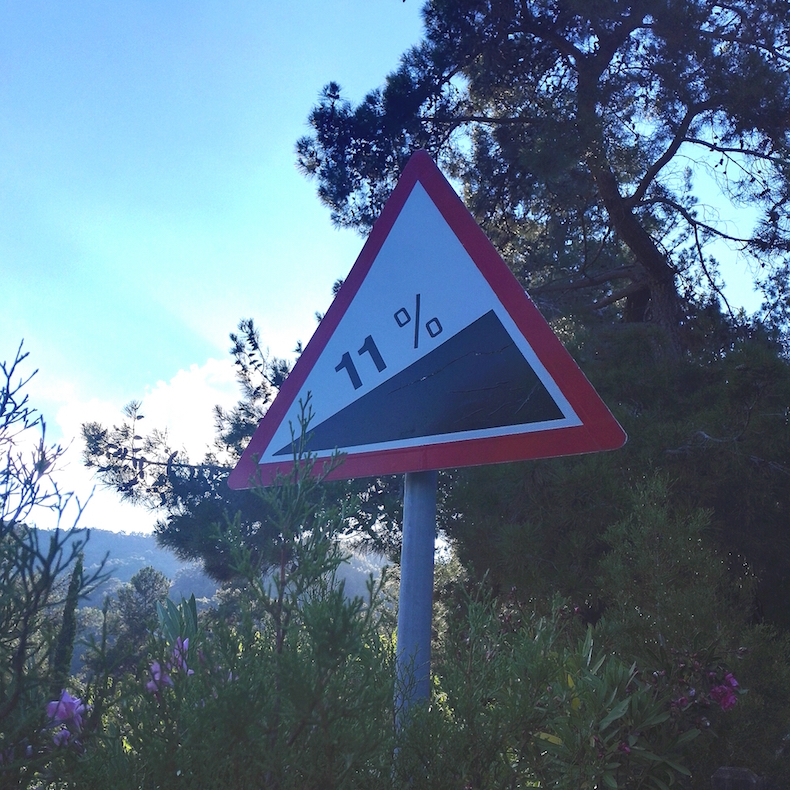
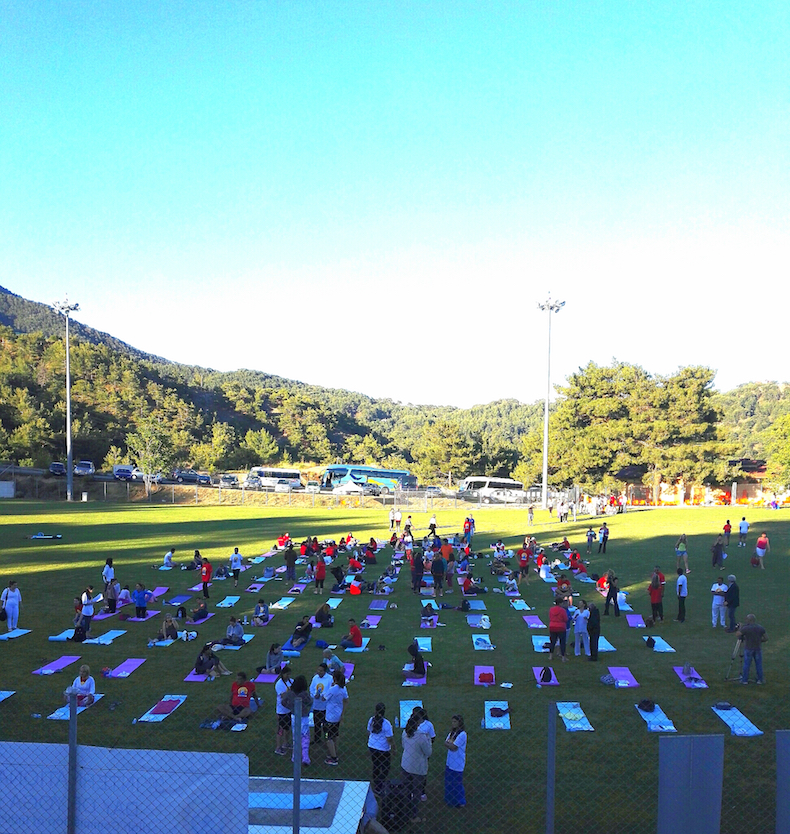
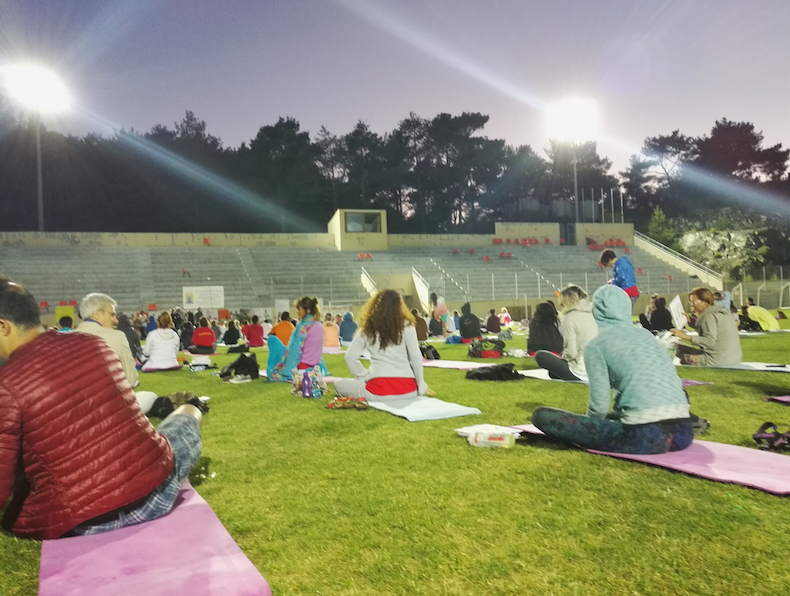
    Intian High Commission Kyproksella järjesti joogapäivän kunniaksi iltajoogan Platresin kylän urheilukeskuksen jalkapallokentällä. Platres sijaitsee lähellä Kyproksen korkeinta huippua, Olympos-vuorta, hieman yli 1000 metrin korkeudessa. Ajomatkalla sinne saa nauttia upeista maisemista, tosin kiemuraiset ja kapeat tiet pitävät huolen siitä että maisemia varten on parempi pysähtyä tienvarteen. Lämpötila vuorilla on myös yleensä noin 10 astetta viileämpää kuin rannikolla ja keskiviikko-illan +16C ja raikas (eikä yhtään kostea!) ilma oli itselleni kovin mieleen.

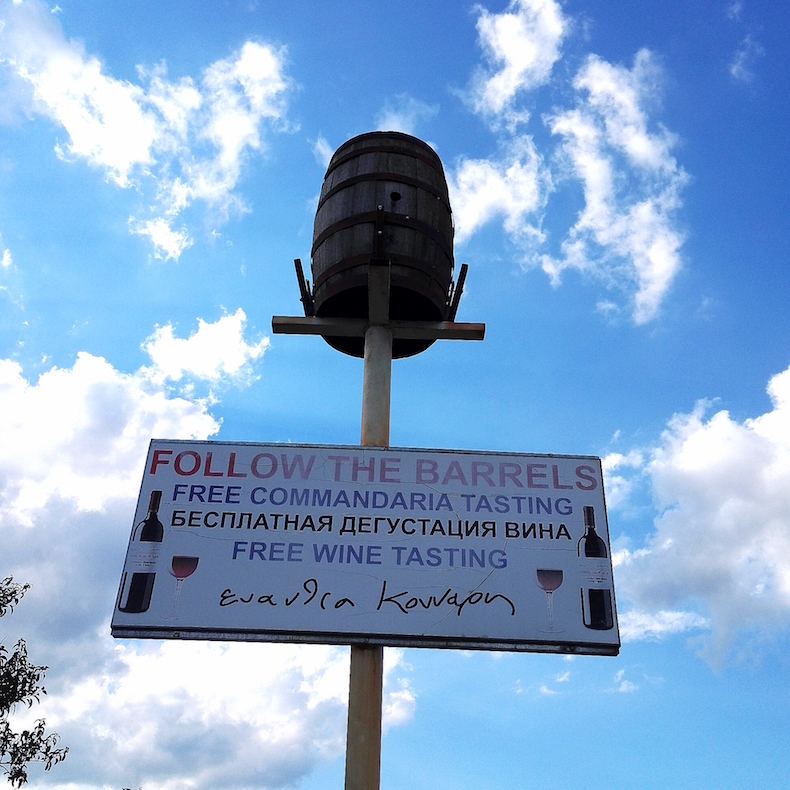
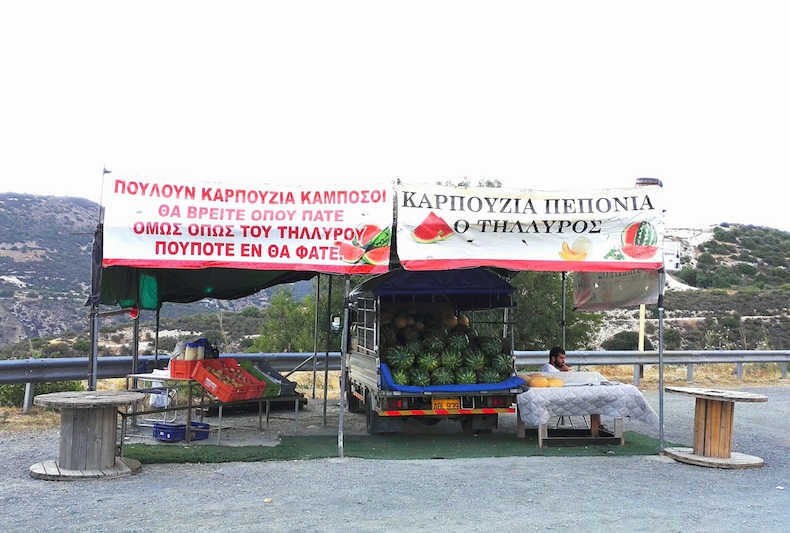
    Alla olevat kuvat kertovat ajomatkasta ja tapahtumasta paremmin.

    CommandariaSign

    Watermelons Tie

    Roadsign

    Troodos-vuoristo

    Platres Athletic Centre Yoga Event MassYoga


  • Mitä on joogaterapia?

    Mitä on joogaterapia?

    Julkaisin version tästä tekstistä vanhassa blogissani viime vuoden puolella. Joogan suosion kasvaessa on kuitenkin tärkeää ymmärtää mitä eroa eri joogilla on ja sen takia päätin julkaista joogaterapiasta hieman päivitetyn version. On kaunis ajatus että kaikki jooga on terapeuttista, mutta jos vaikeasta reumasta kärsivän vie astangasta inspiraation saaneelle vinyasa-flow tunnille, tällaiselle ihmiselle päällimmäisenä tunteena tulee varmasti olemaan turhautuminen autuuden sijasta. Mitä siis on joogaterapia?

    Joogan eduista on tehty viime vuosina useita tutkimuksia jotka ovat selvästi osoittaneet kuinka joogasta voi olla apua mm. erilaisiin kiputiloihin, ahdistukseen, unettomuuteen ja sydäntauteihin. Viime vuosina lääkärit useissa länsimaissa ovatkin alkaneet yhtä useammin suosittelemaan potilaille joogaterapiaa. Koska joogaterapia on hyvin holistista, kokonaisvaltaista, sillä on myös usein positiivisia “sivuvaikutuksia”: se voi lievittää stressiä ja auttaa erilaisissa lihasten jännitystiloissa.

    Joogaterapian ja “normaalin” joogantunnin isoin ero on siinä, että terapia lähtee yksilön tarpeesta. Vaikka ryhmätunti joogaa tekee hyvää perusterveelle ihmiselle jolla ei ole mitään erityisiä vaivoja, se ei välttämättä ole se paras vaihtoehto esimerkiksi olkapääleikkauksesta toipuvalle tai polvivaivaiselle. Joogaterapia tapahtuukin yksityisohjauksessa tai pienryhmissä. Ei ole harvinaista että täsmälleen sama diagnoosi esiintyy ja oireilee hieman eritavalla jokaisessa ihmisessä. Tämän takia paras apu näihin vaivoihin on yleensä yksilöity harjoitus.

    Joogaterapian on hyvä olla myös säännöllistä: ohjatulla tunnilla voidaan käydä vain muutama asana/harjoitus kerrallaan sillä on tärkeää että nämä pystyy suorittamaan kotonakin “puhtaasti.” Tässä mielessä joogaterapia on hieman muistuttaa fysioterapiaa. Joogasta kun on kyse kuuluu harjoitteisiin myös hengitysharjoitukset ja/tai meditaatiota. Joogaterapioita löytyy useita erilaisia koulukuntia, mm. jotkut raskausajan joogatunnit voidaan laskea kuuluvan joukkoon, kuten myös tuolijoogan tms. Kaiken joogan ja joogaterapian perustana on kuitenkin Patanjalin joogasutrissa mainittu ahimsa, ei-väkivaltaisuuden periaate.

    Joogaterapeuteille ei ole tällä hetkellä yhtenäistä koulutusta (aivan kuin ei ole joogaopettajillakaan) mutta esimerkiksi USAsta ja Iso-Britaniasta löytyvät järjestöt jotka ylläpitävät standardeja, järjestävät koulutuksia tms. Itselle sopivan ohjaajan etsimiseen kannattaa käyttää siis aikaa saadakseen hyvän kuvan heidän taustoistaan ja persoonallisuudestaan. On myös hyvä puhua aina oman lääkärin kanssa jos joogaharjoituksen sopivuus mietityttää. Näin varmistetaan turvallinen ja kaikille mielekäs harjoittelu joka myös tuottaa tuloksia.

    Aiheesta voi lukea lisää alussa mainitsemastani artikkelista englanniksi täältä.

    Tallenna

  • Yoga inspiration or yoga exploitation?

    Yoga inspiration or yoga exploitation?

    Some of you might already have seen the video starring the international yoga teacher Briohny Smith did for the US fitness chain Equinox some six years ago. At the time the clip caused quite an uproar (mainly in the US, not sure if anybody in Europe cared…) as some considered it to be portraying yoga in an overtly sexual way, not representing the “true spirit” of the practise and exploiting the practise we all love for commercial purposes.

    It is said that how we interpret the things we see reveals a lot about ourselves. We can choose to see this video as a sacrilege to an ancient practise, or we can see a beautiful asana flow that clearly has taken years of dedicated, daily work.

    It is also up to ourselves to decide if videos like this make us feel somehow less skilled or worthy practitioner of yoga, because our bakasana-to-handstand-press-to-tripod-headstand transitions (hell, any of those asanas individually, never mind the transitions!) are quite not as smooth as Briohny Smith’s. Or, if we choose to see this as an inspirational clip of what the human body is capable with focused, consistent effort.

    So, have a look and decide for yourself (and notice the impeccable aligment she has!) Do also check out the parody video below: It might say “parody” in the title but I for one think that guy must have one solid, kick ass practise going on!


  • Tiesitkö nämä joogaetiketistä?

    Tiesitkö nämä joogaetiketistä?

    Uuden harrastuksen, myös joogan, aloittaminen voi jännittää monesta eri syystä. Pidettiinpä osallistumasi tunnit sitten viimeisen päälle stailatussa joogastudiossa tai kyläkoulun jumppasalissa, on hyvä tietää muutamia kirjoittamattomia sääntöjä jotka pätevät kollektiivisissa joogaharjoituksissa ympäri maailmaa. Vaikka asana-harjoitus on yksilöllinen, yhteisessä tilassa oleminen vaatii muiden huomioon ottamista sillä näin varmistetaan miellyttävä ja kaikille turvallinen harjoitus. Monet alla olevista säännöistä ovat kuitenkin aika itsestäänselvyyksiä joten jos olet menossa ensimmäisille joogatunneillesi, muista ennen kaikkea nauttia kokemuksesta!

    Saavu paikalle ajoissa ja älä lähde tunnilta kesken pois

    Varsinkin tilassa jossa tunteja pidetään peräkanaa on paikalle syytä tulla hyvissä ajoin, sillä tunnit yleensä alkavat täsmällisesti kuten ilmoitettu. Jos joogasaliin pääsee ennen tunnin alkua voi levittää sinne maton ja keskittyä hengittämiseen ja rauhoittumiseen ennen harjoituksen alkamista. Jos jostain syystä saavut myöhässä livahda tunnille mahdollisimman huomaamattomasti (jos se on vielä mahdollista – jossain paikoissa tunnille ei päästetä jos se on jo alkanut.)

    Loppurentoutus, savasana, on tärkeä osa harjoitusta joten älä myöskään lähde pois tunnilta sen aikana. Jos jostain syystä sinun on pakko poistua paikalta ennen tunnin virallista loppua, informoi siitä opettajaa ennen tuntia ja asetu niin että voi poistua paikalta huomaamattomasti ennen loppurentoutuksen alkua.

    Pistä puhelin ja muut elektroniikka äänettömälle ja nauti hiljaisuudesta

    Tämä on varmaan se suurin itsestäänselvyys mutta mainitaanpa kuitenkin. Jos käytät kiliseviä koruja muista ottaa myös ne pois. Vaikka korut eivät itseäsi häiritsisikään, mattonaapuri voi olla eri mieltä. Ja jos puhelimesi jostain syystä jäi päälle ja alkaa soimaan tunnin aikana, älä hyvä ihminen jää tarkastelemaan kuka siellä soittelee puhumattakaan luuriin vastaamisesta. Näinkin on käynyt…

    Joogatunti voi olla myös hyvä mahdollisuus tutustua uusiin ihmisiin mutta (kovaääninen) keskustelu on syytä pitää harjoitussalin ulkopuolella. Monet haluavat käyttää ajan ennen harjoituksen alkamista hiljentymiseen, ja tunnin aikana keskustelu voi myös vaikeuttaa opetuksen seuraamista. Jos itselläsi on keskittymisvaikeuksia ei samaa ongelmaa tarvitse lähteä levittämään muillekin. Käytä hetki ajatustesi kokoamiseen, löydä hengityksesi rytmi uudestaan ja jatka joogaamista.

    Outdoor yoga

    Ole tietoinen ympäristöstäsi ja tilasta jonka otat

    Joogatunnit voivat olla tupaten täynnä joten muiden huomioon ottaminen auttaa sekä harjoituksen sujumiseen että hyvän energian luomiseen. Jos huone on aivan täynnä huomioi muut siirtämällä mattoja lähemmäksi toisiaan tarpeen mukaan, mielellään ennen kuin tarvitsee alkaa pyytelemään. Mahdollisuuksien mukaan matot kannattaa yrittää pistää lomittain niin että kaikilla on mahdollisuus nähdä opettaja – jos siis tulet saliin viimeisenä yritä olla parkkeeraamatta suoraan takana olevasi eteen. Tarkista myös etäisyys vieressä oleviin ihmisiin ja ole tietoinen tilasta jota tarvitset eri asanoita varten ettet vahingossa lätkäytä vieressä olevia harjoituksen aikana. Viimeiseksi, katso minne astut – kävelyä muiden joogamattojen ylitse pidetään yleensä epäkunnioittavana. Lopuksi muista että meillä kaikilla on hyviä ja huonoja päiviä: hymyile ystävällisesti juuri sille tyypille joka vaikuttaa sitä eniten kaipaavan.

    Puhtaus ennen kaikkea!

    Joogaharjoitus tehdään aina paljain jaloin (poikkeuksena joogaa varten tehdyt liukuesteiset varvassukat), joskin loppurentoutuksen aikana voit vetää lämmintä päällesi. Jätä kuitenkin jalkineet joogatilan ulkopuolelle ja poista sukat jalasta harjoituksen alkaessa. Jos hikoilet paljon, voit ottaa mukaasi pyyhkeen – tämä voi olla myös turvallisuuskysymys sillä jotkut joogamatot saattavat muuttua hikoilun myötä todella liukkaiksi. Jos käytät lainamattoa tarkasta onko paikalla suihkepullo tai muu puhdistusaine jolla voit pyyhkiä maton harjoituksen jälkeen, ja vie matot ja muut apuvälineet takaisin niille tarkoitetuille paikoille. Muista myös mahdolliset hajuherkkyydet – voimakkaat parfyymit tai muiden kosmetiikkatuotteiden hajut leviävät nopeasti ympäri salia.

    Kuuntele (itseäsi), kokeile eri versioita ja keskity omaan harjoitukseesi

    Joogasta voi olla apua moneen eri vaivaan mutta mikään ihmelääke se ei ole ja loukkaantumisetkin ovat mahdollisia jos yrittää pakottaa itseään asanoihin omaa kehoaan kuuntelematta. Ilmoita myös opettajalle etukäteen jos sinulla on olemassa oleva vaiva jotta hän osaa tarjota sinulle vaihtoehtoisia liikkeitä. Kukaan ei myöskään pakota sinua tekemään kaikkea: jos olo alkaa tuntumaan huonolta tai joku liike ei vain tunnu sillä hetkellä sopivalta, voit aina ottaa lepohetken omalla matollasi, hiljaisuudessa. Opettaja voi antaa ohjeita mutta kukaan muu ei ole pääsi sisällä ja sen takia omien fiiliksien kuuntelu tunnin aikana on ensisijaisen tärkeää. Jos et ole varma sopiiko jooga sinulle liikuntamuotona, keskustele aina etukäteen lääkärin kanssa.

    Vaikka olisit fyysisesti täydellisessä kunnossa, koita unohtaa harjoituksen aikana kaikki päässä olevat mielikuvat miltä kuvittelet joogan näyttävän. Usein joogasaleissa ei ole edes peilejä, ja vieruskaverisi tekee omaa harjoitustaan – on mahdotonta tietää mikä hänen taustansa ja pään sisäinen mielentila ja tuntemukset ovat joten itsensä vertailu muihin on hyödytöntä. Keskity siis itseesi, kuuntele opettajaa ja kokeile eri variaatioita löytääksesi ne, jotka tuntuvat parhailta. Kukaan ei aloita mitään uutta asiaa mestarina ja jooga ei ole tästä poikkeus.

    Jooga ei ole pelkästään fyysinen harjoitus ja sen voi ottaa mukaan elämän kaikkiin osa-alueisiin

    Joogatunteja on erilaisia ja kaikilla niistä ei käsitellä filosofisempia aspekteja ollenkaan. Jos nämä asiat kuitenkin kiinnostavat voit ensihätään lukea aiemmat postaukseni yamaoista ja niyamoista.

    Namaste


    Tallenna

  • Yoga Etiquette: Good-to-knows for new students

    Yoga Etiquette: Good-to-knows for new students

    It can be just as daunting as it is exciting to start a new activity and yoga is no exception to that. Whether you start to practise in a fancy yoga studio or at a more down to earth community centre, here’s a list of few unwritten rules that most yogis around the word follow. The physical yoga practise is individual yet collectively done and observing the yoga etiquette ensures a pleasant and respectful experience for everybody involved. It might also ease any starter nerves there might be. Most of these rules are pretty common sense though so most importantly, remember to enjoy your yoga class!

    Arrive on time and stay for the whole class

    Punctuality is always appreciated, especially in a space where there is one class after another one. However, even in a more relaxed setting please show your appreciation for the practise and respect for other participants by arriving on time. You can always roll out your mat and lie down to steady your breath and to settle in before the class starts. If you happen to run late for some reason, please enter the class discretely (if it is still possible – some studios can refuse entry if you arrive late.) It is equally appreciated that you stay for the whole class rather than pack your stuff when the relaxation starts. If you for some reason absolutely cannot stay for savasana, please inform the teacher in advance and take your place near the door so you can quietly slip out without disturbing others before the relaxation starts.

    Switch your phone off and appreciate the silence

    When you arrive to your yoga class, remember to switch off your phones, tablets and anything else that might make a noise during the class. This includes taking off any noisy necklaces or bracelets. And for heaven’s sake, if your phone rings, do not waste any time checking who is calling or even worse, answer it. Just sayin’ as it has happened…

    Yoga classes can be great places to meet like-minded people but reserve your chatting to the space outside the class as many people like to take the time before (and after) the class to meditate or to enjoy the relaxed feeling. Keeping noise and chatter to the minimum during the class is also a question of safety as people will need to be able to stay focused and concentrate on (and hear!) the instructions given. After all, you want to be respectful of the environment, the teacher and the people around you, as well as preserve the energy of the class.

    Be aware of the space you take and of that around you

    If there is enough room in the room your yoga class takes place it is common courtesy to stagger your mats so that people behind you can see the teacher. Check also that you are not likely to hit the person on your left and right if spreading your arms to your side. If the class is packed, make room to those joining the class after you by moving your mats closer to each other and be attentive with your asanas. Be also mindful of your steps: do your best to avoid walking on other people’s yoga mats. Finally, we all have good days and bad days. Do not throw your stuff around but equally, offer your quiet smile to those who seem to need it.

    Keep it clean!

    Yoga is practised barefoot although usually you are welcomed to put warm clothes on during savasana for comfort (and health!) However, the yoga etiquette would like you to leave your shoes outside the yoga space and remove your socks. Trust me, nobody cares about your feet as long as they are clean, just like the rest of you. If you are borrowing a mat please clean it if there is a product offered for that and take it (together with other props) to where they belong after the class is over. Also go easy on perfume, scented body lotions, make up etc. Sensitivity or even allergic reactions to strong scents are a real thing.

    Listen (to your body), try modifications and focus on yourself

    Whilst yoga can be massively helpful for one’s physical and mental health, it is not a miracle cure for anything and it is entirely possible to hurt oneself if not practising with care. Make sure you inform your teacher with any injuries you might have so s/he can offer suitable modifications. Also feel free to take a break during the practise (by staying on your mat) if anything gets too much. Your teacher can guide you but nobody can be inside your head so learn to listen what your body tells. If unsure about your health and yoga, please speak to your medical practitioner before starting.

    Even without any injuries, let go of any expectations of what you think your practise should look like, and never compare yourself to the person next to you or whatever you saw on Instagram the other day. Rather concentrate on the feeling, try out modifications suggested and if your mind starts wondering, do your best to bring your focus back to the practise. These things do not come easy for the majority of us but being aware of them is a good place to start. After all, it is not called yoga PRACTISE for nothing.

    Yoga is much more than the physical practise so be interested about how to integrate it to your daily life.

    Sure enough not all yoga classes include any talk about the philosophy per se but all of the points mentioned about yoga etiquette are rooted in its philosphical principles. Curious to learn more? You can start by checking out my posts about Yamas and Niyamas.

    Namaste

    Tallenna

    Tallenna

    Tallenna

    Tallenna

    Tallenna