Blog

  • Patience, Where Are Thou?

    Patience, Where Are Thou?

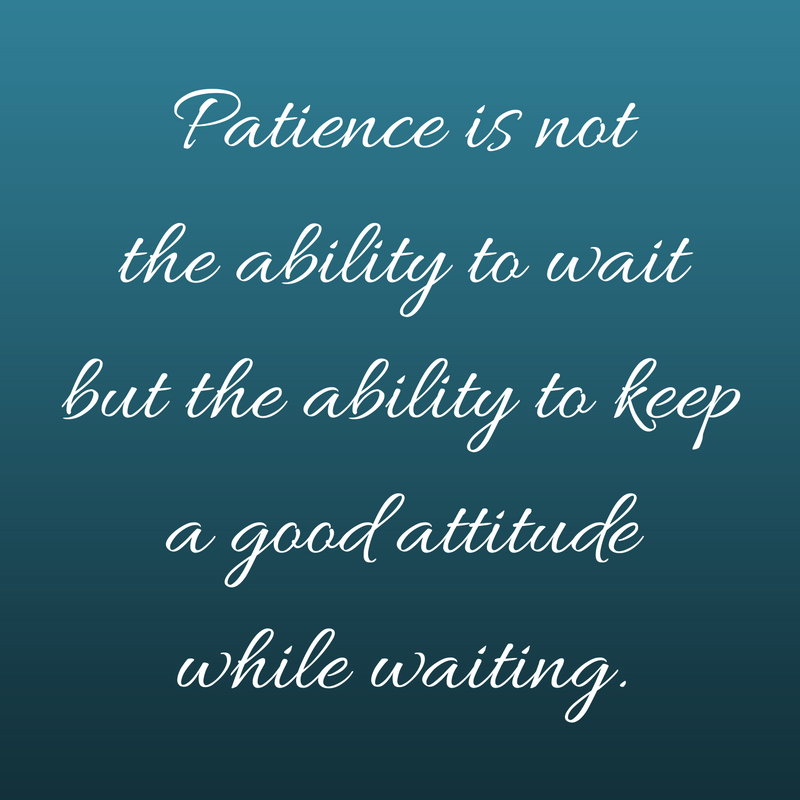
    “Patience: the capacity to accept or tolerate delay, difficulty, or annoyance without getting angry or upset.” 

    Patience can mean different things to us, and its definition can also vary depending on the situation. Usually patience has an underlying realisation that we want, need  – or lack – more self-control in situation we face. Here are few thoughts on how to map where we stand on this issue and how to work on it further.

    1. Patience as a skill to be learned. Some people are born more patient than others but we can all work on improving it. Unfortunately there are no short cuts and as with everything, progress might not be linear. The good thing is that our lives are usually not short of opportunities to practice and improve.
    2. Evaluate the current situation: It is important to understand what in your behaviour are reasonable and justified prompts to advance a situation (in a positive and constructive way) and what falls under the category of being impatient. Asking politely to speak to a manager for receiving bad service/unsatisfactory repair is usually entirely justified, demanding to see the ”one in charge” so loudly that the neighbours can hear it too, less so. Do a quick poll with those close to you to get some feedback in case you are unsure where you stand in this.
    3. Notice your triggers: Are you patient with others but get frustrated when you cannot pick up a new skill as fast as you liked? Or are you very accepting with yourself but slow traffic or screaming kids make you grit your teeth? Or are your triggers a combination of both? Start noticing what makes your blood pressure rise and see if there are any patterns that come to light.
    4. What is the worst that can happen? You are stuck in traffic, your kids/partner/friends take forever to get ready, your mail order has not yet arrived… All of these situations can most of us pretty frustrated. However, if these things are not regular occurrences, what IS the worst thing that could happen? You are not the only person who gets delayed because of traffic, and some people just need longer to get ready, for whatever reason. So what? If you however realize you have repeated situations of frustration, you have two options: Be proactive in seeking solutions or accept the situation as it is.
    5. Deep breaths: If you need, excuse yourself and walk away (or just walk away.) Find a calm corner, a fire escape or a toilet cubicle, close your eyes, relax your jaw and take deep breaths. Give yourself the time to calm down, and re-compose yourself. You are more than allowed to.
    6. Practice: Coming back to the first point, notice the moments you start becoming upset, agitated, even angry. Observe them, embrace them, try the things above. Over and over again. Try not focus on the end goal, whatever it may be for you. Instead, focus on the small things, stay mindful and enjoy the more peaceful situations that will follow.

    patience2

    Kärsivällisyyttä etsimässä…

    Kärsivällisyys voi tarkoittaa eri ihmisille eri asioita eri tilanteissa mutta usein takana on tietoisuus itsehillinnän hakemisesta, kehittämisen tarpeesta – tai sen puutteesta. Alla muutamia ajatuksia kuinka kartoittaa omaa kärsivällisyyttään ja miten sitä voi kehittää.

    Välikevennyksenä todettakoon että koitin löytää jutun kuvitukseksi suomalaista sananlaskua kärsivällisyydestä (englanniksi kun niitä löytyi pilvin pimein). Google kuitenkin sitkeästi ehdotti kärsimystä ja siihen liittyviä sanontoja. Mielestäni kyseessä ei ole kuitenkaan ihan sama asia vaikka läheltä voi joskus liipatakin. Saatte siis nyt tyytyä Roope-Setään.

    ankkaka%cc%88rsiva%cc%88llisyys

    1. Kärsivällisyys on taito jota voi opetella. Jotkut meistä syntyvät kärsivällisimpinä kuin toiset mutta kaikilla meillä on mahdollisuus opetella sitä. Valitettavasti tähän ei ole mitään ihmekonstia eikä se oppiminenkaan ole aina suoraviivaista. Positiivista kuitenkin on että elämässä ei yleensä tule pulaa mahdollisuuksista kehittää omaa kärsivällisyyttään.
    2. Tiedosta tämän hetkinen tilanne. Kärsivällisyys ei tarkoita kynnysmatoksi ryhtymistä ja aivan kaiken sietämistä. Joskus on ihan aiheellista ja tarpeenkin vaatia esimerkiksi parempaa/nopeampaa palvelua tms. Kuten monessa asiassa, tapa millä asiansa esittää on tärkeämpi kuin mikä itse asia on. Jos on vaikeaa itse määritellä omaa kärsivällisyyttään eri tilanteissa voit kysyä ystävien, kollegoiden ja vaikka lapsien mielipidettä asiasta.
    3. Mikä ärsyttää? Siedätkö toisten ihmisten erilaisia tapoja hyvinkin, mutta turhaudut itsesi kanssa? Vai oletko oma paras ystäväsi mutta hidas liikenne tai huutavat lapset saavat pinnasi heti kiristymään. Kiinnitä huomiota mitkä asiat ja/tai tilanteet saavat sinut kärsimättömäksi ja mihin pisteeseen asti. Onko tilanteiden välillä yhteneväisyyksiä? Mitä paremmin tunnet itsesi ja reaktiosi, sitä paremmin osaat ennakoida ja ohjata omaa käyttäytymistäsi.
    4. Kaatuuko maailma? Olet jumissa liikenteessä, lapset/partneri/ystävät tuntuvat hidastelevan, odottamasi asia ei saavukaan silloin kun oletit… Nämä kaikki tilanteet ovat tietenkin ärsyttäviä MUTTA. Mikä on pahinta mitä voi tapahtua vaikka asiat eivät menekään niin kuin odotit? Meistä kukaan ei istu ruuhkassa ensimmäistä tai viimeistä kertaa, ja joskus muut ihmiset ja asiat nyt vain ottavat aikansa ilman että siihen voi mitenkään vaikuttaa. Jos kuitenkin huomaat säännöllisesti löytäväsi itsesi samanlaisesta tilanteesta on vaihtoehtoja yleensä kaksi: Joko alat etsimään ratkaisuja tilanteeseen joka koettelee kärsivällisyyttäsi, tai hyväksi sen sellaisena kuin se on.
    5. Hengitä. Tiukan paikan tullen poistu tilanteesta ja kävele ensimmäiseen hiljaiseen paikkaan. Sulje silmäsi ja hengitä syvään. Anna itsellesi aikaa rauhoittua ja koota itsesi uudestaan.
    6. Kuten alussa totesin, joka päivältä yleensä löytyy tilanne jossa kärsivällisyyttä voi harjoitella. Kiinnitä huomiota tilanteisiin joissa olo alkaa tuntua levottomalta tai ärtyneeltä. Huomioi, hyväksy, yritä yllä mainittuja asioita. Aina ja uudestaan. Yritä olla keskittymättä tiettyyn lopputulokseen, keskitä sen sijaan ajatuksesi tähän hetkeen, omiin tuntemuksiin ja niiden hallintaan. Pikkuhiljaa voit huomata elämäsi muuttuvan hieman seesteisemmäksi.

    patiencechicken


  • This Week…

    This Week…

    …I took an evening flow yoga class, taught in Greek and in Russian. It’s always good to explore what’s out there. It was a nice class, with music too.

    …Finland had her 99th Independence Day. I celebrated it at a reception where I met another yoga teacher. We talked about our respective teacher trainings and how we both like a slow practise.

    …”My” Teacher Anna Zorzou is on the Island for the new YogaWorks 200 teacher training that started. I joined their 2 hour asana practise today and it was so good. I listened to Anna’s words with a complitely different awareness today than a year ago and that is the beauty of the whole practise: it works on so many different levels, just as well (even during those days when it does not feel like it.)

    The L-pose, very good on working on having your wrists right under your shoulders and working the core (watch out for the lower back not arching, it happens very easily.) It is also very good strenght building exercise and a good way to start working toward handstand.

    …It got cold enough to wear all black, all the time. I love wearing black but when you live on an Island where the sun shines pretty much all the time you cannot get away wearing it too much without looking a bit out of place (and melting in the heat.) I am definitely making the most out of this!

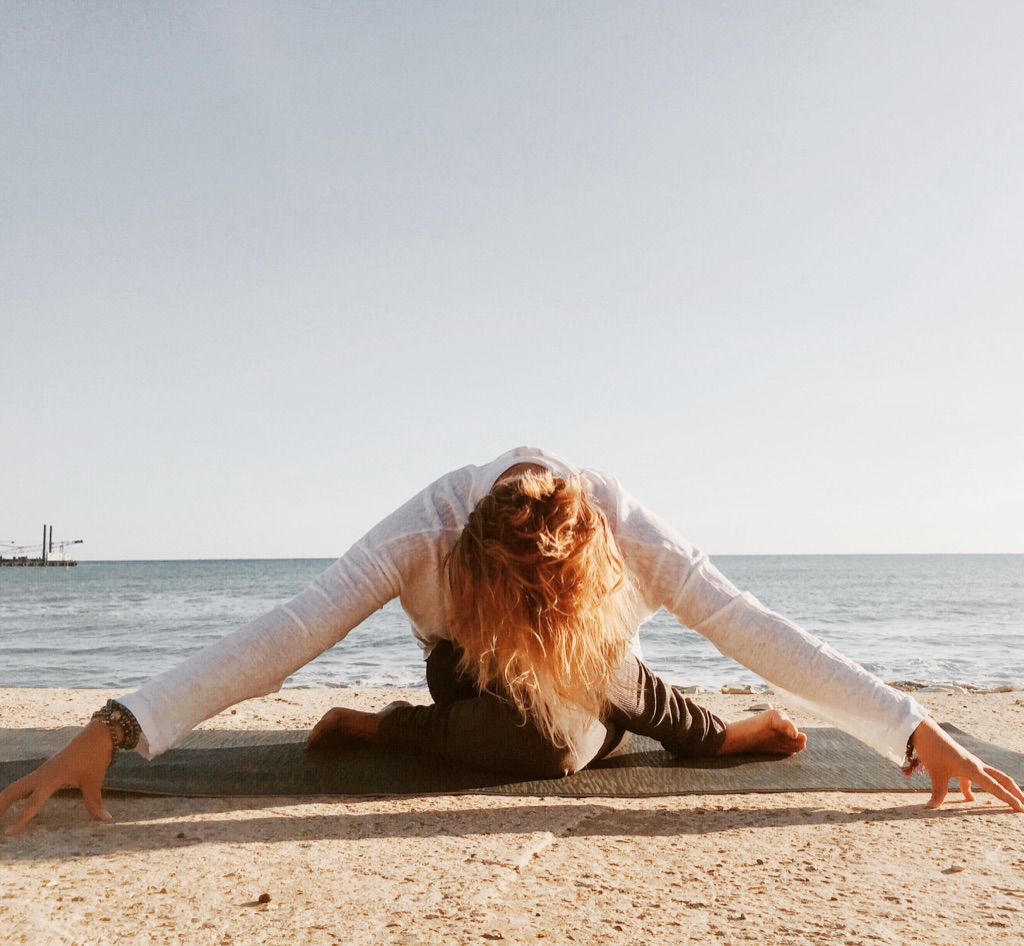
    Feeling right at home in black. The pose is the king pigeon/Eka Pada Rajakapotasana

    …I read about bullet journals and spent a LOT of time researching the concept. I have not had a proper calendar for few years (apart from the Outlook one in my ex-job…) but now it is the time to get one. The more I read about these bullet journals, the more I got into the idea. If you go on my Pinterest account I have a board for this stuff there and my very own one is ready for use as of tomorrow!

    …I also read this article about the Art of Loneliness: it is a beautifully written piece about a topic that can be familiar to many of it, especially this time of the year. Something to reflext upon.

    Tällä viikolla…

    …Kävin flow joogatunnilla. Tunti oli kreikaksi ja venäjäksi. Puhun omilla tunneillani pakon tarpeen vaatiessa myös kreikkaa englannin lisäksi ja oli hyvä kuulla että käytän  ihan oikeita fraaseja. Tunti oli hyvä, ohjaaja soitti musiikkia ja poltti suitsukkeita. Vaihtelu virkistää.

    …Oli tietenkin Itsenäisyyspäivä. Kävin lähetystön järjestämillä kekkereillä joissa oli oikein mukavaa. Tapasin myös toisen suomalaisen joogaohjaajan ja keskustelimme jooganopetusohjelmistamme ja siitä, kuinka me molemmat pidämme hitaista harjoituksista.

    …”Oma” opettajani Anna Zorzou saapui Ateenasta saarelle ja osallistuin tänään hänen tunnille/workshoppiin. Reilun kahden tunnin harjoitus oli todella hyvä, Anna on tiukka opettaja joka sopii minulle. Kuuntelin ohjausta ihan eri korvilla kuin vuosi sitten mutta tässä onkin harjoituksen hienous: sama asia/tunti voi toimia niin monella eri tasolla mutta aina yhtä hyvin (paitsi on sitten tietenkin niitä päiviä jolloin kaikki voi tuntua ihan hirveältä mutta tästä ehkä myöhemmin erikseen. Toimii se harjoitus silti.)

    L-asennon perusversiosta eteenpäin. Lantio on neliönä (ts. ylhäällä oleva jalka ei aukea sivulle eikä veny pään ylitse vaan varpaat on seinää kohti ja jalkapohja osoittaa kattoa.), ranteet edelleen olkapäiden alla ja selässä ei ole mitään turhia mutkia koska keskivartalo toimii. Tästä voi sitten ponnistaa vaikka täyteen käsilläseisontaan.

    …Saarella on vihdoinkin myös tarpeeksi kylmä että voi pukeutua kokomustaan saamatta lämpöhalvausta! Tämän ilon rinnalla ei haittaa edes se, että asunnossa ei ole lämmitystä (ei ollut edellisissäkään.) Tänään päivällä oli tosin +20C…

    …Luin bullet journaleista ja pakkohan sellainen oli itsellekin askarella. Tästä mindfulness-askaretta koko ensi vuodelle. Kun hommaan pääsee sisälle siihen ei kuulemma mene edes kauheasti aikaa ja jos tämä vähentää 5 muistikirjan kantamista niin tämä voi toimiakin. Ehkä vuodesta 2017 tulee kaikkien aikojen tehovuosi, ilman stressiä tietenkin. Hyvin suunniteltu on puoliksi tehty..? Pinterest-tililtäni löytyy oma boardinsa tälle asialle jos haluat kurkata.

    …Luin myös stressistä. Valitettavasti ei yllättänyt ja stressi ei ikää katso. Vaikka vauhdin hiljentäminen onkin usein vaikeaa siihen kannattaa satsata: jos kroppa sanoo että viikonloppuna pitää levätä sitä kannattaa kuunnella vaikka mieli tekisin ulkoilemaan/baariin/tms.

    …aurinko laski taas tänään kun ulkoilutin koiraa mustissa vaatteissa. Koiralla on heijastintakki.

    Tallenna

    Tallenna

  • Raskausajan joogasta

    Raskausajan joogasta

    Joogaa voi myös (tietyin rajoituksin) harrastaa raskauden aikana, ja se tarjoaa useita hyötyjä niiden ”normaalien” lisäksi joista olen puhunut aiemmin. Tässä pieni katsaus mitä raskausajan joogatunnilta voi odottaa.

    1. Asana-harjoitus rauhoittaa ja tuo tasapainoa sekä kirjaimellisesti kehon muuttuessa, että henkisesti.
    2. Raskausajan joogan tavoitteena on myös lisätä kokonaisvaltaista hyvinvointia ja tutustuttaa omaan kehoon ja sen voimaan. Se myös valmistaa synnyttämään erilaisten harjoitusten kautta jotka voivat vähentää kiputiloja sekä raskauden aikana että itse synnytyksessä. Jooga pyrkii myös edistämään sikiön oikeaa asentoa ja lievittämään synnytyspelkoa.
    3. Joogasta ei voi puhua ilman että mainitsee hengityksen voiman. Hengitys on olennainen osa asana-harjoitusta mutta se on myös keskeinen työkalu synnytyksessä. Raskausajan joogan pranayama-harjoituksia voi hyödyntää myös supistuksien ja synnytyksen aikana.
    4. Jooga antaa hetken rauhoittua, rentoutua sekä keskittyä itseensä ja uuteen elämään. Raskausjoogassa asanoita on usein hieman muunneltu ja ne auttavat niskan, olkapäiden ja selän jännitystilojen lievittämiseen, nivelten liitoskipuihin sekä harjoittavat lantionpohjan lihaksia.
    5. Ryhmässä tehty harjoitus samassa elämäntilanteessa olevien ihmisten kanssa ei pelkästään edistä yleistä hyvinvointia mutta antaa myös mahdollisuuden jakaa kokemuksia ja tunteita.

    Itse opiskelen perinatal-joogaopettajaksi Englantilaisen Birthlight-järjestön kautta. Koulutus käydään kahdessa osassa joiden välissä pitää kirjoittaa 11 esseetä (!), pitää yhteensä 10 yksityis-ja ryhmätuntia suunnitelmineen ja arvioineen (arvioijaksi käy esim. doula, kätilö ja tai jo valmistunut perinatal-joogaopettaja), tehdä asiaan liittyvästä kirjasta arvostelu ja käydä myös observoimassa ja raportoimassa muiden pitämiä tunteja. Vapaa-ajan ongelmat on siis ratkaistu huhtikuuhun asti.

    Tallenna

    Tallenna

    Tallenna

  • Yoga for Pregnancy

    Yoga for Pregnancy

    Yoga can be very beneficial during pregnancy for several reasons. In addition to the “general” (in the absence of a better word…) benefits I talked about earlier here, here’s a few pregnancy specific points that are interesting:

    1. An asana practise can be very grounding both physically and emotionally: It can literally improve balance as the centre of gravity of the body shifts during pregnancy. It also offers hightened mental balance during time when emotions can run on the surface more than before.
    2. Yoga develops and increases body awareness and acceptance during and through the pregnancy and labour. You can learn techniques to ease discomfort during pregnancy and labour, how to promote optimal featal position and helps to create a connection with the baby.
    3. We cannot talk about any type of yoga without mentioning the breath: Just as breath is incorporated to every asana, it is also an integral tool of childbirth. Pranayama practises learned during pregnancy yoga can be also utilised during contractions, labour and birth.
    4. Yoga offers a moment of relaxation and self-nurture, especially important during pregnancy. Yoga poses modified for pregnancy effectively relieve tension in neck, shoulders, upper and lower back, chest and hips.
    5. A group pregnancy class promotes general wellbeing and health but also offer a bonding experience with others in the same stage of life: this can be a real community building experience

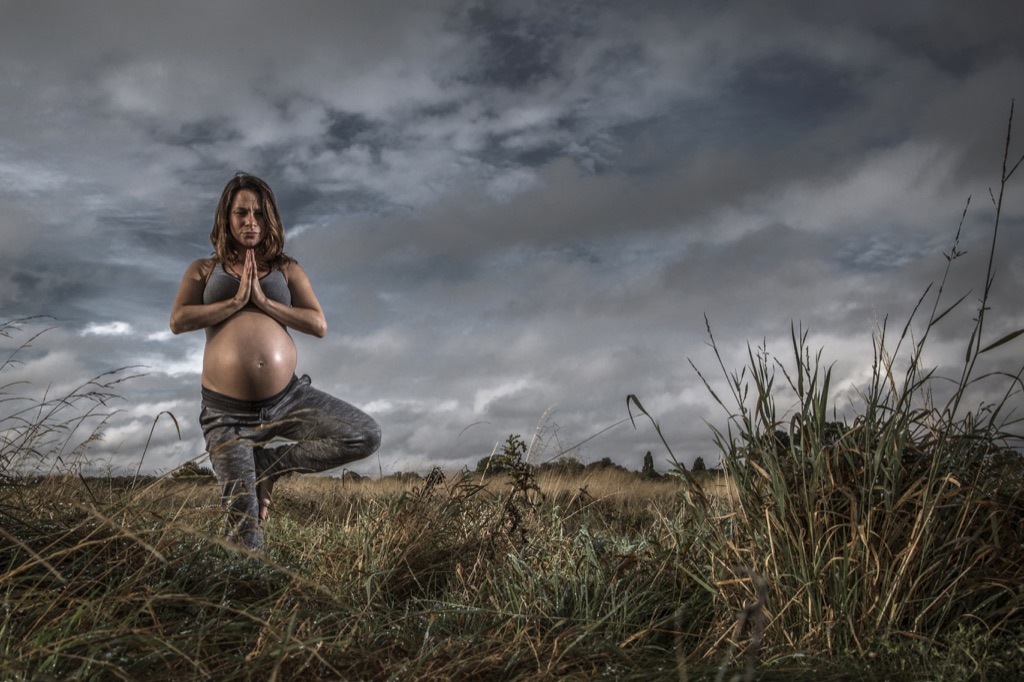
    If you are pregnant, this got you interested AND you are in the Larnaca area in Cyprus I would love to hear from you! I am currently in training to obtain the Birthlight organisation’s perinatal yoga teacher diploma, in addition to my 200 hour yoga teacher credentials. Together with my yoga teacher colleague and a coursemate Ikonia we will be starting Birthlight perinatal classes in 2017 that is fast coming up! The classes will be held at the Evi Suri Russian Ballet School in Larnaca. The exact times will be confirmed once we have an idea how many people are interested. Any questions, please do not hesitate to get in touch, we will be happy to answer!

    perinatalyogacomingup

    Photo from Yoga with Ikonia FB page.

    Featured image by Brian Tomlinson

    Tallenna

  • Music during Yoga Class: Threat or Opportunity?

    Music during Yoga Class: Threat or Opportunity?

    In all honestly up until few years ago I did not realise playing music in yoga classes was something that a) happens and b) is a preference for some. Now, I don’t mind either way. I sometimes practise at home with music on the background, and I have been to great yoga classes accompanied with well thought through music (think drum’n’base during a strong Jivamukti class at 7 am – it does wake you up!) For now I however choose not to use music in my classes and here is why: 

    • It’s a distraction. I find it easier to guide thoughts internally and focus on listening my body when the main sound I can hear is my own breath.
    • There is already so much noise in this world and in our lives. Maybe this is a Finnish thing (we like our silence A LOT) but I really crave quiet time and want to offer that to the people who come to practise with me.
    • Curating soundtracks sounds like too much work. If I was to play music I’d like it to reflect the stages of the class: pranayama, creation of heat, peak pose… whatever the order of the day is. Which cannot always be dictaded in advance. And then what? Call me perfectionist, this just shows I DO take my music very (too?) seriously.
    • Music is a very emotive matter and you never know what memories a melody can bring up in people. The last thing you want is to play a tune that reminds somebody of their horrible break up or some other bad memory…

    Over to you: music or no music during yoga class. What’s your preference and why?

    img_4901
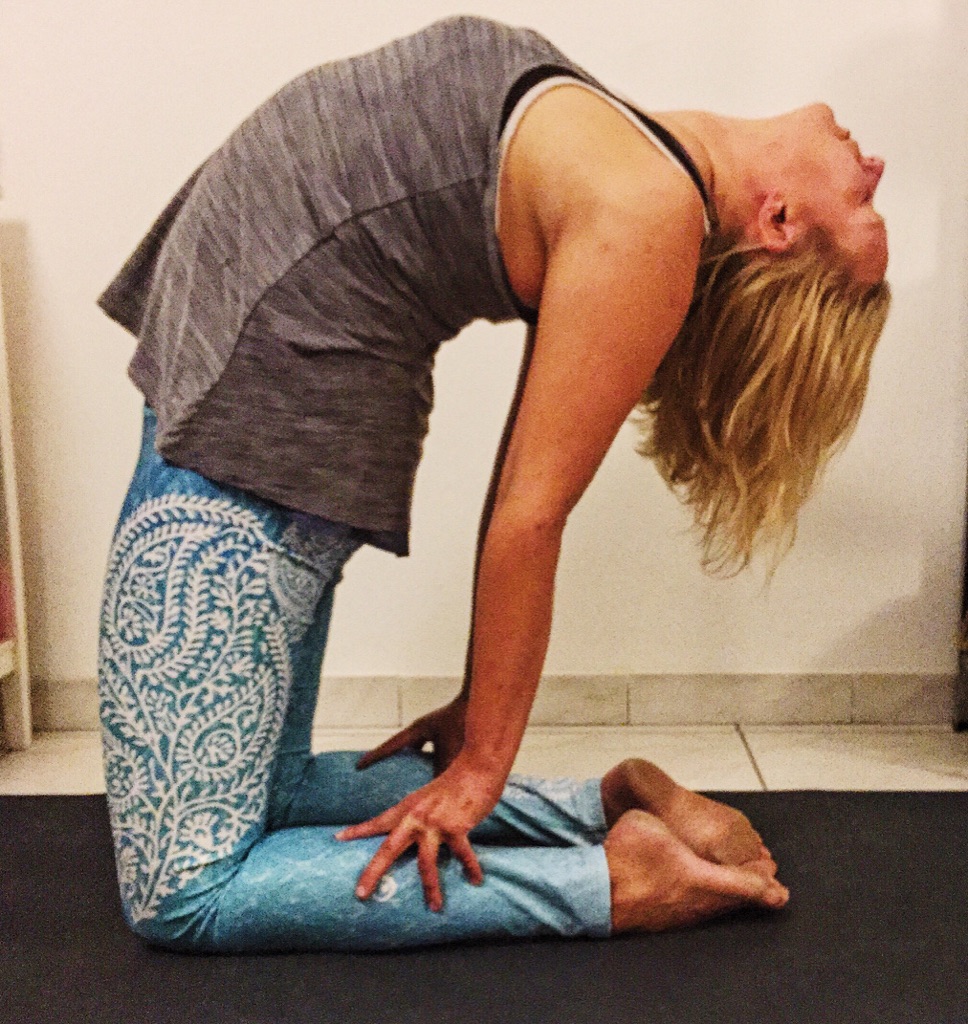
    A really grainy picture but it is the better one I have of ustrasana/camel pose // Suttunen kuva mutta tässä kameli-asanan (?) linjaukset on paremmassa kunnossa kun siinä priimakuvassa.

    Vielä muutama vuosi sitten en ajatellut että musiikki voisi olla joillekin tärkeä osa joogatuntia. Itseäni musiikki ei varsinaisesti haittaa (yleensä) ja kotona voi hyvinkin soida jotain taustalla harjoitellessani. Olen myös ollut tunneilla joissa musiikki on palvellut harjoitusta loistavasti: Drum’n’base kello seitsemältä aamulla voimakkaan Jivamukti-harjoituksen taustalla kyllä herättää päivään siinä missä pari kuppia kahviakin. Alla kuitenkin syitä miksi en tällä hetkellä soita musiikkia omilla tunneillani:

    • Se häiritsee keskittymistä. On helpompi hiljentyä ja keskittyä oman kehon tuntemuksiin kun isoin ääni salissa lähtee (ohjaajan lisäksi) omasta hengityksestä.
    • Elämä on jo muutenkin ääntä täynnä. Yleensä joka paikassa (jopa täällä maalla) on kaikenlaista taustamelua ihan tarpeeksi. Itse kaipaan usein hiljaisuutta ja haluan myös tarjota mahdollisimman hiljaisen ympäristön heille jotka tulevat harjoittelemaan kanssani.
    • Hyvän soundtrackin (puhumattakaan useamman) tekemiseen menisi varmaan hirveästi aikaa. Jos soittaisin musiikkia pitäisi sen sopia tempoltaan ja tunnelmaltaan tunnin eri osiin: Pranayama, lämmittely, pääasana… mitä sitten tunnilla tapahtuukaan. Jota ei voi aina etukäteen suunnitella. Ja mitäs sen musiikin kanssa sitten tekisi? Kuulostaa ehkä hieman täydellisyyden tavoittelulta mutta musiikki on vakava(hko) asia.
    • Musiikki on todella henkilökohtaista. Ikinä ei tiedä mitä assosioita ihmisille tulee mistäkin biisistä. Olisi kurjaa jos jostain kappaleesta tulisi jollekin mieleen ero tai joku muu ikävä muisto.

    Mitäs mieltä te olette: musiikkia joogan taustalla vai ei?

    img_4899
    Music during yoga class is a bit like wall stickers: Not everybody’s cup of tea. (I am still on the fence re: stickers. And did Mark Twain REALLY say those words in that order?) // Musiikki joogatunnilla on vähän kuin seinäkoristetarrat: kaikki ei tykkää. Itse en ole vielä päättänyt mitä mieltä olen tarroista, lähinnä tässä mietityttää että sanoiko Mark Twain todellakin juuri nuo sanat juuri tuossa järjestyksessä.


  • Joogamatoista

    Joogamatoista

    Joogamatto ei ole mikään edellytys joogan harrastamiseen mutta se voi auttaa rauhallisen tilan luomisessa ja lisätä asana-harjoituksen mukavuutta.

    Mattoja on tarjolla joka lähtöön ja niiden hinnat vaihtelevat suuresti. Tässä jutussa käyn lävitse mattoja joita olen itse käyttänyt. Mattojen ominaisuuksia arvioidessa on tärkeää ottaa huomioon niiden pito (tai liukkaus), kestävyys, paino, pehmeys ja luontoystävällisyys. Kaikki mattoni ovat olleen noin 185 x 61 cm kokoisia mutta markkinoilla on myös pidempiä ja leveämpiä mattoja.

    Perusmatto

    Perusmatto on yleensä se hyllyn halvin. Perusmatoilla on suurinpiirtein samanlaisen koostumus: Ne on tehty PVCstä (tai hieman kevyemmästä EVA-materiaalista), ne ovat 2-5 millimetriä paksuja ja niissä on usein vaahtomuovinen, neliömäinen pintarakenne. Perusmatto on sopiva ostos jos olet aloittamassa joogaharrastusta etkä ole varma kuinka paljon haluat siihen panostaa. Perusmatot tarjoavat yleensä melko hyvän pehmeyden (tärkeää jos esim. polvet kipeytyvät helposti) ja ne on helppo puhdistaa sillä sekä PVC ja EVA ovat vettä kestäviä materiaaleja. Perusmatot eivät tosin aina kestä kulutusta kovin hyvin ja niistä voi helposti lähteä pieniä palasia irti toistuvien kantapääkäännösten tai painaumien seurauksena. Perusmatto voi olla myös liukas, varsinkin jos sille pääsee hikeä.

    img_4601
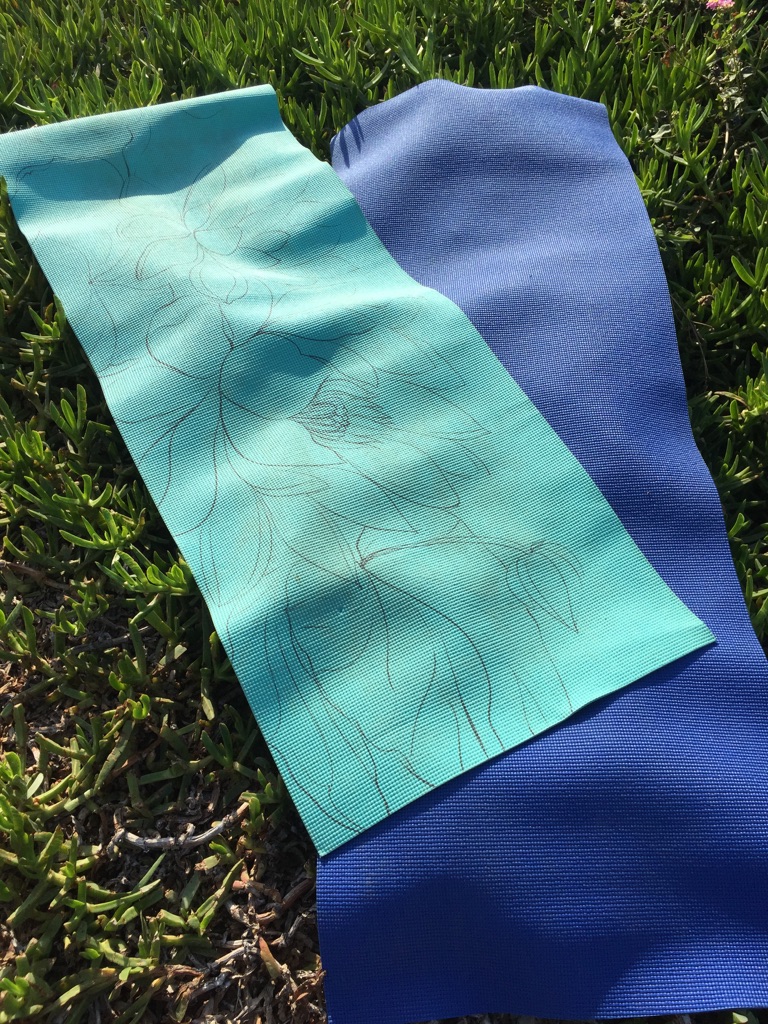
    Vihreä matto on Lidlstä, maksoi varmaan 4 euroa ja on ihan ok vaikka siihen on tullutkin muutama pinttynyt tahra. Sininen matto on mistä lie ja hieman painavampi kuin vihreä matto.


    Perusmaton hinnat ovat yleensä 10-30 euron kieppeillä, riippuen mistä sen ostaa ja onko siinä tunnetun merkin logo. Kuningaskuluttaja vertasi näitä mattoja vuonna 2015 ilmestyneessä artikkelissa joka on myös mielenkiintoista luettavaa. Perusmatto on kelpo osto ensimmäiseksi joogamatoksi. Jos mielessä on kuitenkin uuden maton osto, minulla on ollut käytössä näitä mattoja:

    Drop of Mindfulness

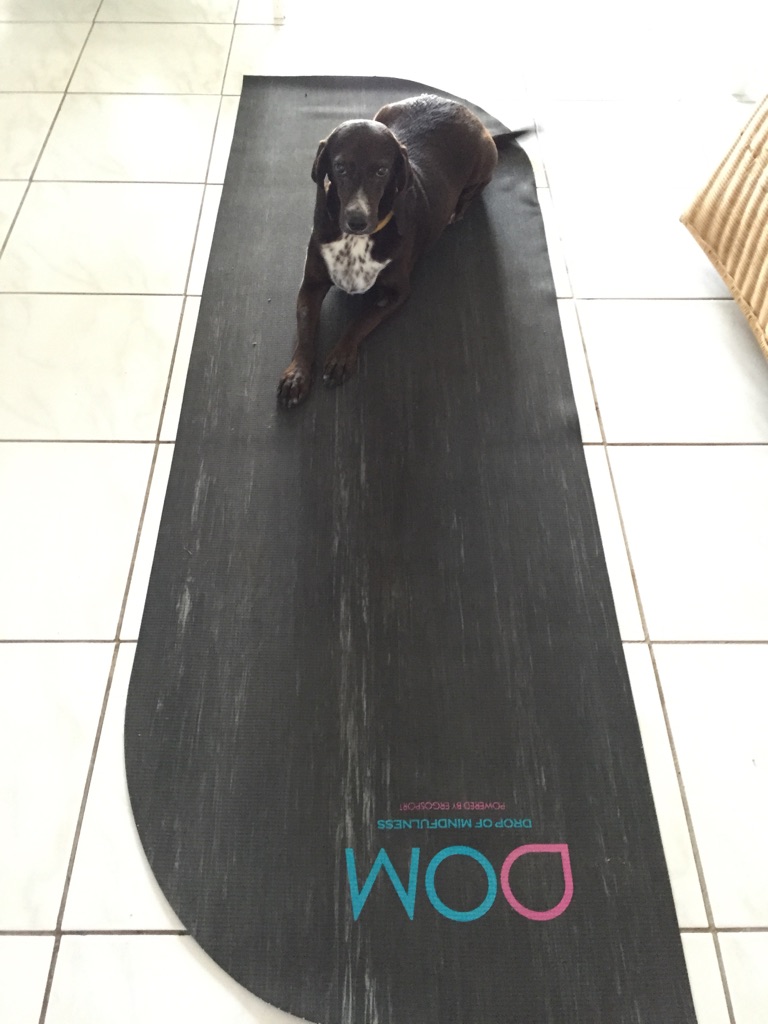
    DoM on ruotsalainen merkki joka myy ainakin joogaan sopivia vaatteita ja mattoja. Tällä hetkellä heidän nettisaittinsa on työn alla joten en tiedä onko 4-5 vuotta sitten ostamani DoM mattoni vielä valikoimissa. Matto on edelleen erittäin hyvässä kunnossa, se on hieman ohuempi kuin monet muut matot mutta siinä on erittäin hyvä, “tahmea” pito. Painoltaan se on noin kaksi kiloa. Muistelisin myös että matto on tehty luonnokumista ja olisi näin ollen ympäristöystävällisempi vaihtoehto. Tämä ja maton hinta on parempi kuitenkin tarkistaa kun DoMin saitti taas aukeaa.

    MandukaEKO

    Mandukalla on jo melkein kulttimaine joogaajien kesken ja heidän valikoimissaan löytyy monenlaisia mattoja joilla joistakin on elinikäinen takuu. Oma Mandukani on EKO-mallistosta, se on 5mm paksu ja erittäin tukeva (lue painava, ei todellakaan mitään käsimatkakamaa.) Hyvää tässä on se, että polvia varten ei tarvitse erillistä pehmykettä ja matosta ei tule edes kovassa tuulessa lentävää. MandukaEKOni on kuitenkin hieman luistava varsinkin hikisisä oloissa ja varsinkin inversioissa tai käsivarsilla tasapainoillessa tama ei ole se ideaali tila. Matto on kuitenkin hyvä ja ekologinen vaihtoehto sillä se on valmistettu luonnonkumista jätteettömällä valmistusprosesilla.

    img_0137
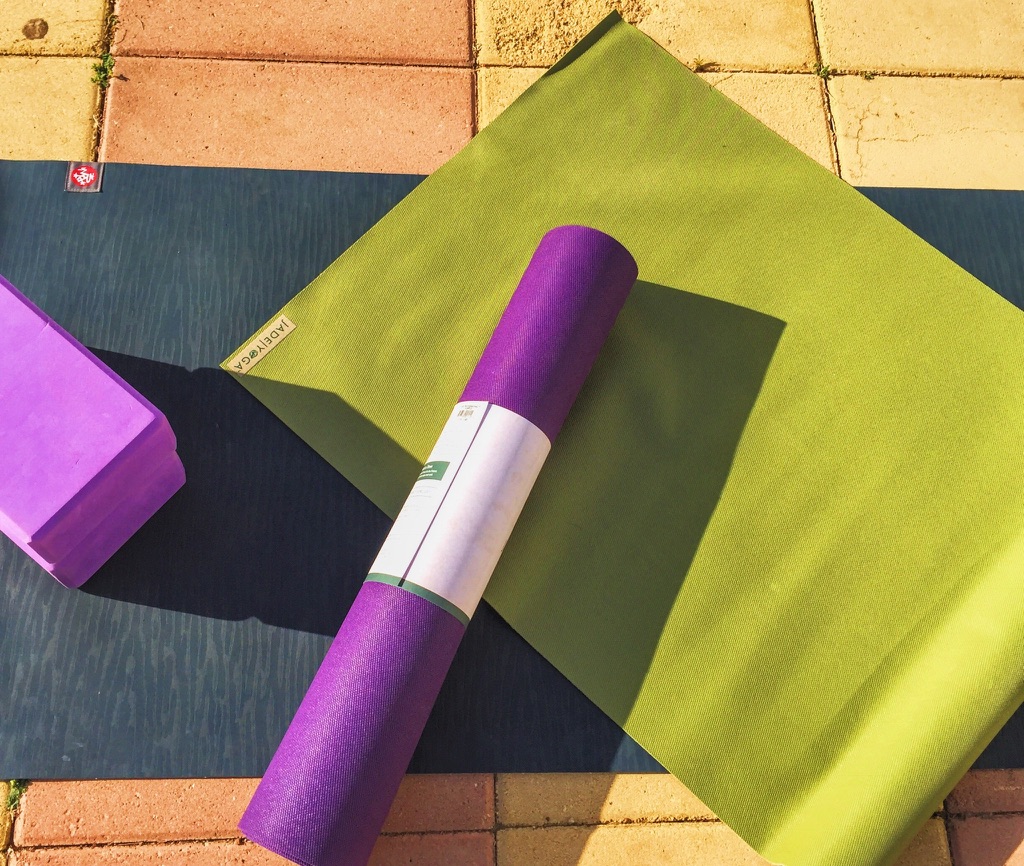
    Sininen matto alla on MandukaEKO, vihreä matto JadeVoyager matkamatto ja violetti JadeHarmony.

    JadeYoga matot

    JadeVoyager matto on uusin ostokseni. Olin hakenut matkamattoa jo jonkin aikaa ja JadeVoyager tarttui käteen viime viikon MindBodySpirit-festareilta, Matto on todella ohut eli se ei tarjoa mitään pehmikettä mutta siinä on todella tarttuva ja tahmea pinta, sen voi taitella kokoon (rullaamisen sijasta) ja se painaa puoli kiloa. Täydellinen käsimatkatavaravaruste siis, ja kotiloissa tätä mattoa voi käyttää toisen pällä jos siihen on tarve. Äidilleni ostin JadeHarmony maton, hän kun oli toivonut ekomattoa vanhan perusmattonsa tilalle: Hyvää joulua siis! JadeHarmony vaikuttaa olevan samaa paksuusluokkaa kuin MandukaEKo, mutta pehmemmällä ja tarttuvammalla pinnalla (Mandukan pinta vähän “kiiltää.”) Molemmat Jade-matot on myös tehty luonnonkumista, tosin ne on työstetytty kuin Mandukan matot joka voi myös selittää erilaisen pintarakenteen. Jade-matot ovat siis myös ympäristöystävällisiä ja yritys istuttaa puun jokaista myytyä mattoa kohti.

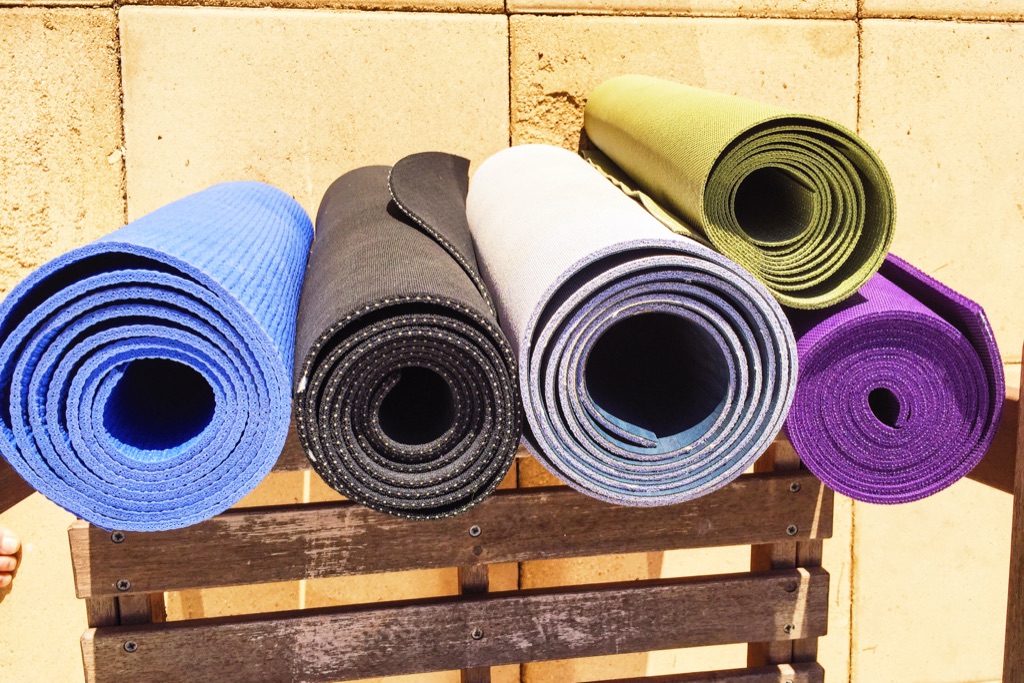
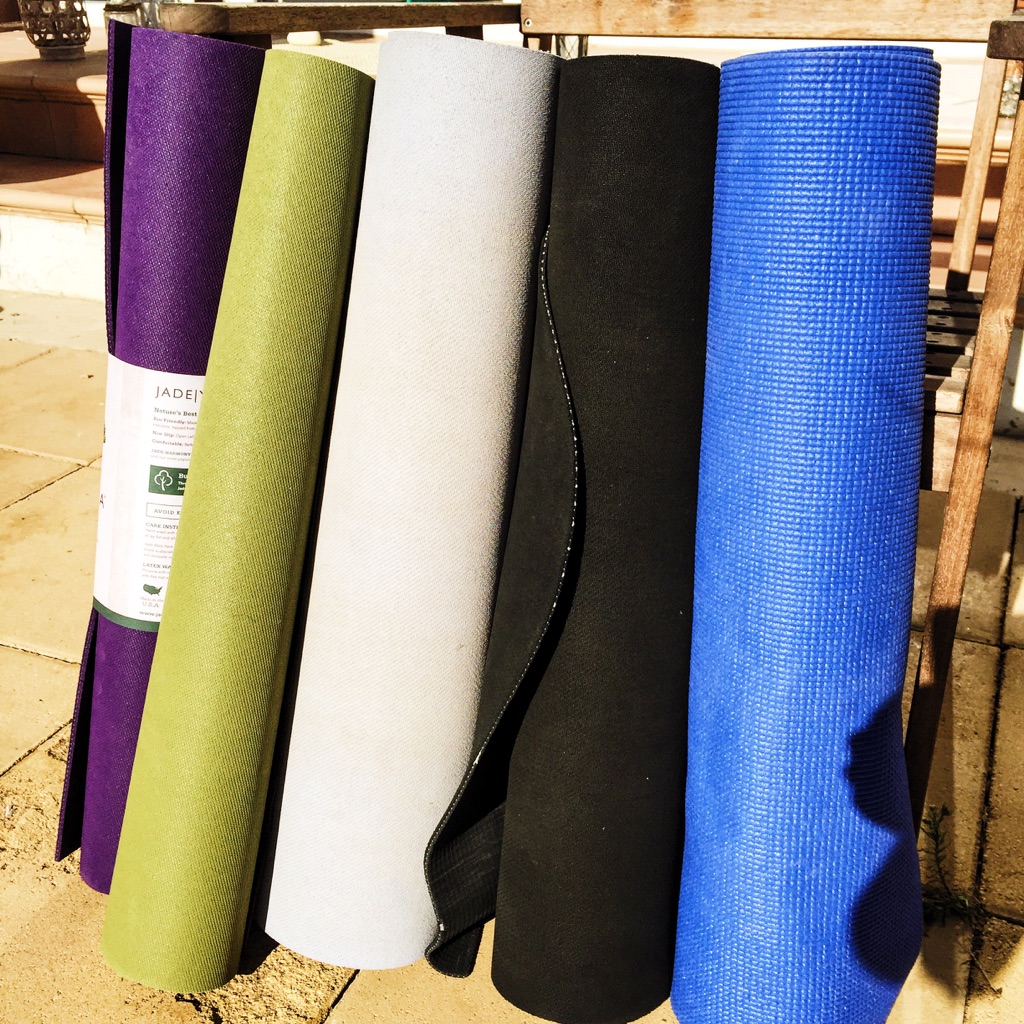
    Vasemmalta oikealle: JadeHarmony, JadeVoyager, MandukaEKO, DoM ja perusmatto.

    Manduka ja JadeMats pyörivät samoissa hinnoissa, alkaen 40 eurosta (matkamatot) noin 92 euroon asti. Kyproksella asuville tiedoksi että Simply Green-kauppa myy kumpaankin merkkia ja koodilla MBS16 tilauksille saa marraskuun ajan ilmaisen kuljetuksen Kyprokselle.

    Mitä muita mattoja teillä on käytössä (tai ette käytä enää ikinä)?

    Tallenna

    Tallenna

    Tallenna

    Tallenna

    Tallenna

    Tallenna

    Tallenna

    Tallenna

    Tallenna

    Tallenna

  • About Yoga Mats

    About Yoga Mats

    To practise yoga, you really do not need anything else but the willingness to be present in the now and the yoga mat as we know it is a rather new Western invention. However it can bring a new aspect to the practise by creating a space for your meditation and adding cushioning and stability for the asana.

    These days there is a wide range of mats available, and the price range can be big. Therefore I decided to write about the mats I have used in my practise so far. The things I took into consideration are their grip (or slippiness), general durability, weight (important to those who travel or carry the mats with them a lot), cushioning and eco-friendliness. All my mats have measured more or less 185 x 61 centimetres although there are longer and wider mats available too.

    The Basic Mat

    What I call the Basic Mat is the mat that is the usually the cheapest one you can find. They all have more or less the same specs: Made of PVC (sometimes EVA, which is a lighter material), 2-5 millimetres thick and usually having a foamy ”grid” type of surface. You might want to buy the basic mat if you are new to yoga and not sure yet how much you can to commit to it. On the plus side these type of mats usually offer reasonable cushioning (if you have sore knees for example, go for a thicker mat) and they are easy to clean as both PVC and EVA are waterproof materials. At the same time they not the most durable ones, and tend to start shedding small pieces of plastic with the friction/elements the more you use them. They can also get slippy quite easily, especially if go to sweaty classes.

    img_4601
    The Basic Mat. You see what I mean with the “grid”? The green one is from Lidl, the blue one I do not know. I call it the generic mat.

    The price of the basic mat ranges usually from 10 to 30 euros, depending where you buy it and if it has some kind of brand label attached to it. I do not diss the basic mat as it will get you started just fine. If and when you have decided to commit to yoga more, here are some other mats I have used:

    Drop of Mindfulness

    DoM is a Swedish brand that making active wear suitable for yoga and also yoga mats. Unfortunately at the time of writing this text their website is under construction for Winter 2016 so I cannot tell if they still stock the mat I bought 4-5 years ago. This mat has however served me very well; it felt very grippy and sticky straight from the start and has kept these qualities to this day. The mat is on the thinner side (I’d guess 2-3 millimetres) so extra cushioning is sometimes needed for knees. The weight is reasonable at around 2 kilos. I recall reading that the mat is made of natural rubber but this needs to be confirmed once the website is out again, together with the retail price.

    img_7378
    “My Drop of Mindfulness mat. MINE!”

    MandukaEKO

    Manduka has a great reputation among yogis and they have several types of mats to choose from. I have the MandukaEKO (5 mm thick) which is extremely sturdy. When I stepped onto this mat after having used the DoP for years the difference was big: I need no extra cushioning needed for this mat and it does not fly away in the wind either (yes this can be an issue when teaching outside, hehe.) I have two cons for this mat though: It is heavy (over 3kg) so even if you travel with a proper suitcase, it does take a lot from the luggage allowance and it is definitely not a hand luggage item. The other thing is that it can get a little slippery, especially in sweaty conditions. The Manduka website says that this means the mat is not ”broken into” properly but I did not notice this in the beginning so not sure where the reason for this is. Nevertheless, this is a good mat and ecological choice as it is made of natural rubber with a zero waste manufacturing process. It is also 99% latex free.

    img_0137
    The MandukaEKO is the blue one at the bottom, notice the different texture. The purple one is the JadeHarmony and the green is JadeVoyager. The yoga blocks are just blocks although I could say few things about those too… Maybe later.

    Jade Yoga Mats

    JadeVoyager is my latest mat. I bought it from the MindBodySpirit festival in Nicosia last weekend. I’d been looking for a travel mat for myself for ages (airline luggage restrictions again!) Also my mum had sent me a photo of an ecomat she had seen in a magazine with the comment ”they don’t tell where I can buy one!” When I bumped into the lovely ladies from the Simply Green shop in Athens and saw the JadeYoga mats it they had it was a no brainer. I got the JadeVoyager for myself: you can fold it (rather than roll, although this is preferable for maintenance) and it weights just over half a kilo. With this weight it obviously has got no cushioning but it can definitely keep your practise going on when traveling. Orm you can use it over another, less grippy mat. For my Mum I got the JadeHarmony (Merry Christmas Mum, thanks for the gift tip!) which is about the same thickness than the MandukaEko. From the first touch it feels a bit softer and a lot more stickier. This can also be due to the open cell natural rubber JadeMats use (Manduka uses closed cell natural rubber) which translates as more grip, these ones will be put to test to find out more! The JadeYoga company also has a very eco-concious production cycle and they plant a tree (over one million so far!) for every mat sold.

    img_4701
    From left to right: JadeHarmony, JadeVoyager,MandukaEko (mine is dark blue, you see the bottom side), Drop of Mindfulness and a Basic Mat in Blue.

    When talking to fellow yogis and reading reviews the JadeMats are always rated on the top with Manduka ones. They both have very similar retail prices ranging from 40 (the travel mat) to 92 (the pro and extra long mats) euros so ultimately it is up to personal preference between these two.

    Now, over to you: What is your favourite yoga mat?

    PS: If you want to read more about the history of the yoga mat check out this Yoga Journal article.

  • Remember These // Muista nämä

    Remember These // Muista nämä

    In our lifes, we all have the right for the following:

    1. The right to be treated with respect
    2. The right to say “no” and not feel guilty
    3. The right to experience and express our feelings
    4. The right to take time to slow down and think
    5. The right to change our minds
    6. The right to ask what we want
    7. The right to do less than we are humanly capable of
    8. The right to ask for information
    9. The right to correct mistakes
    10. The right to feel good about ourselves

    img_4200

    Meillä kaikilla on tässä elämässä oikeus seuraaviin asioihin:

    1. Oikeus tulla kohdelluksi kunniottavasti
    2. Oikeus sanoa “ei” ja olla tuntematta siitä syyllisyyttä
    3. Oikeus kokea ja ilmaista tunteitamme
    4. Oikeus ottaa aikaa, hidastaa tahtia ja miettiä
    5. Oikeus muuttaa mieltämme
    6. Oikeus pyytää mitä haluamme
    7. Oikeus tehdä vähemmän kuin mihin inhimillisesti voisimme pystyä
    8. Oikeus pyytää tietoa
    9. Oikeus korjata virheitä
    10. Oikeus hyvänolon tunteeseen

    img_8807


  • 5 Tapaa pitää itsestään parempaa huolta

    5 Tapaa pitää itsestään parempaa huolta

    Tämä teksti julkaisitiin ensimmäisen kerran HappyGirlYoga sivulla. Englanninkielisen version tässä blogissa voi lukea tästä.

    Vaikka välillä meistä kaikista tuntuu että seinät kaatuu päälle ja tunnit päivässä loppuvat kesken, on kuitenkin tapoja ottaa itsellensä aikaa joka päivä. Aikaa, jolloin rauhoittua, vetää henkeä ja keskittyä tarkistamaan omaa jaksamista. On tärkeää luoda itsestään välittämisestä samanlainen rutiini kuin hampaiden pesusta tai suihkussa käymisestä: Itsensä tarkastelun kautta opimme tuntemaan itsemme ja reaktiomme eri tilanteissa paremmin. Tämä taas auttaa keskittymiskyvyssä, muitten huomioimisessa ja myös yleisessä tehokkuudessa.

    Alla on muutamia ehdotuksia jotka voivat toimia meidän kaikkien jokapäiväisessä rutiinissa tuomassa tasapainoa päiviin.

    img_4359

    1. Näe huumoria joka päivässä – ja naura!

    Meillä kaikilla päiviä jolloin mikään ei naurata. Muistan itse vuosien takaa yhden päivän jolloin olin ostanut keittiöpaperia vessapaperin sijasta. Sen sijaan että olisin naurahtanut (tai edes hymähtänyt!) itkin keittiön lattialla kaksi tuntia. Ei näin.

    Tällaisten päivien varalta on hyvä miettiä mitkä asiat jaksavat huvittaa aina. Suosikkikomedioiden tai –elokuvien uusintojen katselu voi toimia hyvin. Joka päivä eteemme tulee myös useita hauskoja, hölmöjä ja absurdeja asioita: Kauppajonossa oleva lapsi voi päästää suustaan jotain tahattomasti hauskaa, tai artikkelia lukiessa eteen voi tulla kirjoitus tai –kielioppivirhe joka muuttaa aiheen astetta omituisemmaksi. Nauraminen vapauttaa elimistössämme endorfiinejä jotka synnyttävät hyvänolon tunnetta ja jopa lieventävät kipua. Jo sen vuoksi kannattaa kultivoida kykyämme nähdä jokapäiväisten asioiden hullumpi puoli, ja jos ääneen nauraminen ei tunnu sopivalta voi aina nauraa (kuvitteelliseen) partaansa.

    2. Positiiviset mielikuvat

    Kosmisesta energiasta ja ylitsevuotavasta rakkaudesta kertovien sananlaskujen lukeminen voi tuntua monista turhalta ja hölmöltäkin. On kuitenkin todistettu että positiiviset mielikuvat auttavat nostamaan mieltä. Inspiroivat mielikuvat selkiinnyttävät ajastusprosessejamme ja auttavat aivoja luomaan positiivisia mielleyhtymiä alatajuntaan vaikuttamalla. Positiivisia mielikuvia voi sisäyttää jokapäiväiseen elämään monella eri tavalla. Tiettyä lausetta voi käyttää kuin mantraa ja toistaa sitä autossa matkalla töihin. Tietokoneen näytölle tai ruudunsäästäjälle voi vaihtaa kannustavan ajatuksen ja vaihtaa sen vaikka viikoittain, ja kotona voi vaatekaapin oveen pistää post-it lapun muistuttamaan itseään millaisella mielellä päivän haluaa elää. Tärkeintä on, että jos tulee tarve löytää jotain ilahduttavaa sen löytää helposti.

    kaikki-hyvin

    3. Opi sanomaan ei

    Tästä puhutaan usein mutta helppoa se ei ole. Olemme kuitenkin kaikki vastuussa omien rajojemme luomisesta ja on syytä hyvä tiedostaa, että joskus hyvää tarkoittamalla saa aikaan vain isompaa sotkua. On toki normaalia ja suotavaakin esimerkiksi kuunnella kollegaa jolla on vaikeaa, lainata pieni summa rahaa ystävälle joka on kipeästi sen tarpeessa ja luvata auttaa tuttavaa illalla muutaman tunnin ajan. Mutta jos kuulevaa korvaa vaativa työkaveri alkaa vaivaamaan aamuin JA illoin pitkän kaavan kautta, jos lyhyestä satasen lainasta tuleekin viidensadan laina ilman selvää yritystä takaisin maksuun, ja jos tunnit apua tarvitsevalle ovat pois omasta levosta on syytä pysähtyä. Monet tilanteet ratkeavat ajan kanssa mutta on kuitenkin omalla vastuulla pysähtyä ja miettiä ennen lupaamista millainen vaikutus lupauksella on omaan elämään, tällä hetkellä.

    Jotkut ihmiset ovat myös luonnostaan parempia pyytämään – jopa vaatimaan – apua kuin toiset. Loppupeleissä päätämme kuitenkin kaikki omista teoistamme ja selkeiden rajojen asettaminen on yleensä paras asia kaikille, vaikka se tarkoittaisikin että vastaus pyyntöön on joskus ”ei.”

    4. Karsi myrkylliset ihmiset pois elämästäsi

    Myrkyllisistä ihmisten poistaminen elämästä voi olla pitkä prosessi, varsinkin jos kyse on ihmisistä joiden kanssa jaat työpaikan tai ystäväpiirin. On myös järkevää koittaa olla polttamatta kaikkia siltoja takanaan. Mutta! Kaikki ystävyyssuhteet eivät ensinnäkään ole tarkoitettu kestävän koko ikäämme. Jotkut ystävyyssuhteet muodostuvat tietyssä, erityislaatuisessa tilanteessa jolloin ne ovat hyvinkin tärkeintä. Tilanteet kuitenkin vaihtuvat ja sen sijaan että yrität väkisin pitää hengissä ystävyyttä (varsinkin yksipuolisesti) joka ei tarjoa enää mitään on aivan hyväksyttävää antaa tämän suhteen hiipua kasaan itsestään. On täysin mahdollista että tällaiset ihmiset tulevat elämääsi myöhemmässä vaiheessa, elämäntilanteiden ja ihmisten muuttuessa. Hiipunut ystävyys voi aktivoitua uudestaan vuosienkin päästä.

    Meidän kaikki myös tunnemme – tai ainakin olemme tunteneet – seuraavanlaisia henkilöitä: jatkuvasti omahyväisiä, muita mollaavia, energia-vampyyreita, heitä joille elämä on yksi jatkuva kilpailutilanne… Vaikka on reilua yrittää selvittää asioita keskustelemalla, on hyvä myös kysyä itseltään mikä rooli tällaisella ihmisellä on elämässäsi.

    Vaikeinta on kuitenkin päästä eroon ihmisistä joiden kanssa olisit halunnut toimivan suhteen mutta kaikesta yrittämisestä huolimatta siitä ei tule mitään. On täysin mahdollista rakastaa ja välittää syvästi ihmisestä mutta ymmärtää, että asiat eivät toimi vaikka kummankin yrittämisestä huolimatta. Ihmissuhteet voivat olla vaikeita mutta niiden ei pitäisi kuitenkaan koskaan viedä kaikkea energiaa. Tällaisesta tilanteesta pois pääseminen voi ottaa monia yrityksiä mutta on tärkeää kuunnella omaa vaistoaan: jos sinusta tuntuu että paino on nostettu hartioiltasi kun ajatteletkin elämää ilman tätä ihmistä, olet tekemässä oikean asian itsesi hyvinvoinnin kannalta.

    5. Hengitä syvään

    Joskus on hyvä ottaa tauko, vaikka tuntuisi että siihen ei olisi aikaa, ja painua lähimpään metsään, pellolle, puistoon, rantaan… vaikka ulkoilmaan katolle jos se on ainoa vaihtoehto! Seinien potkiminen tai hikiliikunta ovat vaihtoehtoisia, syvään hengittäminen ei. Ei ole asiaa johon pitkät, syvät hengitykset eivät auttaisi. Sulje silmäsi ja hengitä koko keuhkojen mitalta, niin että kyljet ja maha kohoilevat. Tämä auttaa keskittymisessä, hidastaa pulssia joka taas puolestaan alentaa verenpainetta. Jo viisi minuuttia keskittymistä pelkkään hengitykseen auttaa selkiinnyttämään ajatuksia ja kohottamaan mieltä. Vastoinkäymisiä voi käydä mutta niistä kyllä selvitään!

    Processed with VSCO with m5 preset

    Mitä neuvoja sinulla olisi itsestään huolehtimiseen joita haluaisit jakaa?

    Tallenna

  • 5 Ways to Practice Self-Care

    5 Ways to Practice Self-Care

    This post was first published in HappyGirlYoga. Lue suomalainen versio teksistä tästä.

    No matter how busy we are, there are several ways to practice self-care everyday., These are the moments we put ourselves first. It’s not necessarily about getting a mani-pedi ahead of a an event, or having time for a cup of coffee. In addition to taking care of our basic needs, we also need to decompress ,centre, and check in with ourselves to make happiness a priority.

    Even as healers and instructors, this is not always easy and we are all guilty of not practising what we preach.

    But do try (practise is the key here as well) because when we do, we will feel healthier, better and just lighter. And of course when we feel like this, we become much more mindful, attentive and more productive in everything we do.

    Here are some useful few tips and suggestions to incorporate into your daily routine for a more balanced, happier you:

    img_4359

    1. See The Humor In Every Situation-and Laugh!

    We all have those moments when it is hard to find anything even remotely funny and all we want to do is growl. For days like this, think about what amuses you, even if it means watching your favorite reruns of comedy TV shows or movies. Laughter makes our body release endorphins, the body’s ”feel good” chemicals could even help alleviate physical pain.

    There are plenty of funny, bizarre, curious or ironic things that happen around us everyday: It could be a toddler telling some recently learned ”truth” a little bit too loudly when queuing to pay for the groceries, or an unfortunate mispelling on a newpaper header or street sign. Cultivate your ability to see and appreciate the funny side of things as they come along. If laughing aloud is not an option, you can always have a little inward chuckle.

    2. Positive Affirmations

    Whilst some may dismiss reading proverbs about divine energy and making lemonade with lemons as silly, positive affirmations are a proven method of self-help. Not only do affirmations purify the thought process, they help us to restructure the brain by working on the subconcious mind. There are many ways to weave affirmation to your everyday life. You can memorize a simple, one-liner mantra to repeat in the car on your way to work. You can keep a positive phrase of your choice as your screensaver, or have a post-it inside the kitchen cupboard. However and wherever you choose to incorporate these positive affirmations into your daily life, make it immediately accessible to your daily routine.

    untitled-design

     3. Learn To Say No.

    Boundaries are not only about learning to say ”no.” It can be quite tricky as the road to self-neglect is usually paved with good intentions.

    Most people want to help others, be it sympathising with a colleague, lending some cash to a friend, or saying yes to extra volunteering hours ”for a few weeks” when we already feel there is not enough hours during the day. However, be always aware of the possibility that the colleague might become increasingly clingy, 100 euros lend can become 500, and those extra volunteer hours can take time away from your sleep.

    Of course most situation are temporary , but think twice before committing yourself to a responsibility and ask yourself if this act of kindness isn’t something that will cause havoc in your life..

    Also, be aware of the people who are naturally more persuasive and even willing to push us beyond what we are comfortable with. Remember that at the end of the day, we all need to own up to our actions and setting boundaries with a firm response could ultimately be the best situation for everyone involved.

    4. Get Rid of Toxic People

    Getting rid of toxic people in our lives could be a long-term process, especially if these people run in the same circles as you. Equally, you want to avoid burning bridges, if possible.

    First, some friendships are meant to be transitory: There is a time and a place for certain relationships to be formed. Rather than artificially trying to maintain a relationship that (especially if it feels complitely one-sided) does not serve any purpose, it is entirely ok to allow these friendships to fade at its own pace.

    It doesn’t necessarily mean these relationships cannot re-enter your life again. Situations and people could change, and who knows if one day the friendship could be re-ignited in the future?

    Then there are the people we’ve all encountered.: The permanently smug, condesending, energy-vampires, the ”life-as-competition” types, the backstabbers… and the list goes on. Of course it is fair to try and explain your feelings about the relationship and provide a million excuses for their behavior and attitude, but after some time if you find that not much is changing, don’t think twice about dropping these individuals from your life.

    Finally the hardest kind: The relationship you’re trying too hard to ”make it work.”

    It is entirely possible to deeply love and care for somebody but realise that things are not working out as they should, no matter how much effort both parties have given. A relationship can be hard, but it should not be draining. It might even take several attempts to clear yourself of this situation but it is important to honestly recognise what we feel deep down: If you feel as though a weight has been lifted from your shoulders at the thought of starting a fresh chapter without this relationship, you know you’ve done the right thing.

    img_4478
    Text from Eckhart Tolle’s “Practising the Power of Now”.

    5.  Practice Mindful Breathing

    Sometimes it may be necessary to take a break and head to the forest, hills, mountains, nearest park… hell, even a rooftop will do, if that is the only thing you have available! You do not have to sweat buckets, kick any walls, but taking deep slow breaths is a must. Close your eyes and take deep full-belly breaths. Doing so could make you feel more connected to your body and and eventually decrease the heart rate, which in turn has the effect of lowering the blood pressure, too.

    Just five minutes of taking a pause to turn your thoughts internally by focusing on the breath can work wonders to your health and reprogram your mind. You got this!

    Processed with VSCO with m5 preset

    Perhaps these are familiar tactics (well done in that case!) or you found a point or two that could be intergrated to your daily life.

     But now we want to hear from you! What other self-care tips do you practice?