Blog

  • The Devil is in the detail

    The Devil is in the detail

    Since I have several pictures of my chairpose, utkatasana, from the past few years I decided to share them to illustrate how the learning never ends. Even the seemingly simple poses can reveal themselves having multiple layers to be discovered. This is one of the reasons why I enjoy a slower practise these days as it allows the time to really focus on how a particular asana feels and where it can exactly go.

    Arkistoistani löytyy useampikin kuva tuoli-asanasta (utkatasana) jotka esittävät hyvin kuinka se on muuttunut (paremmaksi) viimeisen parin vuoden aikana. Jopa näistä yksinkertaisimmistakin asanoista löytyy monia eri tasoja jotka avautuvat vuosien harjoittelun aikana. Tämän takia pidän nykyään myös enemmän hitaimmista harjoituksista koska ne antavat enemmän aikaa keskittymiseen ja asanana tunnusteluun.

    The below picture was taken about three years ago. Today it makes me want to hurl and cover my eyes, although I remember being pretty pleased with myself with this one. So, why do I find this so unbearable photo to look at today?

    Tämä kuva on otettu noin kolme vuotta sitten ja suoraan sanoen hävettää tänä päivänä. Itse kuvanottohetkellä muista kyllä olleeni todella tyytyväinen asentoon. Mutta mikä siinä sitten nyt mättää?

    It two words, that lower back/lumbar spine. I have a naturally big curvature there anyway which means I really have to pay attention to my back and posture in general and make sure I engage my abs too to support the torso. Well, no abs being used here, hence the back being put on a risk of future strain and pain. On a milder note, not sure what I am thinking that my hands are doing because they do not seem to be very engaged here either. Finally, despite the photo being taken from a bit of an angle it looks like my knees are way over my toes (and the weight of the foot is more on the toes) which is not great either for the health of the knees. In short, do not try this at home!

    Yhdellä sanalla, alaselkä! Alaselkäni luonnollinen kurvi on, noh, hieman kurvikkaampi kuin ns. normaali selkäranka. Sen takia minun täytyy (täytyisi) aina muistaa käyttää tehokkaasti myös vatsalihaksia jotta keskivartalo toimii yhtenä pakettina ja alaselkä on suojassa liialta rasitukselta. Kuvan perusteella ei ainakaan näytä siltä että olen edes tietoinen vatsalihaksistani. Käsien asento on myös hieman epämääräinen, ne eivät ole suorana eivätkä näytä siltä että mitään lihaksistoa olisi käytössä. Kuva on otettu pienessä kulmassa mutta näyttää myös siltä että polvet menevät varpaiden ylitse jota ei myöskään pitäisi tapahtua. Älä siis yritä tätä kotona.

    The below picture is taken pretty much a year ago when I was having a private session to catch up for a yoga teacher training day I had missed. The knee-toes situation is better but just look what happened to the lower back with one simple adjustment, from picture one to picture two. Just goes to show how invaluable having a teacher who pays attention to you as an individual, even if it is only once in a while.

    Alla oleva kuva on otettu vuosi sitten yksityistunnilla. Polvet-varpaat linjaus on parempi mutta katso mitä tapahtui alaselälle kun opettajani alkoi sitä korjaamaan: vetämällä kylkiluita selkää kohti ja terästämällä vatsalihasten käyttöä (tai siis, käyttämällä niitä ylipäätään) selkä suoristui huomattavasti parempaan asentoon. Tämän takia asiantuntevan opettajan ohjaus on arvokasta sillä muutama varsin simppeli ohje voi estää kulumia tai jopa loukkaantumisia tapahtumasta.
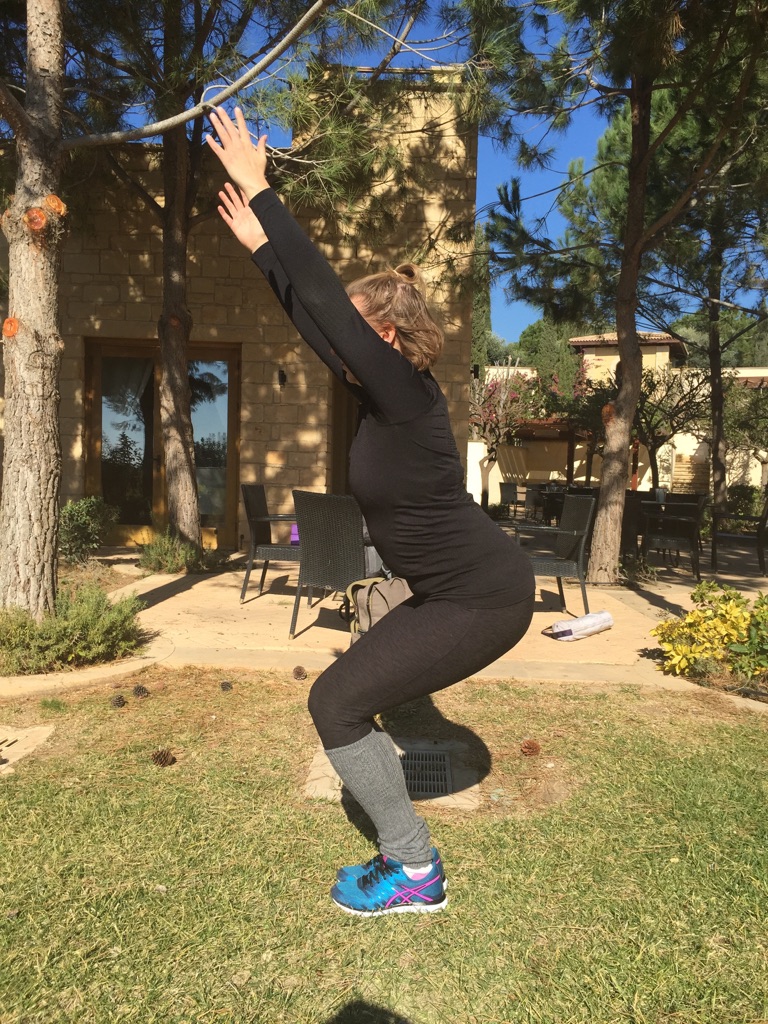
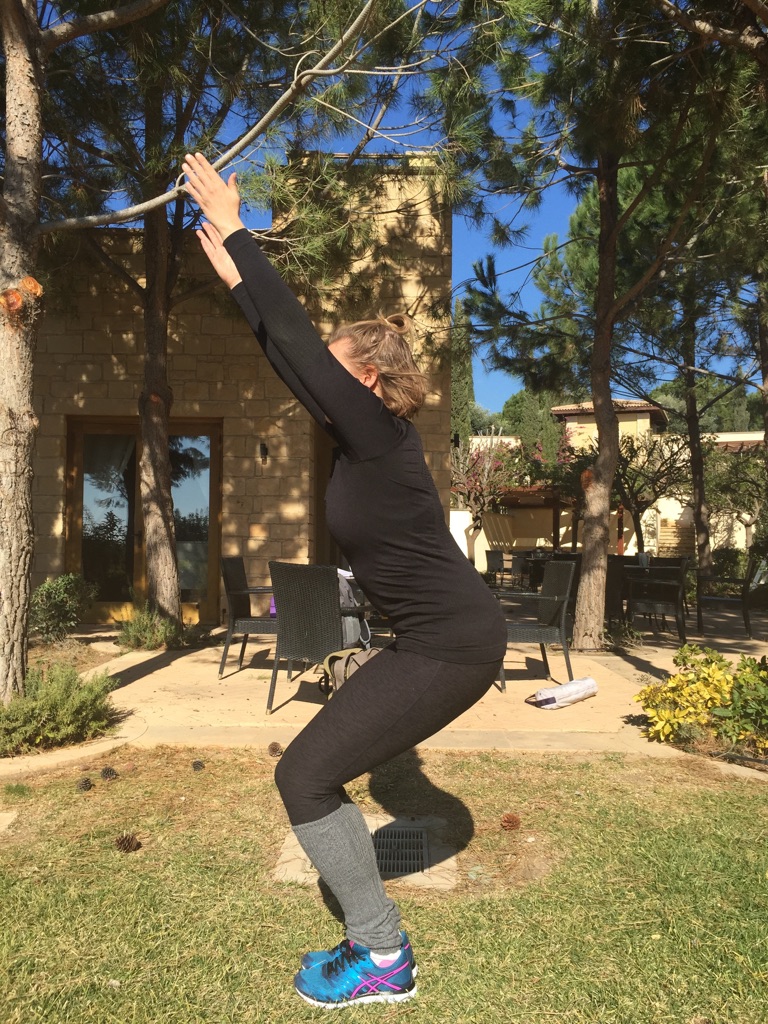
    img_9464img_9465

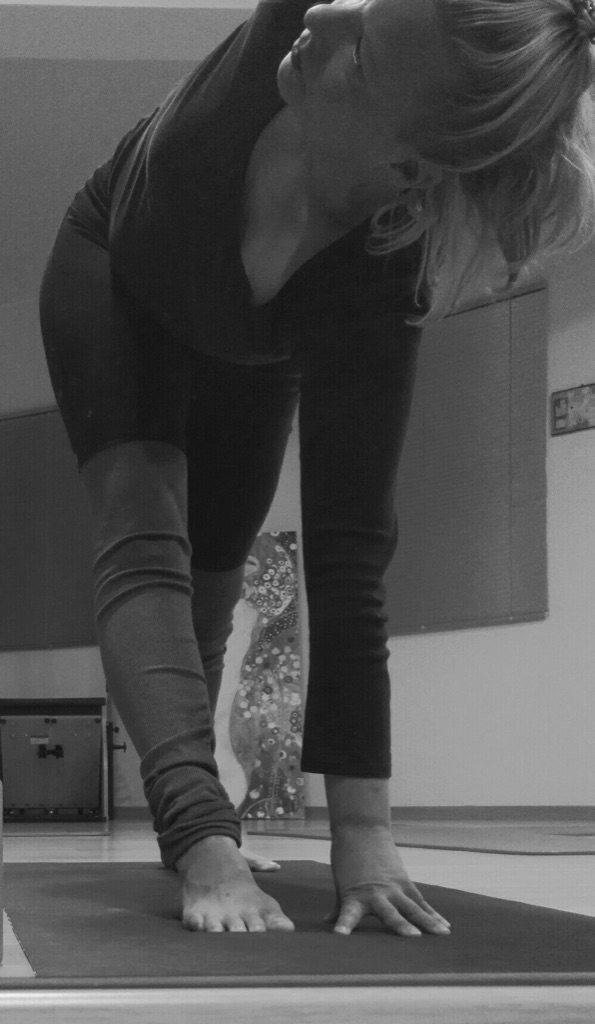
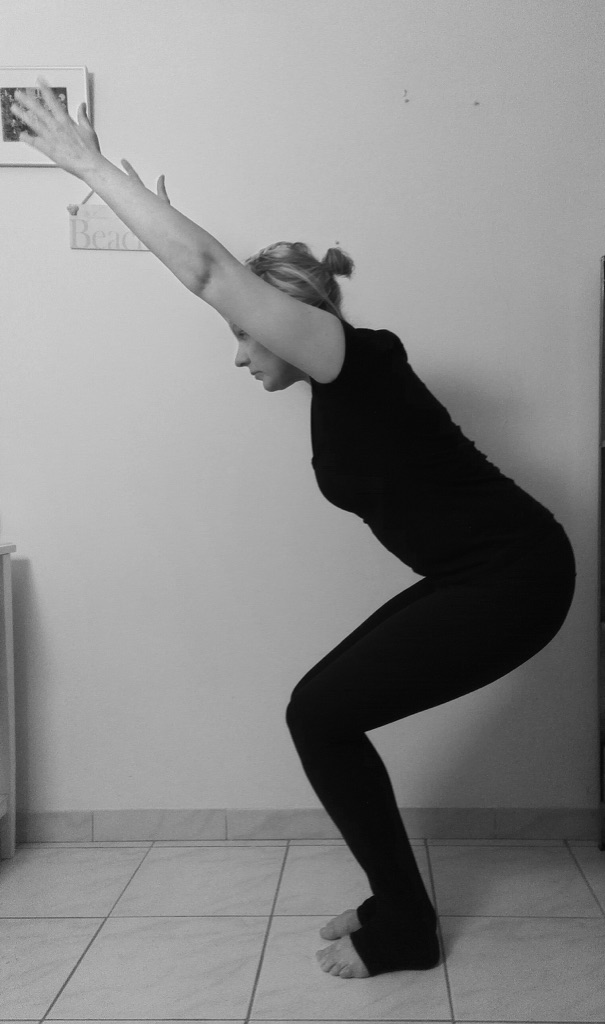
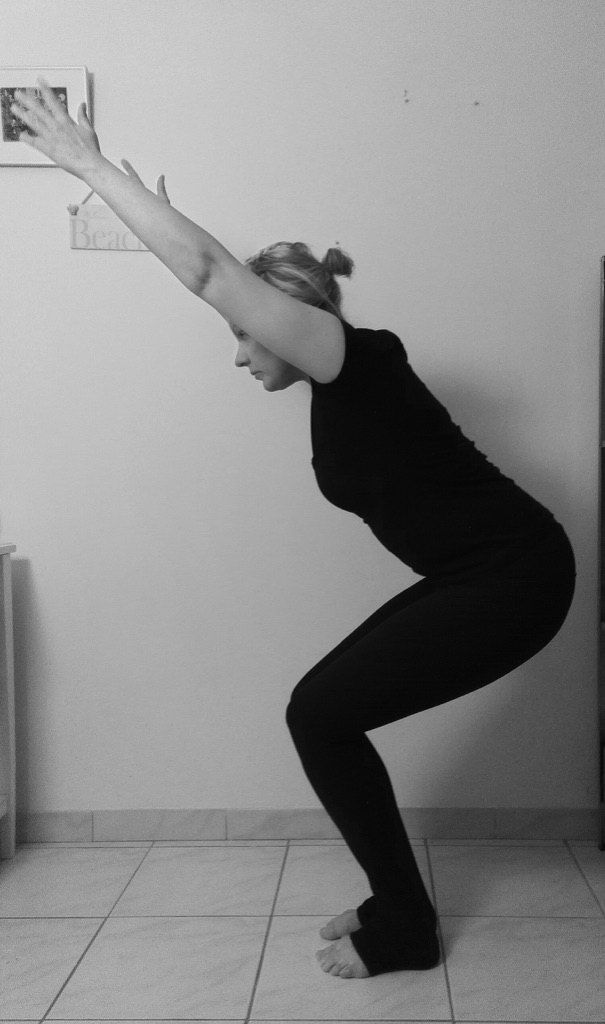
    This photo is from last week. The squat is deeper, the weight is more on the heels and the arms are active. I am not going to fool myself to think though that I am anywhere near done with utkatasana so maybe in a year’s time I will repost this with a new photo.

    Mustavalkoinen kuva on viime viikolla. Kyykky on syvempi, jalkojen paino on enemmän kantapäillä ja kädetkin näyttävät aktiivisilta. En kyllä tosin usko että kehittymiseni utkatasanan kanssa lopussa joten ehkä vuoden päästä uudestaan julkaisen tämän tekstin uuden kuvan kanssa.
    Tallenna
    Tallenna

  • Photos and Quotes

    Photos and Quotes

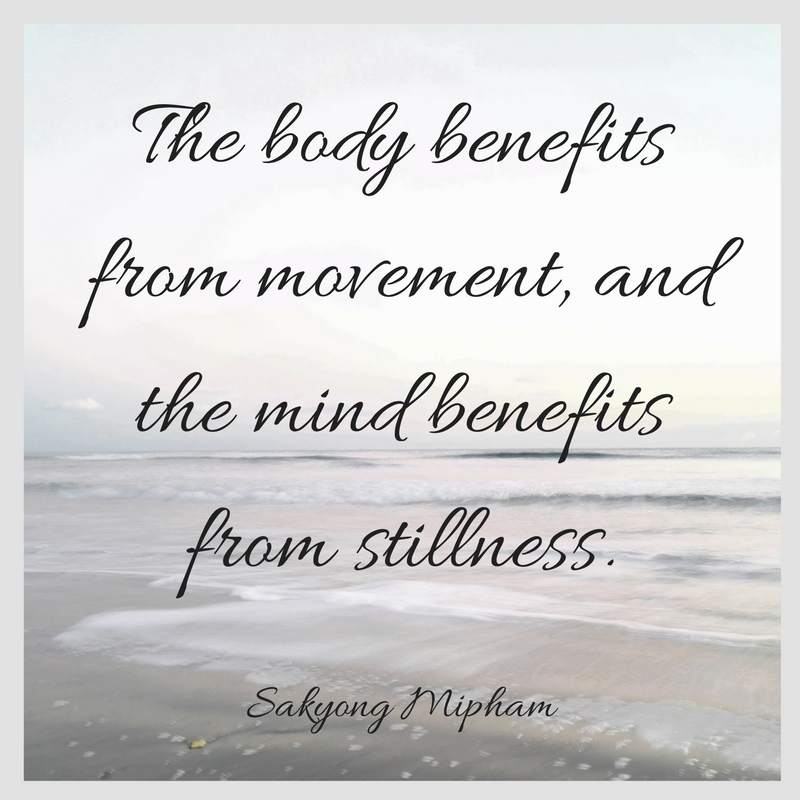
    Because sometimes all there is left to say is “it is what it is.” Because it is Tuesday. Because I like looking at pictures and reading quotes and somebody else might too. Because sometimes the best thing is to remain quiet and enjoy the silence.

    dav

    the-body-benefits-from-movement-and-the-mind-benefits-from-stillness

    wp-image-2127392995jpg.jpeg

    img_20170207_172221.jpg

    healtheatthinksay

    img_20170101_193530.jpg

    self-acceptance

    Tallenna

  • Social media update and why I use it in the first place.

    Social media update and why I use it in the first place.

    I started this blog because I like writing  and I did not find (m)any blogs about yoga combining the physical and more spritual aspects of it. I’ve been using Instagram for several years because I like taking and looking at photos. Insta also proved to be a great tool when I was recovering from my dislocated shoulder few years back. It allowed me to follow my progress that felt oh so long (well, it took almost a year.) The pictures allowed me to see the small steps of progress I made when I felt nothing at all was happening. The motivation and hope for a full recovery these pictures (and those of others) provided was so valuable.

    Tämä blogi syntyi koska pidän kirjoittamisesta ja en oikein löytänyt blogeja joissa joogaa käsitellään sekä fyysisestä ja henkisestä näkökulmasta, hieman kevyemmän kautta. Instagramia olen taas käyttänyt useamman vuoden koska otan kuvia aina ja kaikkialla ja rakastan myös katsella laadukkaita kuvia – aihepiiri on melkein samantekevä. Instasta oli myös iso apu kun kuntoutin olkapäätäni muutama vuosi takaperin. Toipumiseni leikkauksesta tuntui etenevän todella hitaasti (vuosi siihen menikin) mutta kuvien kautta oli mahdollista nähdä pienetkin edistysaskeleet jotka motivoivat ja antoivat uskoa että olkapäästäni tulee vielä täysin toimiva.

    img_2611
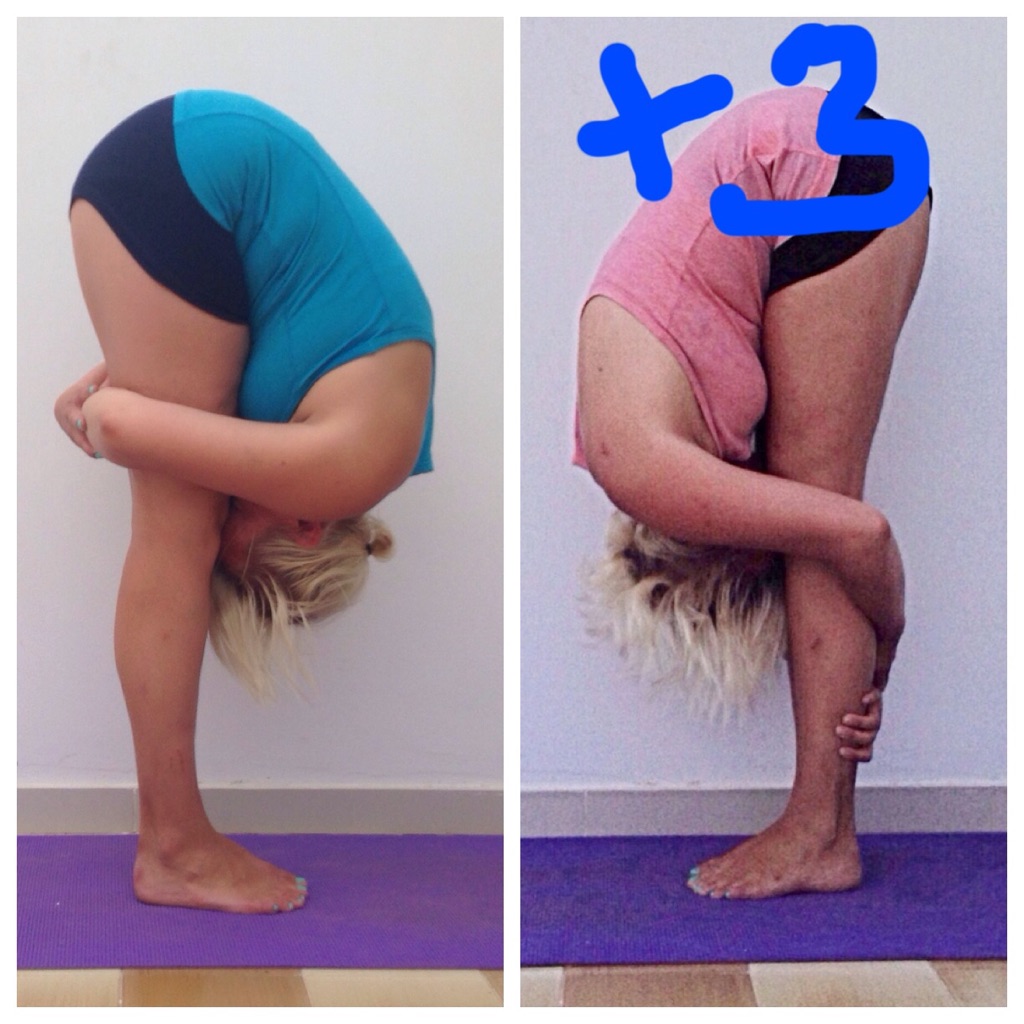
    Three days between the pictures. In my head or body I could not feel any progress but the pictures showed a different story and kept me going. This was in June 2014 // 3 päivää kuvien välillä. Päässä ja kehossa en huomannut mitään eroa, onneksi kuvat kertoivat toisin ja kannustivat jatkamaan kuntoutusta. Kuva on kesäkuulta 2014.


    img_2676
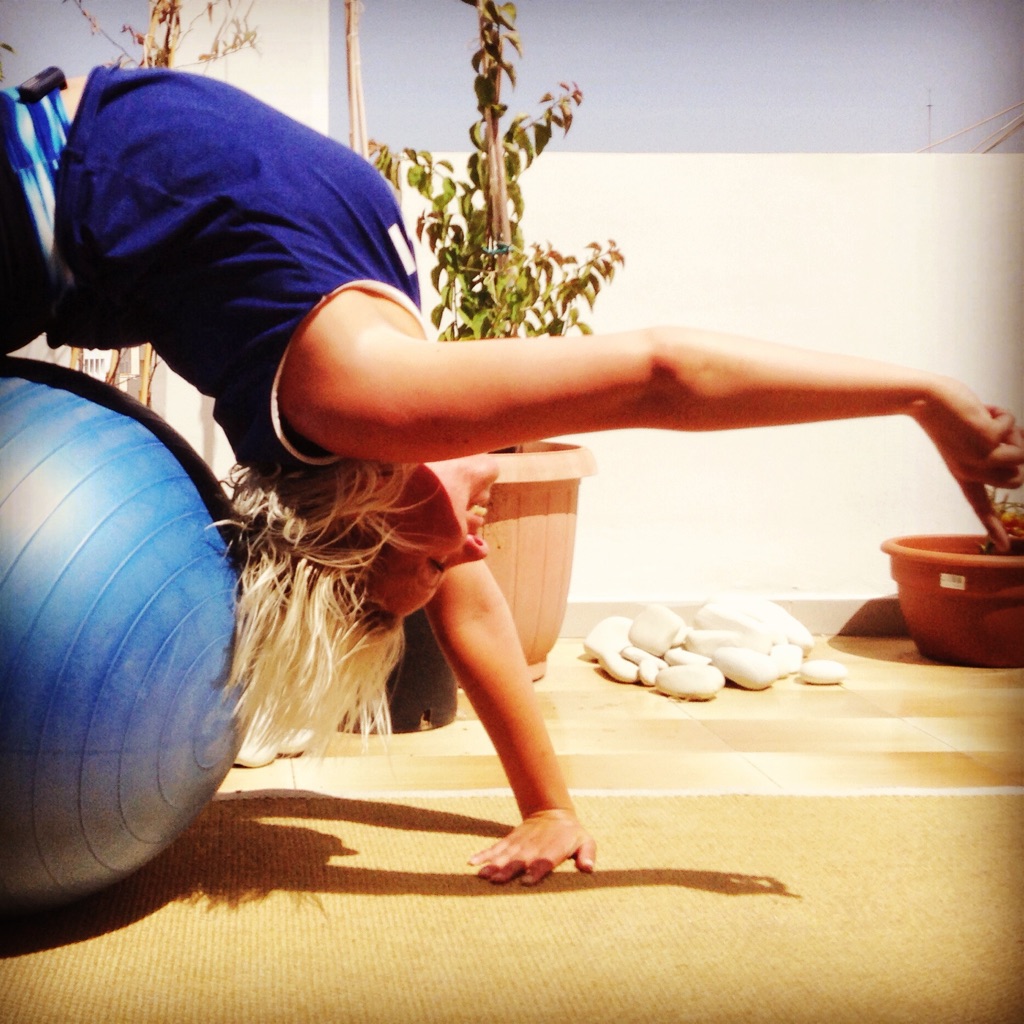
    Eventually I advanced to see if gravity would help. Btw the aligment on the hand of the ground is nothing to follow, it is in that angle just to support my weight better. And the swiss ball was to even get to this position (and to prevent me from breaking my neck.) // Jossain vaiheessa edistyttiin tilanteeseen jossa pääsin katsastamaan josko painovoimasta on apua. Maassa olevan käden linjaus on ihan päin kuusia mutta sen tehtävä oli kannattaa koko kehoa. Jumppapallo taas mahdollisti että pääsin edes koko asentoon.

    I had thought about a Facebook page for my yoga stuff but as this week several people asked if I have one it was time to create one. So here it is, go, like  and share articles related to yoga and wellbeing you find interesting!

    Facebook-sivun luominen on ollut mielessä pidempääkin mutta tällä viikolla useampikin ihminen kyseli sellaisen perään joten täältä pesee. Käy tykkäämässä ja jaa myös jooga-aiheisia juttuja jotka ovat kiinnostavia!

    img_20170120_200414.jpg
    This picture is from January 2017 // Kuva tammikuulta 2017.

    And the shoulder? After a year of work (physio, surgery, more physio and yoga) it became better than it was! I was enormously lucky to find a physio with a very holistic and positive approach (and I visited few who definitely were not: one told me my shoulder was never going to be very good. Cue I started crying, he went akward.) It is not always straight forward but finding the right people to surround you is very much worth the effort.

    Entäs se olkapää? Koko prosessiin meni fysioterapian, leikkauksen, fysion ja joogan kanssa yhteensä vuosi mutta olkapäästä tuli parempi kuin alkuperäisestä. Olin myös onnekas löytäessäni fysion jolla oli holistinen ja positiivinen asenne kuntouttamiseen. Tapasin myös muutamia fysioita jotka olivat hieman mekaanisempia: yksi sanoi suoraan että olkapäästäni ei tule kunnollista ikinä. Aloin itkemään, fysio tuijotteli seiniä. Tarinan moraali? Oikeiden tyyppien löytäminen asiaan kuin asiaan ei ole aina helppoa mutta maksaa vaivan.

    Tallenna

  • Joogafilosofiaa: Niyamat eli yksilön suhde itseensä

    Joogafilosofiaa: Niyamat eli yksilön suhde itseensä

    Patanjalin Joogasutrissa esitellyn kahdeksanhaaraisen polun (“systeemin”) ensimmäinen askel, yamat, kuvailee kuinka saavuttaa harmoninen ja rauhanomainen asenne ulkomaailman kanssa. Toinen askele näissä kahdeksassa eettisessä neuvossa, niyamat, keskittyy puolestaan suhteeseen oman itsemme kanssa. Niyamoja voi kuvailla eräänlaisiksi mielen, kehon ja aistien treenaamiseksi matkalla kohti korkeampaa tietoisuutta ja täydellistä vapautta.

    Jos tämä kuulostaa hieman liian haastavalta tavoitteelta tähän hetkeen mikään ei kuitenkaan estä pohtimasta niyamoja kevyemmällä tavalla, tutustumalla niiden ideaan ja miettimällä kuinka ne istuvat (tai eivät) omaan elämään tällä hetkellä.

    Saucha

    Saucha viittaa sekä ruumiin ja mielen puhdistukseen ja puhtauteen. Ideana on että tarvitsemme kirkkaan ja selkeän mielen saavuttaaksemme tyyneyden tilan. Tämä tila on välttämätön jos haluamme päästä korkeimman viisauden ja vapauden asteelle. Saucha ei kuitenkaan vaadi että elämme elämäämme steriilisti. Järjestys ja puhtaus auttavat paljon (eli Kon-Marit esiin jossei ole jo!) mutta meidän on pidettävä mielessä myös isommat kokonaisuudet: kenen kanssa vietämme aikaamme, miten vietämme vapaa-aikaamme (ts. baarit vs ulkoilmassa oleskelu) ja luonnollisesti myös millaista ruokaa ja juomaa suuhumme pistämme. Saucha on yksi joogasutrissa mainituista elementeistä jotka selittävät minkä takia monet joogaajat ovat vegaaneja.

    img_20170131_143642.jpg
    Mitäs sinne suuhun tuli taas pistettyä?

    Santosha

    Santosha tarkoittaa tyytyväisyyttä tai onnellisuutta. Sivistyssanakirja määrittelee onnellisuuden sanoilla suotuisuus ja otollisuus. Synonyymeiksi tarjoiltiin seuraavia vaihtoehtoja: onni, autuus, iloisuus, pirteys, tyytyväisyys, mielenrauha, nautinto, ilo, hyvinvointi, elämänilo.

    Joogasutrien mukaan ongelma onnellisuuden saavuttamiseksi on oma egomme ja valitettava tosiasia että ihmisluonto helposti havittelee aina jotain lisää ja/tai jotain muuta: omasta mielestämme parempia asana-harjoituksia, täydellisiä ihmissuhteita, parempaa urakehitystä, enemmän tavaroita ja matkoja… Onnellisuus tulee kuitenkin ymmärtämällä että meillä on jo kaikkea mitä tarvitsemme ja osoittamalla kiitollisuutta sitä kohtaan.

    Tästä asiasta on viime aikoina kirjoitettu niin paljon että ei tästä sen enempää. Santoshan saavuttaminen kun vaatii harjoittelua itsemme ja ajatustemme kanssa ennemminkuin siitä loputtomasti lukemista.

    Tapas

    Tapas on aikojen saatossa käännetty monella eri tavalla mutta suomeksi se selittyy parhaiten sanalla “itsekuri.” Tapas on se prosessi jonka käymme lävitse kun teemme (tai pakotamme itsemme tekemään) jotain joka ei yhtään huvittaisi mutta jonka tiedämme olevan meille hyvästä. Ajatuksena on että itsekuri ja vaivannäkö jota käytämme on eräänlainen sisäinen liekki joka poistaa meistä epäpuhtauksia ja vahvistaa sekä ruumista ja mieltä. Tapas auttaa meitä pääsemään irti epäterveellisistä tavoista ja luomaan uusia, terveellisiä rutiineja.

    Esimerkkinä tapaksen toiminnasta ovat mm. ne salitreenit, aamulenkit ja joogaharjoitukset jotka eivät yhtään huvittaneet mutta joiden jälkeen olo on todella hyvä. Tällaisen suorituksen jälkeen voi myös tehdä mieli syödä terveellisemmin ja siten luoda uusia terveellisiä tapoja.

    img_20170128_175913.jpg
    Näihin lenkkimaastoihin lähtemiseen ei kauheasti itsekuria tarvitse.

    Svadhyaha

    Svadhyaha on itsetutkimusta ja pyrkimystä kasvattamaan tietoisuutta mitä itsemme sisällä tapahtuu. Lopullinen päämäärä on päästä yhteyteen todellisen luontomme kanssa jossa joogasutrien mukaan olemme yhtä kaiken meitä ympäröivän kanssa, puhtaassa totuudessa.

    Useimmille meistä tämä vaikuttaa hieman turhan kunnianhimoiselta pyrkimykseltä mutta Svadhyahan voi helposti aloittaa miettimällä omia toimintatapojaan ja reaktioitaan eri tilanteissa: Mitkä asiat saavat meidät ärtymään ja mikä niissä oikein ärsyttää. Jos esimerkiksi juna pysähtyy raiteille kesken matkan, ärsyynnymme helposti koska tiedämme myöhästyvämme töistä. Mutta minkä takia myöhästyminen ärsyttää meitä? Onko se, koska joku on siellä meitä odottamassa vai mikä? Entä ovatko ruokatottumuksemme sellaiset joihin olemme tyytyväisiä vai haaveilemmeko muuttavamme niissä jotain? Kuinka pääsemme tavoitteeseemme ja onko tämä tavoite sellainen johon päästyämme se tulee pysymään tapana?

    Tämän tyylinen itsetutkistelu on tärkeää suorittaa empaattisesti ja ymmärtäväisesti itseään kohtaan, mutta myös käyttää sen tukena tekstejä jotka tukevat sitä, vaikkapa joogasutria tai muita hengellisiä tekstejä. Näin perspektiivi säilyy ja ymmärrämme paremmin kuin useimmat tuntemukset ja “ihmisyyden haasteet” ovat universaaleja ja tuttuja meille monille, taustasta riippumatta. Tämä myös takaa ettei harjoittamamme svadhyaha pyöri vain oman navan ympärillä. Ajan kanssa tällainen harjoittelu tekee meistä tasapainoisempia, rauhallisempia ja tyytyväisiä, sekä itseämme että muita kohtaan.

    Ishvara Prandihana

    Ishvara Pranadihana viittaa kykyyn hellittää, “päästää irti” ja antautua korkeamman voiman johdatettavaksi (mikä se korkein voima tai energia sitten itse kullekin on.) Yksinkertaistettuna tämä tarkoittaa omasta egosta luopumista (tai ainakin sen yrittämistä) ja omistamalla elämänsä (tai joogaharjoituksensa tms.) korkeammalle taholle. Jo tämän omistautumisen osoittaminen muistuttaa meitä yhteydestämme johonkin isompaan ja on merkki luottamuksesta että tämä voima vie meitä universaalia totuutta kohti.

    Tämä teksti on käännetty alkuperäisestä englanniksi kirjoittamasti versiosta jossa lähdeaineistona on käytetty seuraavia sivustoja ja kirjoja:

    wp-image-935548709jpg.jpeg

    Tallenna

  • About Yoga Photos for Instagram…

    About Yoga Photos for Instagram…

    After all the talk about the Yoga Sutras I feel the need (maybe you do too) for some comic relief. So who else to turn to than JP Sears and his video about the importance of Yoga Photos for Instagram.

    My own yoga pictures do not ever rarely always turn out like I imagined them in my head. Here are few of them that I find quite funny, although not necessarily that informative or esthetically pleasing as I wanted them. Special note for the fact that the horizon is NEVER straight when I use the self-timer.

    Faceplant-asana. At least my elbows are by my body.

    img_4112

    “Escape, quick, before the human kicks!”

    img_8549

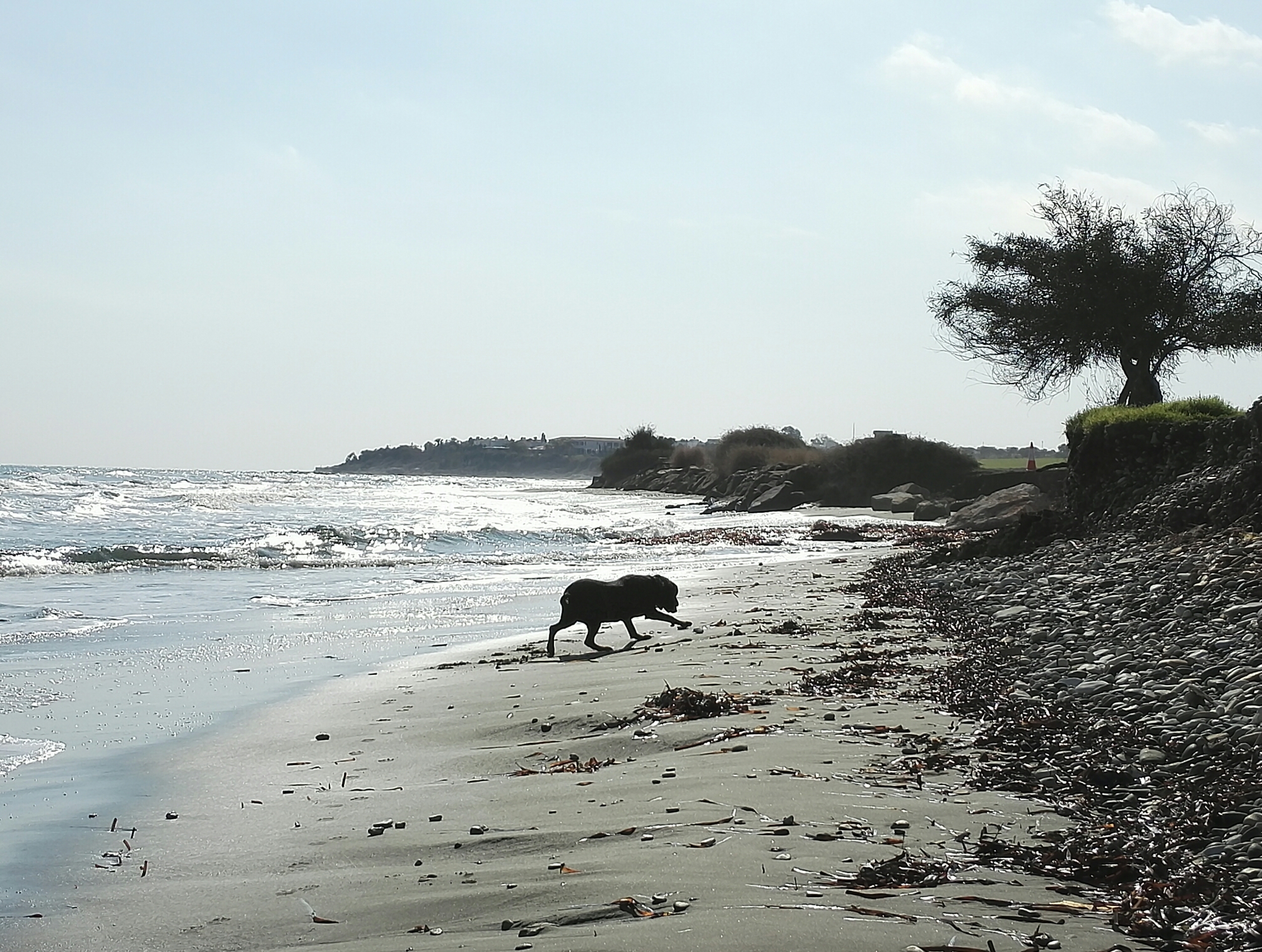
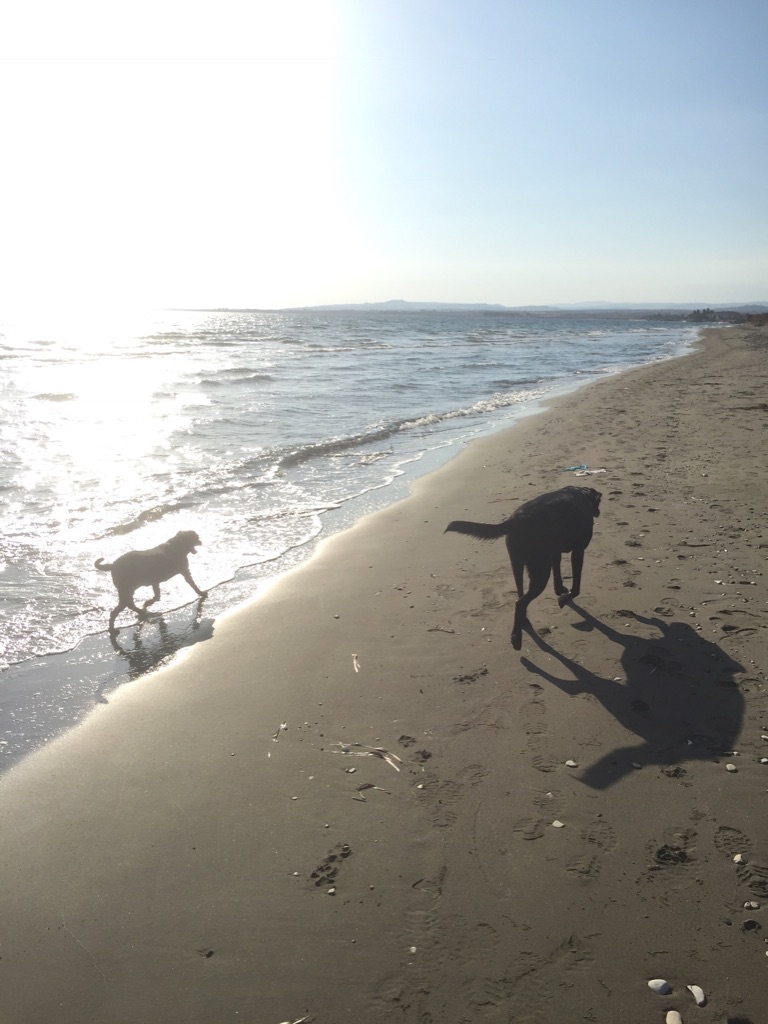
    Proof that animals learn quick. Set the camera – they are in the sea. And who needs a head in the picture anyway?

    img_1075

    Well, they are loyal too. “You need help Human? Looks like you are falling over?”

    img_3230

    Oh hello Kalimera, just streching and looking akward to start off the day.

    The last two photos are taken by Heidi Marttinen and the horizon is straight.


    Tallenna

    Tallenna
  • January Abstinence Yogi Style: The Niyamas

    January Abstinence Yogi Style: The Niyamas

    In the eight limb system of yoga outlined in the Yoga Sutras of Patanjali the the first limb, the yamas, are about our relationship with the outside. The second step, the niyamas, are more about the relationship we have with ourselves. You can view them as a form of a self-training to prepare mind, body and senses on the yogic path. They also offer great material for all of us to reflect upon as a type of lifestyle observances even if we are not necessarily aiming for enlightenment so lets have a closer look!

    Saucha

    Saucha refers to purity and purification (some also use the word hygiene) of both body and mind. The idea is that clean and uncluttered state, both physical and mental, is required to create the calm needed in attaining wisdom and spiritual liberation. Saucha does not however mean purity as in literal sterility. Orderliness and cleanliness are helpful but we should focus more on the bigger picture: the people we spend time with, how we entertain ourselves and of course the food and drink we consume. Saucha is one of the aspects behind the reason so many yogis are vegans.

    Sutra 2.40: “By purification, the body’s protective impulses are awakened, as well as a disinclination for detrimental contact with others.”

    Santosha

    Santosha means contentment and for explanation of it I first turned to a dictionary. There contentment is explained as follows: ”A state of happiness and satisfaction”, ”freedom from worry or restlessness” and ” peaceful satisfaction.” Sounds wonderful, right?

    The trouble is that our minds and Ego work the opposite way: it is very human to crave for something else, be it the ”perfect” yoga pose, career, relationships, success, stuff, more stuff… Yet contentment comes from accepting and being grateful of what we already have instead of running after something that we think – but do not know – will make us, well, more content.

    contentment

    Tapas

    Tapas has many translations, ranging from ascetism to self-discipline, effort, internal fire and ”purification through discipline.” It is the process of putting ourselves through something we do not necessarily want to do but we know is good for you. The idea is that through the effort – an inner fire pushing us – we also burn away impurities and strengthen ourselves. Tapas helps us to cultivate healthy habits and break away from unhealthy ones.

    For example, a daily work out or a yoga practise can be hard to maintain but we make ourselves to go through with it. After the exercise we feel better ourselves and may even be encouraged to have a healthier meal than usual to nourish ourselves.

    Svadhyaya

    Svadhyaya refers to self-study with the ultimate aim of getting in contact with divine nature. If this seems a bit over ambitious for now, no need to worry. Svadhyahya can be scaled down to more approachable levels by inquiring about ourselves: What are the things that push our buttons, good or bad? What are the patterns of behaviour we have and do they serve us well? How can we chance habits we wish not to keep?

    This type of self-observation, done with empathy and compassion, can then be combined with the study of spiritual texts of one’s choice (Yoga Sutras, Bible, pick your religion…) that are in the service of Svadhyaya. This helps to keep and give perspective and understand the universally shared feelings and questions that exist in the world, rather than making Svadhyaya all about the self, ”me.” With time this leads us towards a more stable and peaceful existence, both internally and externally.

    Sutra 2.44 “Through study comes communion with one’s chosen deity.”

    Ishvara Prandihana

    The big one, dedication of one’s practise to a higher power (whatever you choose to call yours.) In simple terms this means letting go of the ego and dedicating one’s practise, or the fruits of one’s labour, to something greater than us. The act of dedication in itself is a remainder of our connection to something higher and a sign of trusting that force to guide us towards the universal truth.

    And that’s the end of the short introduction to yamas and niyamas. There is obviously a lot more to read on the topic. For my own studies and as background for these articles I have used the following books and sites:

    img_20170120_182424.jpg

    Tallenna

    Tallenna

    Tallenna

  • Joogafilosofiaa: Yamat eli yksilön suhde ympäristöön

    Joogafilosofiaa: Yamat eli yksilön suhde ympäristöön

    Kirjoitin aiemmin lyhyesti joogan kahdeksasta raajasta kuten Patanjali on ne kirjannut joogasutrissaan. Useat meistä tuntevat ainakin konsepteina pranayaman (hengitysharjoitukset), asanat (fyysisen harjoituksen) ja meditaation. Ensimmäinen raajoista on kuitenkin Yama joka kirjaa rajoituksia ja sosiaalisia käyttäytymisohjeita joita joogin tulisi noudattaa elämässään. Mikä olisikaan parempi aihe tammikuulle?

    Ahimsa

    Väkivallattomuus (”ei-tarkoituksellinen-vahingoittaminen.”) Ahimsa ei tarkoita pelkästään fyysisen väkivallan karttamista vaan väkivaltaa myös ajatusten tasolla, toisiamme ja itseämme kohtaan. Puhutko muille (ja muista) ystävällisesti, entä riittääkö itsellesi myötätuntoa jos et mennytkään työpäivän jälkeen lenkille vaan istuit sen sijaan television eteen? Ahimsa ei kuitenkaan tarkoita että kaikkeen pitäisi suhteutua rakkaudella ja lempeydellä: meillä on kaikilla oikeus puolustaa itseämme jos tällä vältetään suurempi väkivalta.

    Satya

    Totuudellisuus ajatuksissa, sanoissa ja käytöksessä. Satya kuitenkin vaatii meitä ymmärtämään että totuus voi olla suurempi kuin oma näkemyksemme asiasta, ja että mielipiteet eivät ole sama asia kuin totuus. Satya ”toimii” myös ahimsan piirissä joten se ei oikeuta päästämään suustansa loukkauksia, olivat ne kuinka totta tahansa.

    img_0136

    Asteya

    Älä varasta, mitään. Ei tavaroita, toisten aikaa, työideoita, energiaa tai hyvää mieltä. Maksa myös lainasi takaisin.

    Brahmacarya

    Pidättyväisyys, elinvoiman säästäminen. Brahmacaryasta puhutaan usein selibaatin yhteydessä mutta tarkempi merkitys on energian säästäminen. Esimerkiksi erilaiset tunnekuohut vievät paljon energiaa joista seuraa väsymys: Brahmacarya kutsuukin meitä olemaan tunteitemme herroja ja käyttäytymään rauhallisesti ja harkitusti mutta myös pakottamatta ja väkipakolla.

    Aparigraha

    Tämä viittaa kohtuullisuuteen kulutuksessa ja ahneuden välttämättä. Me emme ole mitä omistamme ja kiintymys tavaroihin on tietynlaista orjuutta. Kyseessä on siis tietynlainen Kon Mari-ajatus: meidän pitää pystyä luopumaan siitä mitä emme tarvitse. Aparigraha viittaa myös käyttäytymismalleihin ja ajatuksiin. Olemme kaikki kyvykkäitä haastamaan vanhat ajatuksemme ja tapamme: Voimme vaikka vaihtaa äänestämäämme puoluetta jos parempi ehdokas löytyy toisesta puolueesta, tai sanomaan ”ei” tilanteissa joissa tähän asti olemme sanoneet aina ”kyllä.”

    Yamoista voisi kirjoittaa loputtomiin mutta herättikö tämä lyhyt esittely ajatuksia ja/tai kysymyksiä?

    Finland in December

    Tallenna

  • January Abstinence Yogi Style: The Yamas

    January Abstinence Yogi Style: The Yamas

    Earlier I wrote a brief post about the eight limbs of yoga as described by Patanjali in his Yoga Sutras. Most students of yoga are familiar with three of them: breath (pranayama), posture (asana) and meditation. The remaining five are not often even mentioned in many (asana) classes and if we were to come across them somewhere they can understandably seem a bit hard to grasp.

    What is however offered in Patanjali’s writings is still very much relevant to this day. In short, he offers – not dictates – a guide for us to contemplate and follow to help us all on our way to a happier, more peaceful live. The first limb, the yamas, are about restraint, abstinences and self-regulation: a code of self-regulation. As it is January, this seems a very suitable topic so lets break the five yamas down.

    Ahimsa

    Ahimsa is the principle of non-violence, non-harming and non-injury and it is the highest of the yamas. Rather than referring simply to physical aspects of violence (or to say, non consumption of animal products), ahimsa also means letting go of hostile, aggressive or irritating thoughts as they prevents us from being at peace with ourselves. Included in this concept is also how we treat ourselves: do we speak to ourselves with the same kindness and respect than we speak to others? Ahimsa does not however tell us fall victim: we are all allowed to defend or protect ourselves, if this is to prevent larger harm from happening.

    Sutra 2.35: “As a Yogi becomes firmly grounded in non-injury (ahimsa), other people who come near will naturally lose any feelings of hostility (ahimsa pratishthayam tat vaira-tyagah.)”

    Satya

    Satya is the concept of truthfulness and honestly. The key to satya is to understand that it does not simply refer to what is our subjective truth. Instead it calls for an understanding for the larger truth takes into account in the big picture: opinions (e.g. gossip) are separate from the truth and it is important we learn to distinguish between the two.

     Satya also means that our thoughts, words and actions are in line: that we not only talk the talk, we also walk the walk. However, Satya is measured in relation to ahima, non-violence. It does not give us the permission to go around and say what we please to people in the name of ”but it is true” as this can be hurtful.

    Friends

    Asteya

    Asteya is what we also know as ”thou shalt not steal.” But as this is yoga, asteya does not simply refer to material things. Theft also exists in the form of taking others’ time (for instance, by being excessively late), draining their energy, ruining their happy mood or using their work ideas. Asteya invites us to reflect what and how we consume, well, everything: the idea is that all energy is interconnected and what you take from somebody else excessively always creates an imbalance.

    In a practical sense asteya can be seen in the principle of fair trade. Another example would be not paying back something that you should.

    Brahmacharya

    Brahmacharya is often translated as continence, but it does not mean celibacy is required to be a ”good yogi.” Widely speaking brahmacharya refers to being aware of the divine, and living in a way that is mindful of the energy we use. We all have experienced situations we have gotten disproportionally angry or agitated over something and ended up exhausted for it – not a good use of our energy. Another good example is how we use our effort during asana practise: are we practising mindfully and relaxed mind or focusing more on how we think our backbend should look? Which type of practise is more pleasurable?

    Sutra 2.38: “To one established in continence, vigor is gained.”

    Aparigraha

    Aparigraha refers to non-possessiveness, or non-greed. Simply put it means we should not accumulate stuff excessively or get attached to what we own. We are not the things we possess, nor do they define our personality or value.

    On a non-material level aparigraha means we should let go of old beliefs if they do not serve us anymore: For instance, how we behave with our friends or other relationships can change if the circumstances necessity a different attitude. Equally, we do not have to vote for the same party all our lives if a better option emerges. Our identities do not need to be fixed, and with the realisation of that comes freedom.

    This was should a quick introduction to yamas but how do they sound to you? Feel free to drop a comment to add, disagree, say you what to want to say – nothing better than a good discussion.

    img_1343

    Tallenna

  • CMD 2017/renew

    CMD 2017/renew

    What seems to be the most anticipated New Year is finally here and yes, I for one am pretty happy for it. Not because 2016 was personally the worst ever (but it was very bizarre) but because those weird ”non-existent days” between Christmas and New Year always make me feel like I am on a weird limbo-timeloop where nothing you do really counts (for the good and the bad of it.) So, hello 2017 and normal life!

    I participated in a Circle earlier this week where we reflected on the year that has been and meditated over our intentions for 2017. After a year that felt like somebody was sitting on a reset button the whole time it felt appropriate to give thought to what type of a person I want to be in a years time? What do I want to achieve, what actions am I going to take to get to attain my goals, and how would I want others to describe me after 356 days?

    Years ago I saw a quote that said something along the lines of ”your integrity as a person does not depend of the situation you are in.” This is something keeps coming to my head since almost on a daily basis. It is said that an opportunity can make a thief, and nobody might be watching but just because something is possible does not necessarily make it the right thing.

    So I meditated on letting go on anything that does not serve me, on things I want to keep with me and staying true to myself and my believes. On loving myself first and demanding the same respect from others than I want to give to others.

    I know it will not always be easy and I will be tested on it many times. However the feeling that it is widely possible is even stronger. And it gives me a reason to keep going with a regular meditation practise, something that I have found just as difficult. I will do it and I will do my very best to act what I say here. Because otherwise, it’s just words that do not mean a thing.

    Do you want to join me?things-we-have-control-over

    Maailmanhistorian ehkä odotetuin vuodenvaihde on tapahtunut ja minäkin olen siitä iloinen. Vuosi 2016 ei henkilökohtaisesti ollut kyllä se kamalin ikinä vaikkakin kiitettävän kummallinen. Eniten iloitsen kuitenkin siitä että välipäivät, jotka ovat aina tuntuneet siltä kun niitä ei jotenkin olisikaan ja sen takia niiden aikana tapahtuvia asioita ei myös lasketa (hyvässä ja pahassa), ovat ohitse. Eli, tervetuloa 2017 ja normaali elämä!

    Aiemmin tällä viikolla osallistuin illanviettoon jossa mietimme mennyttä vuotta ja meditoimme vuoden 2017 aikeita. Viime vuosi tuntui siltä että joku painoi koko ajan elämän “reset”-nappia ja olo oli kuin täillä tervassa tuntui sopivalta pohtia millainen ihminen haluan olla vuoden päästä? Mitä haluan saavuttaa, mitä minun pitää tehdä ja missä mittakaavassa jotta pääsisin tavoitteisiini ja kuinka haluaisin muiden kuvailevan itseäni 365 päivän päästä?

    Vuosia sitten luin jostain kuinka rehellisyytemme ja lahjomattomuutemme ovat riippumattomia tilanteista joista löydämme itsemme. Tämä ajatus on siitä lähtien tullut päähäni melkein joka päivä: Sanotaan, että tilaisuus tekee varkaan mutta vaikka kukaan ei olisikaan katselemassa, tilaisuus tekemiseen ei tee siitä aina oikeaa.

    Mietin siis asioita ja olotiloja joista haluan päästää irti, niitä juttuja joista haluan pitää kiinni ja kuinka kuunnella itseään ja elää mahdollisimman rehellisesti ja omannäköisesti. Kuinka tärkeää on rakastaa itseään ennen kaikkea ja vaatia samaa kunnioitusta toisilta itseään kohtaan minkä myös antaa toisille.

    Tiedän jo että tämä ei tule olemaan helppoa joka päivä. Vielä isompi on kuitenkin tunne että se on kuitenkin ehdottoman mahdollista. Nyt on myös syy säännölliselle meditaatio-harjoitukselle joka myös on tuntunut hankalalta toteuttaa. Tulen kuitenkin tekemään parhaani toteuttaakseni tätä ajatusta vuonna 2017 koska tyhjillä lupauksilla ei kukaan te mitään.

    Liitytkö mukaan?

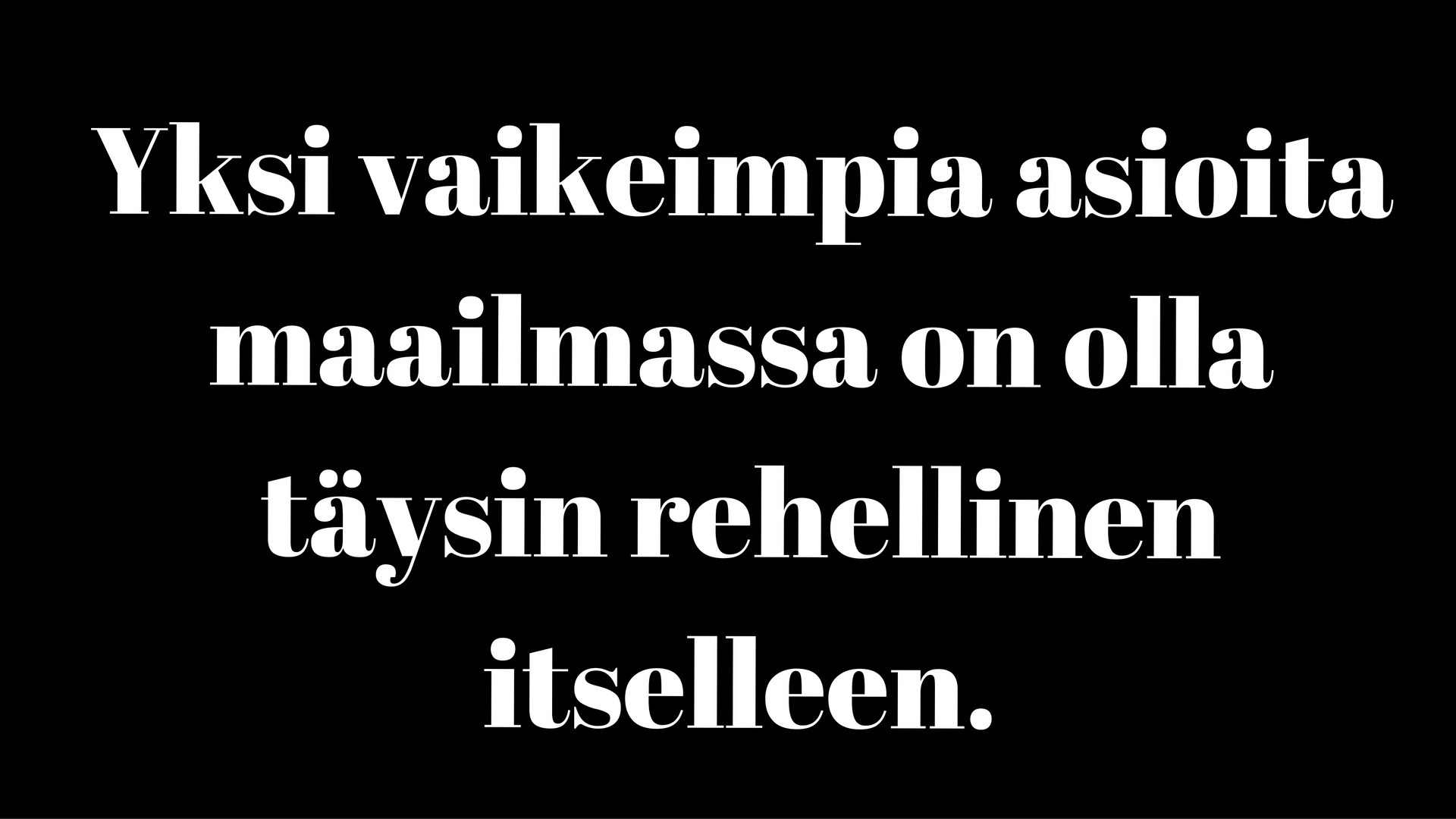
    rehellisyys


    Tallenna

  • CMD 2016/release

    CMD 2016/release

    It’s the last day of the year and I went for a swim to wash myself clean of 2016!

    Bring on the New Year’s Eve, the two rings of 23:59 on this Island with a horizontal timezone across the Capital and all of 2017!

    Tallenna