Blog

  • Instagramin joogakuvista

    Instagramin joogakuvista

    Viime viikot on olleet todella raskaat. Surullisia asioita, kiireellinen duunideadline (joskin myös mukava työ) ja paljon avoimia kysymyksia tulevaisuudesta joihin ei tunnu löytyvän vastauksia ainakaan hakemalla.

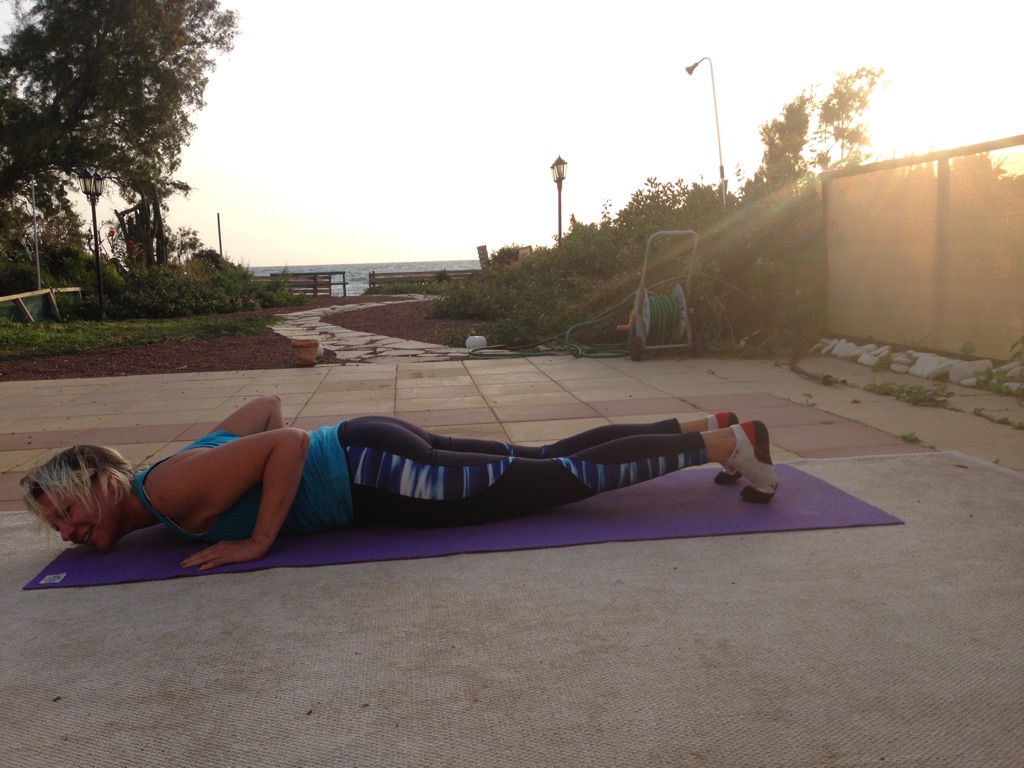
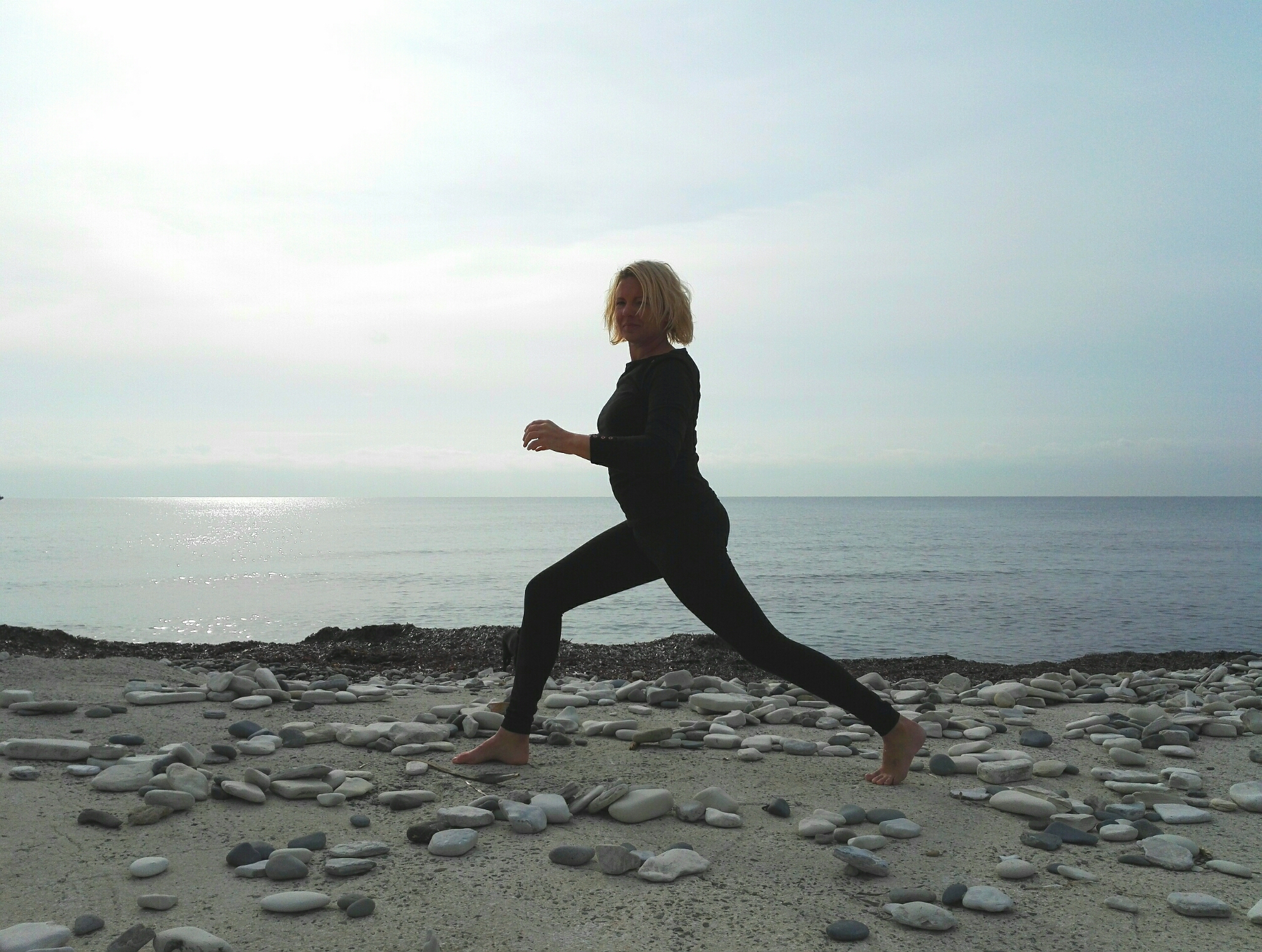
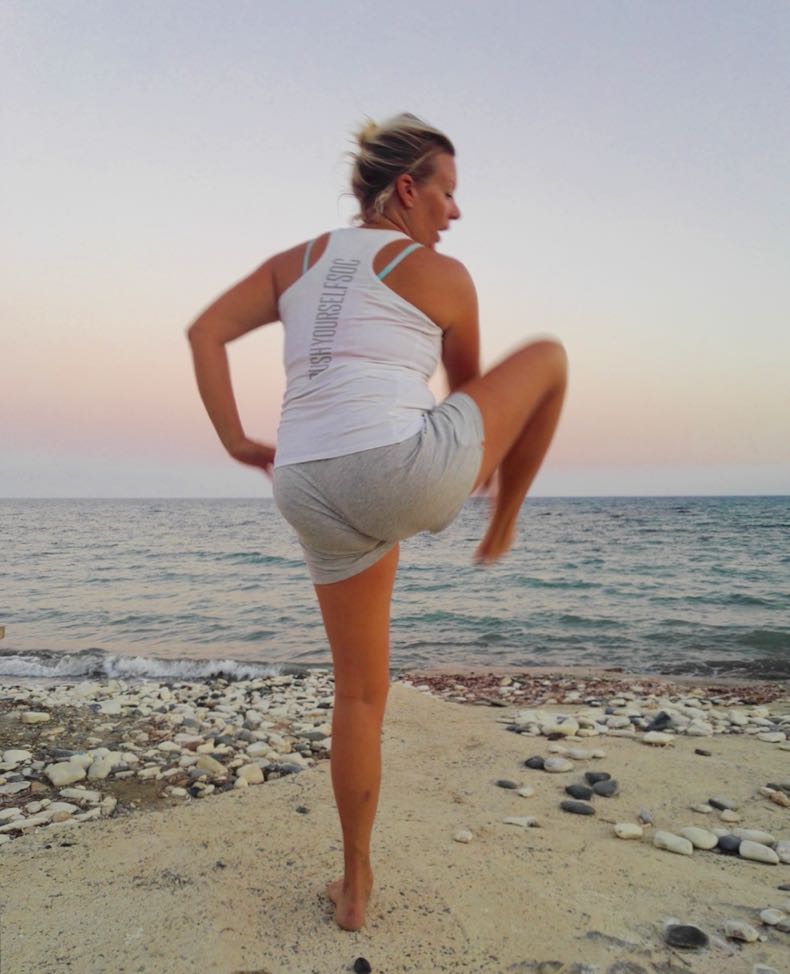
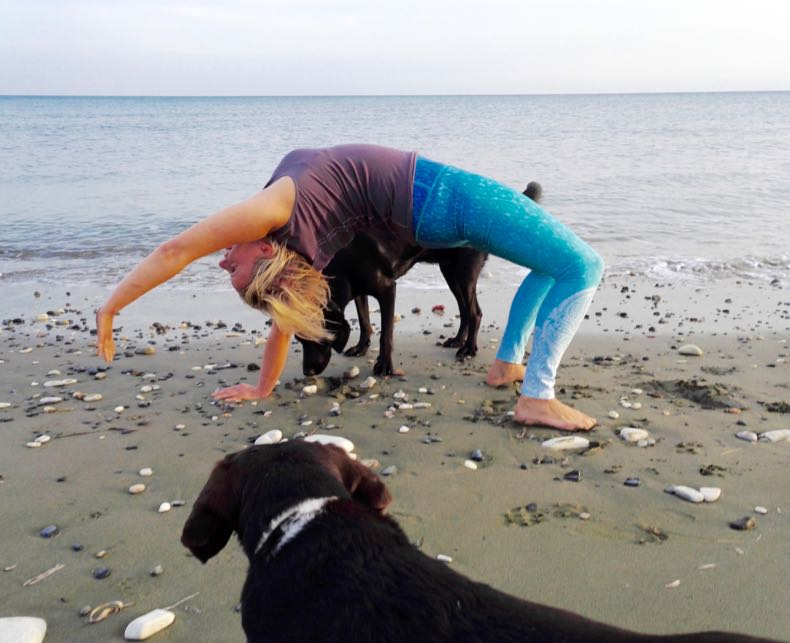
    Tälläinen tilanne vaatii siis pikaisesti jotain hauskuutta! Vanhoja postauksia kaivellessani löysin JP Searsin Instagram-videon joka naurattaa aina. Itselleen nauraminen on myös terveellistä joten videon perästä löytyy pari aiemmin julkaistua mutta myös ennennäkemättömiä joogaotoksia joista ei välity ei symmetriaa, eteerisyyttä tai sisäistä rauhaa.

    Erikoismaininta sille että horisontti ei ole koskaan suorassa ajastetuissa kuvissa vaikka sitä kuinka olisi yrittänyt.

    Naamallaan-sana. Käsivarret on kyllä tiiviisti kyljissä kiinni.

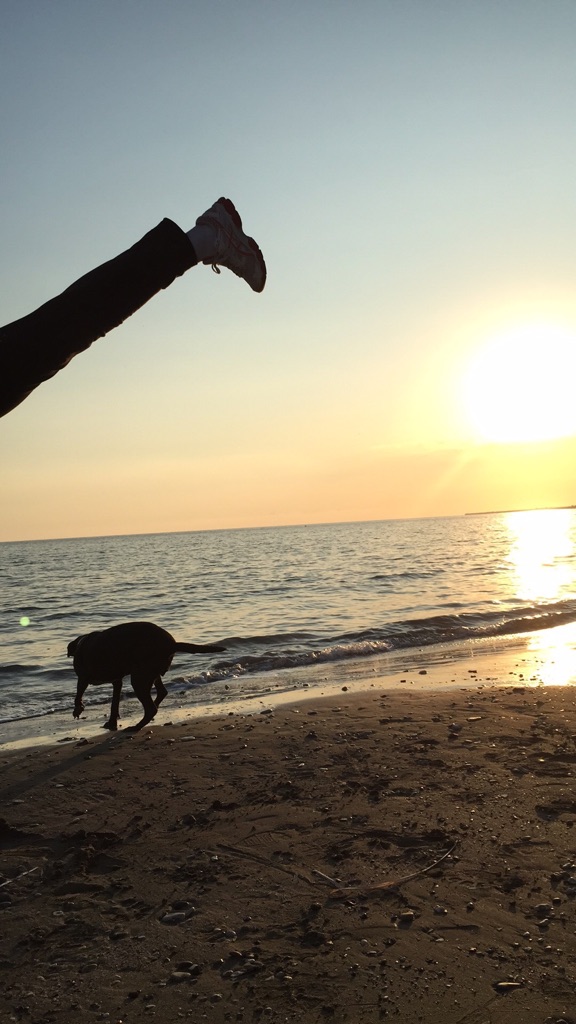
    “Äkkiä pakoon ennenkuin osuu!”

    Eläimet oppii nopeasti – Kamera, ihminen nostaa jalkaansa, paras häipyä mereen.

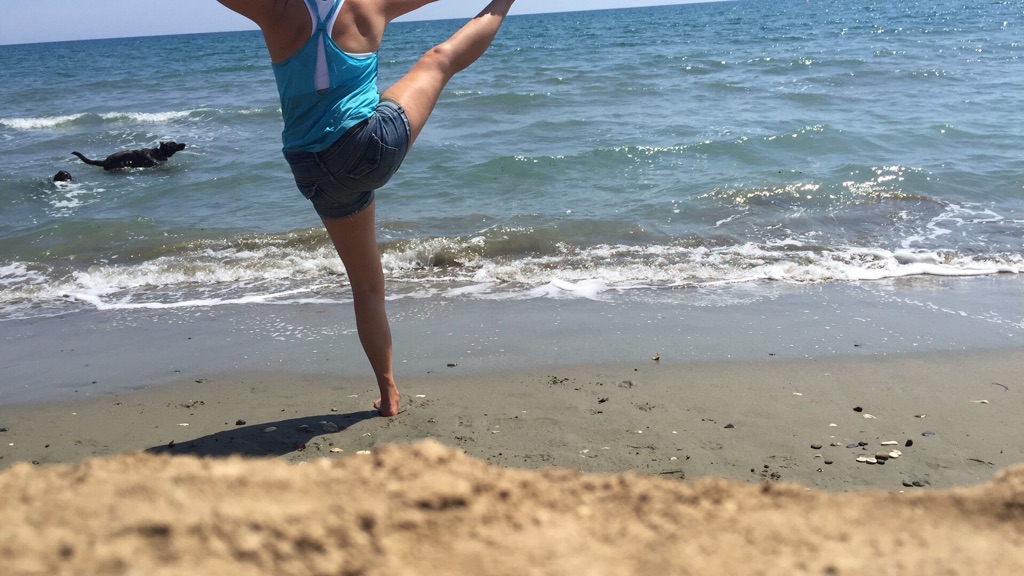
    Lojaalisuutta löytyy kuitenkin aina, varsinkin jos heiluu riittävän kauan.

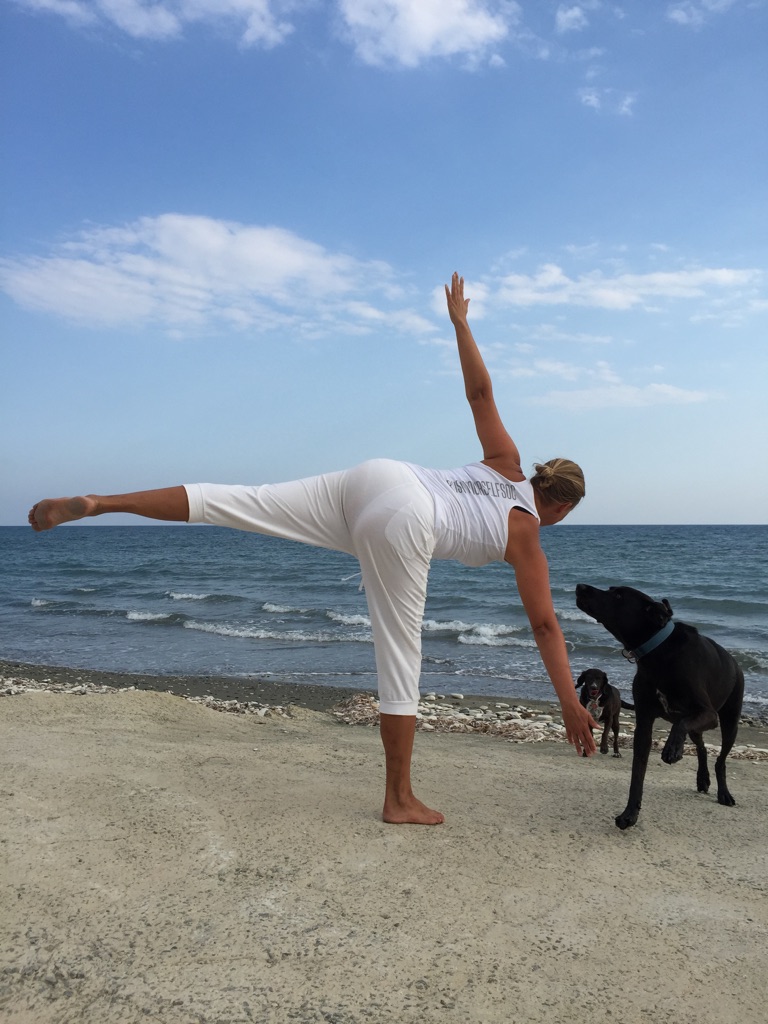
    halfmoon fail

    Kalimera, olen Suomesta ja on aamu, selittää varmaan tarpeeksi?

    warrior 1

    “Älä ota sitä kuvaa vielä!”

    Viimeiset kolme kuvaa (joissa horisontti on suorassa) on ottanut Heidi Marttinen.


    Tallenna

    Tallenna

    Tallenna

    Tallenna

    Tallenna

    Tallenna

    Tallenna

    Tallenna

  • The Traveling Yoga Mat

    The Traveling Yoga Mat

    It is 100% true that to practise yoga all you need is the willingness and the patience to do so. The yamas and the niyamas are accessible everywhere, and there is no “wrong” way of practising them. Equally breathing techniques, pranayama, can be incorporated into everything, because well, it’s breathing! As for asana practise, a minimum amount of flat space is of course desirable but after that, the choice of outfit is up to each of us. Even the yoga mat is not compulsory – after all in the ancient times yoga was practised on the ground and the yoga mat as we know it these days is a fairly modern Western invention.

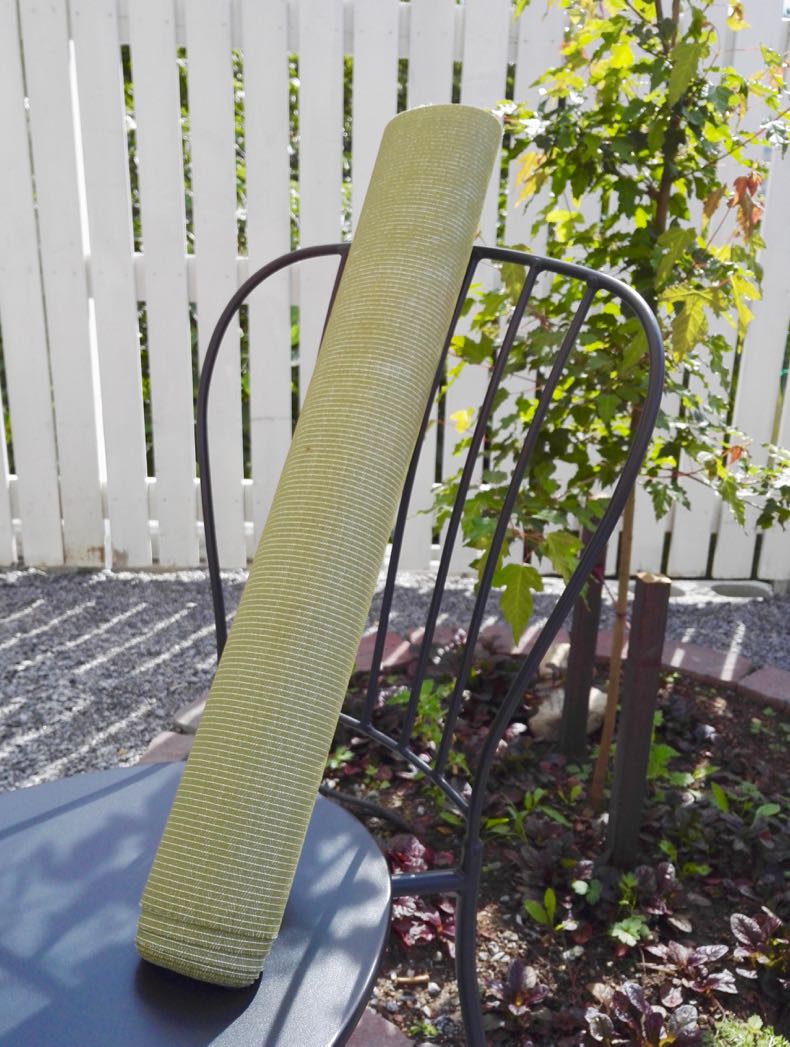
    The reality is however that many of us do prefer to practise with some kind of mat, and if asana practise is part of your routine, you probably prefer having your own mat with you as much as possible. Making space for the regular 180 cm and two-three kilo mat is not a massive issue when traveling with a proper suitcase. In fact, it often has come in handy as it can add some much needed cushioning for the more delicate items, such as a dozen or so Cypriot olive oil bottles I have found myself dragging to various places.

    Things get a little bit trickier though if you want to travel light with hand luggage only, a fact not helped by the fact that airlines (and airports) can have very different attitude towards bulkier items. About a year ago I invested in a foldable (eco-friendly and ethically made because these things matter) travel yoga mat and whilst folding the mat (instead of rolling) first felt like a sacrilege I did get used to it and seriously, this mat has been golden! It weights under 1,5 kilos (that’s 3.2 pounds), is about 2 millimetres thick and has the best grip of all my mats (mind you, the “normal” Jade mats also have a fantastic grip.) In my backpack I can wrap it around my laptop for extra protection, and I have also used it rolled up as a prop to open up the chest and as a picnic mat because why not?

    Some of the mat’s recent adventures are here in the pictures. You can read more about different yogamats here.

    Jade yoga mat Omenapuun alla

    Tallenna

    Tallenna

  • Yoga Tourist in Finland – Magnesia Festival

    Yoga Tourist in Finland – Magnesia Festival

    The first time I heard about Magnesia Festival, a two-day yoga and heartful living event taking place on a small island in front of Helsinki, was in May when a friend was visiting Cyprus for a weekend yoga-intensive with me. She had visited the inaugural event in 2016 and enjoyed it a lot. Whilst I am not really a camping-in-tent-festival type of person, I do enjoy the more urban type of happenings where you get sleep in a real bed at the end of the day. Magnesia offers this and combines a lot of things I enjoy: Summer in Finland, seaside, islands and ferry rides, yoga and a chilled atmosphere with smiley people not making too much noise.

    August is also the main holiday month in Cyprus whereas in Finland it spells the start of return to normal life. Therefore it made perfect sense for this year to plan my visit to the Motherland a little later than usual, and combine it to visit the day one of Magnesia yesterday.

    Suomen lippu

    The programme the festival offers contains different type of yoga classes, discussions about relationships, ayuveda and nutrition, dance workshops, tea ceremonies and lot more. With my one-day ticket I could pre-book one workshop of my choice, in addition to which it was possible to queue to other ones to see if there was space. There was also non-bookable programme on the main stage outdoor where you could also buy food and just chill. The ticket also included the 10-minute ferry ride to and from the Lonna Island where the festival takes place. It probably does not surprise anybody that this being Finland everything was super organised, hassle free and any question you could think of was answered online before you could even think of them. Queuing was done in order with strangers happily chatting to each other and the natural personal space of about 3 metres all direction each was cheerfully sacrificed by all to accommodate as many people as possible to the workshops.

    In the morning I took Marta Janeczek’s back- and forward bends workshop. Backbends and forward bends have opposing philosophy and benefits associated with them (physical and emotional opening, defiance in the face of vulnerability, stimulation of the nervous system vs. introversion, cooling down, soothing of the nervous system.) Whilst some yoga styles link strong backbends with forward bends closely in the same sequence, I have always been taught to (and it usually feels better for me personally) to at least have a slower transition and/or neutralising pose or two (such as downwards facing dog or a twist) in between them. I was really curious to see what kind of workshop was build around this concept and I was not left disappointed with this one.

    I did not know Marta before hand (quite frankly I know very few Finland based yoga teachers by name, let alone have taken their classes) but just based on this one experience I would recommend to seek her out in her Helsinki based yoga studio. She has a really calm, humble yet fun vibe to her AND manages to fill the space she holds with that energy – a gift not given to many. Based on her bio she has an Iyengar influenced background and the class had a lot of detail about the anatomy of the asana we were given, always a winner with me. Marta’s workshop really refreshed my appreciation for and detailed knowledge of many “basic” asana such as the cat and cow poses and just for that, I am grateful.

    My friend recommended an intuitive writing and yin-yoga workshop she had taken last year so we both had registered for that one. It was held in an old mine storehouse (in the olden days the Lonna island used to a mine clearing spot) with soft sunlight sweeping through the small windows in the sealing – and packed with people. I felt the class was maybe 10% writing and 90% yin but since you cannot really go wrong with yin, I was very happy to bliss out with the practise. I can always write at home but I cannot make that kind of unique setting with loads of people happen at a will.

    The rest of the day we spent just bumming around the grounds, watching a flow yoga practise taking place at the central stage and enjoying the sun and soft sea breeze. The weather was absolutely gorgeous yesterday that was appreciated by everybody, as the summer in Finland has been extremely rainy. Big thanks for all the Magnesia crew for putting out such a beautiful event – I will definitely do my best to come back next year!

    Magnesia festival

    Outdoor yoga

    Tallenna

    Tallenna

    Tallenna

    Tallenna

    Tallenna

    Tallenna

  • Siivoustalkoot auringonnousun aikaan

    Siivoustalkoot auringonnousun aikaan

    EU-maiden ympäristöystävällisyysvertailuissa Kypros löytyy yleensä listan häntäpäästä. Kierrätys ei ole läheskään yhtään yleistä kuin monessa muussa Euroopan maissa. Omassa kylässäni paperit ja muovit on tultu hakemaan toukokuusta lähtien kerran viikossa, kunhan ne ovat oikeanlaisissa säkeissä kadun reunalla (näitä oikeanlaisia säkkejä saa tietenkin ostaa kylän pormestarin omistamasta kaupasta…) Tölkkien keräys on lähinnä hyväntekeväisyysjärjestöjen kontolla jotka käyttävät alumiinista saadut rahat omiin kohteisiinsa. Muovipusseja saa useimmista kaupoista mukaansa niin paljon kun haluaa –  ja niitähän halutaan. Vuoden 2018 alusta muovipusseista aletaan keräämään samaa maksua jonka niistä joutuu useimmassa EU-maassa jo maksamaan joka tulee olemaan iso muutos parempaan suuntaan.

    Vaikka ympäristöasiat ovatkin yhä enemmän esillä uutisissa (ja ilmeisesti myös kouluissa) roskaamista näkee täällä joka päivä valitettavan paljon. Teillä näkee harva se hetki kuinka sätkät, take away frappemukit ja nenäliinat lentävät ikkunasta ulos. Myös enemmän tai vähemmän epämääräisiä muoviesineitä löytyy rannoilta ja katujen reunoilta uskomattomia määriä, kuten myös suljettuja muovipusseja jotka on vaan jätetty mihin sattuu. Varsinkin tämä jälkimmäinen on itselleni täydellinen käsittämättömyys: jos vaivaa on nähty jo sen verran että pieneen leipomosta saatuun muovipussiin on pistetty illan piknik-roskat niin miksei sitä samalla vaivalla sitten vie lähimpään roskapönttöön – niitä kun löytyy ilman sen suurempaa hakemista.

    Kyprokselta löytyy myös useita ”sininen lippu” – ja muitakin rantoja joita siivotaan jatkuvasti ja ne ovatkin hyvin siistejä. Toinen totuus paljastuukin näiden rantojen ulkopuolelle mentäessä. Monia rantoja siivotaan harvalleen viranomaisten toimesta ja muuten niiden siistiminen on vapaaehtoisten kontolla.

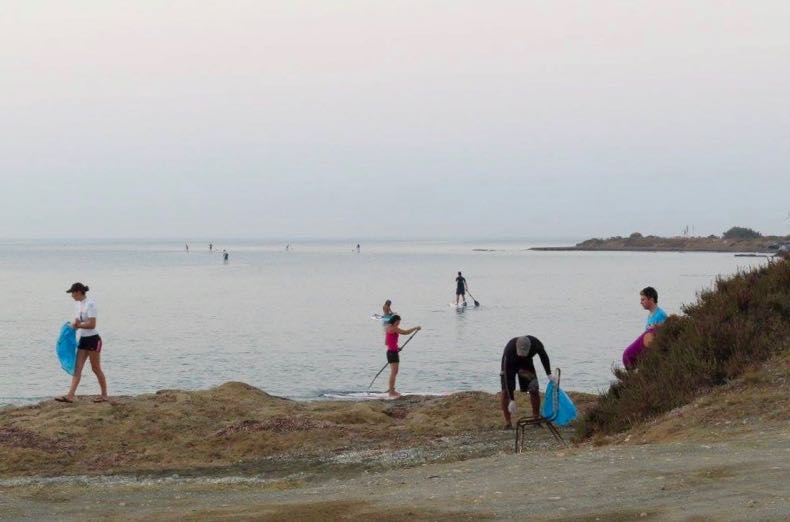
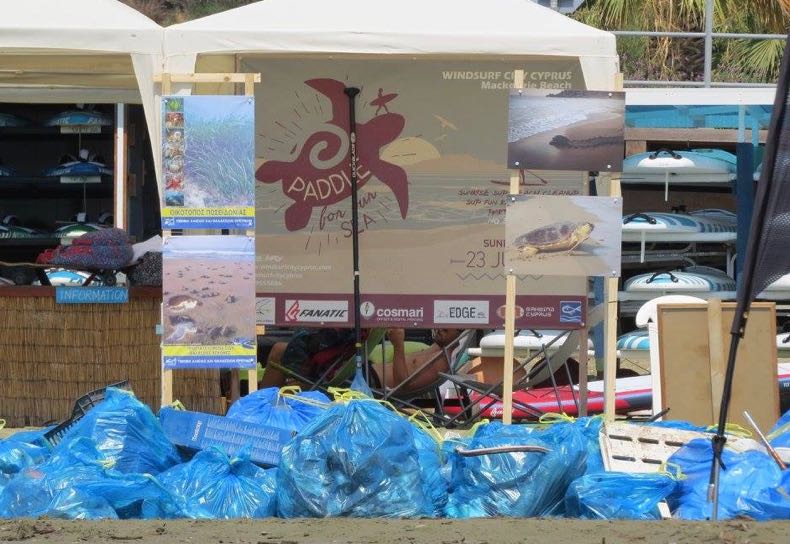
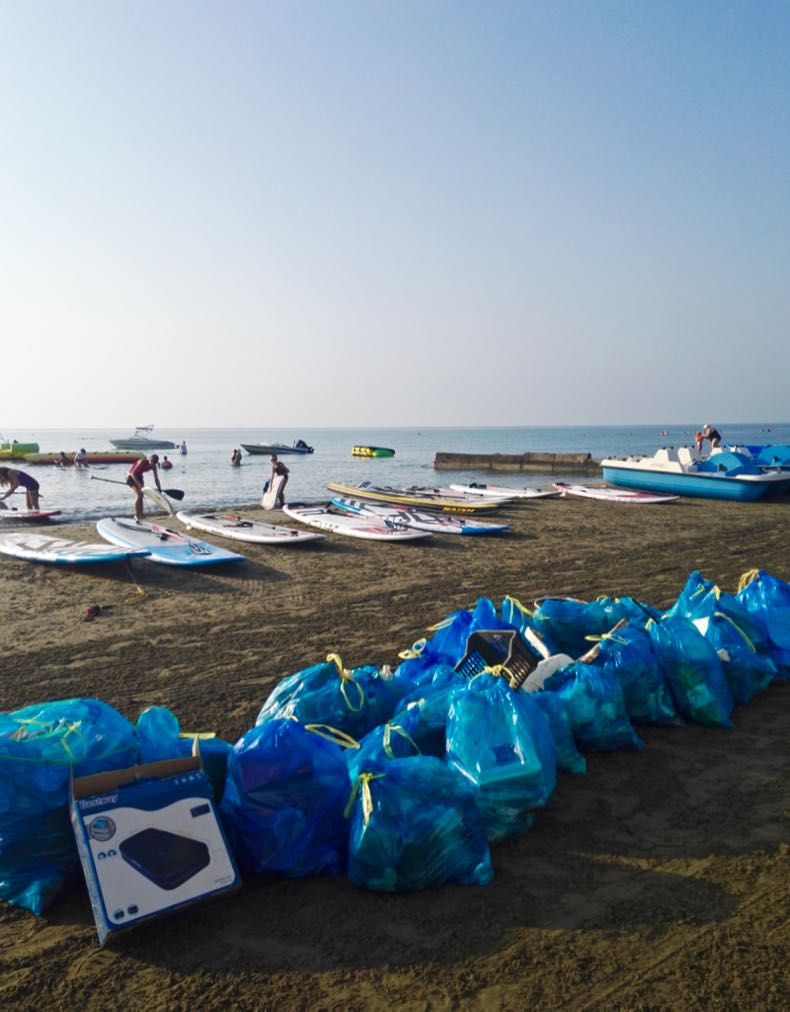
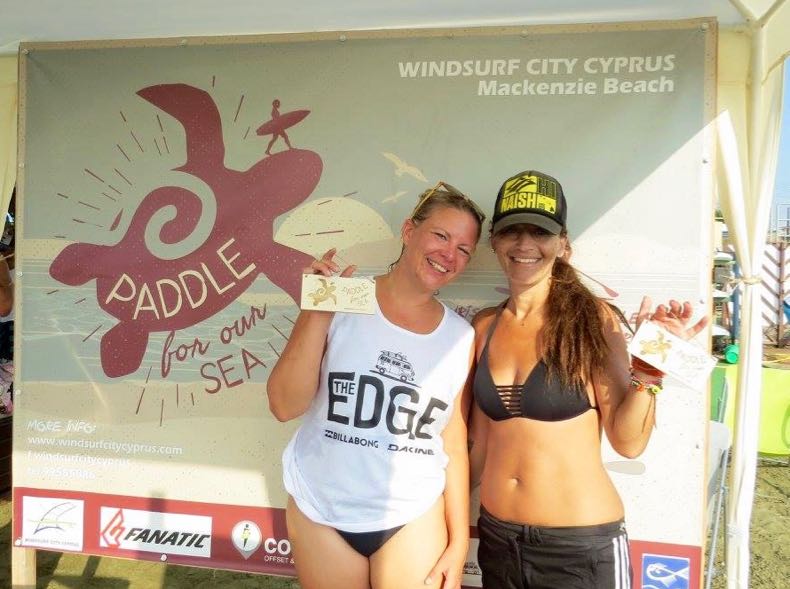
    Viime sunnuntaina purjelautailu- ja SUP ystäväni organisoivat tällaiset siivoustalkoot joka kulki nimellä ”Paddle for our Sea.” Osa porukasta lähti liikkeelle kello viideltä aamulla SUP-laudoilla ja saapui 5:30 rannalle jota alettiin siivoamaan porukalla. Itse karautin paikalle kuuden aikaan (autolla… lauta oli tosin mukana) ja ehdin puolessa tunnissa keräämään pari säkkiä itsekin.

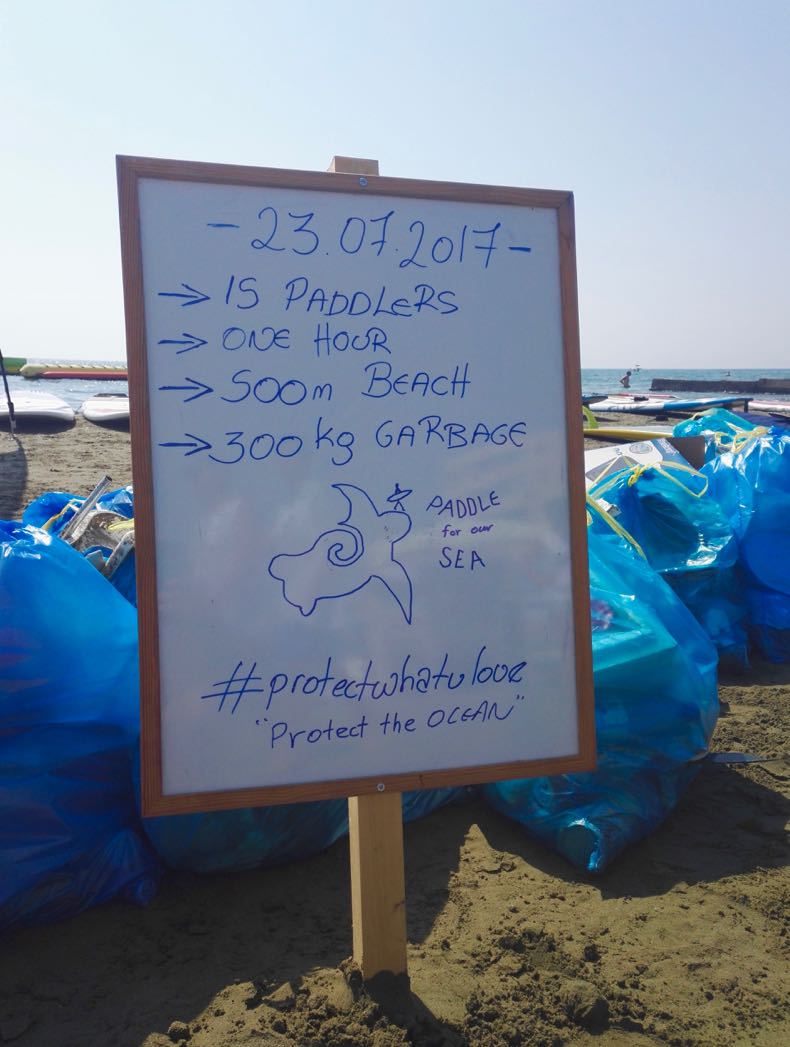
    Valitsemaltamme alueelta löytyy virallinen koiraranta sekä kilometritolkulla matalaa hiekkarantaa. Paikka on suosittu telttailu –ja juhlintakohde sillä lähistöllä ei ole asutusta jota häiritä. Paikalla on myös muutamia roskalaatikoita mutta noukittavaa piisasi siitä huolimatta. Tarkalleen ottaen 300 kilon verran. Tunnin aikana. Koska kyseessä oli ns. awareness raising-tempaus toimme roskat mukanamme ”kotirannalle” jossa jätesäkit ja tilastot pistettiin esille kaikkien nähtäville päivän ajaksi. Paikalle tuli myös meribiologi Kyproksen maatalousviraston kalastusosastolta joka kertoi meille kilpikonnien suojelusta ja kuinka Välimeri on muutaman vuoden sisällä muuttanut muotonaan ja muistuttaa nykyään lämpötilaltaan ja asukkailtaan enemmän punaista merta.

    Toivottavasti tämä tempaus sai ainakin muutaman ihmisen ajattelemaan minne roskansa nakkaa tulevaisuudessa, ranta jäi ainakin toistaiseksi hieman siistimmäksi.

    Tämän postauksen siivoustalkoot kuvat ovat WindsurfCity Cypruksen tiimin ottamia – Kiitos lainasta ja koko homman organisoimisesta!

    SUP lauta


    Tallenna

    Tallenna

    Tallenna

    Tallenna

    Tallenna

    Tallenna

    Tallenna

    Tallenna

  • Never too hot for yoga

    Never too hot for yoga

    July in Cyprus has been insanely hot (as in, A LOT hotter than the average 36-37C degrees) and humid. I still keep my yoga classes going (with great attendance as well so big bravo for everybody showing great dedication) but I have slowed down the rhythm of them somewhat. Focus has been on breath, some more detailed yoga philosophy and anatomy conversation and revisiting the basic poses, really taking our time to explore them and what difference minor adjustments can do. When lying down makes you sweat there is no point to have a super strong practise.

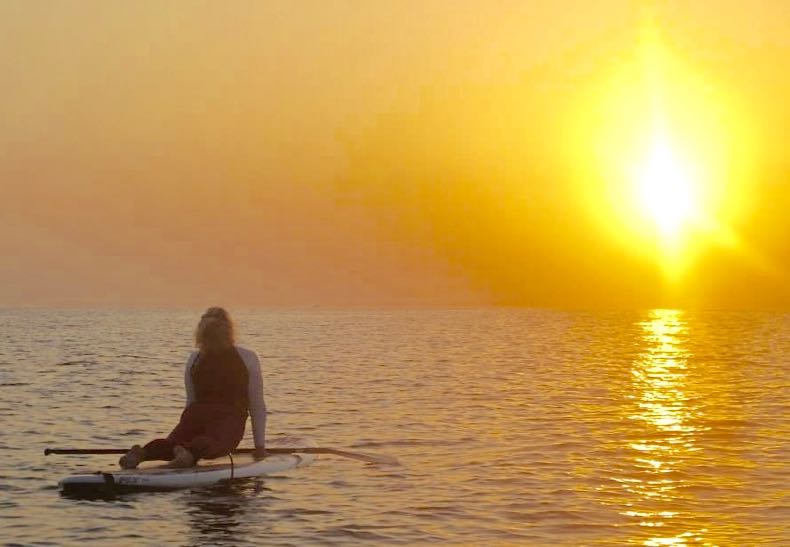
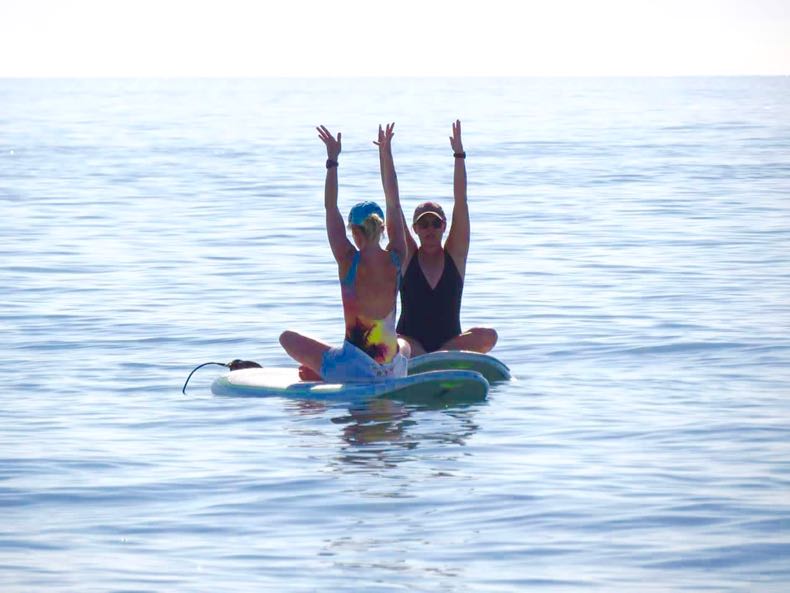
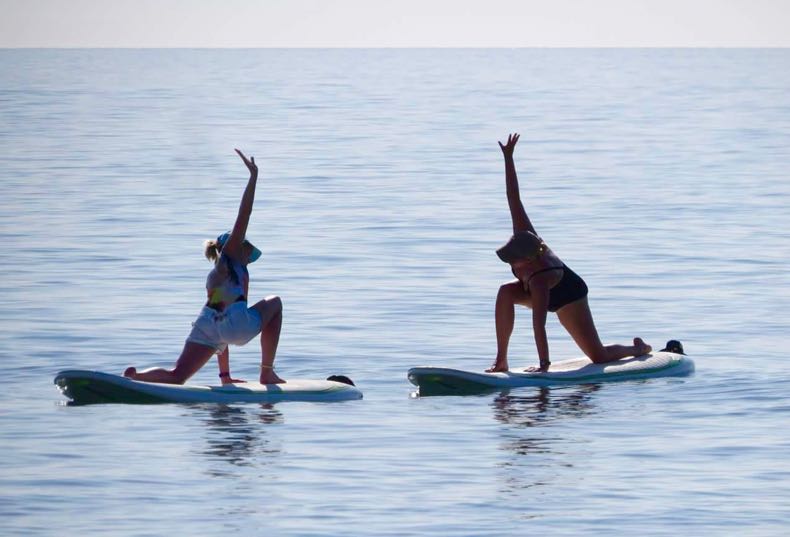
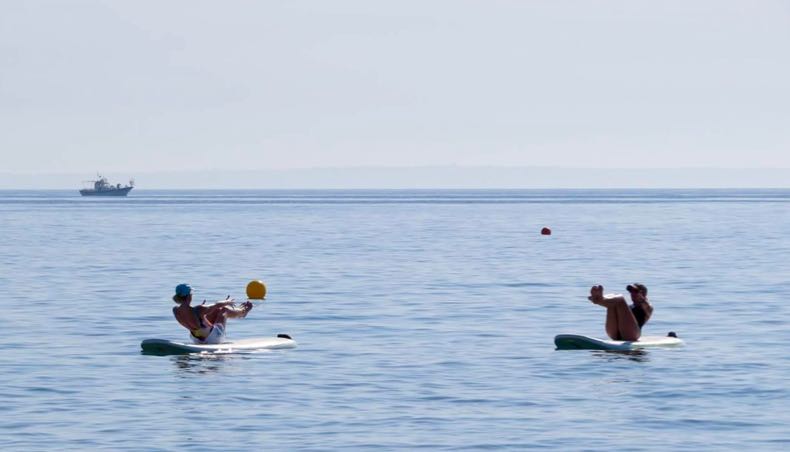
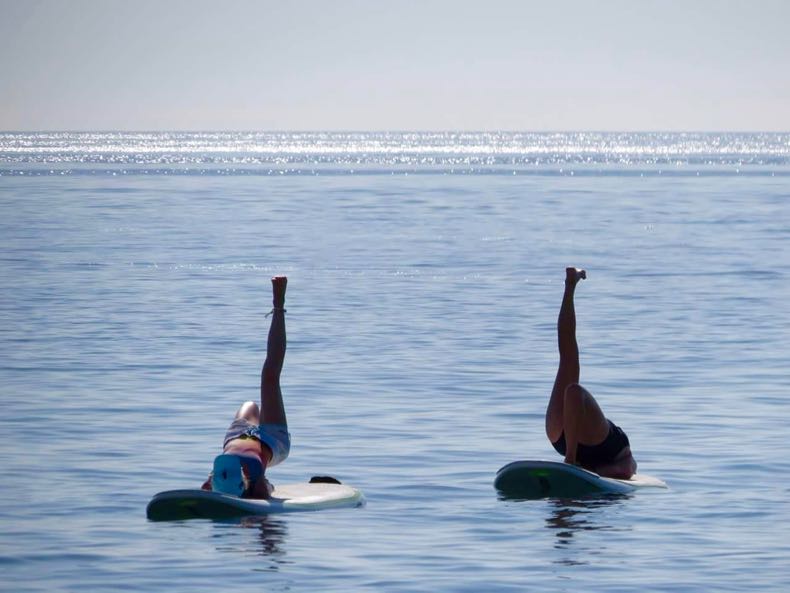
    The one exception to this is the SUP yoga sessions I have been guiding on early Sunday mornings. It is the best time for the practise as the sun is high yet and the sea is little bit cooler. I’ve had many people coming to try SUP yoga (or “yoga inspired SUP fitness class” as I like to call it) for the first time, some of them yoga teachers themselves. I always tell them that they should not expect the practise on the board to be anything similar to their mat sessions. There is always some movement and current going on in the sea, none of which you can really predict. Although the boards used for SUP yoga are stable, they are still boards on the water and balance can be hard to maintain. Therefore warriors and lunges are done with a wider stance and you definitely get to work and feel your muscles in a different way. The SUP practise is also a good test on the state of ego: falling into the water happens easily but it is also part of the fun, as long as you let it be fun. At least the water is clear and warm, and you are guaranteed to wake up if there was no time for coffee in the morning.

    Below are some pictures from my SUP yoga sessions this summer and during previous years. All of them are taken by the crew at WindsurfCityCyprus. To catch the next class I teach follow my Facebook page. 

    AMS in the WaterSUPyogaclassBow poseSUP joogaFinal relaxation on SUP


    Tallenna

  • What are we talking about when we talk about sustainable development?

    What are we talking about when we talk about sustainable development?

    As long as I can remember I have had an interest in environmental issues and holistic living, long before yoga came to my life. Coming from Finland environment is something we are surrounded by all the time and things like not littering, paying for plastic bags in supermarkets and recycling were things that were well established in every aspect of the society already in the 1980s and even before that.

    Always keen to dig a little bit deeper I went on to study sustainable development as a part of my master’s degree and even did some research work on the topic for UNESCO back in the day. Life happens and for over a decade I ended up working in a completely different environment. By this time the concept of sustainable development had started broaden and include the notion of corporate social responsibility (CSR) in a more prominent way. Working in a corporate environment allowed me to keep track on the latest developments in CSR and to think what opportunities we have to include sustainable practises in every aspect of our lives in a world that was – and is – rapidly changing and bringing us more and more complex challenges.

    The below text was first published few weeks ago as a part of my on-going collaboration with EcoHomeStore. The idea for it came from the wish to go back to the basics: so often we talk about ideas and plans for future, only to realise that what our understanding of different concepts behind our ideas can be very different. There obviously is more to sustainable development what is offered below but it does offer a starting point and/or a recap for those wondering what it is all about.

    What are we talking about when we talk about sustainable development?

    Sustainable development, sustainable living, conscious living, socially responsible consumption… We hear these words more and more and instinctively probably would agree they are good thing. But have you ever wondered what do these words really mean, in real-life terms? And where does the concept of sustainable development come from in a first place?

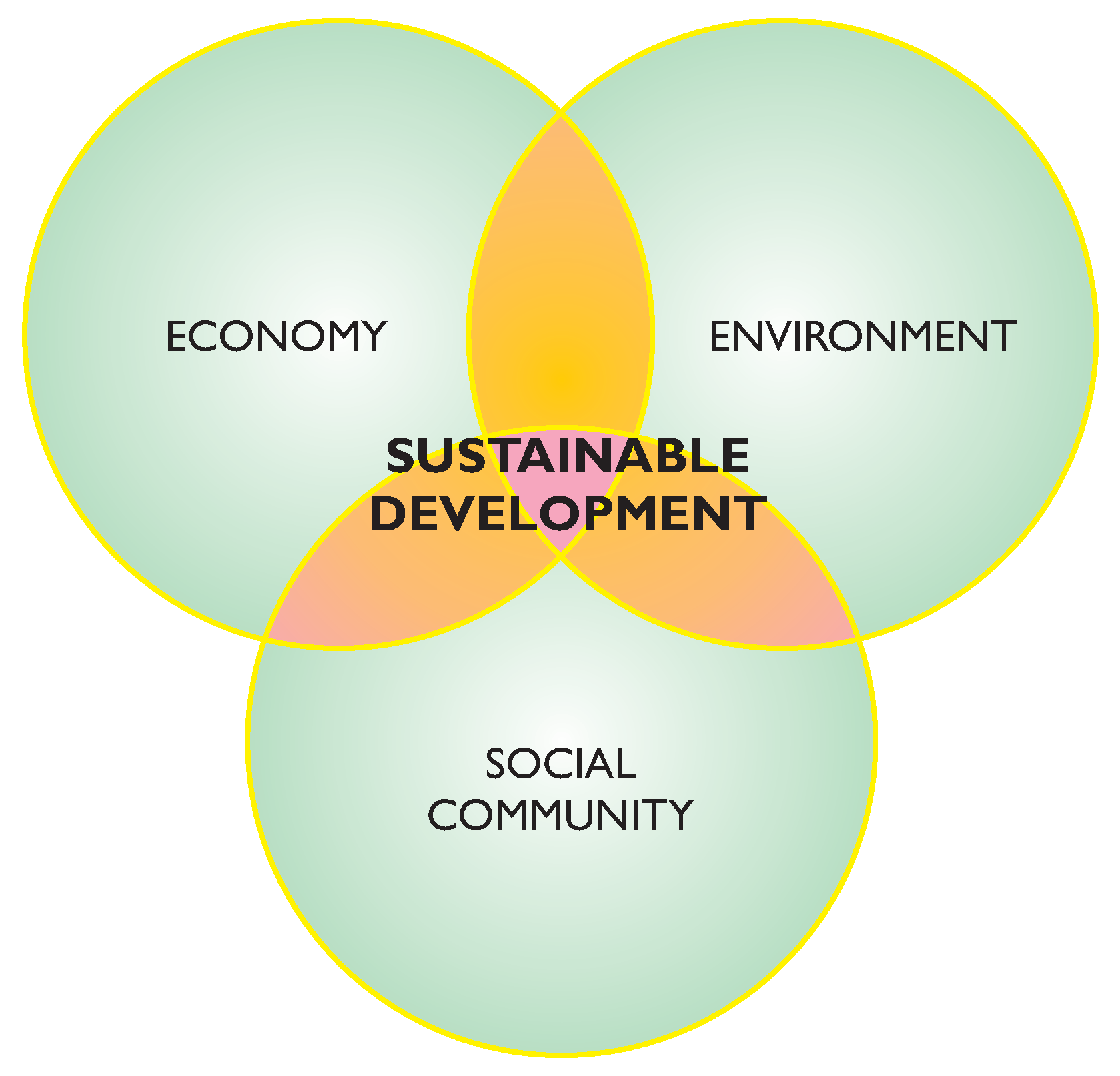
    The term “sustainable development” was first outlined in 1987 in a United Nations document called “Our Common Future” where it is defined as “development that meets the needs of the present without compromising the ability of future generations to meet their own needs.” In other words, the aim was to highlight the interdependence of economic development and environmental issued and how they should be discussed together. Since 1987 the concept and discussion of sustainable development has vastly evolved and expanded. Today it is commonly described to include three interlinked pillars: The environment (or ecology), the economy and society.

    Kestävän kehityksen määritelmä

    The environmental dimension refers to the need to preserve basic natural resources essential for sustaining life, such as the availability and quality of air, water, food and shelter. Other aspects of the environmental sphere are related to health (e.g. pollution as a health risk) and the use of natural resources for economic gains faster than these materials can be replenished naturally. At the heart of environmental sustainability is the need to (re)design the activities societies need whilst not degrading nature’s supplies. Examples of this are the utilisation of renewable energies such as wind and sun, mindful usage of water and harvesting materials such as wood from forests at a rate that maintains biodiversity. Further example is to eat food produced as locally as possible, from sources that favour methods of farming that do not damage the soil or water resources.

    The United Nation’s Development Goals define sustainable economic growth as ”a requirement for the societies to create the conditions that allow people to have quality jobs that stimulate the economy while not harming the environment.” The premise behind this is that poverty puts stress on the environment, as lack of resources and education in the underdeveloped parts of the word tends to lead to overuse of resources, as survival is at stake. Equally environmental problems often hit the poorest regions the worst. Some theories claim that increased global production helps the world’s poor to improve their income and with it their health, opportunities for education etc. Yet, it is impossible to dispute the fact that the gains economic growth of the planet are distributed unevenly, in addition to which the richest countries in the world are responsible for most of the pollution whilst consuming most of the resources.

    The situation today calls for new ways of thinking with research and innovation being in its core. Many businesses are also waking up to the possibilities that caring about the environmental impact can be beneficial to them as their clients become more aware of the issues at stake on a global level. The latest step in this field is the European Directive that now requires big companies to produce an annual “non-financial statement.” This document needs to contain information about their environmental, social and employee matters, respect for human rights and anti-corruption matters. This directive came into force in Cyprus on 2nd June 2017 in the form of the Companies Law.

    Social aspect of sustainability is a widely ranging, multi-dimensional concept. Broadly speaking it is concerned with taking humane aspects and development into account in everything, including the economy. Social sustainability is as much about diversity and inclusion at home and at workplace as it is about equal access to education, training. Another element of it is fair access to green spaces in urban communities but also, quite literally, about physical access to buildings and public transportation for people with different abilities. And we cannot talk about social sustainability without mention the importance of democracy and good governance, on every level of the society.

    Ultimately, social sustainability is about respecting the human rights of all individuals and conscious eradication of any obstacles (or even unconscious bias) that exist. This can take the form of codes of conducts and transparent policies at workplace preventing discrimination, clear acknowledgement that diverse opinions and participation usually lead to more inclusive governance and improved social cohesion and encouraging social interaction between different communities and groups.

    Looking back to the developments since 1987 when “Our Common Future” was first published there is lot to be optimistic about. Whilst the world we live in has become more complex, the understanding of what is required for improving environmental, economic and social sustainability continues to spread. Now more than ever we all have a part to play in this. We can all consider our options with our everyday consumer choices: Buying good quality products that are made or grown locally, even if they are a little bit more expensive. Turning off the tap when washing up, rather than keeping the water running. Recycling, taking your trash to the bin and educating the children about why do these things matter. Saying hello to the new family in the neighbourhood and aiming to act with curiosity and acceptance towards our surroundings. And if you are up for it, why not take on a wider challenge: Where do we get our idea of “development” and what does it mean in practise and is it sustainable for the generations to come?

    Now over to you. What else does sustainable development mean to you? Are you concerned in a first place or just going with the flow? I would love to hear from your thoughts in the comments!

    Tallenna

  • Helleaalto ja SUP joogaa

    Helleaalto ja SUP joogaa

    Kyproksella on ollut viikon kestävä helleaalto. Toisin kuin Suomessa, sana ”helleaalto” ei Kyproksella yleensä ilahduta kovin monia, onhan heinäkuun keskilämpötila jo valmiiksi aivan riittävät 36-37C astetta. Tänä vuonna sää kuitenkin on kuumin sitten 30 vuoteen ja sisämaassa Nikosiassa mitattiin muutama päivä sitten 45C lämpötila. Rannikolla on pyöritty neljässäkymmenessä asteessa ja merivesi on noin 27C asteista. Kun suihkustakaan ei tule kylmää vettä ennen lokakuuta niin miten täällä sitten eletään kesäkuukaudet?

    Ilmastoinnin ja tuulettimien avulla tietenkin! Kyproksen lomakuu on elokuu joten vielä heinäkuun ajan ainakin onnekkaat toimistotyöntekijät pääsevät nauttimaan viilennetyistä sisätiloista. Ilmastointilaitteista otetaankin täällä kaikki irti ja varmaan jokaisesta toimistosta löytyy joku jolla on villatakki päällä ja huivi kaulassa tämän takia. Myös ostoskeskukset ovat kesäisin hyvä paikka viettää aikaa ja Nikosiassa on avattu joitain virallisia rakennuksia päivisin ihmisille jotka kaipaavat viileää tilaa. Lapsia, vanhuksia ja heikkokuntoisia kehotetaan pysymään sisällä ja juomaan tietenkin mahdollisimman paljon vettä. Tästä huolimatta helteet ovat jo vaatineet täällä muutaman kuolonuhrin.

    Jos ilmastoitua tilaa ei ole käytössä on muitakin vaihtoehtoja. Itse herään koiran aloitteesta joka aamu puoli kuuden aikoihin jolloin lämpötila on reippaasti alle kolmekymmentä. Noin kymmeneen asti ilma on suhteellisen miellyttävä ja tällöin on hyvä hoitaa lenkit, uinnit, puutarhatyöt, siivoukset ja kaikki älyllistä toimintaa vaativa tekeminen. Alkuiltapäivästä auringon paistaessa korkeimmillaan nukutaan päiväunet ja ulos voi taas uskaltautua viiden jälkeen. Illalla valvon yleensä normaalia myöhempään ja viimeistelen aamulta jääneitä hommia. Ymmärrykseni Etelä-Euroopan maiden siestaa kohti on parantunut huomattavasti täällä asuessani.

    Joogatunnit hoidan tietenkin normaalisti mutta ilman ollessa kuumimmillaan pidän tuntien kulun rauhallisena. Pysymme asanoissa hieman pidempään, ja voimakkaimmat harjoitukset ovat kesätauolla kun jo pelkkä paikallaan makaaminen saa hien virtaamaan.

    SUP joogalle kesä on hyvää aikaa, veden lämpötila ei pelota ketään ja useat turistit haluavat mielellään kokeilla lomalla joitain uutta mitä ei välttämättä ole kotimaassa tarjolla. Larnakassa tuulee aina jonkun verran joten sen ja auringonpaisteen takia SUP joogatunnit pidetään aamuisin. Tämä on ehdottomasti yksi parhaista tavoista aloittaa aamu!

    Alla muutamia kuvia aiemmin tällä viikolla pitämältäni yksityistunnilta. Seuraava SUP jooga tunti pidetään Larnakassa WindsurfCityCyprus’sen luona tulevana sunnuntaina (9. heinäkuuta) kello 8. Jos olet maisemissa varaa paikkasi tämän linkin takaa ja tule mukaan joogaamaan veden päällä!

    Tämän tekstin kaikki kuvat on ottanut Margarita WindsurfCityCypruksesta.

    SUP jooga Abs

    Tallenna

    Tallenna

    Tallenna

  • How to turn a bad day to a better one

    How to turn a bad day to a better one

    Bad days happen to all of us. Sometimes you just know the day is not going to be the best one straight after waking up. Sometimes a bad day creeps up on you slowly, starting with an innocent coffee spill, followed by signal failure in the tube and the realisation the keys were left at home… When things start going wrong it can feel like you are watching a car crash happening: there is nothing to do but to let day run its course and hope for the best.

    The good news is that it does not have to be like that. We have all the power to turn a day that has started badly to one that is, if not amazingly brilliant, a pretty good one. Here’s how.

    1. Acknowledge things are not going smoothly and make peace with it

    About a month ago I was few minutes late for a morning yoga class I was teaching. Not a big deal, being less than five minutes late, especially in Cyprus. Only this was few days after I had written a blog post how one should never be late for a yoga class. I was embarrassed and felt like a hypocrite. During the class I kept confusing my cues. Instead of shrugging it off, trusting that people were still following the class, I got annoyed and the rest of the class things continued to come out from my mouth sounding more or less strange: lefts became rights and so one. After the session, when somebody wanted to pay for a monthly pass, I realised I had left my purse home. At that point I let out a small “argh!” and the lady paying looked at me. “You are having not the best morning, are you? It’s ok, we all have those.”

    For some reason those words gave me real comfort. Yes, bad days do happen for everybody and guess what, people understand that. They are not going to judge me for small mistakes. So why on Earth was I getting so worked out over things that quite frankly were very, very minor? Why was I calling myself a hypocrite for being three minutes late when nobody else was doing that?

    And just like that, I made peace with the not so great day. I was not letting it to dictate my day. There is no great book of destiny that orders us to have x amount of s**t days a year, on specific dates on top of that. Instead, we can all do the following:

    2. Reflect on the triggers and keep things in perspective

    Things might not go great early on a given day because you are tired, or already overwhelmed by something that has happened earlier. When acknowledging and making peace with the not so smooth day so far, take a moment to check in with yourself. Ten deep breaths (I know, easier said that done but that’s why we practise yoga) by your desk, in the bus or even in the nearest toilet cubicle already help to calm the nervous system working on overdrive. Try to avoid catastrophising the events so far along the lines “This only happens to me” and “I might just give up and go home because the rest of the day is only going to be rubbish.” Trust me, there is no “bad day conspiracy” going on, aimed particularly at you. Instead, try to keep a positive (or at least a neutral) outlook and think what in particular has triggered you to react emotionally. Once you have identified them it is easier to find ideas that will help, if not to turn them around, at least keep them in perspective.

    3. Modify your plan respecting your resources

    So you are not feeling the best but need to get through the day. Have a look at your schedule and decide what are the things that have to be done, things what you can do and things that can wait. Is there a challenging one-to-one meeting coming up? Rescheduling is not great but as long as it is not what you are famous for in the office, maybe today is the day to do it. First draft of a report to be passed on to a colleague – you probably do not need to go it over with a comb, if it is the first draft nobody will care about few typos or less-than-perfect headlines. In short, treat yourself with compassion rather than punishing yourself for expecting excellence when you clearly are not up for it.

    4. Switch your “to-do” list to a “done” list

    Most of us have our lists (or ten) for things we must and want to get done during the day. Most of us also have things on those lists that we really are not too keen on, even on a good day.

    One thing I often do, bad day or not, is to change my “to-do” list to a “done” list. I write down every task I do, whether it figures in my notebook or not. Sometimes the things I get to mark down on the “done” list are the same that I have on the “to-do” list – if that is the case, great. Sometimes I end up with a list of things that are entirely different. The point is, the things I end up doing are always tasks that needed to be sorted sooner or later. And so what if your “done” list includes things like sending a postcard to your cousin who lives in another country, and stretching in front of three episodes of your favourite series on Netflix. Because at the end of the day your cousin will probably appreciate your postcard more than your colleagues would be impressed by your intellectual contribution to the company Intranet you had planned to do originally. And gentle stretching whilst unwinding in front of a good program is just as good as going to a two-hour power vinyasa class you really did not feel like.

    Celebrate the even small accomplishments with good consciousness. Your best today is good enough or did somebody tell you something else?

    Finally, remember that everything in this life is temporary and  tomorrow is another – and with all likelihood – a better day.

    What are your best tips for improving a day going not too well?

    Tallenna

    Tallenna
  • Kuinka pestä joogamatto oikein?

    Kuinka pestä joogamatto oikein?

    Monella meistä kulkee joogamatto menossa mukana ja ideaalisti se olisi hyvä puhdistaa joka harjoituksen jälkeen hiestä ja pölystä. Useimmista joogastudioista löytyy puhdistusvälineet omasta takaa mutta oman, luonto (ja –matto) ystävällisen sekoituksen onnistuu helposti. Alla olevalla ohjeella olen puhdistanut PVC ja luonnonkumista tehdyt mattoni ilman ongelmia.

    Joogamaton puhdistussuihke:

    1. Suihkupullo
    2. Vettä
    3. Valkoviinietikkaa tai viinaa (koska Kyproksella paikallista Zivaniaa – joka on kyllä ihan juomiseen tarkoitettu – saa 3 euroa pullo. Suomessa kukaan ei varmaan juomiansa matonpesuun raaski pistää.)
    4. Eteerisiä öljyjä: Itse käytän teepuu-öljyä sen antibakteriaalisten ominaisuuksien takia (bergamontti- ja sitruunaruohoöljyt ovat myös antibakteriaalisia) sekä laventeli- tai piparminttuöljyä, riippuen siitä haluanko lisätä rauhoittavaa vai piristävää tuoksua aineeseen.

    Koska en ikinä mittaa mitään en osaa kertoa tarkkoja suhteita mutta vettä tulee eniten, etikkaa tai viinaa ”jonkin verran” (sen verran että se haisee selvästi) ja öljyjä 2-4 tippaa. Pulloa on syytä ravistaa aina ennen kuin nestettä suihkuttaa matolle, jonka jälkeen matto pyyhitään kangas- tai paperiliinalla kuivaksi.

    How to clean your yogamat

    Isommat tarhat matosta saa pyyhkimällä ne varovaisesti kostealla sienellä jossa on mietoa saippuaa. Tämän jälkeen joogamatto on syytä pestä ja pyyhkiä hyvin sillä saippua tekee matosta todella liukkaan. Usein näkee myös kysyttävän voiko joogamattoja pestä pesukoneessa. Olen pessyt muutamia halvimpia PVC-mattoja koneessa mutta vaikka matoista tulee kyllä puhtaita, en suosittele tätä metodia. Pesukone kuluttaa maton pintaa eikä tämä varmasti tee hyvää koneellekaan. Ekomattojani en missään tapauksessa pistäisi koneeseen.

    Jos matto on kostea sen puhdistamisen jälkeen on se hyvä kuivattaa sillä märkä matto on liukas matto. Älä kuitenkaan jätä joogamattoasi aurinkoon pitkäksi aikaa sillä se haurastuu siitä.

    Erilaisista joogamatoista voit muuten lukea täältä.

    CleaningYogaMat

    Tallenna

  • Joogaa Troodos-vuoristossa

    Joogaa Troodos-vuoristossa

    YKn julistamaa kansainvälistä joogapäivää on vietetty vuonna 2015 lähtien 21. kesäkuuta. Aloitteen joogapäivän julistamiseksi teki Intian pääministeri Narendra Modi joulukuussa 2014 ja se hyväksyttiin YKn yleiskokouksessa melko yksimielisesti. Joogapäivän tarkoitus on lisätä tietoisuutta joogan hyödyistä ja siten edistää maailman väestön terveitä elintapoja. Päivää on alusta lähtien juhlittu ympäri maailmaa enemmän tai vähemmän suurissa joukkotapahtumissa. Esimerkiksi New Yorkin Times Squarella oli tänä vuonna joogaamassa yhteensä 12000 ihmistä seitsemän joogatunnin aikana.
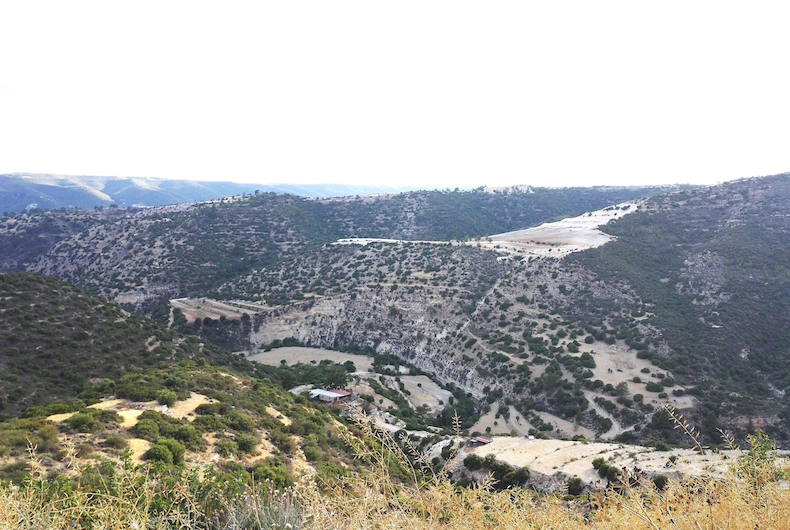
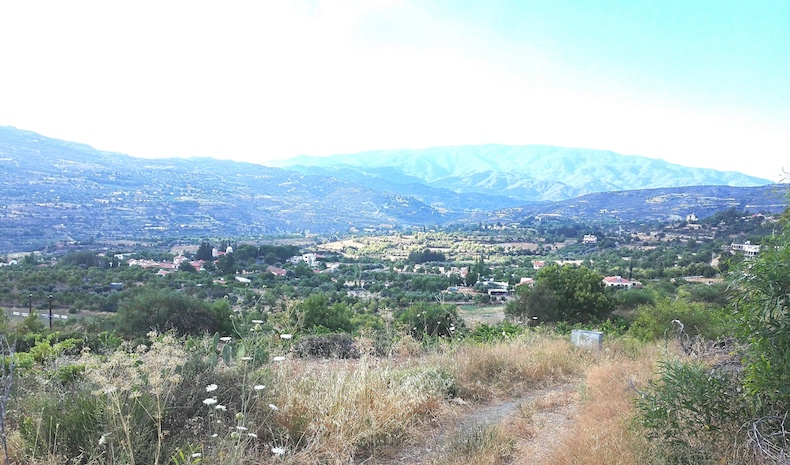
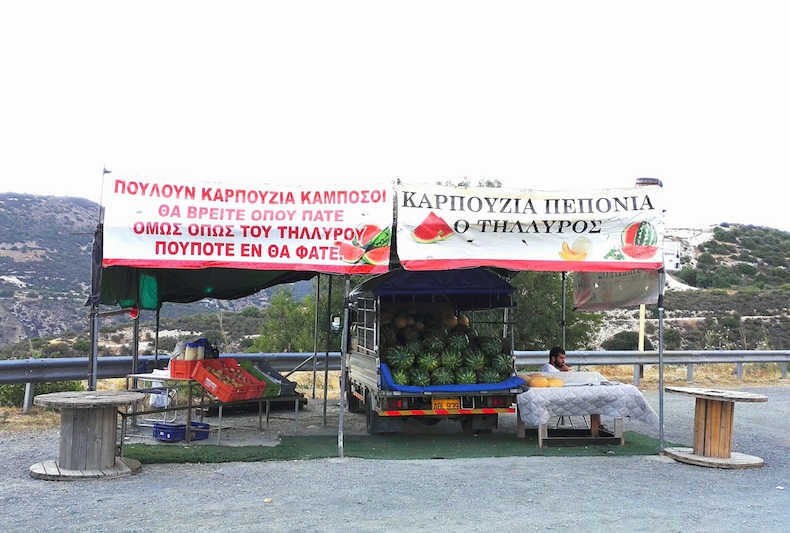
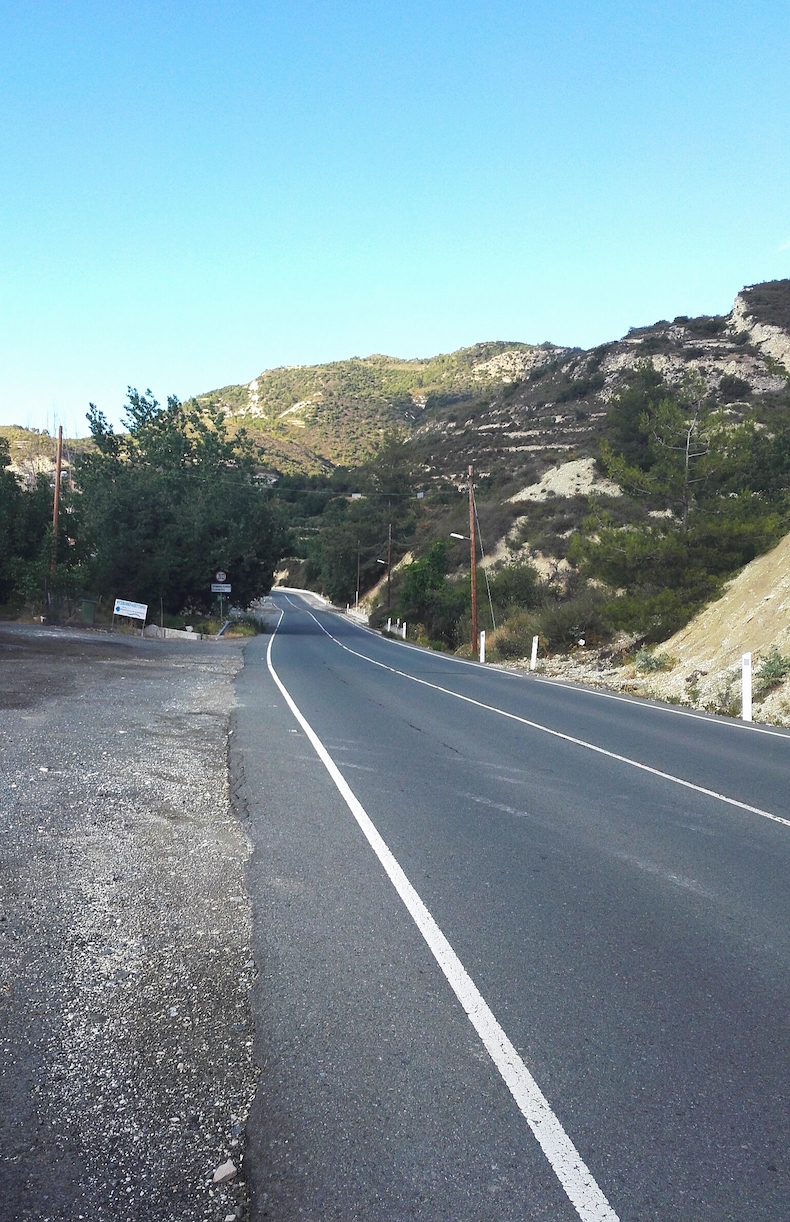
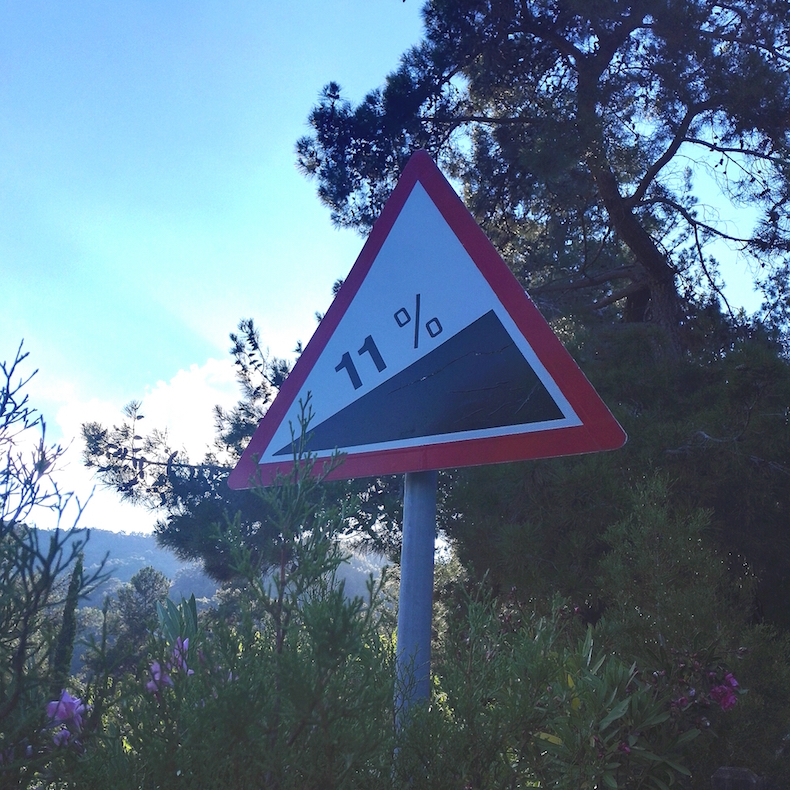
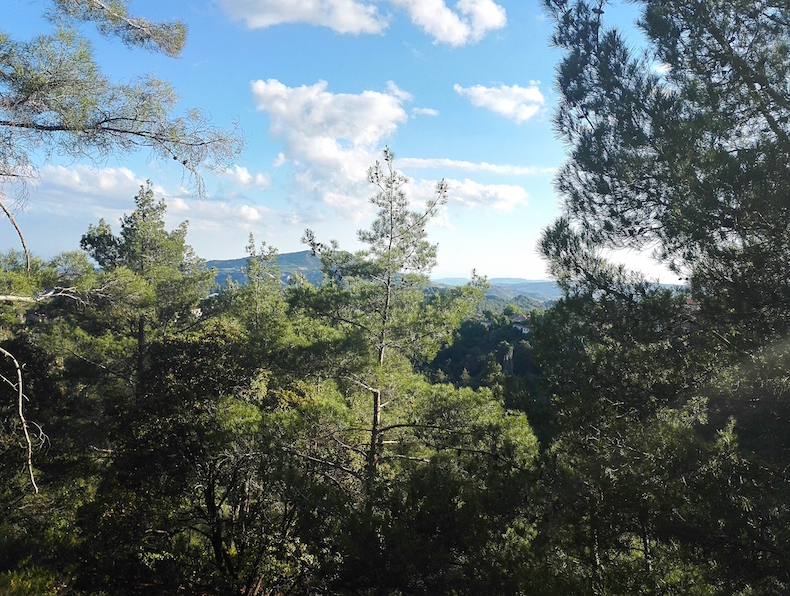
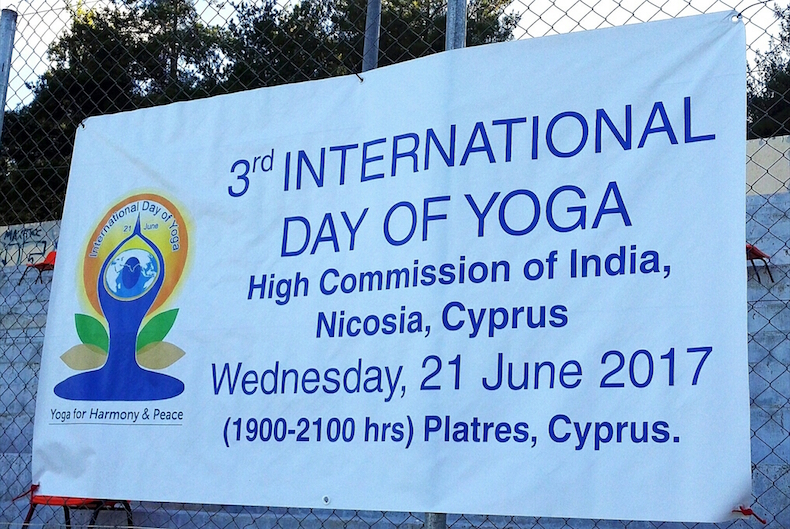
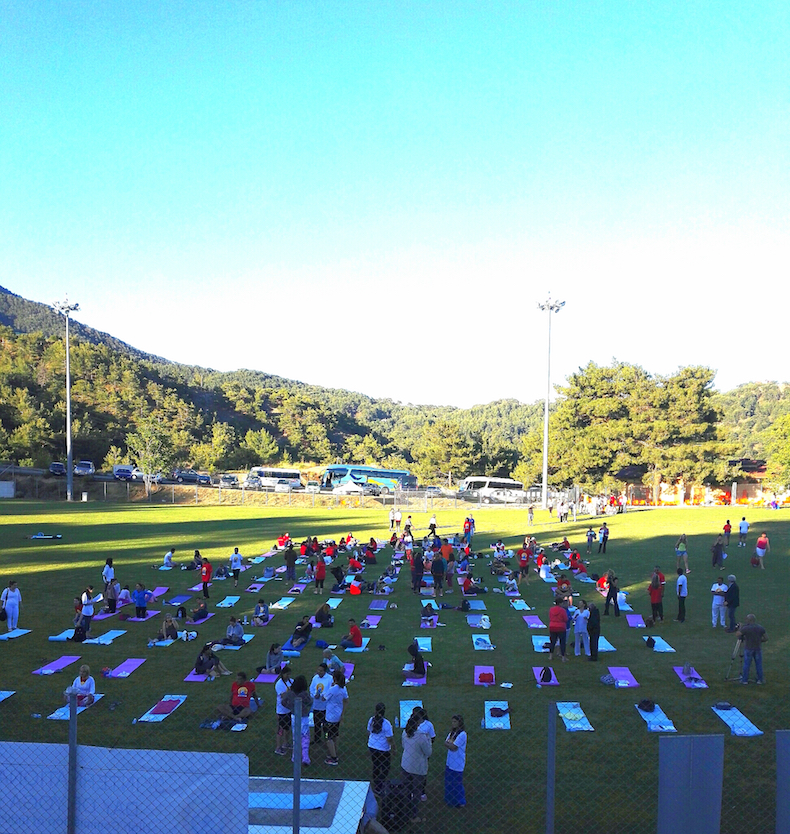
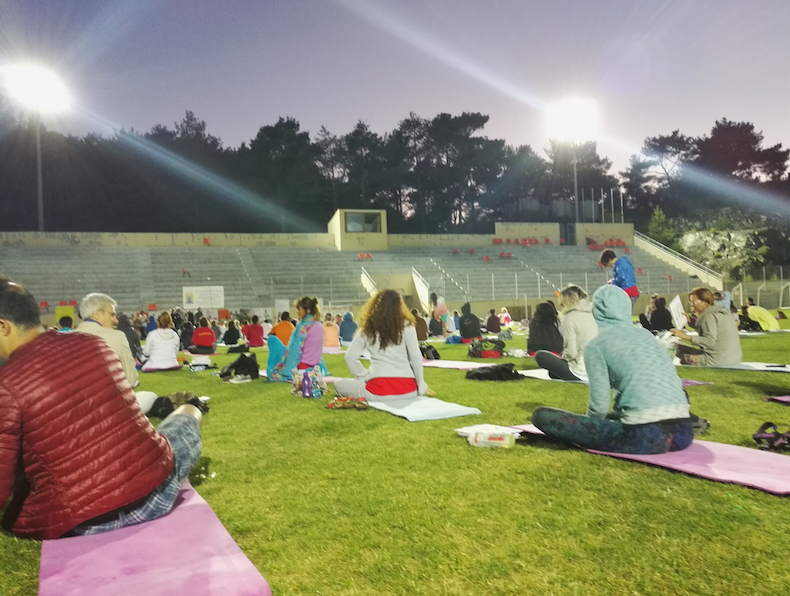
    Intian High Commission Kyproksella järjesti joogapäivän kunniaksi iltajoogan Platresin kylän urheilukeskuksen jalkapallokentällä. Platres sijaitsee lähellä Kyproksen korkeinta huippua, Olympos-vuorta, hieman yli 1000 metrin korkeudessa. Ajomatkalla sinne saa nauttia upeista maisemista, tosin kiemuraiset ja kapeat tiet pitävät huolen siitä että maisemia varten on parempi pysähtyä tienvarteen. Lämpötila vuorilla on myös yleensä noin 10 astetta viileämpää kuin rannikolla ja keskiviikko-illan +16C ja raikas (eikä yhtään kostea!) ilma oli itselleni kovin mieleen.

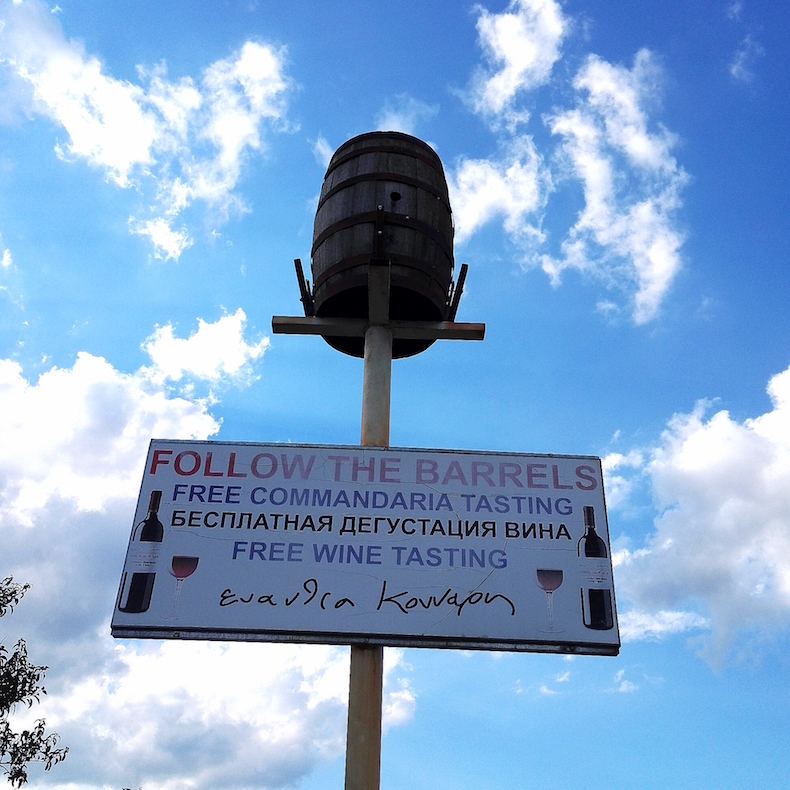
    Alla olevat kuvat kertovat ajomatkasta ja tapahtumasta paremmin.

    CommandariaSign

    Watermelons Tie

    Roadsign

    Troodos-vuoristo

    Platres Athletic Centre Yoga Event MassYoga