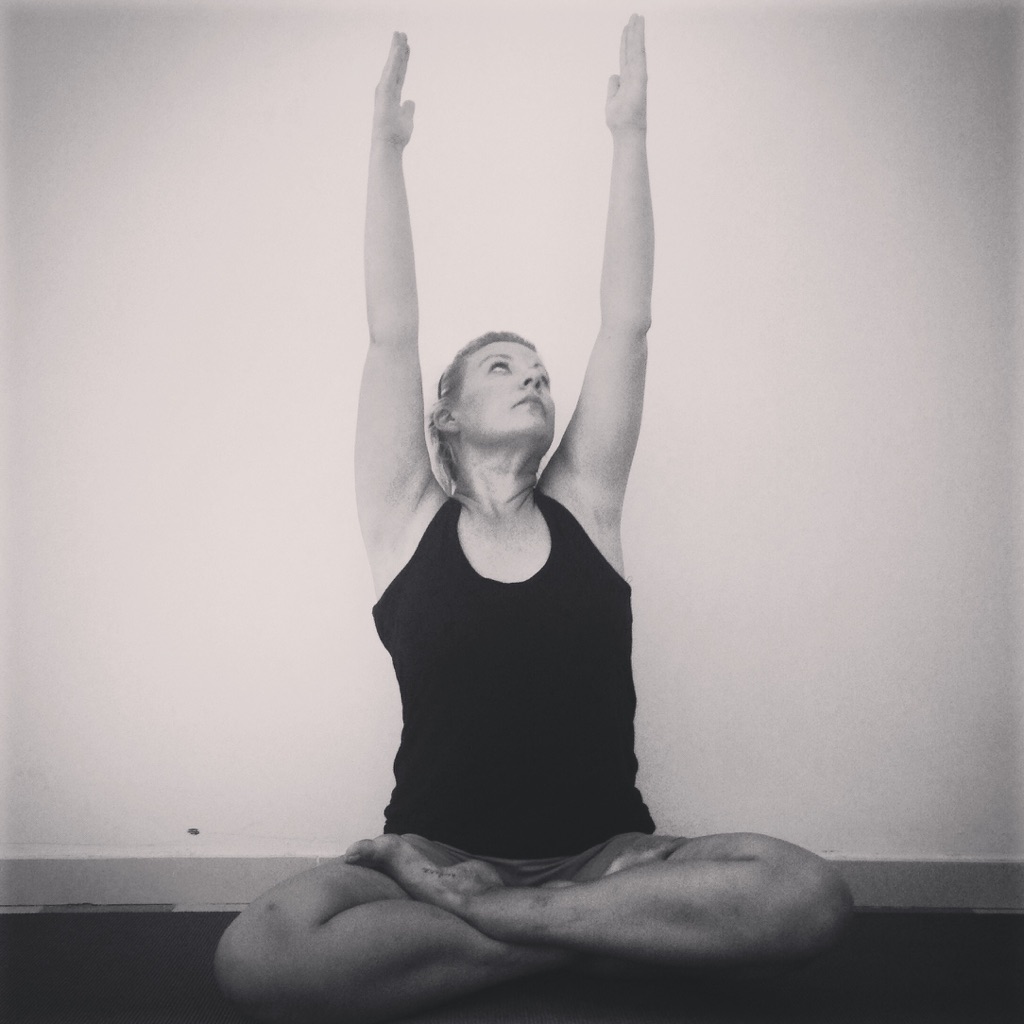
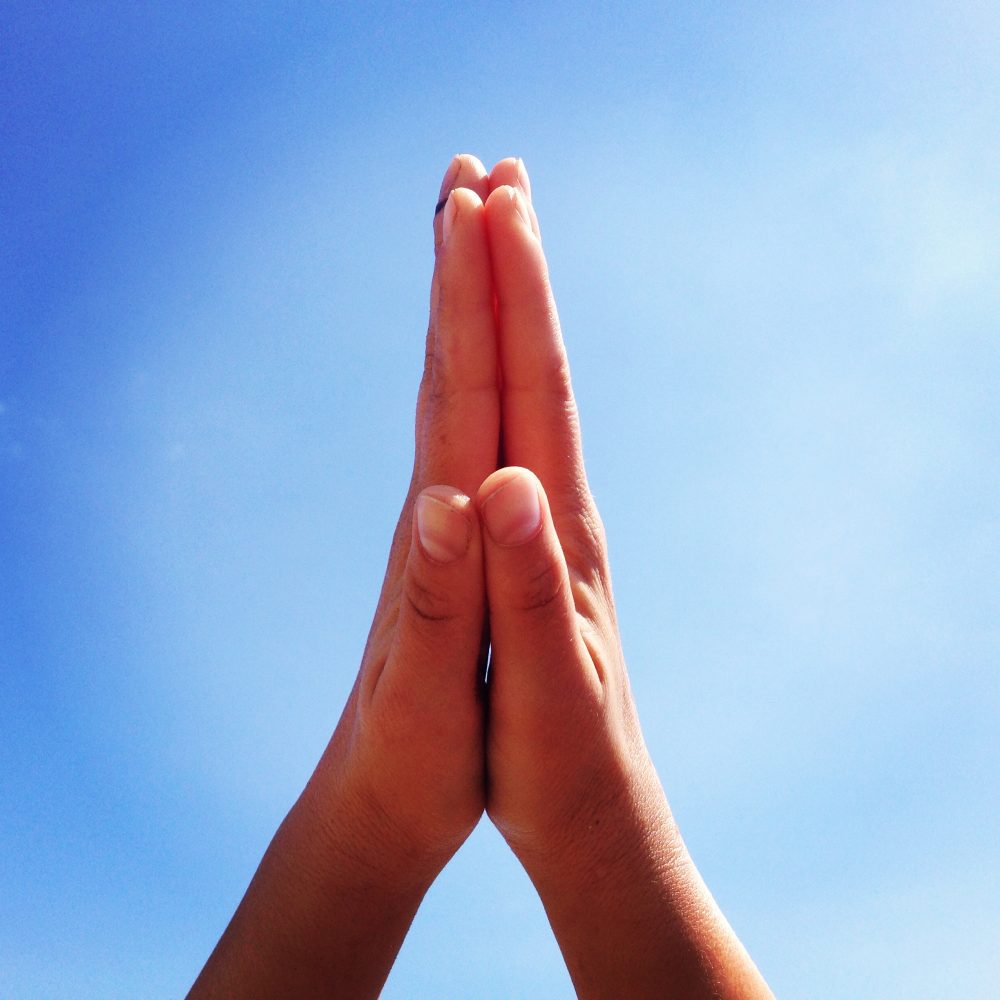
Mudra is a Sanskrit word that means ”seal” or ”closure.” The idea is that different parts of our body and brain are connected and with our hands we can make gestures – yoga mudras – to direct the flow of energy within the body. Positioning the fingers in different mudras are a way to bring our body balance and help to stimulate a specific state of mind.
Yoga Mudras are easily accessible and discreet to practise and they also feature in pregnancy yoga. Here are some common ones. You can do them together with your pranayama (breathing) practise or intergrate them to your asana practise as you please.
Ganesh Mudra
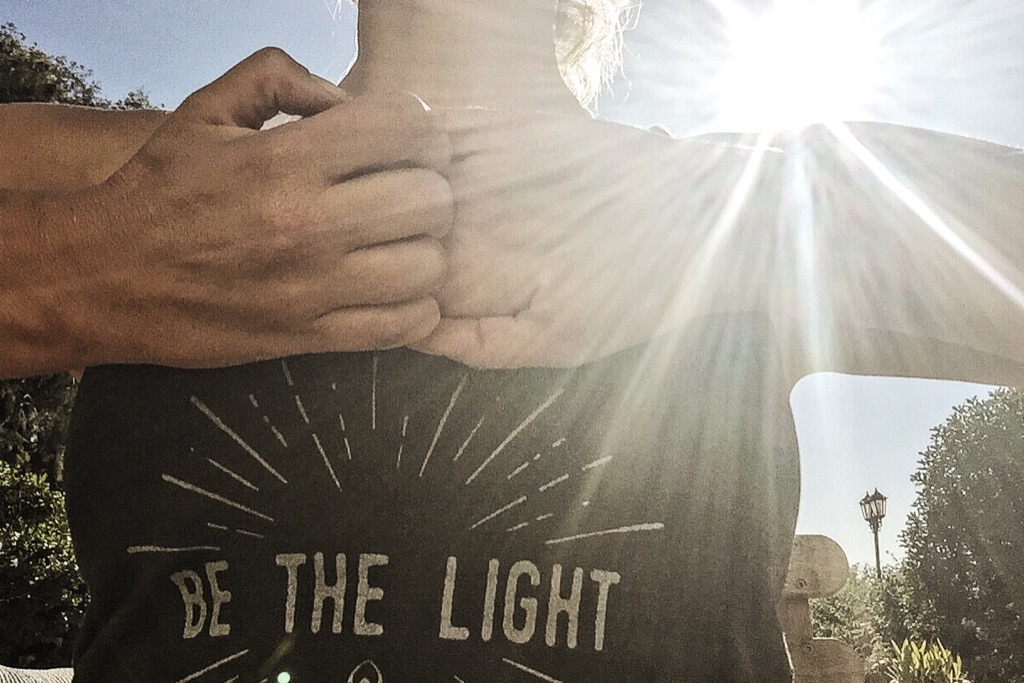
This is a yoga mudra that has the intention of removing obstacles that may rise on our path. You place your right palm facing your chest and the left hand palm facing outwards. Hook your fingers and with inhale pull your hands to different directions, releasing with your exhale. Take several breaths and repeats with the hands the opposite way.
Yeah well, the thumb on the front hand should be pointing down towards the solar plexus but you do get the idea…
Gyana Mudra
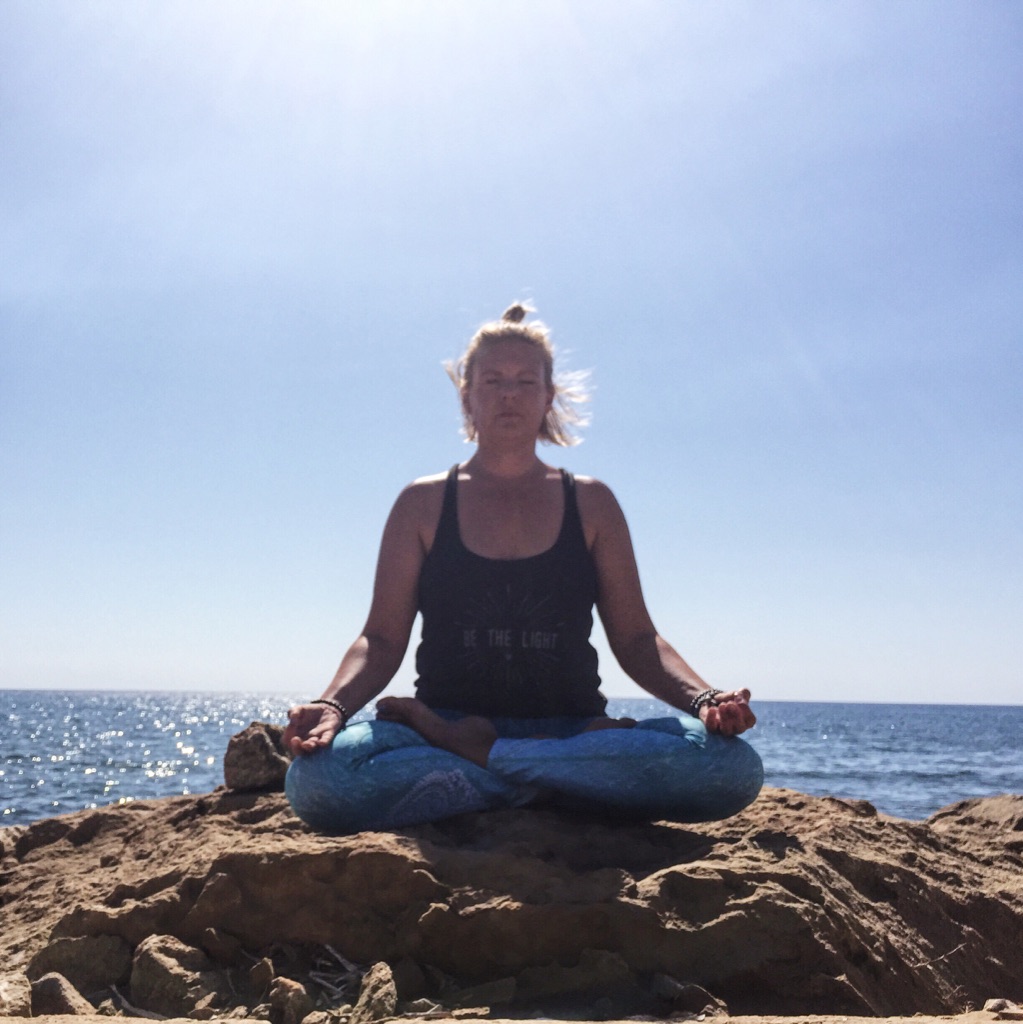
Also called the gesture of knowledge, Gyana mudra (or chin mudra as it is also called) is said to increase concentration and to have calming benefits. You see Gyana mudra often practised during meditation: Connect the thumb and the index finger so they form a zero but do not press them together excessively. Keep the other fingers straight but relaxed. You can have your palms facing up, or if you feel the need for more grouding, you can have them facing down.
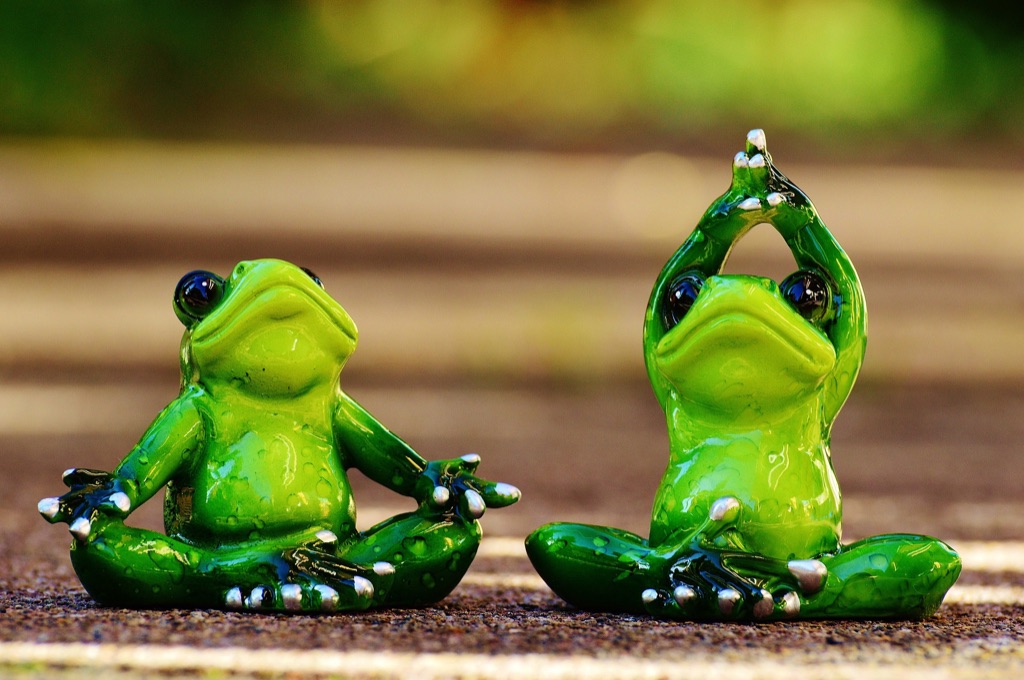
Can you name the two mudras the frogs are practising?
Anjali Mudra
Another easily recognised gesture is the Anjali mudra. In the West we often associate this mudra with prayer, but in Sanskrit ”anjali” means ”to offer” or ”to salute.” The greeting ”Namaste” (“the light in me salutes the light in you”) often accompanies this mudra. You perform Anjali mudra by placing your palms firmly against each other with your thumbs pressing into your sternum. You may also perform this mudra at third eye centre (between your eyebrows) or crown chakra (on top of your head.)
Mudra sana on sanskriittia ja tarkoittaa lukkoa tai sinettiä. Ideana on, että mudrat ohjaavat elimistössämme olevia energiavirtoja sinne, missä niitä milläkin hetkellä tarvitaan. Tämä auttaa tasapainottamaan elimistöämme. Koska suurin osa mudrista tehdään käsillä niiden harjoittaminen käy huomaamattomasti monessa eri ympäristössä. Voit yhdistää harjoitukseen hengityksen, pranayaman, tai ottaa mudrat osaksi asana-harjoitusta. Myös raskausajan joogassa näkee usein käytettävän jooga mudria vahvistamassa keskittymistä. Alla näet kolme yleistä mudraa.
Ganesh Mudra
Olen nähnyt tätä mudraa kutsuttavan suomeksi nimellä karhulukko. Sen tarkoituksena on poistaa tieltämme esteitä. Aseta oikea käsi rinnan eteen niin että kämmenpuoli on rintaa kohti ja vasen käsi taas niin että kämmen osoittaa ulospäin. Koukista sormenpäät ja ”lukitse” ne toisiina. Sisäänhengityksellä vedä käsiä toisistaan eroon, uloshengityksellä rentouta jännitys. Jatka tätä useamman hengityksen ajan, ja toista harjoitus vielä vaihtamalla kädet toisinpäin.
Gyana Mudra
Guana, Guan tai Chin mudra on varmasti kaikille tuttu erilaisista meditaatiota esittävistä kuvista vaikkei joogassa olisi koskaan käynytkään. Guan tarkoittaa viisautta ja suomeksi tätä asentoa kutsutaankin viisauden lukoksi. Mudran sanotaan lisäävän keskittymiskykyä ja rauhoittavan mieltä. Se muodostetaan yhdistämällä peukalo ja etusormen pää kevyesti toisiinsa niin, että ne muodostavat nollan. Muut sormet pidetään suorehkoina mutta rentoina. Kädet voivat olla kämmenpuoli ylöspäin tai alaspäin – jälkimmäisellä sanotaan olevan juurentava vaikutus.
Peukalo ja etusormi nollana ja muut sormet, noh, ei nyt ihan suorina mutta sinnepäin. En usko että kenenkään harjoitus kaatuu tähän yksityiskohtaan.
Anjali Mudra
Tämä käsien asento yhdistetään länsimaissa usein rukoukseen mutta sanskritin kielellä ”anjali” tarkoittaa ”tarjoamista” tai ”tervehdystä.” Tätä mudraa käytetään usein joogatunnilla tervehtiessä joko alussa, tai tunnin lopussa ”Namaste”-sanonnan kanssa. Mudrassa kädet siis yhdistetään kämmenet vastakkain sydänkeskuksen edessä. Kädet voi pistää myös kolmannen silmän kohdalle kulmakarvojen väliin tai pään yläpuolelle.
Patanjali’s Yoga Sutra 1.33 offers us an useful – but not always easy to follow – advise on how to cultivate a calm and clear mind, even in challenging situation. Sounds good right? This Sutra is often referred as ”four locks and four keys” Sutra, as 4 locks and 4 keys comes – you guessed it – with four points, or actions to practise.
There are various translations of the sutra, but roughly speaking it goes like this: ”By cultivating the attitudes of friendliness toward the happy, compassion for the unhappy, delight in the virtuous and neutrality toward the nonvirtous, our state of mind retains its undisturbed calmness.”
These four attitudes can be applied to both toward others and just as importantly to ourselves. Here’s a litte bit more how Patanjali advises this happens:
Lock 1 is Happiness, to which the key is genuine friendliness and kindness towards those who are happy, without any envy or jealousy attached to it. Simple enough.
Lock 2 is Unhappiness that should be responded with compassion and support, a sort of a feeling of welfare for others that comes from a place of caring. This also includes being kind to ourselves at the time of sorrow, rather than succumbing to thoughts along the lines of ”why did I not know better” . ”how did I end up disappointed again” or even ”I am an idiot and only myself to blame for this.” I mean, would you speak to an unhappy friend like this?
Lock 3 refers to Virtues, traits such as patience, courage and benevolence. They are best met with happiness and goodwill. It is not easy to always have positive thoughts, especially when we are having a crap day ourselves. However, feelings of inadequacy or jealousy rarely have brought anything good to anybody so trying to keep things positive and even joyful ultimately serve us better.
Lock 4 is about Nonvirtues, or even wickedness. The key is to confront these with equanimity or neutrality. It is important to note that this does not mean that we have to approve of bad behaviour: Neutrality here is used with the purpose of calming the mind and finding inner peace. From this perspective it is easier to understand why disregarding non-virtous actions (rather than the people who commit them – an awful person is an awful person) is a better option than getting angry and frustrated over something we cannot have any control over.
I’m outta here. Not.My.Drama!
Personally I find that Sutra 1.33 both makes sense and always gives something to think of, no matter how many times I study it. Depending of the day I find it a gift that keeps on giving, or a through mindf**k. This post is just a brief introductory glimpse. If you want to read more, I find the below sources helpful (and written in a normal language, no philosophy degree required): This YogaInternational article, Swami Jnaneshvara’s excellent website, and this blog post from Urban Yoga Garden. And of course a copy of the actual Sutra’s and explanations, available translated by several indiduals. The copy I use can be found here.
In few pictures and words things that happen when planning and preparing for a yoga class.
Muutama sana ja kuva siitä, mitä tapahtuu ennen joogatuntia.
I wash the yoga mats used. I use very mild soap (Ecover or similar) diluted in a lot of water. Otherwise you can end up with a slippery mat which we do not want (cue literal faceplant.) After the wash and rinse with plenty of water I spray the mats with a mix of tea tree oil (antibacterial) and lavender oil (calming), again diluted in a lot of water, and leave them out to dry.
Mattopesu! Pesen matot hyvin miedolla luontoystävällisellä saippualla (en kuitenkaan mäntysuovalla) ja runsaalla vedellä. Mattoihin jää helposti saippuanjäämiä jotka tekevät niistä liukkaita ja se ei ole tietenkään hyvä asia. Kun olen huudellut matot runsaalla vedellä suihkutan niihin vielä teepuu- ja laventeliöljysekoitusta, taas runsaalla vedellä jatkettuna. Teepuu on antibakteriaalinen ja laventeli rauhoittaa. Epäilyistäni huolimatta nämä kaksi öljyä myös sopivat yhteen hajuiltansa.
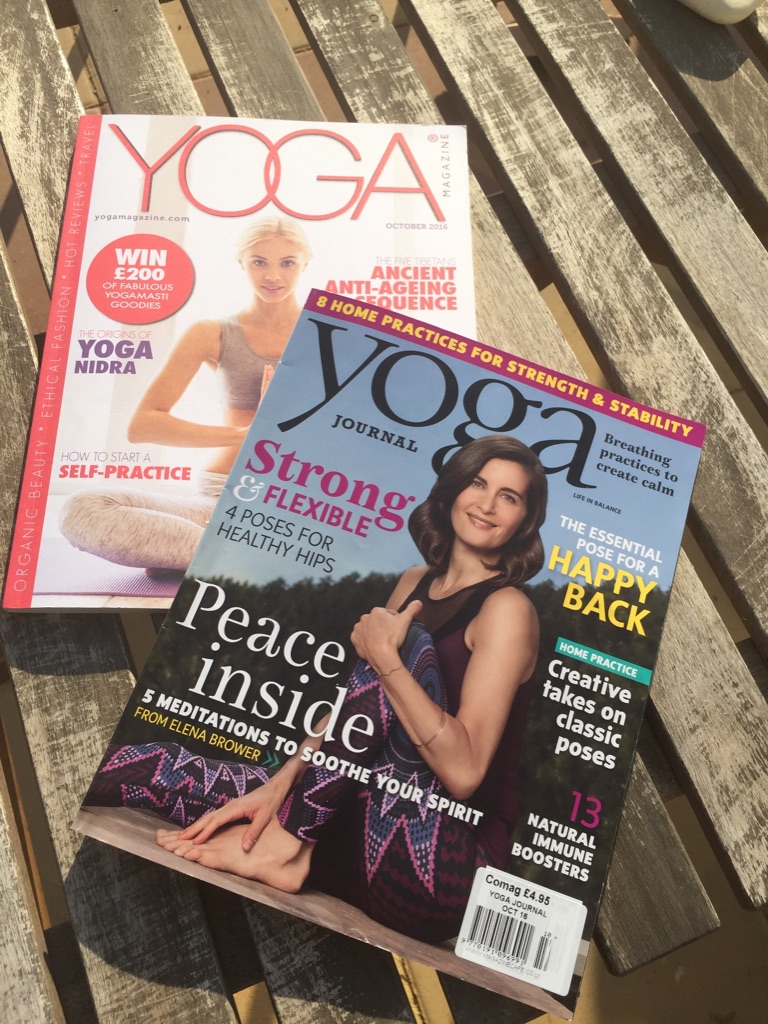
Continous learning. It is often said yoga is 1% theory and 99% practise but I do love magazines and to learn what is out there and how other people are doing it. From these ones I picked up some good modifications for some of the regular poses I use that I put to practise in yesterday’s class. The Yoga Magazine had also some adds for UK based websites that sell yoga clothes made from sustainable materials, such as recycled polyester and bamboo. I pinned some of my favourites on my Pinterest account as I really do not need to buy anything at this moment.
Jatkuva koulutus. Usein kuulee että jooga on 1% teoriaa ja 99% käytäntöä. Rakastan kuitenkin lehtien lukemista (ne kirjat onkin sitten vaikeampi asia) ja näistä lehdistä sain hyviä vinkkejä kuinka muuntaa tiettyjä asanoita joita käytän melkein joka tunnilla. Pistin nämä opit heti käyttöön eilisaamun joogassa. Yoga Magazinessä oli myös mainoksia Englantilaisista nettikaupoista joissa myydään ekologisista materiaaleista, kuten kierretystä polyesterista ja bamboosta, valmistettuja jooga- ja vapaa-ajan vaatteita. Koska en tarvitse tällä hetkellä kuitenkaan yhtä ainutta vaatekappaletta, tyydyin tallentamaan suosikkejani pinterest-tililleni.
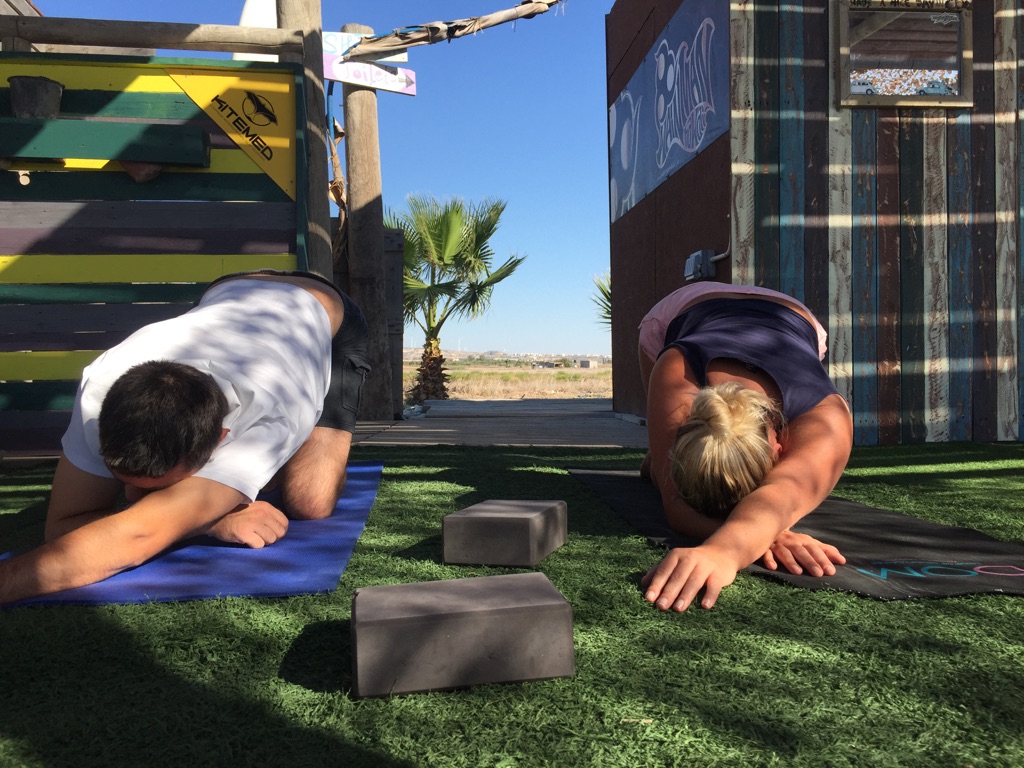
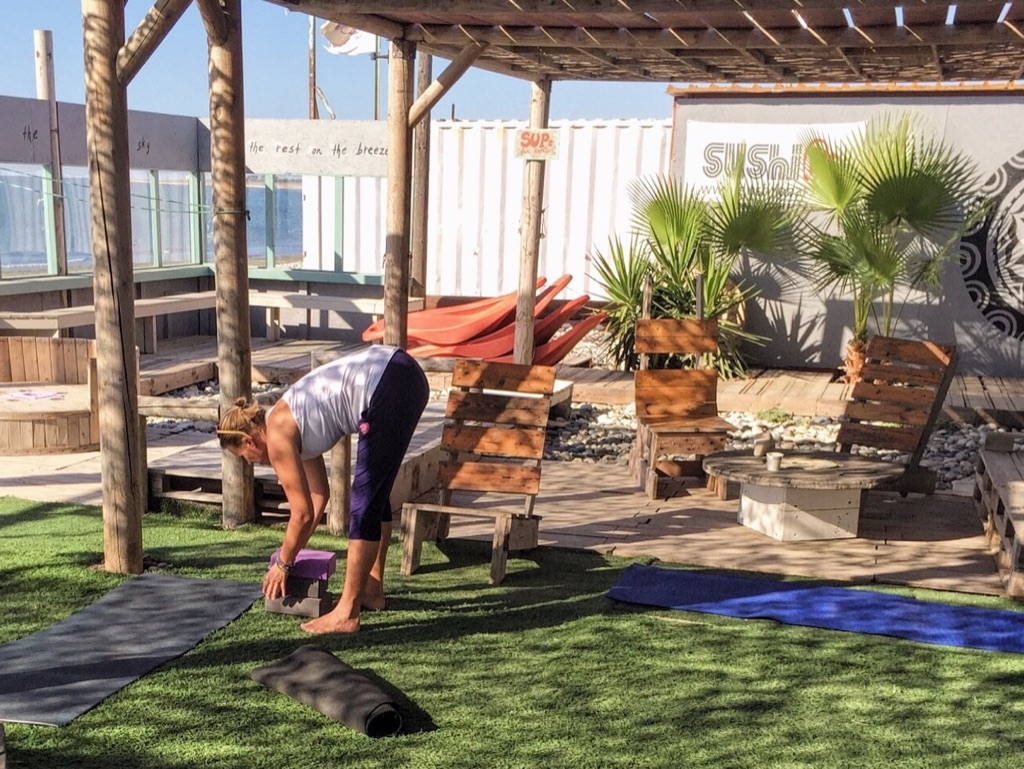
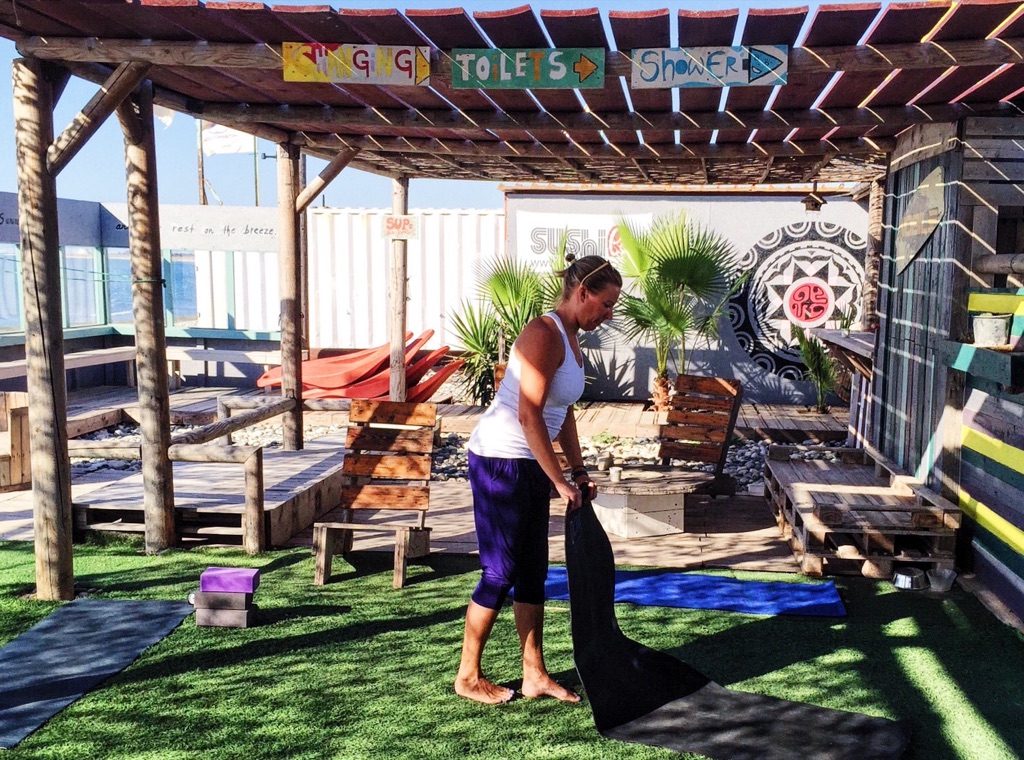
Setting up the class. This is Cyprus and 9 am is not exactly the same 9 am as it is in the Northern Europe. Which is just as well as I always have time to prepare the mats and blocks so all people have to do is to show up and start clearing the mind.
Matot ja blokit paikoilleen. Saarella aamu-yhdeksän ei ole ihan sama käsite kuin Pohjois-Euroopassa joten järjestelyihin ja kuulumisten vaihtoon on aina aikaa. Kaikkialla.
Breathing. Natural, pretty essential and still so many ways of doing it. Many of us tend to breath with our chest only, i.e. only using the top part of our lungs. Yet, the power of the belly breath is far greater than we realise and deep breath works on many levels: it can bring almost instantenous stress relief, improves oxygen intake (surprise, surprise) and helps to detoxify your body as it encourages the lymphatic system to work better just to mention few benefits.
I still clearly remember the first time I was officially introduced to belly breathing (also known as diaphragmatic, deep or abdominal breathing), breathing with all my lung capacity in a concious manner. It was a real ”holy shit!” moment (in a positive way, to be clear.)
Here are two ways you can start familiarise yourself with belly breathing if that is new to you. Be patient with yourself if it takes a moment to get hang of it. It IS ok to confuse your inhales and exhales. Instinctively we all know how to do the right thing so just relax and feel rather than (over)think. As a proof of this, all babies breath with their tummies, just look at a sleeping baby next time you see one. Just choose a child you know the parents of though, unless you want to come across as a proper creep.
Practise 1:
Sit cross legged in a comfortable position. If you want, you can put a pillow, a yoga block, or even a book under your bum, just make sure you have an even seat. If sitting is not an option you can also lie down on your back. Place one hand on your upper chest and one on your stomach, just below where the ribs end. It does not matter which way your legs are crossed and your hands are. Just be comfortable, with as straight spine as possible.
Inhale through your nose. Let the inhale fill your stomach so that you can feel your belly and ribs on the side expanding. The chest stays fairly still. With exhale, think about emptying your lungs as much as you can whilst remaining comfortable. You can exhale through a small gap between your lips if you want. When exhaling some find it helpful thinking about the belly button going towards the spine, or they feel their stomach muscles contracting. With every inhale and exhale lenghten your breath: some find it helpful to count into 3 (or 4, or 5), you do not have to count to if you want but try to keep the inhales and exhales of equal lenght. Keep doing this for 5-10 minutes, or as long (or short) you are comfortable with.
Practise 2:
For this one you want to be in a seated position. Place your palms on your knees, facing upwards. Imagine that you are picking up your breath from your right palm with your right nostril and think how it travels up your arm all the way to your nose. Without holding the breath, let the exhale go out from your left nostril and travel with the same pace down your left arm all the way to your left palm. Once you get there, pick up (= inhale) the breath from your left palm, let it travel up to your nose and exhale down from the left nostril down to your left palm. Continue like this for 5-10 minutes.
Hengittäminen. Se tulee luonnollisesti meille useammille, on hyvin tärkeää ja kuitenkin on monia eri tapoja tehdä se. Moni meistä hengittää ainakin hetkittäin pelkästään keuhkojen yläosalla. Hengityksen todellinen voima tulee kuitenkin esille hengittäessämme keuhkojen koko kapasiteetillä. Syvähengitys tuo mukanaan monia etuja: se laskee stressitasoa nopeasti, parantaa hapenkulkua (yllätys), ja auttaa puhdistamaan kehoa sen kuona-aineista tehostamalla imusolmukkeiden toimintaa, muutamia esimerkkejä mainitakseni.
Muistan itse selvästi ensimmäisen kerran kun tein ”oikean” hengitysharjoituksen joogatunnilla käyttämällä palleahengitystä, eli hengitystä jossa maha ja kyljet liikkuvat. Hektisen ja stressaavan työpäivän jälkeen hengittäminen koko keuhkojen mitalla oli positiivisesti herättävä kokemus siihen mihin oma keho pystyy.
Alla on kaksi eri tapaa harjoitella syvähengitystä. Ole rauhallinen harjoituksen kanssa, jos ulos- ja sisäänhengitykset menevät sekaisin ei se haittaa. Koko keuhkoilla hengittäminen on asia jonka me kaikki osaamme luonnostamme: katso vaikka seuraavan kerran nukkuvaa pikkulasta hänen nukkuessaan ja tarkkaile kuinka maha kohoaa aina sisäänhengittäessä. Suosittelen kuitenkin, että valitset lapsen jonka vanhemmat tunnet ellet halua poliisia kimppuusi tai vähintäänkin omituisia katseita.
Harjoitus 1:
Istu jalat ristissä mukavassa asennossa. Jos haluat, voit pistää takamuksen alle tyynyn, joogablokin tai vaikka ison kirjan. Pääasia on että istut tasapainoisesti. Jos istuminen ei tunnut hyvältä, voit myös maata selälläsi, jalat suorana tai koukussa. Aseta toinen käsi rintalastan päälle ja toinen mahalle, kylkiluiden alapuolelle. Löydä hyvä asento ja koita pitää selkä niin suorana kun mahdollista.
Hengitä sisään nenän kautta. Tunne kuinka sisäänhengitys täyttää mahan niin että se pullistuu. Samoin voi käydä kylkiluille ja voit tuntea kätesi kautta kuinka ne ”levenevät”. Rintakehä puolestaan pysyy suhteellisen liikkumattomana. Uloshengityksellä tunne kuinka keuhkot tyhjentyvät, kuitenkin niin että tunne on mukava eikä henki lopu kesken. Uloshengityksen voi tehdä myös suun kautta muodostamalla pienen raon huulien väliin. Voit myös ajatella että vedät napaa selkärankaa kohti kun uloshengität, jotkut taas tuntevat kuinka mahalihakset aktivoituvat. Yritä pitää sisään- ja uloshengitykset yhtä pitkinä. Voit halutessasi laskea neljään (tai viiteen. Tai kuuteen) jos tämä auttaa. Jatka harjoitusta 5-10 minuutin ajan, tai niin kauan kun hyvältä tuntuu.
Harjoitus 2:
Tämä harjoitus on hyvä tehdä istuvassa asennossa, mutta jos lattialla istuminen tuntuu vaivalloiselta voi hyvin istua myös tuolilla. Aseta kädet kummallekin polvelle, kämmenet ulospäin. Kuvittele että nappaat sisäänhengityksen oikeasta kädestä oikealla sieraimella ja tunne kuinka hengitys matkustaa käsivartta ylös nenään asti. Tee uloshengitys vasemmalla sieraimella vasenta kättä alaspäin kunnes hengitys saavuttaa vasemman kämmenen. Jatka sitten sisäänhengittämällä vasemmasta kämmenestä vasempaan sieraimeen ja taas ulos oikeasta sieraimesta oikeaan kämmeneen. Jatka näin 5-10 minuuttia. Kuulostaa oudolta mutta toimii.
I’ve been spending the last few days in London, making the most of the yoga classes the City has to offer. My goal was to try different classes and get inspiration from different teachers.
Olen viettänyt pari viimeistä päivää Lontoossa. Muiden asioiden hoitamisen lisäksi suunnitelmani on ollut käydä erilaisilla joogatunneilla ja inspiroitua erilaisita opettajista ja heidän tyyleistään.
A friend and a fellow yoga teacher in Cyprus recommended TriYoga so that has been my first stop. I LOVE their Camden location (there are 3 other locations in the city) which has a relaxed and complitely non-pretentous vibe in it. Even more, it has four or five yoga studios and a ton of classes to choose from. My first stop after five hour flight was “Restore and Relax” community class during which we did not stand up once. Perfect!
TriYogan tunteja suositeltiin minulle joten suuntasin suoraan lentokentältä heidän Camdenissä olevan studion tiloihin (TriYogalla on kolme muuta studiota eri puolilla Lontoota.) “Relax and Restore”-tunti oli juuri oikea viiden tunnin lennon jälkeen! Tunnilla ei noustu kertaakaan seisomaan vaan kaikki liikkeet tehtiin lattialla maaten.
The next day I tried out Jivamukti. I have been curious about the system but had not had an opportunity to try it out later. The teacher came recommended so 7:45 morning class it was! I really enjoyed it, we started off with 7 minutes of breathwork, followed by some chanting and a physical practise. The sequence was pretty intense for the morning but I got some hands on adjustments that I found good. The instructor also played drum’n’base during the asana practise and savasana which was a nice a chance to what I have been used to lately.
Seuraavana aamuna menin 7:45 alkavalle Jivamukti-joogatunnille. En ollut aiemmin kokeillut tämän suuntauksen joogaa joten olin innoissani uudesta kokemuksesta. Tunti alkoi 7 minuutin hengitysharjoituksilla jota seurasi mantran laulu. Itse asana-harjoitus oli intesiivinen varsinkin tuohon aikaan aamulla mutta erittäin hyvä. Opettaja kiersi luokassa ja paransi linjauksia tarpeen mukaan. Taustalla soi drum’n’base musiikki josta pidin myös. En yleensä käy tunneilla joilla on musiikkia (enkä sitä kyllä oikein kaipaakaan) joten tämä oli mukavaa vaihtelua.
I have also been observing few pregnancy yoga classes as this is a part of my ante natal yoga teacher training. Both teachers I contacted welcomed me with open arms to join in the class, much appreciated. The second class I attended was in this cute boutique gallery that runs different yoga classes also in the weekends.
Olen myös ollut seuraamassa muutamaa raskausajan joogatuntia joka kuuluu omaan antenatal-joogaopettajakoulutukseen. Opettajat joihin otin yhteyttä toivottivat minut kummatkin lämpimästi tervetulleeksi, on aina mukava saada positiivisia vastauksia pyyntöihinsä. Toinen tunneista pidettiin pienessä kauppa-galleriassa jossa on useita erilaisia joogatunteja iltaisin.
…and tomorrow there will be another new yoga class!
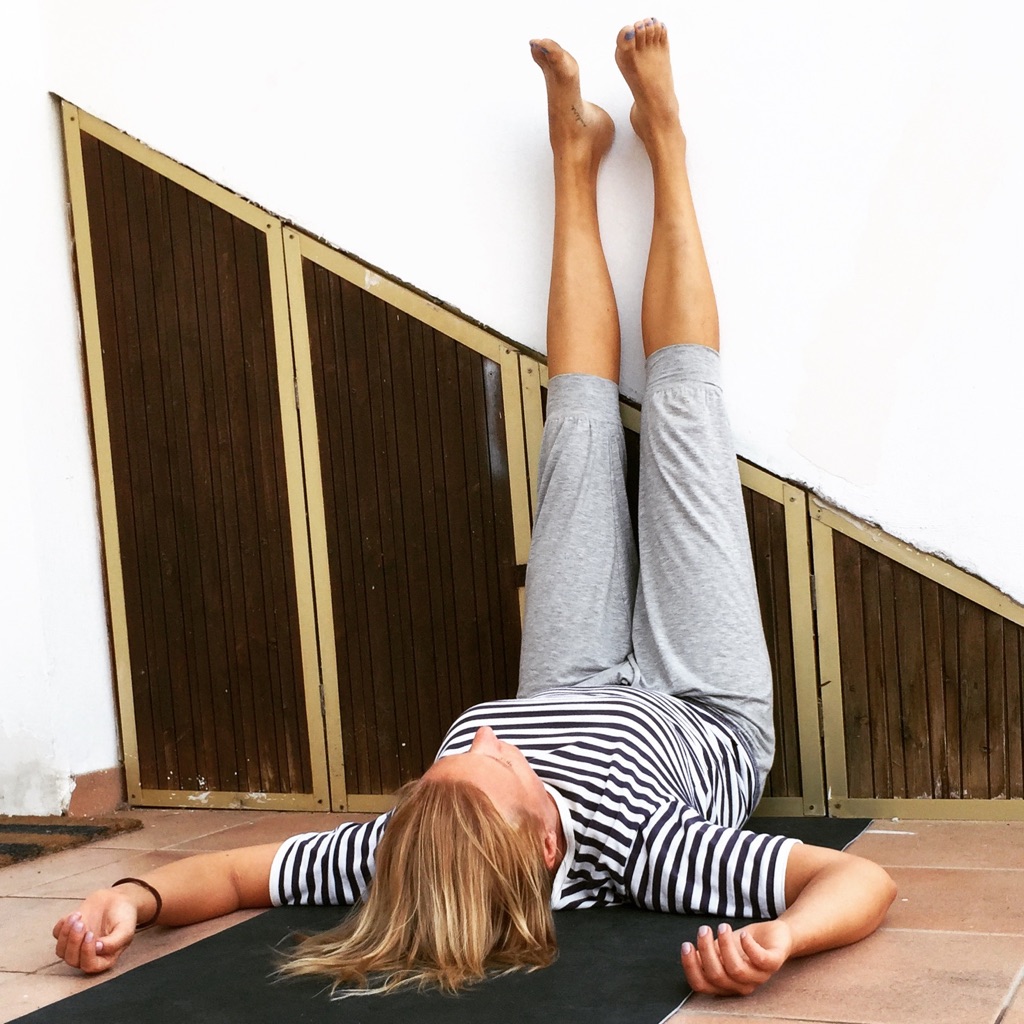
…and it’s a yoga pose! Legs-up-the-Wall-Pose, or Viparita Karani, is an asana favoured by many and no wonder as it is said to help with many different ailments, such as:
Anxiety
Arthritis
Digestive problems
Headache
High and low blood pressure
Insomnia
Migraine
Mild depression
Respiratory ailments
Urinary disorders
Varicose veins
Menstrual cramps
Premenstrual syndrome
Menopause
This pose is a restorative one, so in a yoga class you would find it usually right before the final relaxation. However it works just as well during a 10 break as a quick stress buster, or right before bed time. Practise with caution if you have neck or eye issues, always listening to your body first.
You do not have to get your butt right into the wall to grab the benefits, you can also do this pose with the soles of you feet against the wall.
Tässä vielä yksi jooga-asana jonka sanotaan auttavan sekä unen saamiseen että vähän kaikkeen muuhunkin, mm. ahdistukseen, reumaan, ruuansulatusvaivoihin, päänsärkyyn, korkeaan verenpaineeseen, migreeniin, virtsaamisongelmiin sekä vaihdevuosiin. Mulla ei ole aavistustakaan mikä tämän asennon nimi on suomeksi mutta tässä siis maataan selällään jalat seinää vasten. Jalat voi myös olla koukussa ja jalkapohjat seinää vasten jos ei halua pistää takamustaan suoraan seinään kiinni. Joogatunneilla tämän asennon löytää yleensä juuri ennen loppurentoutusta mutta tämän voi yhtä hyvin tehdä juuri ennen nukkumaan menoa tai jos on 10 minuutin pikarentoutusta vailla.
Jos kärsit niskakivuista tai silmänpaineongelmista, harjoittele tätä asanaa varoen.
Sleeping! One of my favourite things to do and I do it well. Unfortunately not everybody is as lucky as I am and lack of sleep or inability to fall asleep is a real issue for many. Talking to people I have realised that in addition to my natural sleeping abilities there have few things I have done all my life that mean I have a specific bedtime routine and do few things that might benefit others too so here we go.
1. Have a look at your bedroom. Now, I know nothing about Feng Shui and the Marie Kondo book about tidying is still waiting to be read. However it seems common sense that your bedroom is a cozy and inviting space, with bed linen that is comfortable to you (I dream of bamboo sheets which seem to be impossible to find in Europe.) Personally I like to my bedroom quite minimal and keep it well aired even in the winter. Physiologically he body needs to cool down in order to fall asleep so keep the window open and an extra duvet or blanket nearby for extra warmth if needed.
2. Check your pillow and mattress. You don’t need to fork out 2000 euros for a Tempura bed, just having a very good pillow can make a huge difference. I got mine from a specialised shop where I tested several whilst the shop lady kept on checking the curvature of my neck on the pillow: you want to have a natural, neutral curvature. I left with a brilliant one that did not cost that much more than your average IKEA pillow does. Also a good mattress cover can make a big difference so check yours out.
3. Get rid of all the electronics in your bedroom! For me this is the most important point. Mobile phones and laptops in your bedroom do not do you any favours as the blue glow is proven to affect your sleep. Also it does not matter if they are on sleep mode, you are still aware they are there and tempted to grab them to check something ”essential.” Just keep them away! Get yourself an analogue alarm clock instead. They cost under a fiver (both in euros and pounds) and work just as well as they did before mobile phones were invented. If you tend to stress about the time ticking away, turn the face of the clock away from you.
4. Start winding down 30-60 minutes before going to bed. Check you phone and computer one last time and put them away. Focus on your evening routine: Dog out, maybe some yoga or light streching, read few pages from a book, brush your teeth, clean your face, set up your clothes for the next morning… Keep things calm and relaxing and do not touch that phone
In case somebody forgot what all alarm clocks used to look like.
5. Do lists. When I still worked in an office I would write all the things I should do the next day in my notebook. This way I was sure I would not forget them and it also brought structure to my day, both morning and evening. It also meant that it was easier not to stress about work once I clocked off. The same idea can be applied to everything so if you have things at home you need to take care of at some point, just write them down and tick them off when you get to them. This really can help toclear your mind, destress and thus help with your sleep. If lists are not your thing, you can try going through any concern in your mind before bed time and then decide to put it aside.
6. It’s kinda obvious but what you eat and drink at the evening can affect your sleep a lot. Nothing wrong having a big dinner party at times, even better if you do not have to wake up early the next day, but if you have issues with your sleep it might be worth while having a think what your evening meal/snack is like and if it needs modifications. Remember that some medication, soft drinks and chocolates can also contain coffeine and thus affect sleep.
7. Exercise (but maybe not too vigorously.) I am sure I don’t have to say too much about the benefits of exercising, asana practise or otherwise. Some say that it is not wise to do anything too rigorous too close to sleep time but this can be invidual so if you enjoy your full Ashtanga practise in the evening and it suits you, go for it.
8. Wake up mindfully. Because waking up to me is still part of your sleep pattern So, your analogue alarm clock rings. Get up, try not to snooze. Your phone, computer and TV are nowhere to be seen. Strech, yawn, see if the sun is up (it probably is not though if you live in the Northern Europe… Sorry!) and get some fresh air, even if it is just from the window. Give yourself 5-10 minutes to get your head around the new day, to drink some water and to take few good breaths. It does make a difference.
Your turn now. Is there anything in the list you think might work for you to improve your sleep, or anything you would like to add/share?
Nukkuminen on yksi lempiasioitani ja olen siinä erittäin hyvä. Valitettavasti kaikki eivät ole kuitenkaan yhtä onnekkaita ja unettomuus ja unenpuute ovatkin isoja ongelmia monille. Keskustellessani asiasta ihmisten kanssa olen huomannut että minulla on aina ollut tietyt iltarutiinit joista voi olla apua muillekin.
1. Tarkista makuuhuone. En tiedä yhtään mitään Feng Shuista ja Kon Mariekin odottaa vielä lukemistaan. Mielestäni on kuitenkin hyvin tärkeää että makuuhuone on tila joka viihtyisä ja kutsuu lepäämään ja jossa on mukavat vuodevaatteet (itse unelmoin bambu-lakanoista joita ei tunnu Euroopasta löytyvän mistään!) Itse pidän makuuhuoneeni minimalistisena ja hyvin tuuletettuna kesät talvet. Fysiologisesti kehonlämpö laskee nukahtaessa joten on parempi pitää huone viileämpänä ja käyttää tarvittaessa ylimääräistä peittoa.
2. Tarkista käyttämäsi tyynyt ja patja. 2000 euron Tempura-vuode olisi tietenkin mukava mutta jo pelkästään hyvä tyyny voi tehdä valtavan eron. Ostin omani paikallisesta patja- ja tyynykaupasta jossa sain testailla erilaisia myyjän tarkastellessa että niskan kaari pysyi neutraalina. Tyyny ei maksanut sen enempää kuin IKEAsta saatavat. Myös petauspatja voi tehdä eron joten jos koko patjan uusiminen ei ole mahdollista voi sen päällisen uusiminenkin auttaa.
3. Poista kaikki elektroniikka pois makuuhuoneesta! Heti! Makuuhuone on nukkumista varten, puhelinta ja läppäriä voi tuijottaa muuallakin. Laitteiden sininen valo todistettavasti vaikuttaa unen laatuun ja pelkästään tietoisuus että puhelin on vieressä (vaikka sitten nukkumistilassa) on häiritsevä ja kiusaus napata luuri käteen keskellä yötä (tai ensimmäiseksi aamulla) on suuri. Kännykän sijasta hanki yöpöydällesi analoginen herätyskello joka maksaa alle vitosen. Jos tapanasi on tuijottaa minuuttien etenemistä ja stressata aamun lähestymisestä, käännä kellotaulu toisinpäin.
4. Valmistaudu nukkumaanmenoon 30-60 minuuttia etukäteen. Tarkista puhelin ja muut laitteet viimeisen kerran. Sen jälkeen voi keskittyä iltarutiineihin: Koira vielä kerran ulos, lyhyt jooga tai venyttely, kirjan tai lehden lukemista, iltapesut, seuraavan päivän vaatteiden valmiiksi laittaminen. Pidä asiat rentouttavina ja rauhallisena äläkä koske siihen puhelimeen!
Iltajooga näyttää tältä…
5. Tee lista asioista jotka pitää muistaa seuraavana päivänä. Toimistotöissä ollessani kirjoitin päivän päätteeksi aina listan asioista joita en ollut ehtinyt hoitaa ja/tai jotka pitäisi tehdä seuraavana päivänä (tai sitä seuraavana…) Näin varmistin että en unohtanut mitään tärkeää ja melkeinpä automaattisesti lakkasin miettimästä asioita liikaa kotona. Tätä samaa menetelmää (jota en todellakaan keksinyt itse) voi soveltaa myös muuhun elämään. Lista kotona voi olla kotibyrokratiaan liittyvää, asioita jotka painavat mieltä tai ”vain” tavoitteita tuleville päiville. Tämä auttaa jäsentämään ja selvittämään asioita ja voi auttaa niitä tulemasta uneen. Jos luetteloiden kirjoittaminen ei nappaa voi asiat yrittää visualisoida rauhassa istuen, silmät kiinni.
6. Tämä on varmaan kaikkien tiedossa mutta se mitä illalla syö ja juo voi vaikuttaa uneen paljonkin joten jos illalla on aina vaikeuksia nukahtaa on syytä tarkastella mitä iltapäivän/illan aikana suuhun on pistänyt. Jotkut lääkkeet, virvoitusjuomat ja suklaat sisältävät esimerkiksi kofeiinia joten rutiinivälipalojenkin sisältämät aineet on hyvä käydä välillä lävitse.
7. Urheile (kohtuudella.) Joskus saa lukea että liian energistä hikiliikuntaa ei pidä harrastaa liian lähellä nukkumaanmenoa koska se voi häiritä unta. Tämä voi kuitenkin olla yksilöllistä joten jos 10 kilometrin lenkki tai ashtanga-harjoitus tuntuu parhaalta illalla niin miksi muuttamaan itselle sopivaa rytmiä.
8. Herää rauhassa. Minusta tämä kuuluu myös unen laatuun. Jos heti herättyään alkaa sinkoilemaan joka puolelle voi hyväkin uni ja sen tuomat edut nopeasti kadota. Herätyskellon (sen analogisen) soidessa voi venytellä jo sängyssä. Tarkista sää ikkunasta, hengitä hieman ulkoilmaa. Juo lasi vettä ja hoida tärkeimmät aamutoimet ennen lehtien lukemista ja puhelimen tarkastamista. Jo antamalla 5-10 minuuttia itselleen antaa herätä rauhassa ja rauhallisesti antaa koko päivälle ihan erilaisen tunteen.
Onko listassa mitään jota aiot kokeilla? Mikä auttaa sinua rauhoittumaan illalla?
Ystäväni kysyi minulta lisää linkkejä artikkeleihin jossa keskustellaan joogan hyödyistä, sekä niistä päänsisäisitä että fyysisitä. Kokosin eilen kasan englanninkielisiä linkkejä postaukseen. En suoraan sanoen uskonut löytäväni kovinkaan paljon suomenkielistä materiaalia jota en olisi jo käynyt lävitse mutta löytyihän niitä. Löytyi tosin paljon muutakin hämärää joogaan liittyvää mutta keskitytään nyt näihin tieteellisempiin linkkeihin.
Liinanblogissa on pari hyvää kirjoitusta joogan ja terveyden yhteyksistä, joissa kummassakin on lopussa viitteet lähdeaineistoon. Jutut löytyvät täältä ja täältä.
Yleisesti joogan fyysistä eduista voi lukea tästä. On syytä mainita että joogan vaikutusta fyysisen kunnon parantamiseen tutkivissa kokeissa on voitu käyttää joogan eri tyylejä, jonka takia tulokset liittyen varsinkin kunnon kohoamiseen ovat vaihtelevia. Uskon että on kuitenkin helppo ymmärtää että kahden tunnin ashtanga-harjoitus voi nostaa sykettä aika reippaasti. Ja jos et, tee tämä ja kerro miltä tuntui.
Mikä sitten on rasittavaa joogaa? Tämä artikkeli Kauneus ja Terveys-lehden sivuilta vastaa! Itse en ole käynyt Sivanda-joogassa, kaikki muut mainitut muodot ovat tuttuja.
Here’s a round up of few yoga articles & sources I return quite often. Some of you have asked more information about the benefits of yoga and how does it compare to other physical activities so hopefully you’ll find these as useful as I have.
For an explanation and discussion about the Yoga Sutras I have not found any better than this website. There is actually a ton of material on this site even outside the sutras, AND a ”how to use this site” section. Much gratitude to Swami J for his site.
I’m a tree… no, a pillar!
On Yoga vs Other Types of Exercise
There is a growing number of interest in scientifically proving the benefits of yoga, both mentally and physically. The main issue with these is that with so many different types of yoga styles the studies made can have very varied outcomes. Nevertheless, here are few articles that I have found pretty informative and/or interesting, keeping in mind that it is usually advisable to mix up your exercise routine and interested rather than relying on one thing only.
Ok, some of these poses in this linke are not very accessible to even the most seasoned practiotioners but there are also some very common streches here. If you already have a practise, this might be interesting to see what musclegroups you strech. Just remember to incorporate your breath!
Chaturanga (the pose that looks like a plank that you then lower to the ground, arms by your body) is one of the hardest things in a yoga class in my opinion. It is so hard to get it right and the more vinyasa-style class you have, the more you do them. And the more tired you get, the chances are the less mindful you become about it. Here is a good article about how to get comfortable with your chaturanga in your head and here is a video of the physical aspects of it. You can always modify your chaturanga by placing your knees down on the ground.
Never easy but at least my wrists in line with my elbows and shoulders.
Viime viikolla kirjoitin, mitä jooga on ja lupasin kirjoittaa myös fyysisen harjoituksen eduista. Tässä tulee. Jätin tarkoituksella notkeuden parantumisesta listasta sillä mielestäni sitä painotetaan jo melkein liikakin.
Ensimmäiseksi täytyy valitettavasti todeta että jooga ei ole mikään kerta-annosihmelääke mihinkään mutta voit varmasti tuntea sen hyödyt jo ensimmäisellä tunnilla. Säännöllinen harjoittelu taas auttaa kokemaan hyödyt laajemmin ja syvemmällä tasolla. Joogatunnille ei myös aina juokse riemusta kiljuen, sama varmaan pätee moneen muuhunkin harrastukseen että aina ei vaan huvita. Joogan kanssa onkin hyvä olla realistinen ja kärsivällinen: jokainen harjoitus on erilainen riippuen päivästä ja omasta olotilasta. Vaikka asanat joskus takkuisivatkin, harvoin kuitenkin kuulee että kukaan olisi katunut joogatuntiansa.
Mutta itse asiaan. Mitä hyötyä joogasta siis on?
1. Tietoisuus omasta hengityksestä ja sen voimasta paranee: Totta kai kaikki osaavat hengittää mutta on iso ero hengittääkö vain keuhkojen yläosalla vai syvästi niin että se tuntuu vatsassa ja kyljissä asti. Lähes jokainen joogatunti alkaa hengitykseen keskittymällä ja pidentäen sekä sisään ja uloshengityksiä, omaan tahtiin. Tämä pidennetty tahti puolestaan alentaa pulssia ja verenpainetta joka tarkoittaa…
2. … stressin alennusta!
3. Joogassa liikutetaan koko kehoa: Välillä keskittyen vain yhteen osaan kropasta, välillä liikuttaen kaikkia suurimpia lihasryhmiä. Löydät tunnilla varmasti uusia tuntemuksia ja/tai lihaksia, joka taas puolestaan…
4. … Parantaa omaa kehontietoisuutta ja -hallintaa
5. Jooga lisää voimaa. Tämä tapahtuu hitaasti mutta varmasti ja joskus melkein huomaamatta, kun asanoissa pysytään 3-5 hengityksen ajan.
6. Verenkierto paranee: Liikkeen ja hengityksen yhdistyessä veri alkaa kiertämään paremmin joka puolella kehoa. Tämä taas puolestaan auttaa lievittämään esimerkiksi jalkojen turvotusta ja särkytiloja.
7. Se tehostaa kehon puolustusjärjestelmän toimintaa: Hengitys, kiertoliikkeet ja asanoista toiseen liikkumineen auttavat immuunijärjestelmäämme poistamaan kuona-aineita ja torjumaan infektioita.
8.Mieli selkeytyy ja rauhoittuu: Joogatunnilla tapahtuu paljon mutta tunnin vetäjä muistuttaa hengityksen tarkoituksesta ja ohjaa asanoissa. Viimeistään loppurentoutuksen aikana mieli on kevyempi ja olo rauhallinen ja raukea.
9. …Joka taas auttaa parantamaan unen laatua.
Listaa voisi jatkaa loputtomiin … Selkeä juttu hengityksen syventämisestä suomeksi löytyy täältä ja yleisemmin joogasta ja sen eduista täältä.
Mitä hyötyjä olet löytänyt omasta joogaharjoituksestasi?