Tag: YogaSutra

  • 7 X Yoga Books I Like

    7 X Yoga Books I Like

    I had a chat about yoga books with a friend yesterday and this old post of mine came to mind. As nothing has changed since I first published this text, here you go again, for those who did not see this the first time around.

    Yoga books are nothing new. The first systematic presentation of yoga in a written form, the Yoga Sutras by Patjanhali is said to dated circa 400 CE (I am aware there is debate around this date but I am not going to dwell any deeper into it), whilst another renowned yogic scripture, the Bhagavad Gita dates an estimated 500 BCE.

    There is a ton of yoga books around and it can be hard to pick just one or two. Here’s a list of some of my favourites. Some of these I read almost every day, some less so but they have all served a purpose of some sort in my yoga studies. If the list looks familiar it is because each one of the books is on the Amazon’s ”Top 15 or so Yoga books” list and many are teacher trainer reading staples. Hence expect nothing crazy original but if you are newer to yoga literature this might be helpful.

    A lot of people approach yoga through the physical practise. I would however encourage any student of yoga to have a look at what lies in the roots on the asana practise. A good place to start is the Yoga Sutras of Patanjali. These are the basic teachings of yoga are described in short verses called sutras, which are organised in four padas, or chapters. As reading a direct Sanskrit translation might seem a daunting task, there are luckily many textbooks offering an approachable commentary and interpretation of the sutras in a easy-to-digest form. The textbook I have is authored by Reverend Jaganath Carrera and it is called ”Inside The Yoga Sutras.”

    Several books combine philosophy, breathing technique and asana practise in one. A classic is B.S.K Iyengar’s ”Light on Yoga – The Definitive Guide to Yoga Practise.” The books have fantastic black and white photo illustration and the descriptions on how to get into each pose are very detailed. On a completely superficial level, the 2015 edition I have is also beautiful to look at. The only minus comes from it being a very heavy for a paperback so it is not the best travel read.
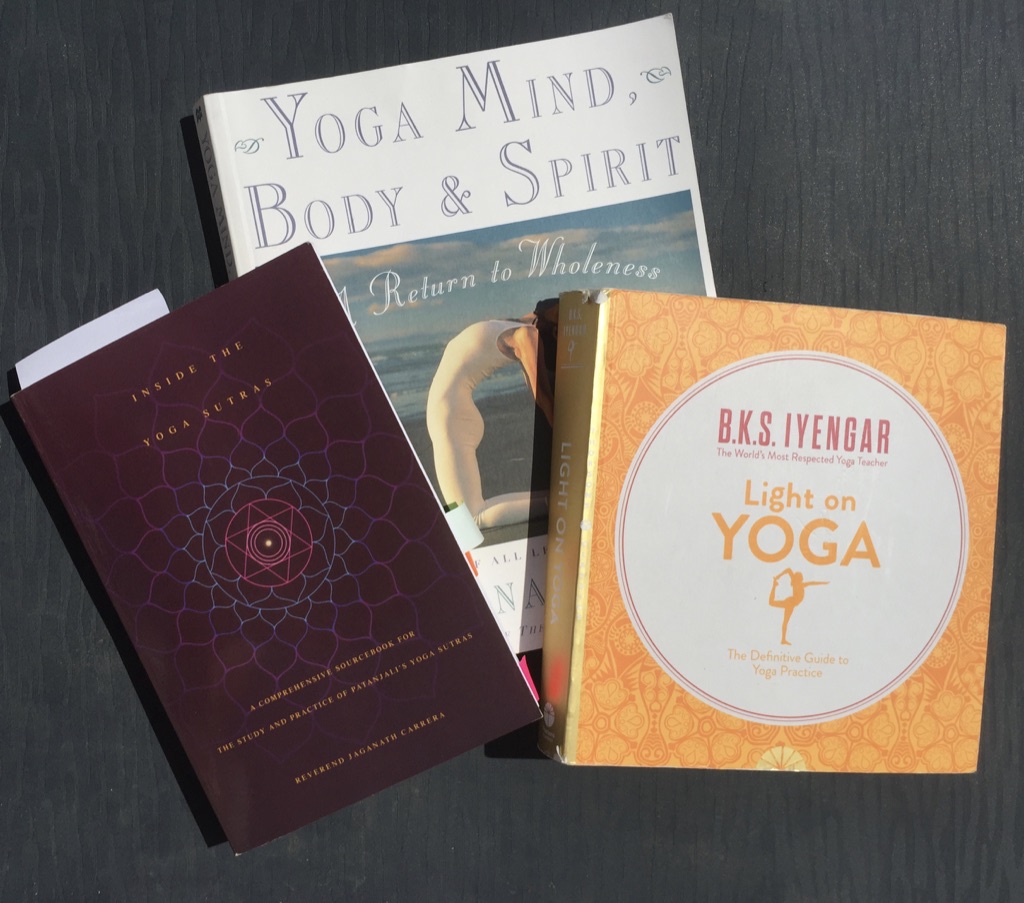
    Donna Farhi’s ”Yoga Mind, Body & Spirit – A Return to Wholeness” is another very complete book. In all honestly I found this one a bit hard going. However, the illustrations and photos are very clear and I like that the use of props, such as chairs, blankets and blocks, is incorporated to offer different types of modifications. It also has very wide margins for your own notes which is a plus.

    My favourite book on this list is probably T.K.V. Desikachar’s ”The Heart of Yoga – Developing a Personal Practise.” Written in a conversational manner (in fact, part of the book is in an interview Q & A format) the book is a practical approach to various elements of yoga: Asanas, breathing and meditation. It also has a chapter on the Yoga Sutra’s with Desikachar’s own translations and comments.

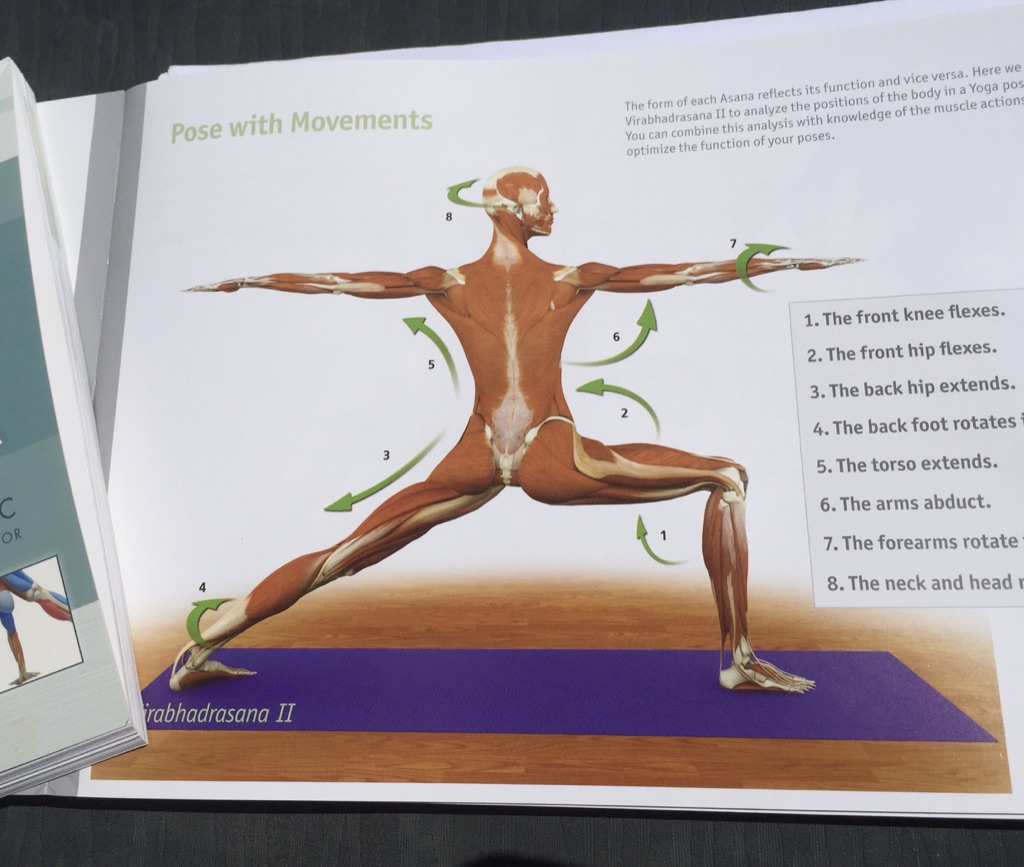
    There are of course plenty of books focusing solely on the anatomy side of yoga. Leslie Kaminoff & Amy Matthews’ ”Yoga Anatomy” (I have the second revised edition) is the one of the most recommended ones. In every page it offers a clear illustration of inside the asana (see the photo to get an idea), a classification, actions for joints and muscles, a word about the respiratory mechanism applicable to that pose and additional notes. A perfect go-to book when you want to check how your body works in a given asana, I use this book several times a week.

    I also have two books of Dr. Ray Long, ”The Key Muscles of Yoga” and ”The Key Poses of Yoga.” I must admit that I first got excited by these books due to the big illustrations that take up most of the pages. Anatomy can be difficult and the pictures make it more approachable! I find these books (unlike the ones listed before) are also usable during actual practise due to simple layout.
    What are the yoga related books you have read and would recommend?

  • Who Owns Yoga?

    Who Owns Yoga?

    If you found my previous post interesting, there is more! In a documentary entitled “Who Owns Yoga?” the Al-Jazeera correspondent Bhanu Bhatnagar “explores the impact of our modern obsession with one of the world’s oldest physical and spiritual practises.”

    The documentary is only 50 minutes long. It features well established names from the yoga world in the West and East, such as Sharon Gannon and David Life (founders of the Jivamukti Center in NYC), Sri Dharma Mittra, Sadhguru Jaggi Vasudev, Tara Stiles and many more. Check it out, and why not leave your thoughts about it in the comment section.

  • Can yoga ever be considered as a (competitive) sport?

    Can yoga ever be considered as a (competitive) sport?

    Few months ago a fellow yoga teacher posted on Facebook an article about whether or not yoga should be considered as a sport that triggered my interest. For most of us the mere idea of talking yoga and sport, let alone yoga as a competitive sport, seems outrageous. The steady breath, the journey for emotional and maybe even spiritual wellbeing and inner peace that we associate with yoga (or at least, our yoga teacher would like us to associate with the practise) just seem almost completely at odds with what we may think of as (competitive) sports.

    But how do we classify what is a sport in a first place?

    In dictionaries “sports” is defined both as An activity involving physical exertion and skill in which an individual or team competes against another or others for entertainment.” and as a physical activity (such as hunting, fishing, running, swimming, etc.) that is done for enjoyment.”

     In short, sports may or may not be competitive in nature. All it requires is that there is some sort of physical effort. We know that the physical aspect of yoga, asana or posture, is only one of the 8 limbs of yoga as defined by Patanjali. But isn’t fair to say that is the physical practise that many people see as synonymous to “yoga”? To push further, asana practise can be very physically challenging, and the words “effort and ease” are mentioned in the Yoga Sutras: Sthira sukham asanam, yoga posture is an expression between effort and ease.

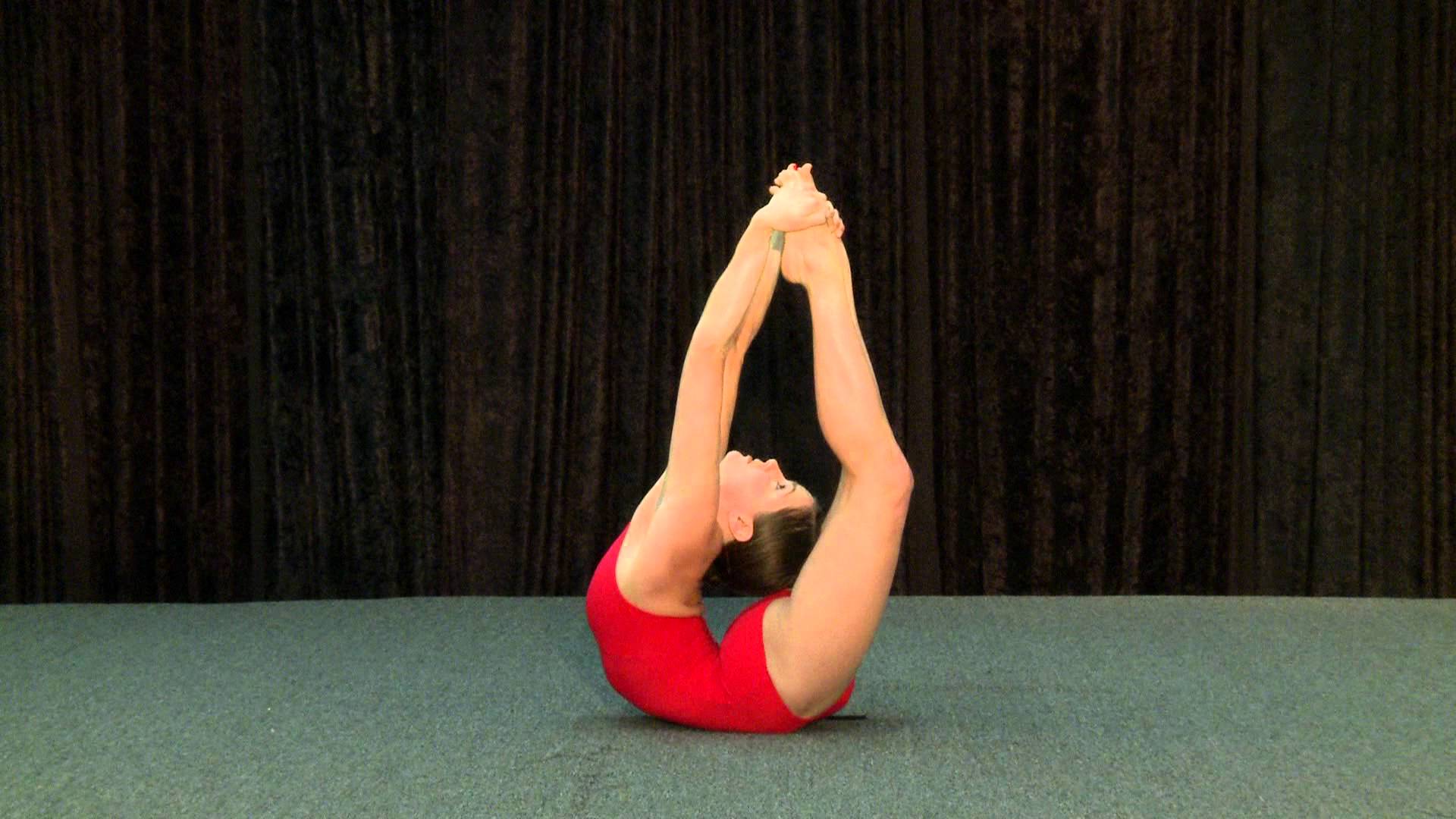
    Mari Dickey at the 2010 Bishnu Ghosh Cup. Photo by Mike McInnis.

    There is no way that sutra can be interpreted that it is ok to have yoga as a competitive sport!” you might be thinking at this point. But even the officials in India, the homeland of yoga, have not been sure where (or how) to place yoga. In September 2015 yoga was recognised as a sport in the Country, only to be derecognised 14 months later, in the late 2016 with the Indian Sports ministry stating, “…Yoga has various dimensions/arms in which competitions are not possible.”

    Definitions aside, it is also interesting to ask…

    …Who would consider yoga as a sport?

    Quite a few people actually, I discovered when doing research for this piece. The International Federation of Yoga Sports website tells that yoga competitions have existed in India for some 2000 years, and competitions with a focus on asana have existed since up to 200 years. The current form of yoga asana competitions on an local, national and international level have existed since 1989, when The First World Yoga Cup and World Yoga Championship was held in 1989 in Uruguay and The First International Yoga Asanas Championship in India.

    Especially in the USA the popularity of these competitions has grown over the years but “yoga as a sport” is a rising phenomenon with several organisations holding national and international competitions and regulating their rules. The biggest one of these entities, The International Federation of Yoga Sports, acts as a governing body for subdivisions in 32 countries.

    Sarah Wells, International Yoga Asana Championship in 2012. Still from a YouTube video.

    “Yoga is about catching the stillness, even in competition”

    Joseph Encinia, the president of USA Yoga, said these words during an interview for the US online magazine Racked last year. In most yoga competitions the participants have to perform a certain number of pre-defined asana and hold them for a certain period of time (in USA Yoga competitions at least 3 seconds.) The postures are of often some sort of variation on a forward bend, a backbend, a stretch, and a twist, either chosen from a list of options or a yogi’s choice. Some organisations also test their competitors on the history of yoga, but the execution of asana to a certain pre-set standards is always present. In the Racked interview Encinia explained how “If a yogi’s alignment is off, we’ll hold it against them, but we’re also watching for balance and control of the breath.”

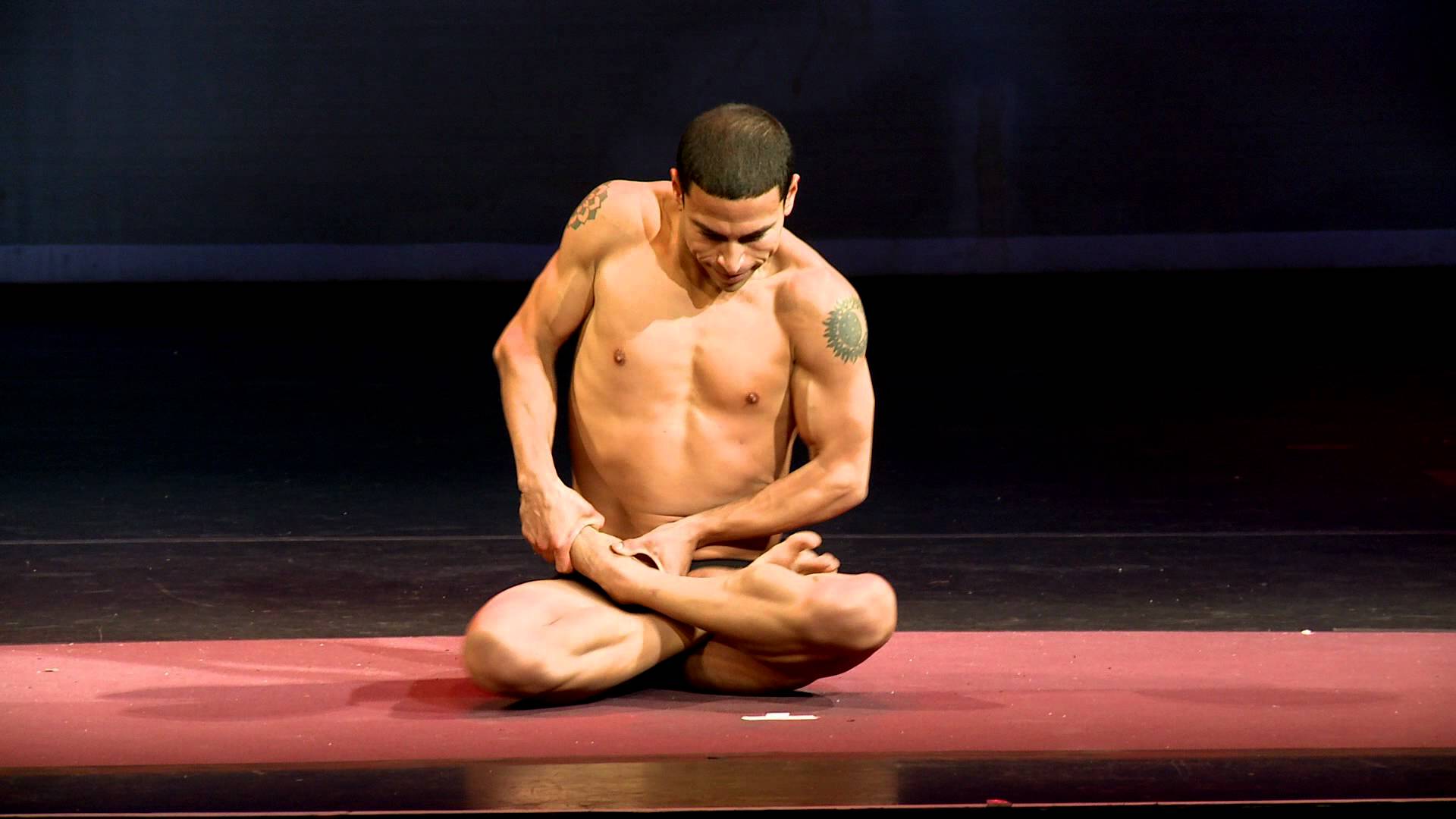
    Joseph Encinia, Demonstration at the 2012 USA Yoga Asana Championship

    Balance and breath are mentioned, that makes these competitions a bit more “yogic”, right?

    Well, maybe not so much. For starters, whose definition of alignment are we talking about? There are dozens of schools of yoga out there these days, some emphasising the anatomical alignment as the paramount of any asana, some much less so and some that barely even mention alignment in their classes. Furthermore, even if you go to two different classes of the same school of yoga, you still might hear things that not 100% identical. And lets not forget that we all have different bodies with different proportions, and I for one think that to get the most out of yoga, it is best taught in a small, if not 1 to 1 setting, where you can pay attention to everybody individually.

    This, together with the perceived lack of spirituality, emotional benefits and relaxation associated with yoga, are among the biggest critical comments against yoga as a competitive sport. Of course yoga teachers and studio owners need to make a living, and for that we need students to come to class. Yet, the absence of the “need to perform” feeling, and lack of comparison to others is something that many of us hold sacred and at the heart of yoga. There are also many other ways that can inspire and motivate us with our practise, and as to catching people’s interest in yoga, are these competitions really representative in any way of the science and art of yoga, thousands of years old?

    Each to their own and as yoga continues to grow in popularity, it is always interesting to hear what attracted people to come to class in a first place and what image of the practise they might have before they step on the mat for the first time. I am going to continue my exploration on all things under the umbrella of yoga this Friday in a form of a documentary screening at a friend’s new yoga studio. I might write more around this topic in the future but in the mean time, let me know what you think about the following:

    Is yoga a sport, and would you like to see (or participate) in an asana competition?

    The pictures are in this post are not mine. The 3 YISF pictures are stills from competition videos available on YouTube.

    Juan Manuel Martin Busutil Demonstration at the 2013 International Yoga Asana Championship

    Tallenna

    Tallenna

    Tallenna

  • Abhyasa and Vairagya

    Abhyasa and Vairagya

    Practise and non-attachment can seem to be very contradictory terms as we usually associate practise with the expectation of some sort of results. Yet together these two form the principles that the whole yoga system as we know it today rests. You might have heard your yoga teacher to say the words ”just let everything go that does not serve you”. Maybe you even liked that phrase because it almost felt like a permission to let go and relax in a world that seems to be full of demands. Yet when we hear those words in a yoga class most of us do not think that they mean we are going to let our asana practise fall apart. If anything, in this context “letting go” can easily be understood as an invitation to focus only on the practise taking place and give it all our attention.

    dav
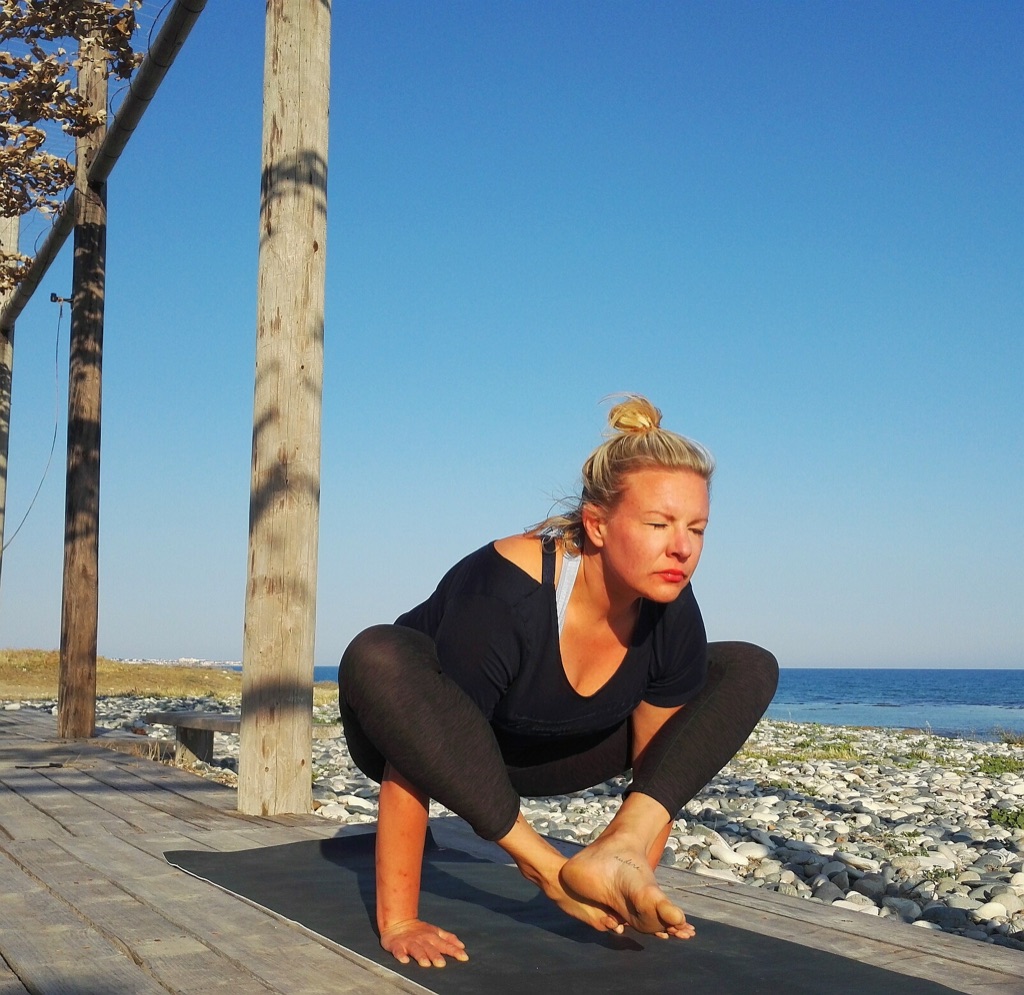
    Check out the focus on this Bhujapidasana…

    And that is the moment when the meaning of abhyasa and vairagya – practise and non-commitment – reveals its logic to us.

    To describe things as concisely as possible, abhyasa, as Patanjali explained them in his Yoga Sutras (Sutras 1.12 to 1.16), means to make consistent effort (i.e. practise), over time and even when do not feel like it (especially when we do not feel like it, some might say) to observe and follow thoughts, actions and general lifestyle choices that lead us towards a state of tranquillity. Why? Because this practise and the stilling of the mind it brings with it will help to reveal our true, “original” self, free from fears, stress, upsets and pain, all those things we so often feel our lives are filled with.

    By using the word ”effort”, this sutra reminds us that Yoga is not for the lazy. Nothing great was ever achieved without effort.

    – Reverend Jaganath Carrera

    Vairagya on the other hand can be understood as study or process of actively recognising, exploring and letting go of everything that stands in the way of finding inner peace and tranquillity. Put in other words, vairagya encourages us not to attach any significance on material wealth (clothes, cars, our latest phone…), non-material issues (situations that makes us agitated or angry, certain exam or career results, fancy yoga poses to be posted on Instagram) or anything else that may think of as important to us. Whilst we may fool ourselves to believe that obtaining more of wealth, recognition or whatever it is we crave for, it really just diverts us from finding inner peace and at the end is more likely to contribute to further unhappiness.

    Non-attachment is the cultivation of realistic, healthy relationships with objects and attainments based on understanding what the world can and cannot offer.

    – Reverend Jaganath Carrera

    It is of course hard to be conscious of the fact that we should not grow too attached of the outcome of our results, as after all this is very human. We might do well at work or with other projects, extremely well even and our efforts may even bring us material wealth or acknowledgement and we think we have the right to be proud of our hard work. And of course there is nothing wrong in those feelings. What we must be vary though is how we allow those attachments we have on desired results affect our mind and how we view ourselves in relation to our surroundings. Because equally, our efforts may not bring the success we wished for. How do we feel then? Do we get upset, do we feel our self-worth evaporating, do we feel we should have achieved more tangible results, feel more proud of our efforts?

    dav
    …which, regardless of the focus, can end up like this. 10 times in a row.

    In summary, abhyasa and vairagya remind us of the importance of consistent, daily and joyful practise, with a lifestyle and environment that support this, and how we must remain aware of our underlying motivations and expectations of this practise and aim to use it as a tool to experience peace that transcends external circumstance.

    And that requires constant, conscious effort. That’s why we call our yoga practise a practise in a first place.

    The blockquotes are from the sourcebook for Yoga Sutras I use – you can read more about the book here.

    Visibly a happy moment in practise.


    Tallenna

    Tallenna

    Tallenna

    Tallenna

    Tallenna

    Tallenna

    Tallenna

  • Abhyasa and Vairagya

    Harjoittelu ja irtipäästäminen voivat vaikuttaa varsin ristiriitaisilta termeiltä, ymmärrämmehän usein harjoitteluun kuuluvan myös tulosten odottamisen. Yhdessä ne kuitenkin muodostavat koko joogasysteemin perustan. Joogatunnilla opettaja kehottaa luopumaan suorittamisen tunteesta, tai vapauttamaan ajatukset jotka eivät auta harjoittelua ja sen sijaan keskittymään kehon kuunteluun. Ajatuksena päässä pyörivien miljoonien ajatusten unohtaminen on kuulostaa hyvältä mutta me kaikki tiedämme että tähän tilaan pääseminen ja yhteen asiaan keskittyminen kerrallaan on helpommin sanottu kuin tehty. Irtipäästäminen(kin) vaatii siis jatkuvaa harjoittelua.

    Abhyasa ja vairagya (harjoittelu ja irtipäästäminen, kirjaimellisesti “värittömyys”) konsepti on kirjattu Patanajalin joogasutriin luvuissa 1.12 – 1.16. Lyhyesti selitettynä abhyasa tarkoittaa jatkuvaa vaivannäköä jokapäiväisen harjoituksen eteen. Abhyasa korostaa harjoituksen säännöllisyyden tärkeyttä silloinkin (ja juuri silloin!) kun asia ei voisi vähempää kiinnostaa. ”Harjoitus” ei tarkoita vain asanaharjoitusta vaan myös ajatuksiamme ja valintojamme esimerkiksi ruuan, ystävien ja koko elämäntapamme suhteen. Vain jatkuvan ja keskittyneen harjoituksen avulla voimme pyrkiä kohti mielenrauhaa. Patanjali kuvaa tämän mielenrauhan tilana jossa olemme vapaa peloista, pettymyksistä, stressistä ja kaikenlaisesta “elämäntuskasta.”

    Ankara keskittyminen

    Vairagya, irtipäästäminen, puolestaan tarkoittaa kykyämme tarkkailla ja tarkistella asioita jotka aiheuttavat meille mielipahaa ja siten estävät mielenrauhan syntymistä. Irtipäästäminen voi esimerkiksi tarkoittaa sitä että emme tavoittele ja pidä tärkeänä omistaa uusinta puhelinmallia, uusia vaatteita, lomamatkoja tai mitä tahansa tavaraa. Irtipäästäminen liittyy myös “ei materiaalisiin” asioihin: voimme esimerkiksi harjoitella joogaa aktiivisesti koska haluamme oppia asanan joka on mielestämme hieno ja josta haluamme kuvan Instagram-fiidiin koska vasta silloin olemme mielestämme saavuttaneet jotain. Irtipäästämisen konseptia voi soveltaa myös opiskelu- tai työelämään. Kun teemme paljon töitä jonkun asian eteen odotamme myös hyviä tuloksia, palkankorotusta, kiitosta ja kunniaa ja kuvittelemme että nämä asiat lisäävät onnen tunnetta ja elämän laatua. Pahimmassa tapauksessa ajatuksemme voivat kääntyä muotoon ”sitten kun X tapahtuu, kaikki on hyvin”, joka taas estää meitä keskittymään ja arvostamaan tätä hetkeä.

    Jos et ole tyytyväinen siihen mitä sinulla jo on, kuinka kuvittelet olevasi tyytyväinen sitten kun olet saanut kaiken haluamasi?

    Practise
    …joskus sitä kaatuu persuuksilleen. Noin 10 kertaa putkeen.

    On totta kai normaalia että haluamme olla ylpeitä saavutuksistamme ja odotuksista irtipäästäminen voi jopa tuntua hölmöltä. Vairagya ei kuitenkaan tarkoita että minkään ei pitäisi tuntua miltään. Ajatuksen ydin on olla antamatta asioille liikaa merkitystä. Ajatellaan esimerkiksi työprojektia: Olemme raataneet projektin parissa kuukausia, istuen toimistolla myöhään illalla. Projektin myötä emme ole nähneet perhettä tai ystäviä kunnolla pitkään aikaan ja päätä on särkenyt jatkuvasti. Projektin valmistuttua odotamme pomon lähettävän vähintäänkin ison, kiittelevän sähköpostin koko firmalle, ymmärrystä kumppanilta ja ystäviltä poissaoloistamme ja ehkä vielä sitä palkankorotustakin.

    Projektin esityspäivä saapuu mutta kiitosten ja ymmärryksen sijaan saamme lyhyen nyökkäyksen. Ketään ei tunnu kiinnostavan ja kokouksessa siirrytään suoraan eteenpäin. Kumppani kotona toteaa että toivottavasti nyt aikaa piisaa enemmän kotitöihin, lisäten että toista kertaa tällaistä menoa ei sitten hyvällä katsella. Toisin sanoen, todellisuus on hyvin kaukana odotuksistamme, negatiivisella tavalla. Mikä on olomme nyt? Pettynyt? Vihainen? Romahtaako itsetunto ainakin hetkeksi kun projektia ei kiitelläkään? Tuleeko ajatus että olemmeko edes oikealla alalla? Lihottuakin tuli viisi kiloa kun ei ollut aikaa syödä kunnolla. Kaikki menee aina pieleen!

    Näistä ajatuksista on mielenrauha ja tyyneys kaukana. Vairagya siis kehottaa olemaan tarkkana ponnistelujemme motivaation suhteen ja päästämään irti (liian suurista) odotuksista joilla voi olla negatiivinen vaikutus ajatuksiimme. Sen sijaan meidän pitää keskittyä jatkuvaan ja jokapäiväiseen abhyasaan, harjoitteluun, joka johtaa meitä kohti mielenrauhaa ja sisäisen totuuden löytämistä.

    Tämä on tietenkin vaikeaa ja vaatii ponnisteluja. Sen takia joogaharjoitusta kutsutaankin joogaharjoitteluksi.

    Käyttämästäni joogasutra-kirjasta voi lukea lisää suomeksi täältä.

    Onnellisuus ei ole sitä mitä sinulla on, vaan sitä mitä tunnet sydämessäsi.

    Bhujangasana ja aurinko silmissä. Harjoitus kuitenkin tehtiin ilon kautta, joskus se näkyy naamastakin.

    Tallenna

    Tallenna

    Tallenna

    Tallenna

    Tallenna

    Tallenna

  • January Abstinence Yogi Style: The Niyamas

    January Abstinence Yogi Style: The Niyamas

    In the eight limb system of yoga outlined in the Yoga Sutras of Patanjali the the first limb, the yamas, are about our relationship with the outside. The second step, the niyamas, are more about the relationship we have with ourselves. You can view them as a form of a self-training to prepare mind, body and senses on the yogic path. They also offer great material for all of us to reflect upon as a type of lifestyle observances even if we are not necessarily aiming for enlightenment so lets have a closer look!

    Saucha

    Saucha refers to purity and purification (some also use the word hygiene) of both body and mind. The idea is that clean and uncluttered state, both physical and mental, is required to create the calm needed in attaining wisdom and spiritual liberation. Saucha does not however mean purity as in literal sterility. Orderliness and cleanliness are helpful but we should focus more on the bigger picture: the people we spend time with, how we entertain ourselves and of course the food and drink we consume. Saucha is one of the aspects behind the reason so many yogis are vegans.

    Sutra 2.40: “By purification, the body’s protective impulses are awakened, as well as a disinclination for detrimental contact with others.”

    Santosha

    Santosha means contentment and for explanation of it I first turned to a dictionary. There contentment is explained as follows: ”A state of happiness and satisfaction”, ”freedom from worry or restlessness” and ” peaceful satisfaction.” Sounds wonderful, right?

    The trouble is that our minds and Ego work the opposite way: it is very human to crave for something else, be it the ”perfect” yoga pose, career, relationships, success, stuff, more stuff… Yet contentment comes from accepting and being grateful of what we already have instead of running after something that we think – but do not know – will make us, well, more content.

    contentment

    Tapas

    Tapas has many translations, ranging from ascetism to self-discipline, effort, internal fire and ”purification through discipline.” It is the process of putting ourselves through something we do not necessarily want to do but we know is good for you. The idea is that through the effort – an inner fire pushing us – we also burn away impurities and strengthen ourselves. Tapas helps us to cultivate healthy habits and break away from unhealthy ones.

    For example, a daily work out or a yoga practise can be hard to maintain but we make ourselves to go through with it. After the exercise we feel better ourselves and may even be encouraged to have a healthier meal than usual to nourish ourselves.

    Svadhyaya

    Svadhyaya refers to self-study with the ultimate aim of getting in contact with divine nature. If this seems a bit over ambitious for now, no need to worry. Svadhyahya can be scaled down to more approachable levels by inquiring about ourselves: What are the things that push our buttons, good or bad? What are the patterns of behaviour we have and do they serve us well? How can we chance habits we wish not to keep?

    This type of self-observation, done with empathy and compassion, can then be combined with the study of spiritual texts of one’s choice (Yoga Sutras, Bible, pick your religion…) that are in the service of Svadhyaya. This helps to keep and give perspective and understand the universally shared feelings and questions that exist in the world, rather than making Svadhyaya all about the self, ”me.” With time this leads us towards a more stable and peaceful existence, both internally and externally.

    Sutra 2.44 “Through study comes communion with one’s chosen deity.”

    Ishvara Prandihana

    The big one, dedication of one’s practise to a higher power (whatever you choose to call yours.) In simple terms this means letting go of the ego and dedicating one’s practise, or the fruits of one’s labour, to something greater than us. The act of dedication in itself is a remainder of our connection to something higher and a sign of trusting that force to guide us towards the universal truth.

    And that’s the end of the short introduction to yamas and niyamas. There is obviously a lot more to read on the topic. For my own studies and as background for these articles I have used the following books and sites:

    img_20170120_182424.jpg

    Tallenna

    Tallenna

    Tallenna

  • January Abstinence Yogi Style: The Yamas

    January Abstinence Yogi Style: The Yamas

    Earlier I wrote a brief post about the eight limbs of yoga as described by Patanjali in his Yoga Sutras. Most students of yoga are familiar with three of them: breath (pranayama), posture (asana) and meditation. The remaining five are not often even mentioned in many (asana) classes and if we were to come across them somewhere they can understandably seem a bit hard to grasp.

    What is however offered in Patanjali’s writings is still very much relevant to this day. In short, he offers – not dictates – a guide for us to contemplate and follow to help us all on our way to a happier, more peaceful live. The first limb, the yamas, are about restraint, abstinences and self-regulation: a code of self-regulation. As it is January, this seems a very suitable topic so lets break the five yamas down.

    Ahimsa

    Ahimsa is the principle of non-violence, non-harming and non-injury and it is the highest of the yamas. Rather than referring simply to physical aspects of violence (or to say, non consumption of animal products), ahimsa also means letting go of hostile, aggressive or irritating thoughts as they prevents us from being at peace with ourselves. Included in this concept is also how we treat ourselves: do we speak to ourselves with the same kindness and respect than we speak to others? Ahimsa does not however tell us fall victim: we are all allowed to defend or protect ourselves, if this is to prevent larger harm from happening.

    Sutra 2.35: “As a Yogi becomes firmly grounded in non-injury (ahimsa), other people who come near will naturally lose any feelings of hostility (ahimsa pratishthayam tat vaira-tyagah.)”

    Satya

    Satya is the concept of truthfulness and honestly. The key to satya is to understand that it does not simply refer to what is our subjective truth. Instead it calls for an understanding for the larger truth takes into account in the big picture: opinions (e.g. gossip) are separate from the truth and it is important we learn to distinguish between the two.

     Satya also means that our thoughts, words and actions are in line: that we not only talk the talk, we also walk the walk. However, Satya is measured in relation to ahima, non-violence. It does not give us the permission to go around and say what we please to people in the name of ”but it is true” as this can be hurtful.

    Friends

    Asteya

    Asteya is what we also know as ”thou shalt not steal.” But as this is yoga, asteya does not simply refer to material things. Theft also exists in the form of taking others’ time (for instance, by being excessively late), draining their energy, ruining their happy mood or using their work ideas. Asteya invites us to reflect what and how we consume, well, everything: the idea is that all energy is interconnected and what you take from somebody else excessively always creates an imbalance.

    In a practical sense asteya can be seen in the principle of fair trade. Another example would be not paying back something that you should.

    Brahmacharya

    Brahmacharya is often translated as continence, but it does not mean celibacy is required to be a ”good yogi.” Widely speaking brahmacharya refers to being aware of the divine, and living in a way that is mindful of the energy we use. We all have experienced situations we have gotten disproportionally angry or agitated over something and ended up exhausted for it – not a good use of our energy. Another good example is how we use our effort during asana practise: are we practising mindfully and relaxed mind or focusing more on how we think our backbend should look? Which type of practise is more pleasurable?

    Sutra 2.38: “To one established in continence, vigor is gained.”

    Aparigraha

    Aparigraha refers to non-possessiveness, or non-greed. Simply put it means we should not accumulate stuff excessively or get attached to what we own. We are not the things we possess, nor do they define our personality or value.

    On a non-material level aparigraha means we should let go of old beliefs if they do not serve us anymore: For instance, how we behave with our friends or other relationships can change if the circumstances necessity a different attitude. Equally, we do not have to vote for the same party all our lives if a better option emerges. Our identities do not need to be fixed, and with the realisation of that comes freedom.

    This was should a quick introduction to yamas but how do they sound to you? Feel free to drop a comment to add, disagree, say you what to want to say – nothing better than a good discussion.

    img_1343

    Tallenna

  • Joogafilosofiaa: Yamat eli yksilön suhde ympäristöön

    Joogafilosofiaa: Yamat eli yksilön suhde ympäristöön

    Kirjoitin aiemmin lyhyesti joogan kahdeksasta raajasta kuten Patanjali on ne kirjannut joogasutrissaan. Useat meistä tuntevat ainakin konsepteina pranayaman (hengitysharjoitukset), asanat (fyysisen harjoituksen) ja meditaation. Ensimmäinen raajoista on kuitenkin Yama joka kirjaa rajoituksia ja sosiaalisia käyttäytymisohjeita joita joogin tulisi noudattaa elämässään. Mikä olisikaan parempi aihe tammikuulle?

    Ahimsa

    Väkivallattomuus (”ei-tarkoituksellinen-vahingoittaminen.”) Ahimsa ei tarkoita pelkästään fyysisen väkivallan karttamista vaan väkivaltaa myös ajatusten tasolla, toisiamme ja itseämme kohtaan. Puhutko muille (ja muista) ystävällisesti, entä riittääkö itsellesi myötätuntoa jos et mennytkään työpäivän jälkeen lenkille vaan istuit sen sijaan television eteen? Ahimsa ei kuitenkaan tarkoita että kaikkeen pitäisi suhteutua rakkaudella ja lempeydellä: meillä on kaikilla oikeus puolustaa itseämme jos tällä vältetään suurempi väkivalta.

    Satya

    Totuudellisuus ajatuksissa, sanoissa ja käytöksessä. Satya kuitenkin vaatii meitä ymmärtämään että totuus voi olla suurempi kuin oma näkemyksemme asiasta, ja että mielipiteet eivät ole sama asia kuin totuus. Satya ”toimii” myös ahimsan piirissä joten se ei oikeuta päästämään suustansa loukkauksia, olivat ne kuinka totta tahansa.

    img_0136

    Asteya

    Älä varasta, mitään. Ei tavaroita, toisten aikaa, työideoita, energiaa tai hyvää mieltä. Maksa myös lainasi takaisin.

    Brahmacarya

    Pidättyväisyys, elinvoiman säästäminen. Brahmacaryasta puhutaan usein selibaatin yhteydessä mutta tarkempi merkitys on energian säästäminen. Esimerkiksi erilaiset tunnekuohut vievät paljon energiaa joista seuraa väsymys: Brahmacarya kutsuukin meitä olemaan tunteitemme herroja ja käyttäytymään rauhallisesti ja harkitusti mutta myös pakottamatta ja väkipakolla.

    Aparigraha

    Tämä viittaa kohtuullisuuteen kulutuksessa ja ahneuden välttämättä. Me emme ole mitä omistamme ja kiintymys tavaroihin on tietynlaista orjuutta. Kyseessä on siis tietynlainen Kon Mari-ajatus: meidän pitää pystyä luopumaan siitä mitä emme tarvitse. Aparigraha viittaa myös käyttäytymismalleihin ja ajatuksiin. Olemme kaikki kyvykkäitä haastamaan vanhat ajatuksemme ja tapamme: Voimme vaikka vaihtaa äänestämäämme puoluetta jos parempi ehdokas löytyy toisesta puolueesta, tai sanomaan ”ei” tilanteissa joissa tähän asti olemme sanoneet aina ”kyllä.”

    Yamoista voisi kirjoittaa loputtomiin mutta herättikö tämä lyhyt esittely ajatuksia ja/tai kysymyksiä?

    Finland in December

    Tallenna

  • 4 Locks, 4 Keys

    4 Locks, 4 Keys

    Patanjali’s Yoga Sutra 1.33 offers us an useful – but not always easy to follow – advise on how to cultivate a calm and clear mind, even in challenging situation. Sounds good right? This Sutra is often referred as ”four locks and four keys” Sutra, as 4 locks and 4 keys comes – you guessed it – with four points, or actions to practise.

    There are various translations of the sutra, but roughly speaking it goes like this: ”By cultivating the attitudes of friendliness toward the happy, compassion for the unhappy, delight in the virtuous and neutrality toward the nonvirtous, our state of mind retains its undisturbed calmness.”

    These four attitudes can be applied to both toward others and just as importantly to ourselves. Here’s a litte bit more how Patanjali advises this happens: 

    Lock 1 is Happiness, to which the key is genuine friendliness and kindness towards those who are happy, without any envy or jealousy attached to it. Simple enough.

    Lock 2 is Unhappiness that should be responded with compassion and support, a sort of a feeling of welfare for others that comes from a place of caring. This also includes being kind to ourselves at the time of sorrow, rather than succumbing to thoughts along the lines of ”why did I not know better” . ”how did I end up disappointed again” or even ”I am an idiot and only myself to blame for this.” I mean, would you speak to an unhappy friend like this?

    Lock 3 refers to Virtues, traits such as patience, courage and benevolence. They are best met with happiness and goodwill. It is not easy to always have positive thoughts, especially when we are having a crap day ourselves. However, feelings of inadequacy or jealousy rarely have brought anything good to anybody so trying to keep things positive and even joyful ultimately serve us better.

    Lock 4 is about Nonvirtues, or even wickedness. The key is to confront these with equanimity or neutrality. It is important to note that this does not mean that we have to approve of bad behaviour: Neutrality here is used with the purpose of calming the mind and finding inner peace. From this perspective it is easier to understand why disregarding non-virtous actions (rather than the people who commit them – an awful person is an awful person) is a better option than getting angry and frustrated over something we cannot have any control over.

    img_4140
    I’m outta here. Not.My.Drama!

    Personally I find that Sutra 1.33 both makes sense and always gives something to think of, no matter how many times I study it. Depending of the day I find it a gift that keeps on giving, or a through mindf**k. This post is just a brief introductory glimpse. If you want to read more, I find the below sources helpful (and written in a normal language, no philosophy degree required): This YogaInternational article, Swami Jnaneshvara’s excellent website, and this blog post from Urban Yoga Garden. And of course a copy of the actual Sutra’s and explanations, available translated by several indiduals. The copy I use can be found here.


  • Good Yoga Reads Online

    Good Yoga Reads Online

    img_0736

    Here’s a round up of few yoga articles & sources I return quite often. Some of you have asked more information about the benefits of yoga and how does it compare to other physical activities so hopefully you’ll find these as useful as I have.

    On Philosophy:

    The Eight Limbs, The Core of Yoga” by William J.D. Doran. Probably a two-three pager if you were to print this out, this is an easily digestable summary of the eight limbs and how they can translate to real life.

    For an explanation and discussion about the Yoga Sutras I have not found any better than this website. There is actually a ton of material on this site even outside the sutras, AND a ”how to use this site” section. Much gratitude to Swami J for his site.

    img_5720
    I’m a tree… no, a pillar!

    On Yoga vs Other Types of Exercise

     There is a growing number of interest in scientifically proving the benefits of yoga, both mentally and physically. The main issue with these is that with so many different types of yoga styles the studies made can have very varied outcomes. Nevertheless, here are few articles that I have found pretty informative and/or interesting, keeping in mind that it is usually advisable to mix up your exercise routine and interested rather than relying on one thing only.

     Alisa Bauman wrote in 2007 about ”Is Yoga Enough to Keep you Fit?”

    If you are a runner, you might want to read this.

    And one about Bikram (hot yoga) and weight loss.

    About the Muscles Used

    Ok, some of these poses in this linke are not very accessible to even the most seasoned practiotioners but there are also some very common streches here. If you already have a practise, this might be interesting to see what musclegroups you strech. Just remember to incorporate your breath!

    Chaturanga (the pose that looks like a plank that you then lower to the ground, arms by your body) is one of the hardest things in a yoga class in my opinion. It is so hard to get it right and the more vinyasa-style class you have, the more you do them. And the more tired you get, the chances are the less mindful you become about it. Here is a good article about how to get comfortable with your chaturanga in your head and here is a video of the physical aspects of it.  You can always modify your chaturanga by placing your knees down on the ground.

    img_2460
    Never easy but at least my wrists in line with my elbows and shoulders.

    Tallenna