Tag: mindfulness

  • Patience, Where Are Thou?

    Patience, Where Are Thou?

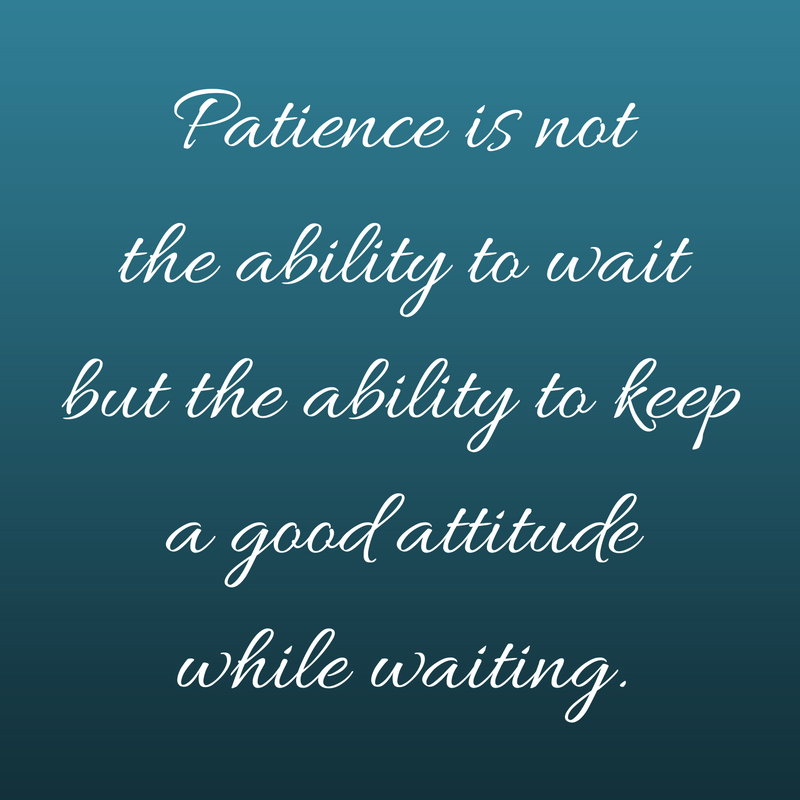
    “Patience: the capacity to accept or tolerate delay, difficulty, or annoyance without getting angry or upset.” 

    Patience can mean different things to us, and its definition can also vary depending on the situation. Usually patience has an underlying realisation that we want, need  – or lack – more self-control in situation we face. Here are few thoughts on how to map where we stand on this issue and how to work on it further.

    1. Patience as a skill to be learned. Some people are born more patient than others but we can all work on improving it. Unfortunately there are no short cuts and as with everything, progress might not be linear. The good thing is that our lives are usually not short of opportunities to practice and improve.
    2. Evaluate the current situation: It is important to understand what in your behaviour are reasonable and justified prompts to advance a situation (in a positive and constructive way) and what falls under the category of being impatient. Asking politely to speak to a manager for receiving bad service/unsatisfactory repair is usually entirely justified, demanding to see the ”one in charge” so loudly that the neighbours can hear it too, less so. Do a quick poll with those close to you to get some feedback in case you are unsure where you stand in this.
    3. Notice your triggers: Are you patient with others but get frustrated when you cannot pick up a new skill as fast as you liked? Or are you very accepting with yourself but slow traffic or screaming kids make you grit your teeth? Or are your triggers a combination of both? Start noticing what makes your blood pressure rise and see if there are any patterns that come to light.
    4. What is the worst that can happen? You are stuck in traffic, your kids/partner/friends take forever to get ready, your mail order has not yet arrived… All of these situations can most of us pretty frustrated. However, if these things are not regular occurrences, what IS the worst thing that could happen? You are not the only person who gets delayed because of traffic, and some people just need longer to get ready, for whatever reason. So what? If you however realize you have repeated situations of frustration, you have two options: Be proactive in seeking solutions or accept the situation as it is.
    5. Deep breaths: If you need, excuse yourself and walk away (or just walk away.) Find a calm corner, a fire escape or a toilet cubicle, close your eyes, relax your jaw and take deep breaths. Give yourself the time to calm down, and re-compose yourself. You are more than allowed to.
    6. Practice: Coming back to the first point, notice the moments you start becoming upset, agitated, even angry. Observe them, embrace them, try the things above. Over and over again. Try not focus on the end goal, whatever it may be for you. Instead, focus on the small things, stay mindful and enjoy the more peaceful situations that will follow.

    patience2

    Kärsivällisyyttä etsimässä…

    Kärsivällisyys voi tarkoittaa eri ihmisille eri asioita eri tilanteissa mutta usein takana on tietoisuus itsehillinnän hakemisesta, kehittämisen tarpeesta – tai sen puutteesta. Alla muutamia ajatuksia kuinka kartoittaa omaa kärsivällisyyttään ja miten sitä voi kehittää.

    Välikevennyksenä todettakoon että koitin löytää jutun kuvitukseksi suomalaista sananlaskua kärsivällisyydestä (englanniksi kun niitä löytyi pilvin pimein). Google kuitenkin sitkeästi ehdotti kärsimystä ja siihen liittyviä sanontoja. Mielestäni kyseessä ei ole kuitenkaan ihan sama asia vaikka läheltä voi joskus liipatakin. Saatte siis nyt tyytyä Roope-Setään.

    ankkaka%cc%88rsiva%cc%88llisyys

    1. Kärsivällisyys on taito jota voi opetella. Jotkut meistä syntyvät kärsivällisimpinä kuin toiset mutta kaikilla meillä on mahdollisuus opetella sitä. Valitettavasti tähän ei ole mitään ihmekonstia eikä se oppiminenkaan ole aina suoraviivaista. Positiivista kuitenkin on että elämässä ei yleensä tule pulaa mahdollisuuksista kehittää omaa kärsivällisyyttään.
    2. Tiedosta tämän hetkinen tilanne. Kärsivällisyys ei tarkoita kynnysmatoksi ryhtymistä ja aivan kaiken sietämistä. Joskus on ihan aiheellista ja tarpeenkin vaatia esimerkiksi parempaa/nopeampaa palvelua tms. Kuten monessa asiassa, tapa millä asiansa esittää on tärkeämpi kuin mikä itse asia on. Jos on vaikeaa itse määritellä omaa kärsivällisyyttään eri tilanteissa voit kysyä ystävien, kollegoiden ja vaikka lapsien mielipidettä asiasta.
    3. Mikä ärsyttää? Siedätkö toisten ihmisten erilaisia tapoja hyvinkin, mutta turhaudut itsesi kanssa? Vai oletko oma paras ystäväsi mutta hidas liikenne tai huutavat lapset saavat pinnasi heti kiristymään. Kiinnitä huomiota mitkä asiat ja/tai tilanteet saavat sinut kärsimättömäksi ja mihin pisteeseen asti. Onko tilanteiden välillä yhteneväisyyksiä? Mitä paremmin tunnet itsesi ja reaktiosi, sitä paremmin osaat ennakoida ja ohjata omaa käyttäytymistäsi.
    4. Kaatuuko maailma? Olet jumissa liikenteessä, lapset/partneri/ystävät tuntuvat hidastelevan, odottamasi asia ei saavukaan silloin kun oletit… Nämä kaikki tilanteet ovat tietenkin ärsyttäviä MUTTA. Mikä on pahinta mitä voi tapahtua vaikka asiat eivät menekään niin kuin odotit? Meistä kukaan ei istu ruuhkassa ensimmäistä tai viimeistä kertaa, ja joskus muut ihmiset ja asiat nyt vain ottavat aikansa ilman että siihen voi mitenkään vaikuttaa. Jos kuitenkin huomaat säännöllisesti löytäväsi itsesi samanlaisesta tilanteesta on vaihtoehtoja yleensä kaksi: Joko alat etsimään ratkaisuja tilanteeseen joka koettelee kärsivällisyyttäsi, tai hyväksi sen sellaisena kuin se on.
    5. Hengitä. Tiukan paikan tullen poistu tilanteesta ja kävele ensimmäiseen hiljaiseen paikkaan. Sulje silmäsi ja hengitä syvään. Anna itsellesi aikaa rauhoittua ja koota itsesi uudestaan.
    6. Kuten alussa totesin, joka päivältä yleensä löytyy tilanne jossa kärsivällisyyttä voi harjoitella. Kiinnitä huomiota tilanteisiin joissa olo alkaa tuntua levottomalta tai ärtyneeltä. Huomioi, hyväksy, yritä yllä mainittuja asioita. Aina ja uudestaan. Yritä olla keskittymättä tiettyyn lopputulokseen, keskitä sen sijaan ajatuksesi tähän hetkeen, omiin tuntemuksiin ja niiden hallintaan. Pikkuhiljaa voit huomata elämäsi muuttuvan hieman seesteisemmäksi.

    patiencechicken


  • This Week…

    This Week…

    …I took an evening flow yoga class, taught in Greek and in Russian. It’s always good to explore what’s out there. It was a nice class, with music too.

    …Finland had her 99th Independence Day. I celebrated it at a reception where I met another yoga teacher. We talked about our respective teacher trainings and how we both like a slow practise.

    …”My” Teacher Anna Zorzou is on the Island for the new YogaWorks 200 teacher training that started. I joined their 2 hour asana practise today and it was so good. I listened to Anna’s words with a complitely different awareness today than a year ago and that is the beauty of the whole practise: it works on so many different levels, just as well (even during those days when it does not feel like it.)

    The L-pose, very good on working on having your wrists right under your shoulders and working the core (watch out for the lower back not arching, it happens very easily.) It is also very good strenght building exercise and a good way to start working toward handstand.

    …It got cold enough to wear all black, all the time. I love wearing black but when you live on an Island where the sun shines pretty much all the time you cannot get away wearing it too much without looking a bit out of place (and melting in the heat.) I am definitely making the most out of this!

    Feeling right at home in black. The pose is the king pigeon/Eka Pada Rajakapotasana

    …I read about bullet journals and spent a LOT of time researching the concept. I have not had a proper calendar for few years (apart from the Outlook one in my ex-job…) but now it is the time to get one. The more I read about these bullet journals, the more I got into the idea. If you go on my Pinterest account I have a board for this stuff there and my very own one is ready for use as of tomorrow!

    …I also read this article about the Art of Loneliness: it is a beautifully written piece about a topic that can be familiar to many of it, especially this time of the year. Something to reflext upon.

    Tällä viikolla…

    …Kävin flow joogatunnilla. Tunti oli kreikaksi ja venäjäksi. Puhun omilla tunneillani pakon tarpeen vaatiessa myös kreikkaa englannin lisäksi ja oli hyvä kuulla että käytän  ihan oikeita fraaseja. Tunti oli hyvä, ohjaaja soitti musiikkia ja poltti suitsukkeita. Vaihtelu virkistää.

    …Oli tietenkin Itsenäisyyspäivä. Kävin lähetystön järjestämillä kekkereillä joissa oli oikein mukavaa. Tapasin myös toisen suomalaisen joogaohjaajan ja keskustelimme jooganopetusohjelmistamme ja siitä, kuinka me molemmat pidämme hitaista harjoituksista.

    …”Oma” opettajani Anna Zorzou saapui Ateenasta saarelle ja osallistuin tänään hänen tunnille/workshoppiin. Reilun kahden tunnin harjoitus oli todella hyvä, Anna on tiukka opettaja joka sopii minulle. Kuuntelin ohjausta ihan eri korvilla kuin vuosi sitten mutta tässä onkin harjoituksen hienous: sama asia/tunti voi toimia niin monella eri tasolla mutta aina yhtä hyvin (paitsi on sitten tietenkin niitä päiviä jolloin kaikki voi tuntua ihan hirveältä mutta tästä ehkä myöhemmin erikseen. Toimii se harjoitus silti.)

    L-asennon perusversiosta eteenpäin. Lantio on neliönä (ts. ylhäällä oleva jalka ei aukea sivulle eikä veny pään ylitse vaan varpaat on seinää kohti ja jalkapohja osoittaa kattoa.), ranteet edelleen olkapäiden alla ja selässä ei ole mitään turhia mutkia koska keskivartalo toimii. Tästä voi sitten ponnistaa vaikka täyteen käsilläseisontaan.

    …Saarella on vihdoinkin myös tarpeeksi kylmä että voi pukeutua kokomustaan saamatta lämpöhalvausta! Tämän ilon rinnalla ei haittaa edes se, että asunnossa ei ole lämmitystä (ei ollut edellisissäkään.) Tänään päivällä oli tosin +20C…

    …Luin bullet journaleista ja pakkohan sellainen oli itsellekin askarella. Tästä mindfulness-askaretta koko ensi vuodelle. Kun hommaan pääsee sisälle siihen ei kuulemma mene edes kauheasti aikaa ja jos tämä vähentää 5 muistikirjan kantamista niin tämä voi toimiakin. Ehkä vuodesta 2017 tulee kaikkien aikojen tehovuosi, ilman stressiä tietenkin. Hyvin suunniteltu on puoliksi tehty..? Pinterest-tililtäni löytyy oma boardinsa tälle asialle jos haluat kurkata.

    …Luin myös stressistä. Valitettavasti ei yllättänyt ja stressi ei ikää katso. Vaikka vauhdin hiljentäminen onkin usein vaikeaa siihen kannattaa satsata: jos kroppa sanoo että viikonloppuna pitää levätä sitä kannattaa kuunnella vaikka mieli tekisin ulkoilemaan/baariin/tms.

    …aurinko laski taas tänään kun ulkoilutin koiraa mustissa vaatteissa. Koiralla on heijastintakki.

    Tallenna

    Tallenna

  • Yoga for Pregnancy

    Yoga for Pregnancy

    Yoga can be very beneficial during pregnancy for several reasons. In addition to the “general” (in the absence of a better word…) benefits I talked about earlier here, here’s a few pregnancy specific points that are interesting:

    1. An asana practise can be very grounding both physically and emotionally: It can literally improve balance as the centre of gravity of the body shifts during pregnancy. It also offers hightened mental balance during time when emotions can run on the surface more than before.
    2. Yoga develops and increases body awareness and acceptance during and through the pregnancy and labour. You can learn techniques to ease discomfort during pregnancy and labour, how to promote optimal featal position and helps to create a connection with the baby.
    3. We cannot talk about any type of yoga without mentioning the breath: Just as breath is incorporated to every asana, it is also an integral tool of childbirth. Pranayama practises learned during pregnancy yoga can be also utilised during contractions, labour and birth.
    4. Yoga offers a moment of relaxation and self-nurture, especially important during pregnancy. Yoga poses modified for pregnancy effectively relieve tension in neck, shoulders, upper and lower back, chest and hips.
    5. A group pregnancy class promotes general wellbeing and health but also offer a bonding experience with others in the same stage of life: this can be a real community building experience

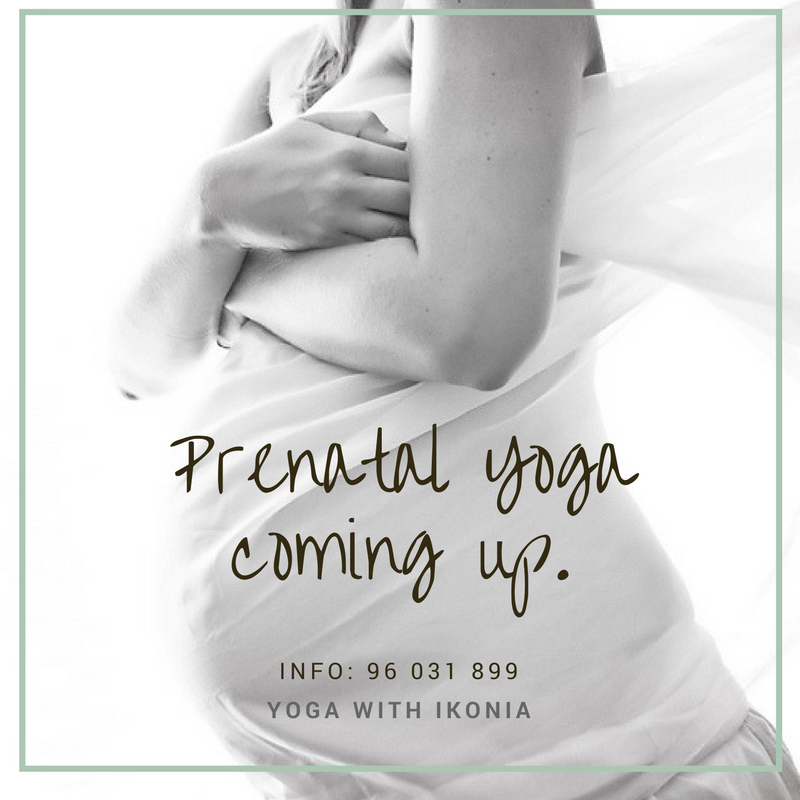
    If you are pregnant, this got you interested AND you are in the Larnaca area in Cyprus I would love to hear from you! I am currently in training to obtain the Birthlight organisation’s perinatal yoga teacher diploma, in addition to my 200 hour yoga teacher credentials. Together with my yoga teacher colleague and a coursemate Ikonia we will be starting Birthlight perinatal classes in 2017 that is fast coming up! The classes will be held at the Evi Suri Russian Ballet School in Larnaca. The exact times will be confirmed once we have an idea how many people are interested. Any questions, please do not hesitate to get in touch, we will be happy to answer!

    perinatalyogacomingup

    Photo from Yoga with Ikonia FB page.

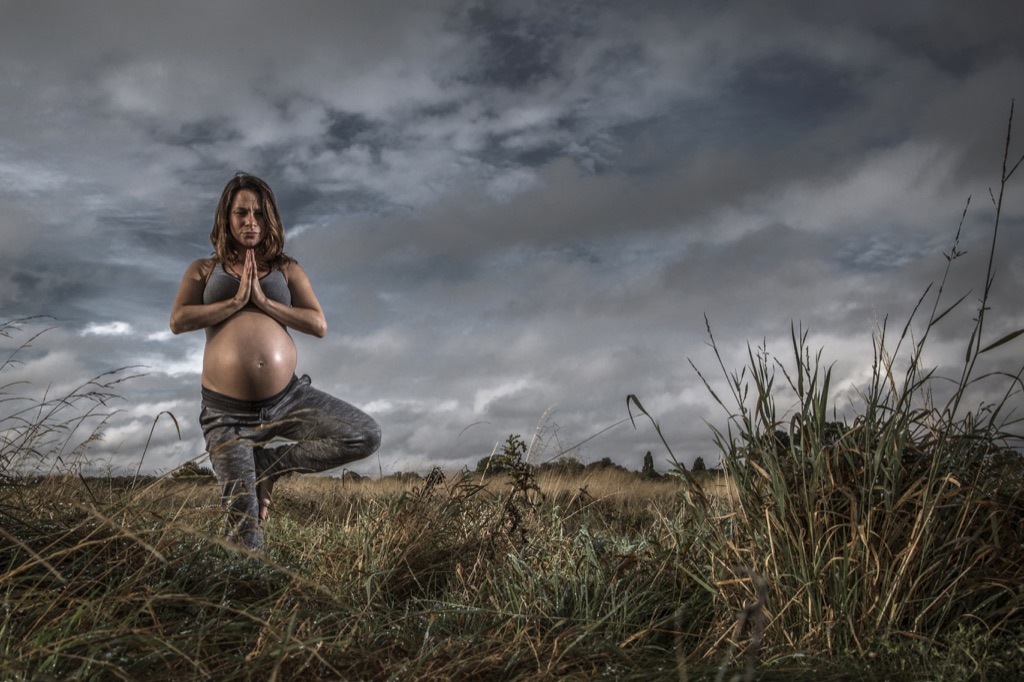
    Featured image by Brian Tomlinson

    Tallenna

  • Remember These // Muista nämä

    Remember These // Muista nämä

    In our lifes, we all have the right for the following:

    1. The right to be treated with respect
    2. The right to say “no” and not feel guilty
    3. The right to experience and express our feelings
    4. The right to take time to slow down and think
    5. The right to change our minds
    6. The right to ask what we want
    7. The right to do less than we are humanly capable of
    8. The right to ask for information
    9. The right to correct mistakes
    10. The right to feel good about ourselves

    img_4200

    Meillä kaikilla on tässä elämässä oikeus seuraaviin asioihin:

    1. Oikeus tulla kohdelluksi kunniottavasti
    2. Oikeus sanoa “ei” ja olla tuntematta siitä syyllisyyttä
    3. Oikeus kokea ja ilmaista tunteitamme
    4. Oikeus ottaa aikaa, hidastaa tahtia ja miettiä
    5. Oikeus muuttaa mieltämme
    6. Oikeus pyytää mitä haluamme
    7. Oikeus tehdä vähemmän kuin mihin inhimillisesti voisimme pystyä
    8. Oikeus pyytää tietoa
    9. Oikeus korjata virheitä
    10. Oikeus hyvänolon tunteeseen

    img_8807


  • 5 Ways to Practice Self-Care

    5 Ways to Practice Self-Care

    This post was first published in HappyGirlYoga. Lue suomalainen versio teksistä tästä.

    No matter how busy we are, there are several ways to practice self-care everyday., These are the moments we put ourselves first. It’s not necessarily about getting a mani-pedi ahead of a an event, or having time for a cup of coffee. In addition to taking care of our basic needs, we also need to decompress ,centre, and check in with ourselves to make happiness a priority.

    Even as healers and instructors, this is not always easy and we are all guilty of not practising what we preach.

    But do try (practise is the key here as well) because when we do, we will feel healthier, better and just lighter. And of course when we feel like this, we become much more mindful, attentive and more productive in everything we do.

    Here are some useful few tips and suggestions to incorporate into your daily routine for a more balanced, happier you:

    img_4359

    1. See The Humor In Every Situation-and Laugh!

    We all have those moments when it is hard to find anything even remotely funny and all we want to do is growl. For days like this, think about what amuses you, even if it means watching your favorite reruns of comedy TV shows or movies. Laughter makes our body release endorphins, the body’s ”feel good” chemicals could even help alleviate physical pain.

    There are plenty of funny, bizarre, curious or ironic things that happen around us everyday: It could be a toddler telling some recently learned ”truth” a little bit too loudly when queuing to pay for the groceries, or an unfortunate mispelling on a newpaper header or street sign. Cultivate your ability to see and appreciate the funny side of things as they come along. If laughing aloud is not an option, you can always have a little inward chuckle.

    2. Positive Affirmations

    Whilst some may dismiss reading proverbs about divine energy and making lemonade with lemons as silly, positive affirmations are a proven method of self-help. Not only do affirmations purify the thought process, they help us to restructure the brain by working on the subconcious mind. There are many ways to weave affirmation to your everyday life. You can memorize a simple, one-liner mantra to repeat in the car on your way to work. You can keep a positive phrase of your choice as your screensaver, or have a post-it inside the kitchen cupboard. However and wherever you choose to incorporate these positive affirmations into your daily life, make it immediately accessible to your daily routine.

    untitled-design

     3. Learn To Say No.

    Boundaries are not only about learning to say ”no.” It can be quite tricky as the road to self-neglect is usually paved with good intentions.

    Most people want to help others, be it sympathising with a colleague, lending some cash to a friend, or saying yes to extra volunteering hours ”for a few weeks” when we already feel there is not enough hours during the day. However, be always aware of the possibility that the colleague might become increasingly clingy, 100 euros lend can become 500, and those extra volunteer hours can take time away from your sleep.

    Of course most situation are temporary , but think twice before committing yourself to a responsibility and ask yourself if this act of kindness isn’t something that will cause havoc in your life..

    Also, be aware of the people who are naturally more persuasive and even willing to push us beyond what we are comfortable with. Remember that at the end of the day, we all need to own up to our actions and setting boundaries with a firm response could ultimately be the best situation for everyone involved.

    4. Get Rid of Toxic People

    Getting rid of toxic people in our lives could be a long-term process, especially if these people run in the same circles as you. Equally, you want to avoid burning bridges, if possible.

    First, some friendships are meant to be transitory: There is a time and a place for certain relationships to be formed. Rather than artificially trying to maintain a relationship that (especially if it feels complitely one-sided) does not serve any purpose, it is entirely ok to allow these friendships to fade at its own pace.

    It doesn’t necessarily mean these relationships cannot re-enter your life again. Situations and people could change, and who knows if one day the friendship could be re-ignited in the future?

    Then there are the people we’ve all encountered.: The permanently smug, condesending, energy-vampires, the ”life-as-competition” types, the backstabbers… and the list goes on. Of course it is fair to try and explain your feelings about the relationship and provide a million excuses for their behavior and attitude, but after some time if you find that not much is changing, don’t think twice about dropping these individuals from your life.

    Finally the hardest kind: The relationship you’re trying too hard to ”make it work.”

    It is entirely possible to deeply love and care for somebody but realise that things are not working out as they should, no matter how much effort both parties have given. A relationship can be hard, but it should not be draining. It might even take several attempts to clear yourself of this situation but it is important to honestly recognise what we feel deep down: If you feel as though a weight has been lifted from your shoulders at the thought of starting a fresh chapter without this relationship, you know you’ve done the right thing.

    img_4478
    Text from Eckhart Tolle’s “Practising the Power of Now”.

    5.  Practice Mindful Breathing

    Sometimes it may be necessary to take a break and head to the forest, hills, mountains, nearest park… hell, even a rooftop will do, if that is the only thing you have available! You do not have to sweat buckets, kick any walls, but taking deep slow breaths is a must. Close your eyes and take deep full-belly breaths. Doing so could make you feel more connected to your body and and eventually decrease the heart rate, which in turn has the effect of lowering the blood pressure, too.

    Just five minutes of taking a pause to turn your thoughts internally by focusing on the breath can work wonders to your health and reprogram your mind. You got this!

    Processed with VSCO with m5 preset

    Perhaps these are familiar tactics (well done in that case!) or you found a point or two that could be intergrated to your daily life.

     But now we want to hear from you! What other self-care tips do you practice?

  • What Yoga Mudra // Mikä Jooga Mudra?

    What Yoga Mudra // Mikä Jooga Mudra?

    Mudra is a Sanskrit word that means ”seal” or ”closure.” The idea is that different parts of our body and brain are connected and with our hands we can make gestures – yoga mudras – to direct the flow of energy within the body. Positioning the fingers in different mudras are a way to bring our body balance and help to stimulate a specific state of mind.

    Yoga Mudras are easily accessible and discreet to practise and they also feature in pregnancy yoga. Here are some common ones. You can do them together with your pranayama (breathing) practise or intergrate them to your asana practise as you please.

    Ganesh Mudra

    This is a yoga mudra that has the intention of removing obstacles that may rise on our path. You place your right palm facing your chest and the left hand palm facing outwards. Hook your fingers and with inhale pull your hands to different directions, releasing with your exhale. Take several breaths and repeats with the hands the opposite way.

    img_4443
    Yeah well, the thumb on the front hand should be pointing down towards the solar plexus but you do get the idea…

    Gyana Mudra

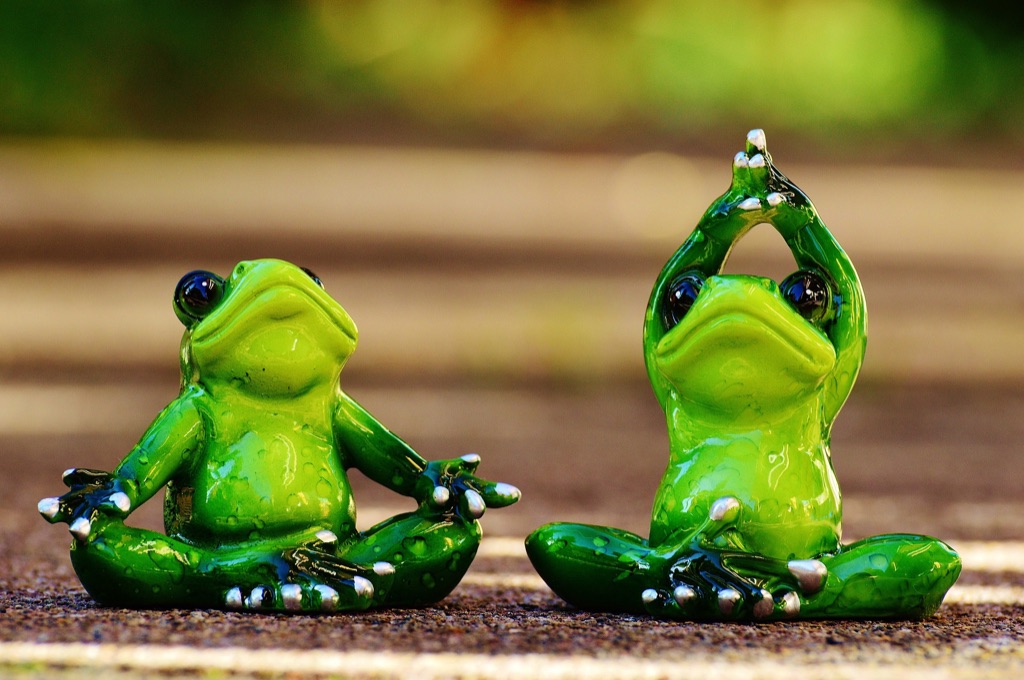
    Also called the gesture of knowledge, Gyana mudra (or chin mudra as it is also called) is said to increase concentration and to have calming benefits. You see Gyana mudra often practised during meditation: Connect the thumb and the index finger so they form a zero but do not press them together excessively. Keep the other fingers straight but relaxed. You can have your palms facing up, or if you feel the need for more grouding, you can have them facing down.

    frogs-1030278_1920
    Can you name the two mudras the frogs are practising?

    Anjali Mudra

    Another easily recognised gesture is the Anjali mudra. In the West we often associate this mudra with prayer, but in Sanskrit ”anjali” means ”to offer” or ”to salute.” The greeting ”Namaste” (“the light in me salutes the light in you”) often accompanies this mudra. You perform Anjali mudra by placing your palms firmly against each other with your thumbs pressing into your sternum. You may also perform this mudra at third eye centre (between your eyebrows) or crown chakra (on top of your head.)

    You can read more about yoga mudras here.

    img_0395

    Mudra sana on sanskriittia ja tarkoittaa lukkoa tai sinettiä. Ideana on, että mudrat ohjaavat elimistössämme olevia energiavirtoja sinne, missä niitä milläkin hetkellä tarvitaan. Tämä auttaa tasapainottamaan elimistöämme. Koska suurin osa mudrista tehdään käsillä niiden harjoittaminen käy huomaamattomasti monessa eri ympäristössä. Voit yhdistää harjoitukseen hengityksen, pranayaman, tai ottaa mudrat osaksi asana-harjoitusta. Myös raskausajan joogassa näkee usein käytettävän jooga mudria vahvistamassa keskittymistä. Alla näet kolme yleistä mudraa.

    Ganesh Mudra

    Olen nähnyt tätä mudraa kutsuttavan suomeksi nimellä karhulukko. Sen tarkoituksena on poistaa tieltämme esteitä. Aseta oikea käsi rinnan eteen niin että kämmenpuoli on rintaa kohti ja vasen käsi taas niin että kämmen osoittaa ulospäin. Koukista sormenpäät ja ”lukitse” ne toisiina. Sisäänhengityksellä vedä käsiä toisistaan eroon, uloshengityksellä rentouta jännitys. Jatka tätä useamman hengityksen ajan, ja toista harjoitus vielä vaihtamalla kädet toisinpäin.

    img_4445

    Gyana Mudra

    Guana, Guan tai Chin mudra on varmasti kaikille tuttu erilaisista meditaatiota esittävistä kuvista vaikkei joogassa olisi koskaan käynytkään. Guan tarkoittaa viisautta ja suomeksi tätä asentoa kutsutaankin viisauden lukoksi. Mudran sanotaan lisäävän keskittymiskykyä ja rauhoittavan mieltä. Se muodostetaan yhdistämällä peukalo ja etusormen pää kevyesti toisiinsa niin, että ne muodostavat nollan. Muut sormet pidetään suorehkoina mutta rentoina. Kädet voivat olla kämmenpuoli ylöspäin tai alaspäin – jälkimmäisellä sanotaan olevan juurentava vaikutus.

    Young Woman Meditating on the Floor
    Peukalo ja etusormi nollana ja muut sormet, noh, ei nyt ihan suorina mutta sinnepäin. En usko että kenenkään harjoitus kaatuu tähän yksityiskohtaan.

    Anjali Mudra

    Tämä käsien asento yhdistetään länsimaissa usein rukoukseen mutta sanskritin kielellä ”anjali” tarkoittaa ”tarjoamista” tai ”tervehdystä.” Tätä mudraa käytetään usein joogatunnilla tervehtiessä joko alussa, tai tunnin lopussa ”Namaste”-sanonnan kanssa. Mudrassa kädet siis yhdistetään kämmenet vastakkain sydänkeskuksen edessä. Kädet voi pistää myös kolmannen silmän kohdalle kulmakarvojen väliin tai pään yläpuolelle.

    anjalimudrafrog

  • 4 Locks, 4 Keys

    4 Locks, 4 Keys

    Patanjali’s Yoga Sutra 1.33 offers us an useful – but not always easy to follow – advise on how to cultivate a calm and clear mind, even in challenging situation. Sounds good right? This Sutra is often referred as ”four locks and four keys” Sutra, as 4 locks and 4 keys comes – you guessed it – with four points, or actions to practise.

    There are various translations of the sutra, but roughly speaking it goes like this: ”By cultivating the attitudes of friendliness toward the happy, compassion for the unhappy, delight in the virtuous and neutrality toward the nonvirtous, our state of mind retains its undisturbed calmness.”

    These four attitudes can be applied to both toward others and just as importantly to ourselves. Here’s a litte bit more how Patanjali advises this happens: 

    Lock 1 is Happiness, to which the key is genuine friendliness and kindness towards those who are happy, without any envy or jealousy attached to it. Simple enough.

    Lock 2 is Unhappiness that should be responded with compassion and support, a sort of a feeling of welfare for others that comes from a place of caring. This also includes being kind to ourselves at the time of sorrow, rather than succumbing to thoughts along the lines of ”why did I not know better” . ”how did I end up disappointed again” or even ”I am an idiot and only myself to blame for this.” I mean, would you speak to an unhappy friend like this?

    Lock 3 refers to Virtues, traits such as patience, courage and benevolence. They are best met with happiness and goodwill. It is not easy to always have positive thoughts, especially when we are having a crap day ourselves. However, feelings of inadequacy or jealousy rarely have brought anything good to anybody so trying to keep things positive and even joyful ultimately serve us better.

    Lock 4 is about Nonvirtues, or even wickedness. The key is to confront these with equanimity or neutrality. It is important to note that this does not mean that we have to approve of bad behaviour: Neutrality here is used with the purpose of calming the mind and finding inner peace. From this perspective it is easier to understand why disregarding non-virtous actions (rather than the people who commit them – an awful person is an awful person) is a better option than getting angry and frustrated over something we cannot have any control over.

    img_4140
    I’m outta here. Not.My.Drama!

    Personally I find that Sutra 1.33 both makes sense and always gives something to think of, no matter how many times I study it. Depending of the day I find it a gift that keeps on giving, or a through mindf**k. This post is just a brief introductory glimpse. If you want to read more, I find the below sources helpful (and written in a normal language, no philosophy degree required): This YogaInternational article, Swami Jnaneshvara’s excellent website, and this blog post from Urban Yoga Garden. And of course a copy of the actual Sutra’s and explanations, available translated by several indiduals. The copy I use can be found here.


  • 2 Easy Breathing Techniques to Calm the Mind

    2 Easy Breathing Techniques to Calm the Mind

    Breathing. Natural, pretty essential and still so many ways of doing it. Many of us tend to breath with our chest only, i.e. only using the top part of our lungs. Yet, the power of the belly breath is far greater than we realise and deep breath works on many levels: it can bring almost instantenous stress relief, improves oxygen intake (surprise, surprise) and helps to detoxify your body as it encourages the lymphatic system to work better just to mention few benefits.

    I still clearly remember the first time I was officially introduced to belly breathing (also known as diaphragmatic, deep or abdominal breathing), breathing with all my lung capacity in a concious manner. It was a real ”holy shit!” moment (in a positive way, to be clear.)

    img_3560

    Here are two ways you can start familiarise yourself with belly breathing if that is new to you. Be patient with yourself if it takes a moment to get hang of it. It IS ok to confuse your inhales and exhales. Instinctively we all know how to do the right thing so just relax and feel rather than (over)think. As a proof of this, all babies breath with their tummies, just look at a sleeping baby next time you see one. Just choose a child you know the parents of though, unless you want to come across as a proper creep.

     Practise 1:

    Sit cross legged in a comfortable position. If you want, you can put a pillow, a yoga block, or even a book under your bum, just make sure you have an even seat. If sitting is not an option you can also lie down on your back. Place one hand on your upper chest and one on your stomach, just below where the ribs end. It does not matter which way your legs are crossed and your hands are. Just be comfortable, with as straight spine as possible.

    img_4153

    Inhale through your nose. Let the inhale fill your stomach so that you can feel your belly and ribs on the side expanding. The chest stays fairly still. With exhale, think about emptying your lungs as much as you can whilst remaining comfortable. You can exhale through a small gap between your lips if you want. When exhaling some find it helpful thinking about the belly button going towards the spine, or they feel their stomach muscles contracting. With every inhale and exhale lenghten your breath: some find it helpful to count into 3 (or 4, or 5), you do not have to count to if you want but try to keep the inhales and exhales of equal lenght. Keep doing this for 5-10 minutes, or as long (or short) you are comfortable with.

     Practise 2:

    For this one you want to be in a seated position. Place your palms on your knees, facing upwards. Imagine that you are picking up your breath from your right palm with your right nostril and think how it travels up your arm all the way to your nose. Without holding the breath, let the exhale go out from your left nostril and travel with the same pace down your left arm all the way to your left palm. Once you get there, pick up (= inhale) the breath from your left palm, let it travel up to your nose and exhale down from the left nostril down to your left palm. Continue like this for 5-10 minutes.

    img_4158

    Hengittäminen. Se tulee luonnollisesti meille useammille, on hyvin tärkeää ja kuitenkin on monia eri tapoja tehdä se. Moni meistä hengittää ainakin hetkittäin pelkästään keuhkojen yläosalla. Hengityksen todellinen voima tulee kuitenkin esille hengittäessämme keuhkojen koko kapasiteetillä. Syvähengitys tuo mukanaan monia etuja: se laskee stressitasoa nopeasti, parantaa hapenkulkua (yllätys), ja auttaa puhdistamaan kehoa sen kuona-aineista tehostamalla imusolmukkeiden toimintaa, muutamia esimerkkejä mainitakseni.

    Muistan itse selvästi ensimmäisen kerran kun tein ”oikean” hengitysharjoituksen joogatunnilla käyttämällä palleahengitystä, eli hengitystä jossa maha ja kyljet liikkuvat. Hektisen ja stressaavan työpäivän jälkeen hengittäminen koko keuhkojen mitalla oli positiivisesti herättävä kokemus siihen mihin oma keho pystyy.

    Alla on kaksi eri tapaa harjoitella syvähengitystä. Ole rauhallinen harjoituksen kanssa, jos ulos- ja sisäänhengitykset menevät sekaisin ei se haittaa. Koko keuhkoilla hengittäminen on asia jonka me kaikki osaamme luonnostamme: katso vaikka seuraavan kerran nukkuvaa pikkulasta hänen nukkuessaan ja tarkkaile kuinka maha kohoaa aina sisäänhengittäessä. Suosittelen kuitenkin, että valitset lapsen jonka vanhemmat tunnet ellet halua poliisia kimppuusi tai vähintäänkin omituisia katseita.

    Harjoitus 1:

    Istu jalat ristissä mukavassa asennossa. Jos haluat, voit pistää takamuksen alle tyynyn, joogablokin tai vaikka ison kirjan. Pääasia on että istut tasapainoisesti. Jos istuminen ei tunnut hyvältä, voit myös maata selälläsi, jalat suorana tai koukussa. Aseta toinen käsi rintalastan päälle ja toinen mahalle, kylkiluiden alapuolelle. Löydä hyvä asento ja koita pitää selkä niin suorana kun mahdollista.

    Hengitä sisään nenän kautta. Tunne kuinka sisäänhengitys täyttää mahan niin että se pullistuu. Samoin voi käydä kylkiluille ja voit tuntea kätesi kautta kuinka ne ”levenevät”. Rintakehä puolestaan pysyy suhteellisen liikkumattomana. Uloshengityksellä tunne kuinka keuhkot tyhjentyvät, kuitenkin niin että tunne on mukava eikä henki lopu kesken. Uloshengityksen voi tehdä myös suun kautta muodostamalla pienen raon huulien väliin. Voit myös ajatella että vedät napaa selkärankaa kohti kun uloshengität, jotkut taas tuntevat kuinka mahalihakset aktivoituvat. Yritä pitää sisään- ja uloshengitykset yhtä pitkinä. Voit halutessasi laskea neljään (tai viiteen. Tai kuuteen) jos tämä auttaa. Jatka harjoitusta 5-10 minuutin ajan, tai niin kauan kun hyvältä tuntuu.

    img_4159

    Harjoitus 2:

    Tämä harjoitus on hyvä tehdä istuvassa asennossa, mutta jos lattialla istuminen tuntuu vaivalloiselta voi hyvin istua myös tuolilla. Aseta kädet kummallekin polvelle, kämmenet ulospäin. Kuvittele että nappaat sisäänhengityksen oikeasta kädestä oikealla sieraimella ja tunne kuinka hengitys matkustaa käsivartta ylös nenään asti. Tee uloshengitys vasemmalla sieraimella vasenta kättä alaspäin kunnes hengitys saavuttaa vasemman kämmenen. Jatka sitten sisäänhengittämällä vasemmasta kämmenestä vasempaan sieraimeen ja taas ulos oikeasta sieraimesta oikeaan kämmeneen. Jatka näin 5-10 minuuttia. Kuulostaa oudolta mutta toimii.

    img_4157

  • 1 Bonus Tip for Better Sleep

    1 Bonus Tip for Better Sleep

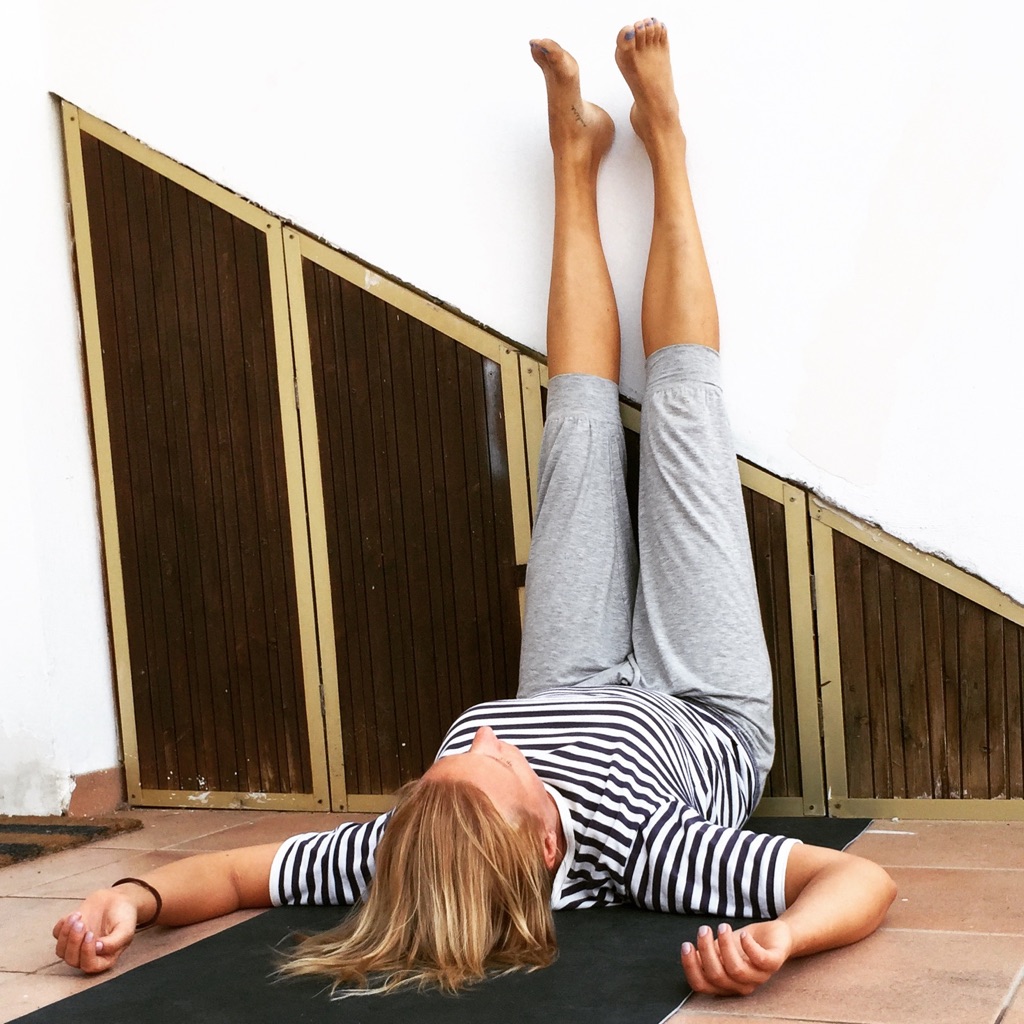
    …and it’s a yoga pose! Legs-up-the-Wall-Pose, or Viparita Karani, is an asana favoured by many and no wonder as it is said to help with many different ailments, such as:

    • Anxiety
    • Arthritis
    • Digestive problems
    • Headache
    • High and low blood pressure
    • Insomnia
    • Migraine
    • Mild depression
    • Respiratory ailments
    • Urinary disorders
    • Varicose veins
    • Menstrual cramps
    • Premenstrual syndrome
    • Menopause

    This pose is a restorative one, so in a yoga class you would find it usually right before the final relaxation. However it works just as well during a 10 break as a quick stress buster, or right before bed time. Practise with caution if you have neck or eye issues, always listening to your body first.

    You do not have to get your butt right into the wall to grab the benefits, you can also do this pose with the soles of you feet against the wall.

    img_3940

    Tässä vielä yksi jooga-asana jonka sanotaan auttavan sekä unen saamiseen että vähän kaikkeen muuhunkin, mm. ahdistukseen, reumaan, ruuansulatusvaivoihin, päänsärkyyn, korkeaan verenpaineeseen, migreeniin, virtsaamisongelmiin sekä vaihdevuosiin. Mulla ei ole aavistustakaan mikä tämän asennon nimi on suomeksi mutta tässä siis maataan selällään jalat seinää vasten. Jalat voi myös olla koukussa ja jalkapohjat seinää vasten jos ei halua pistää takamustaan suoraan seinään kiinni. Joogatunneilla tämän asennon löytää yleensä juuri ennen loppurentoutusta mutta tämän voi yhtä hyvin tehdä juuri ennen nukkumaan menoa tai jos on 10 minuutin pikarentoutusta vailla.

    Jos kärsit niskakivuista tai silmänpaineongelmista, harjoittele tätä asanaa varoen.

    img_3941

    Tallenna

  • 8 Tips for Better Sleep

    8 Tips for Better Sleep

    sleepcorrect

    Sleeping! One of my favourite things to do and I do it well. Unfortunately not everybody is as lucky as I am and lack of sleep or inability to fall asleep is a real issue for many. Talking to people I have realised that in addition to my natural sleeping abilities there have few things I have done all my life that mean I have a specific bedtime routine and do few things that might benefit others too so here we go.

    1. Have a look at your bedroom. Now, I know nothing about Feng Shui and the Marie Kondo book about tidying is still waiting to be read. However it seems common sense that your bedroom is a cozy and inviting space, with bed linen that is comfortable to you (I dream of bamboo sheets which seem to be impossible to find in Europe.) Personally I like to my bedroom quite minimal and keep it well aired even in the winter. Physiologically he body needs to cool down in order to fall asleep so keep the window open and an extra duvet or blanket nearby for extra warmth if needed.

    2. Check your pillow and mattress. You don’t need to fork out 2000 euros for a Tempura bed, just having a very good pillow can make a huge difference. I got mine from a specialised shop where I tested several whilst the shop lady kept on checking the curvature of my neck on the pillow: you want to have a natural, neutral curvature. I left with a brilliant one that did not cost that much more than your average IKEA pillow does. Also a good mattress cover can make a big difference so check yours out.

    3. Get rid of all the electronics in your bedroom! For me this is the most important point. Mobile phones and laptops in your bedroom do not do you any favours as the blue glow is proven to affect your sleep. Also it does not matter if they are on sleep mode, you are still aware they are there and tempted to grab them to check something ”essential.” Just keep them away! Get yourself an analogue alarm clock instead. They cost under a fiver (both in euros and pounds) and work just as well as they did before mobile phones were invented. If you tend to stress about the time ticking away, turn the face of the clock away from you.

    4. Start winding down 30-60 minutes before going to bed. Check you phone and computer one last time and put them away. Focus on your evening routine: Dog out, maybe some yoga or light streching, read few pages from a book, brush your teeth, clean your face, set up your clothes for the next morning… Keep things calm and relaxing and do not touch that phone

    img_3832
    In case somebody forgot what all alarm clocks used to look like.

    5. Do lists. When I still worked in an office I would write all the things I should do the next day in my notebook. This way I was sure I would not forget them and it also brought structure to my day, both morning and evening. It also meant that it was easier not to stress about work once I clocked off. The same idea can be applied to everything so if you have things at home you need to take care of at some point, just write them down and tick them off when you get to them. This really can help to clear your mind, destress and thus help with your sleep. If lists are not your thing, you can try going through any concern in your mind before bed time and then decide to put it aside.

    6. It’s kinda obvious but what you eat and drink at the evening can affect your sleep a lot. Nothing wrong having a big dinner party at times, even better if you do not have to wake up early the next day, but if you have issues with your sleep it might be worth while having a think what your evening meal/snack is like and if it needs modifications. Remember that some medication, soft drinks and chocolates can also contain coffeine and thus affect sleep.

    7. Exercise (but maybe not too vigorously.) I am sure I don’t have to say too much about the benefits of exercising, asana practise or otherwise. Some say that it is not wise to do anything too rigorous too close to sleep time but this can be invidual so if you enjoy your full Ashtanga practise in the evening and it suits you, go for it.

    8. Wake up mindfully. Because waking up to me is still part of your sleep pattern So, your analogue alarm clock rings. Get up, try not to snooze. Your phone, computer and TV are nowhere to be seen. Strech, yawn, see if the sun is up (it probably is not though if you live in the Northern Europe… Sorry!) and get some fresh air, even if it is just from the window. Give yourself 5-10 minutes to get your head around the new day, to drink some water and to take few good breaths. It does make a difference.

    Your turn now. Is there anything in the list you think might work for you to improve your sleep, or anything you would like to add/share?

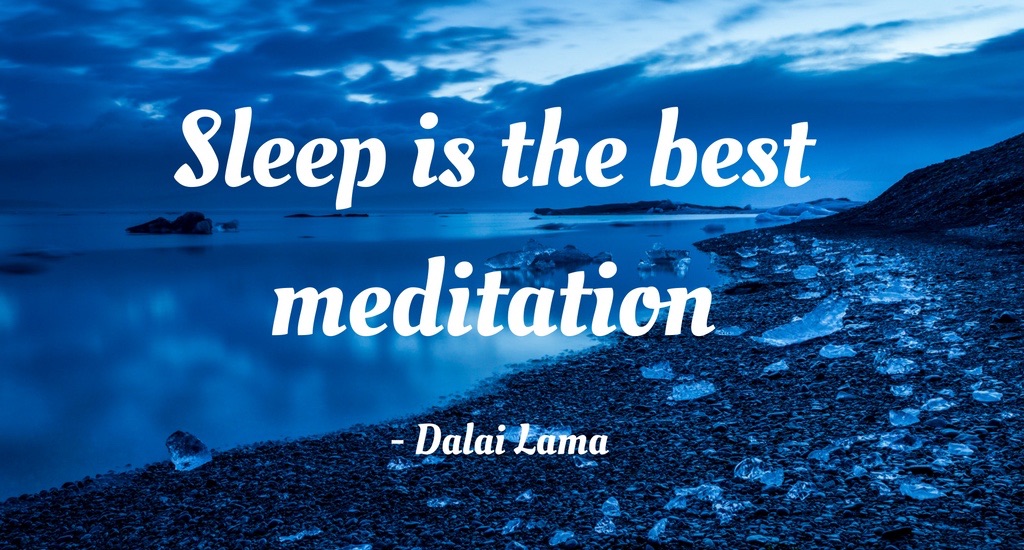
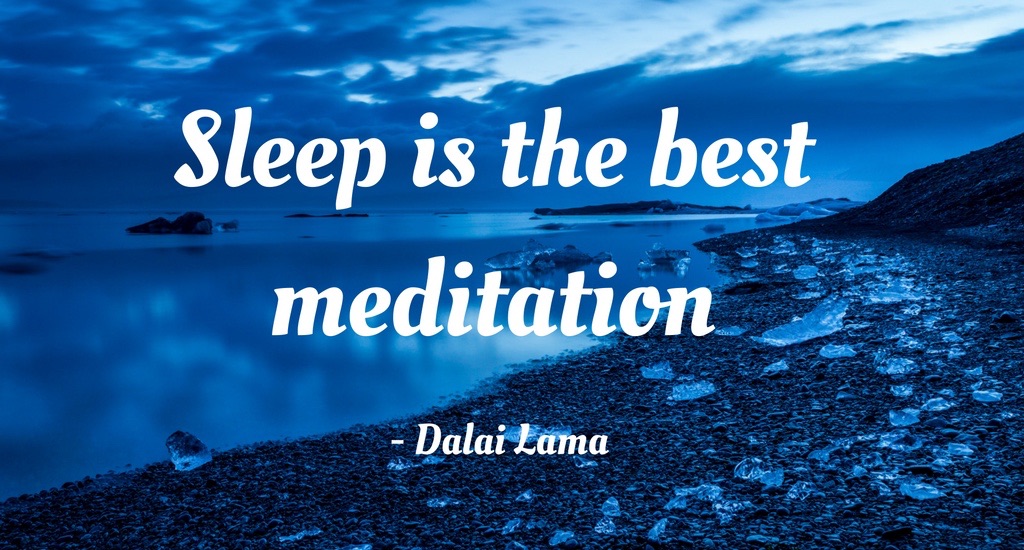
    sleep-is-the-best-meditation

    Nukkuminen on yksi lempiasioitani ja olen siinä erittäin hyvä. Valitettavasti kaikki eivät ole kuitenkaan yhtä onnekkaita ja unettomuus ja unenpuute ovatkin isoja ongelmia monille. Keskustellessani asiasta ihmisten kanssa olen huomannut että minulla on aina ollut tietyt iltarutiinit joista voi olla apua muillekin.

    1. Tarkista makuuhuone. En tiedä yhtään mitään Feng Shuista ja Kon Mariekin odottaa vielä lukemistaan. Mielestäni on kuitenkin hyvin tärkeää että makuuhuone on tila joka viihtyisä ja kutsuu lepäämään ja jossa on mukavat vuodevaatteet (itse unelmoin bambu-lakanoista joita ei tunnu Euroopasta löytyvän mistään!) Itse pidän makuuhuoneeni minimalistisena ja hyvin tuuletettuna kesät talvet. Fysiologisesti kehonlämpö laskee nukahtaessa joten on parempi pitää huone viileämpänä ja käyttää tarvittaessa ylimääräistä peittoa.
    2. Tarkista käyttämäsi tyynyt ja patja. 2000 euron Tempura-vuode olisi tietenkin mukava mutta jo pelkästään hyvä tyyny voi tehdä valtavan eron. Ostin omani paikallisesta patja- ja tyynykaupasta jossa sain testailla erilaisia myyjän tarkastellessa että niskan kaari pysyi neutraalina. Tyyny ei maksanut sen enempää kuin IKEAsta saatavat. Myös petauspatja voi tehdä eron joten jos koko patjan uusiminen ei ole mahdollista voi sen päällisen uusiminenkin auttaa.

    3. Poista kaikki elektroniikka pois makuuhuoneesta! Heti! Makuuhuone on nukkumista varten, puhelinta ja läppäriä voi tuijottaa muuallakin. Laitteiden sininen valo todistettavasti vaikuttaa unen laatuun ja pelkästään tietoisuus että puhelin on vieressä (vaikka sitten nukkumistilassa) on häiritsevä ja kiusaus napata luuri käteen keskellä yötä (tai ensimmäiseksi aamulla) on suuri. Kännykän sijasta hanki yöpöydällesi analoginen herätyskello joka maksaa alle vitosen. Jos tapanasi on tuijottaa minuuttien etenemistä ja stressata aamun lähestymisestä, käännä kellotaulu toisinpäin.
    4. Valmistaudu nukkumaanmenoon 30-60 minuuttia etukäteen. Tarkista puhelin ja muut laitteet viimeisen kerran. Sen jälkeen voi keskittyä iltarutiineihin: Koira vielä kerran ulos, lyhyt jooga tai venyttely, kirjan tai lehden lukemista, iltapesut, seuraavan päivän vaatteiden valmiiksi laittaminen. Pidä asiat rentouttavina ja rauhallisena äläkä koske siihen puhelimeen!

    img_3833
    Iltajooga näyttää tältä…

    5. Tee lista asioista jotka pitää muistaa seuraavana päivänä. Toimistotöissä ollessani kirjoitin päivän päätteeksi aina listan asioista joita en ollut ehtinyt hoitaa ja/tai jotka pitäisi tehdä seuraavana päivänä (tai sitä seuraavana…) Näin varmistin että en unohtanut mitään tärkeää ja melkeinpä automaattisesti lakkasin miettimästä asioita liikaa kotona. Tätä samaa menetelmää (jota en todellakaan keksinyt itse) voi soveltaa myös muuhun elämään. Lista kotona voi olla kotibyrokratiaan liittyvää, asioita jotka painavat mieltä tai ”vain” tavoitteita tuleville päiville. Tämä auttaa jäsentämään ja selvittämään asioita ja voi auttaa niitä tulemasta uneen. Jos luetteloiden kirjoittaminen ei nappaa voi asiat yrittää visualisoida rauhassa istuen, silmät kiinni.

    6. Tämä on varmaan kaikkien tiedossa mutta se mitä illalla syö ja juo voi vaikuttaa uneen paljonkin joten jos illalla on aina vaikeuksia nukahtaa on syytä tarkastella mitä iltapäivän/illan aikana suuhun on pistänyt. Jotkut lääkkeet, virvoitusjuomat ja suklaat sisältävät esimerkiksi kofeiinia joten rutiinivälipalojenkin sisältämät aineet on hyvä käydä välillä lävitse.
    7. Urheile (kohtuudella.) Joskus saa lukea että liian energistä hikiliikuntaa ei pidä harrastaa liian lähellä nukkumaanmenoa koska se voi häiritä unta. Tämä voi kuitenkin olla yksilöllistä joten jos 10 kilometrin lenkki tai ashtanga-harjoitus tuntuu parhaalta illalla niin miksi muuttamaan itselle sopivaa rytmiä.

    8. Herää rauhassa. Minusta tämä kuuluu myös unen laatuun. Jos heti herättyään alkaa sinkoilemaan joka puolelle voi hyväkin uni ja sen tuomat edut nopeasti kadota. Herätyskellon (sen analogisen) soidessa voi venytellä jo sängyssä. Tarkista sää ikkunasta, hengitä hieman ulkoilmaa. Juo lasi vettä ja hoida tärkeimmät aamutoimet ennen lehtien lukemista ja puhelimen tarkastamista. Jo antamalla 5-10 minuuttia itselleen antaa herätä rauhassa ja rauhallisesti antaa koko päivälle ihan erilaisen tunteen.

     Onko listassa mitään jota aiot kokeilla? Mikä auttaa sinua rauhoittumaan illalla?

    img_3699
    …tai tältä.