Tag: mindfulness

  • Is there a diversity problem in yoga?

    Is there a diversity problem in yoga?

    Last Monday I attended a teacher’s symposium on the topic “The Diversity Problem in Yoga” at TriYoga’s Camden studio. The premises of the talk was to find out (as much as possible) why yoga in the Western world, today being more popular and mainstream than ever, seems to practiced by a very homogenous set of people, often identified as a white, able-bodied, middle-class women. Why is it that whilst the population in general is getting more and more overweight and aging and the racial and religious diversities present around us, the yoga community as a whole does not necessary reflect these realities?

    “Are we as yoga schools, teachers and students reinforcing existing barriers and divisions, and how can we actively dissolve them? How can we create a more inclusive space for everyone no matter their size, their ethnicity, their income and their gender?”

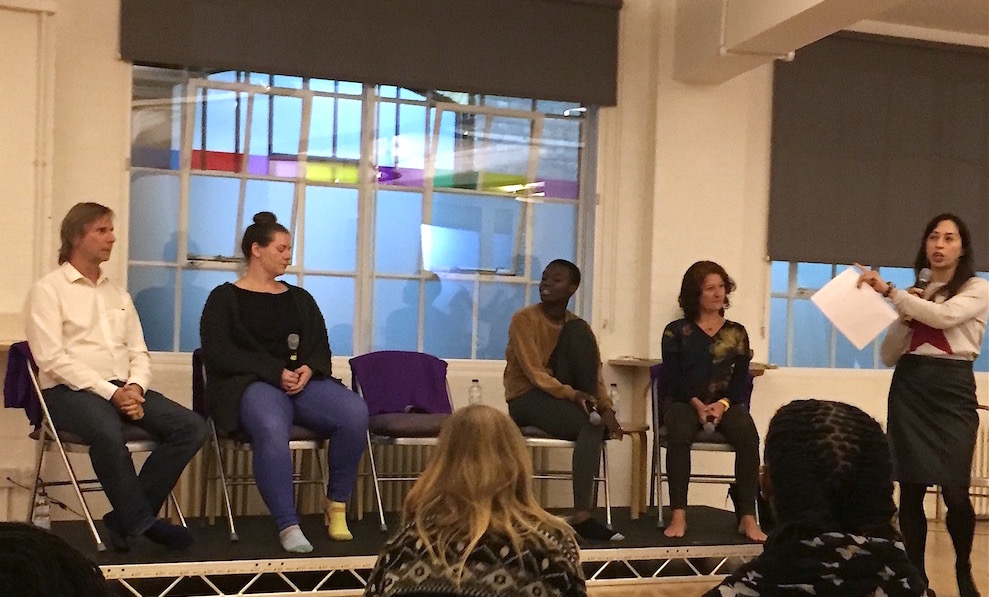
    The panellists of the evening included Jonathan Sattin who founded the first TriYoga studio in 2000, Dana Falsetti, a body positive yoga teacher, Corrie Ananda Preece and Isa-Welly Locoh-Donou who teach Mysore and Pilates & Barre respectively at TriYoga and Frederique Sardais who was the first UK teacher to specialise in Adaptive Yoga, a type of specialist classes for people living with disability and limited movement.

    From left to right: Jonathan Sattin, Dana Falsetti, Corrie Ananda Preece, Isa-Welly Locoh-Donou and Frederique Sardais

    Kindly note that this post is not a transliteration of the 90 minute symposium. My aim is to bring forwards some of the many questions, challenges, various points of views and suggestions for improvement that came up during the discussion. I offer my take on these where I see I have something to add. The discussion was recorded and to hear it full you can head to TriYoga’s Facebook page. The photo credit of the two pictures of the panellists goes to TriYoga who kindly gave me the permission to use their photos.

    I want to also highlight before going any further that we all have very different experiences so what is said below is obviously not the universal truth about yoga studios and communities. You do not need to agree with all/anything what follows below – for instance during my over 10 years of regular practise I have more often than not seen people of all ages, from six year old kids to the veterans for WW2, being represented in yoga classes. However this is not the experience many share and I accept age, as an example, can be seen an issue associated with the conversation about diversity in yoga.

    For me when something is presented as an issue that needs correction of sorts there are few fundamental questions that needs to be asked right at the beginning, in order to not get lost in the conversation.

    • What makes us say there is a diversity problem?
    • What do we believe (or know) are the reasons for this problem?
    • What does the ideal (or at least improved) situation look like?
    • Is there something being already done to improve the situation and how is that working (or not and why not?)

    In no particular order, here are some of the reasons why we can say there is a diversity problem in yoga:

    • There seems to be considerably less of yoga teachers and yoga practitioners of colour than there are white practitioners.
    • There seems to be a lot more women in your average yoga class than there are men. The same goes for yoga teachers.
    • There seems to be are lot more people who are of “normal” weight if not “slim” practising yoga than people who are overweight.
    • Most people we see in a regular yoga class are fairly able bodied, although naturally not all disabilities – starting from the mental ones – are visible to others.
    • Yoga also seems to be very much associated with youth, and more specifically with females in their 20s and 30s, despite the fact the Western population keeps on aging.

    In the birth country of yoga, India, yoga transcends all classes and casts. Where does this diversity problem in the West come from then?

    A big part of modern yoga’s diversity issue can be traced (or, at least we like to trace it) to the popular imagery: From the covers and features in Yoga Journal to lululemon and Sweaty Betty look books, the white skinny (often very flexible) female is ever present in the photos. Most gyms and yoga studios, whether consciously or not, perpetuate the same imagery.  You can talk as much as you want about the welcoming and open atmosphere of a studio in marketing materials but if everybody working there looks more or less that same (and you do not not look like that), this IS part of the reason yoga can be seen as homogenous, or even elitist, activity.

    Now is this because of the image some studios want to portray, or is it due to a form of unconscious bias? I am sure there is an element of the both. However, at this day and age, especially when we are talking about an activity that is all about inclusiveness and openness, it feels appropriate to remind us all that the word “yoga” itself means “union.” Feel free to see the irony…

    If there is a genuine will to improve things from what is seen as not the ideal situation, the only way forward for all of those involved in the community, as businesses and practitioners, is to fairly and squarely realise the current state and take concrete actions to move forward. As an example of this, TriYoga stated on their Facebook page few days ago We recognise (…) that some of our marketing material in the past may not have reflected our intention to be inclusive and we are working to change that.” 
    That is a big and very noble statement. Being inclusive is hard work, and maybe creating a studio space where nobody, EVER, would feel excluded is not even possible. Yet, by bringing awareness and mindfulness to our thoughts and actions in regards to the words we use, to the assumptions we make (or try not to make) and even to our body language, can take us a long way.

    Finally, the financial barriers to yoga are also very real. Ten pounds (or euros) a yoga class can be a lot to pay for a single mother with three kids, for a student, or just for anybody living in an expensive city on a low salary. Many studios charge even more than a ten pounds for a drop-in class at peak-hours. It is true that many places have community classes that are priced on a lower level. However, as one of the audience members on Monday pointed out, if these community classes take place in the middle of the day when most people are working, their impact does not go very far, despite the beautiful intentions. On the other side of the coin, yoga teachers need a make a living too, to provide for the family, pay for the bills and maybe even put something towards the pension fund.

    Where does the balance lie with between the yoga studios running as a business, the teachers sharing their passion and the people who can and could benefit from the practise we want to share and offer?

    What do we want then and whatever it is, do we know if it already exists somewhere?

    Any of the above said does not mean that all the white slim-ish middleclass women should hang their head in shame. None of us chose the body we were born in and nobody can be spared of illnesses and misfortunes of life just because of a socio-economic status. But a lot can be done just through education, having an awareness of the many realities that exist in the communities and checking if our assumptions of the realities are actually founded in the truth.

    What came up few times in the discussion on Monday was the feeling of being an outsider, or not belonging to “yoga.” This can come from various factors: One can feel like his/her body shape is not represented and therefore accepted in a class, or have a teacher who does not know how to teach different body shapes and conditions through offering props and modifications. Yoga can feel very “white” activity, or a particular studio can just have a vibe that does not attract. The first time stepping into a yoga class can be a very intimating situation for anybody, so all of us can imagine how this is easily made worse by not feeling welcomed or fitting in for whatever reason.

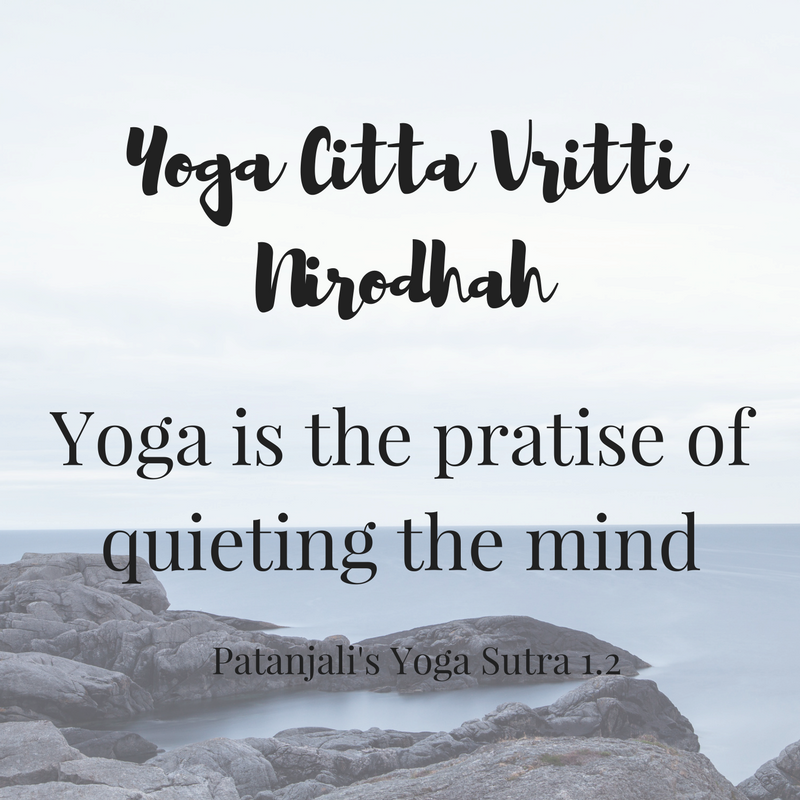
    It is also healthy to remember that yoga is much more than the asana practise. Meditation, breathing practises and studying the philosophy are also yoga. The Sutra 1.2 reminds us that yoga is about controlling the fluctuations of the mind. Reducing yoga to represent just asana is also an assumption to be challenged. It is important for all of us as practitioners and teachers to be open to all sorts of questions and show by example how yoga works for everybody, and in every day life. Just the other day I heard a friend saying in all seriousness (in my own kitchen of all places) how “I’d be too scared to go to a yoga class because apparently all those movements make you fart.” I did my best to reassure that more often than not, farting does NOT happen, and even if it does, it is ok (but really, it is rare! I swear!) Yoga is actually very simple physically – it is our minds that play on us to think otherwise. And that mind stuff – well, lets refer back to Sutra 1.2.
    Like I said in the beginning, of course there are plenty of people who have never seen or viewed yoga as something alienating, “not for them” or lacking diversity. Yoga is lived and practised in variety of places, outside the traditional shala or the modern studio. Yoga exists in community halls and in the clubrooms owned by various religions. Yoga is featured as an integral part of weekly training for athletes ranging from rugby to ice hockey to martial arts. Yoga classes are offered in ballet schools and physiotherapy clinics, for children at schools and for elderly people in the form of chair yoga. Of course there is progress to be made but there is equally a lot of evidence to demonstrate that yoga truly can work for all, regardless age, race, religion and gender.

    The way I see it, the conversation about the lack of diversity in yoga teaches us about the opportunities there are out there to reach out and connect with the community. Think about it and share your thoughts. What is yoga to you and would you like to see more diversity in yoga? What does that diversity would look like to you? Join the conversation in the comments below!

    NB The featured image of this post is not my own.

    Tallenna

    Tallenna

  • The Open Yoga Day Cyprus 2017

    The Open Yoga Day Cyprus 2017

    The Third Open Yoga Day Cyprus is coming up on the 8th October, hosted this time in Larnaca, under the theme of Satya, truthfulness. To learn more about this free & open for all event I sat down with two of the organisers, Mayka Sabova and Marilena Shyama Shakti, for a chat.

    This is the third year this event is being held in Cyprus. Where did the initial idea for the Open Yoga Day Cyprus come from and who are the people behind it?

    Inspired by similar events around the world, the Open Yoga Day Cyprus was founded by Marilena in 2015. There are many community events in other countries that offer various kinds of free services to citizens. The main principle of these types of events is to find enthusiastic and like-minded people who are willing to offer selflessly to others, without expecting a tangible reward in exchange.

    These days it can be rare to find people who have the ability to offer selflessly, people who are committed, loyal and driven to dedicate their free time and energy for creating something for others. Yet these are the qualities of the people behind the OYDC. We share passion for yoga and we aim at bringing it to as many people as possible. Alongside our founder, we are a small group of volunteers (mostly yoga teachers and practitioners), who share the common vision and are willing to walk an extra mile for the benefits of others. We operate with the support of local municipalities and every year we have few private sponsors and supporters who offer financial or other assistance.

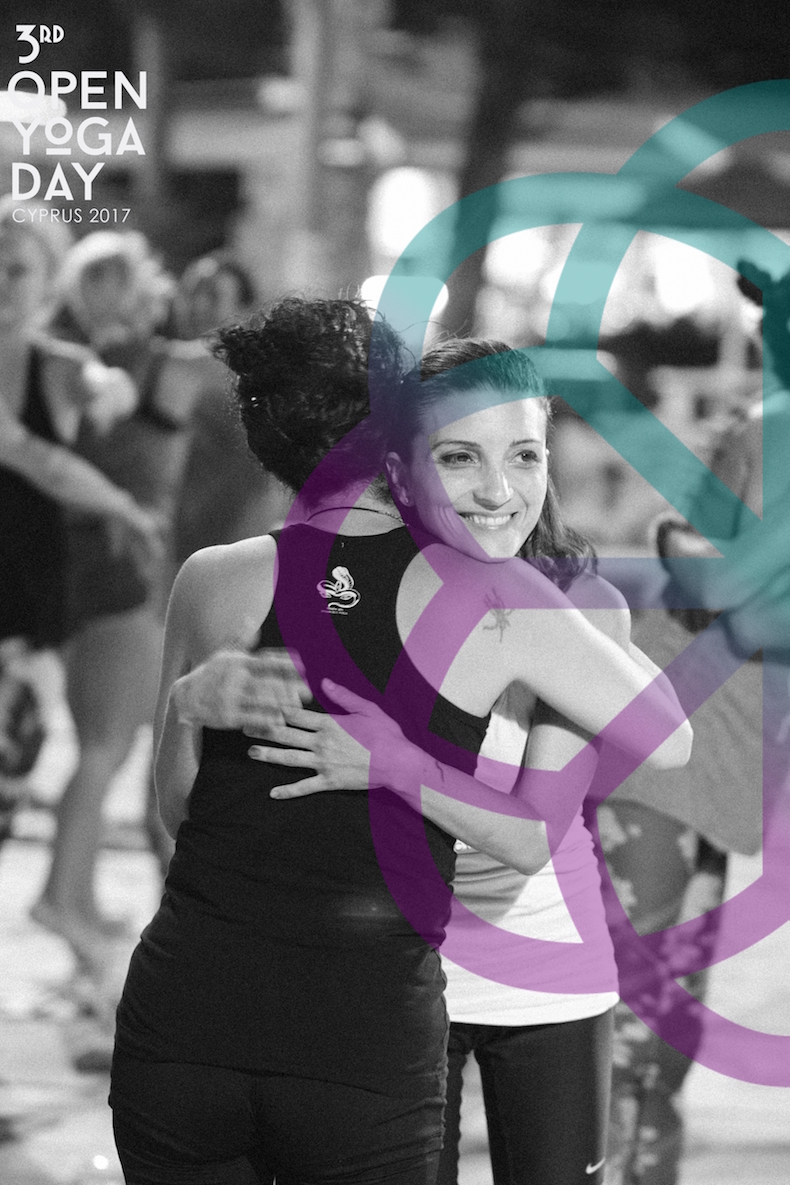
    Yoga Hug

    In addition to fostering a community spirit and sharing the passion for yoga, what is the main message you wish to promote with the Open Yoga Day Cyprus?

    Our vision is to promote wellbeing through yoga, while contributing in building healthy communities. The more people practice yoga, the better our society can become. We want to offer an opportunity to everyone, regardless their level of physical fitness, age or familiarity with the practice, to try yoga, enjoy the outdoor group practice and cultivate the sense of belonging and unity. The world has become more and more selfish with people focused strictly on their own lives without considering the others. With this even we want to encourage people to interact. In this sense, we use yoga as a tool for social interaction, while spreading the message of selfless giving, togetherness, sharing, love and unity.

    These are also the reasons why the event is organized every year in a different location across the island. This way, the people already familiar with the event mix with newcomers and the message can reach more people.

    This is the third time the Open Yoga Day Cyprus is taking place. Have you noticed any changes in the yoga community in Cyprus during this time, and has that influenced how you are setting up the event this year? 

    We noticed that more and more people have started practicing yoga over the recent years, and more and more of them have become yoga instructors too. This has not influenced the way we planned our 3rd edition, but it will influence the future events to come. For instance, we would like to bring new instructors closer to the more experienced ones, as well as the new approaches of teaching yoga with traditional ones. In yoga we learn to go with the flow so we try to go with the flow of changes, the evolution of the yogi community and most importantly, with the flow of people so we can all open up, learn, feel and grow further.

    Black and white sun salutation

    How did you choose Satya, truthfulness, as the theme for this year?

    Every edition of the event has a set intention. The power of collective intention is immense and when we do things, whatever they are, with an intention, we deepen the purpose of any activity. This year our intention is Satya, truthfulness. Satya was chosen by the founder of OYDC, Marilena Shyama Shakti, as the theme of this year’s event after she went through the gift of being pregnant and giving birth. For her, the experience of giving birth to a new life was so true and real and, of course, deeply personal, with truthfulness present in every moment. Whether it was the eye contact, reactions or the sounds of the baby, all of these profoundly impressed Marilena, as it made her realize that human beings are born so pure and it is our duty to preserve the ability to stay innocent and true to ourselves.

    I don’t want to get ahead of things as this years’ event is still ahead of us, taking place on the 8th October, but can you already talk a little bit about your future plans?

    We wish to bring yoga community in Cyprus closer together by encouraging those who share our values to offer their services and contribute in any way they can. For this purpose we would like to boost our reputation as a non-profit initiative through the annual event, and perhaps with even more events in the near future. We promote yoga, which indirectly benefits all yoga teachers across the island as we create potential audience for them. Therefore, we would like yoga teachers and instructors to bond and cooperate through our events in order to create an effective and efficient yoga hub.

    We are also collecting data about yoga instructors and centres across the island, with a vision to create a central online yoga platform with directories and many other features. Everyone who wishes to give something back to the community and is ready to offer selflessly can reach out to us and contribute with their talent, skill or service.

    Thank you very much for your time Marilena and Mayka – I am sure this years event in Larnaca will be even bigger than the events of the past two years. I’ll see you in Larnaca on the 8th October!

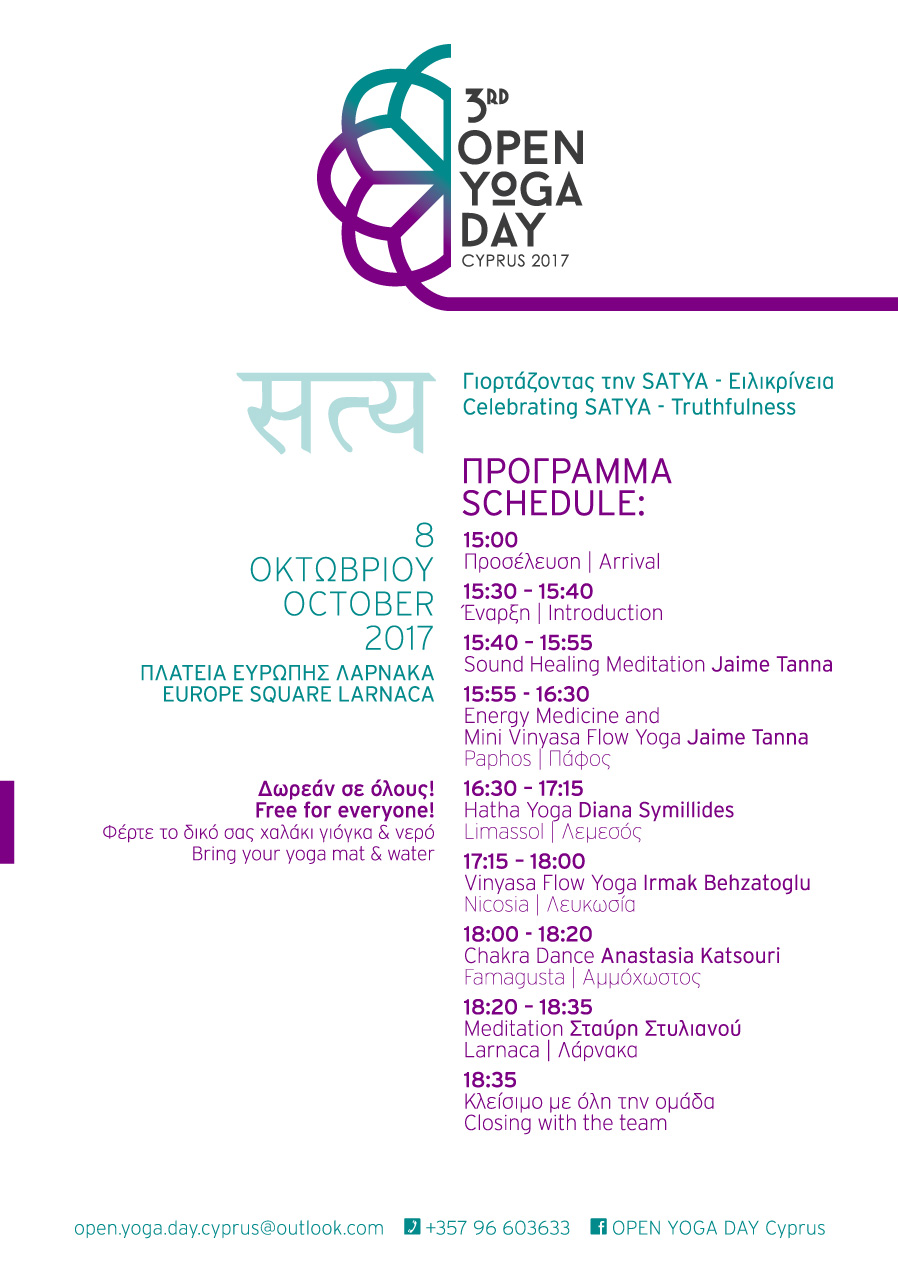
    Click here for the Open Yoga Day Cyprus’s Facebook page and check out the programme of the below. The event is open and free for everybody but you are requested to bring your own mat and something to drink.

    Cyprus Yoga Day Programme

    Tallenna

    Tallenna

  • Yoga Tourist in Finland – Magnesia Festival

    Yoga Tourist in Finland – Magnesia Festival

    The first time I heard about Magnesia Festival, a two-day yoga and heartful living event taking place on a small island in front of Helsinki, was in May when a friend was visiting Cyprus for a weekend yoga-intensive with me. She had visited the inaugural event in 2016 and enjoyed it a lot. Whilst I am not really a camping-in-tent-festival type of person, I do enjoy the more urban type of happenings where you get sleep in a real bed at the end of the day. Magnesia offers this and combines a lot of things I enjoy: Summer in Finland, seaside, islands and ferry rides, yoga and a chilled atmosphere with smiley people not making too much noise.

    August is also the main holiday month in Cyprus whereas in Finland it spells the start of return to normal life. Therefore it made perfect sense for this year to plan my visit to the Motherland a little later than usual, and combine it to visit the day one of Magnesia yesterday.

    Suomen lippu

    The programme the festival offers contains different type of yoga classes, discussions about relationships, ayuveda and nutrition, dance workshops, tea ceremonies and lot more. With my one-day ticket I could pre-book one workshop of my choice, in addition to which it was possible to queue to other ones to see if there was space. There was also non-bookable programme on the main stage outdoor where you could also buy food and just chill. The ticket also included the 10-minute ferry ride to and from the Lonna Island where the festival takes place. It probably does not surprise anybody that this being Finland everything was super organised, hassle free and any question you could think of was answered online before you could even think of them. Queuing was done in order with strangers happily chatting to each other and the natural personal space of about 3 metres all direction each was cheerfully sacrificed by all to accommodate as many people as possible to the workshops.

    In the morning I took Marta Janeczek’s back- and forward bends workshop. Backbends and forward bends have opposing philosophy and benefits associated with them (physical and emotional opening, defiance in the face of vulnerability, stimulation of the nervous system vs. introversion, cooling down, soothing of the nervous system.) Whilst some yoga styles link strong backbends with forward bends closely in the same sequence, I have always been taught to (and it usually feels better for me personally) to at least have a slower transition and/or neutralising pose or two (such as downwards facing dog or a twist) in between them. I was really curious to see what kind of workshop was build around this concept and I was not left disappointed with this one.

    I did not know Marta before hand (quite frankly I know very few Finland based yoga teachers by name, let alone have taken their classes) but just based on this one experience I would recommend to seek her out in her Helsinki based yoga studio. She has a really calm, humble yet fun vibe to her AND manages to fill the space she holds with that energy – a gift not given to many. Based on her bio she has an Iyengar influenced background and the class had a lot of detail about the anatomy of the asana we were given, always a winner with me. Marta’s workshop really refreshed my appreciation for and detailed knowledge of many “basic” asana such as the cat and cow poses and just for that, I am grateful.

    My friend recommended an intuitive writing and yin-yoga workshop she had taken last year so we both had registered for that one. It was held in an old mine storehouse (in the olden days the Lonna island used to a mine clearing spot) with soft sunlight sweeping through the small windows in the sealing – and packed with people. I felt the class was maybe 10% writing and 90% yin but since you cannot really go wrong with yin, I was very happy to bliss out with the practise. I can always write at home but I cannot make that kind of unique setting with loads of people happen at a will.

    The rest of the day we spent just bumming around the grounds, watching a flow yoga practise taking place at the central stage and enjoying the sun and soft sea breeze. The weather was absolutely gorgeous yesterday that was appreciated by everybody, as the summer in Finland has been extremely rainy. Big thanks for all the Magnesia crew for putting out such a beautiful event – I will definitely do my best to come back next year!

    Magnesia festival

    Outdoor yoga

    Tallenna

    Tallenna

    Tallenna

    Tallenna

    Tallenna

    Tallenna

  • What are we talking about when we talk about sustainable development?

    What are we talking about when we talk about sustainable development?

    As long as I can remember I have had an interest in environmental issues and holistic living, long before yoga came to my life. Coming from Finland environment is something we are surrounded by all the time and things like not littering, paying for plastic bags in supermarkets and recycling were things that were well established in every aspect of the society already in the 1980s and even before that.

    Always keen to dig a little bit deeper I went on to study sustainable development as a part of my master’s degree and even did some research work on the topic for UNESCO back in the day. Life happens and for over a decade I ended up working in a completely different environment. By this time the concept of sustainable development had started broaden and include the notion of corporate social responsibility (CSR) in a more prominent way. Working in a corporate environment allowed me to keep track on the latest developments in CSR and to think what opportunities we have to include sustainable practises in every aspect of our lives in a world that was – and is – rapidly changing and bringing us more and more complex challenges.

    The below text was first published few weeks ago as a part of my on-going collaboration with EcoHomeStore. The idea for it came from the wish to go back to the basics: so often we talk about ideas and plans for future, only to realise that what our understanding of different concepts behind our ideas can be very different. There obviously is more to sustainable development what is offered below but it does offer a starting point and/or a recap for those wondering what it is all about.

    What are we talking about when we talk about sustainable development?

    Sustainable development, sustainable living, conscious living, socially responsible consumption… We hear these words more and more and instinctively probably would agree they are good thing. But have you ever wondered what do these words really mean, in real-life terms? And where does the concept of sustainable development come from in a first place?

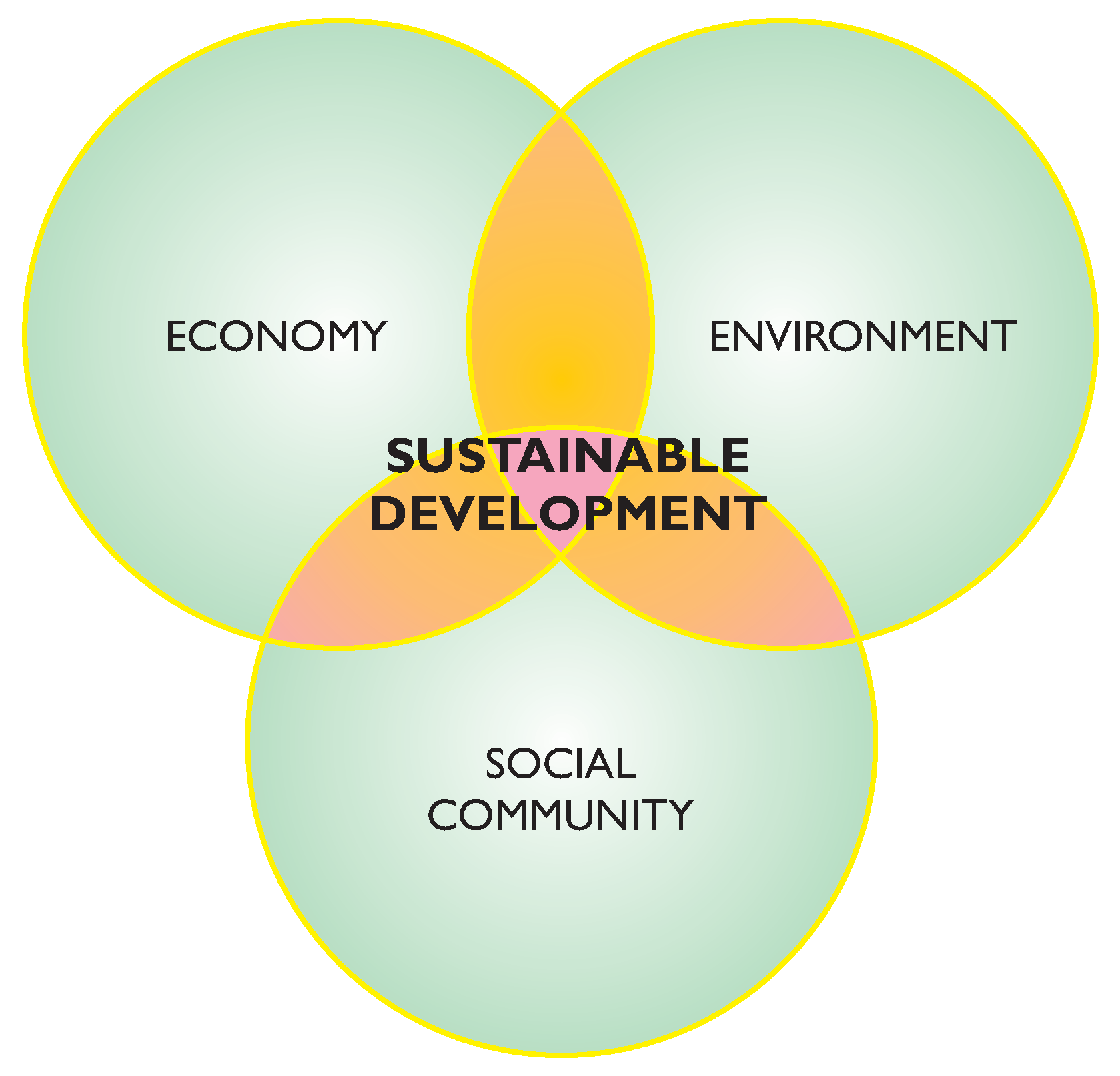
    The term “sustainable development” was first outlined in 1987 in a United Nations document called “Our Common Future” where it is defined as “development that meets the needs of the present without compromising the ability of future generations to meet their own needs.” In other words, the aim was to highlight the interdependence of economic development and environmental issued and how they should be discussed together. Since 1987 the concept and discussion of sustainable development has vastly evolved and expanded. Today it is commonly described to include three interlinked pillars: The environment (or ecology), the economy and society.

    Kestävän kehityksen määritelmä

    The environmental dimension refers to the need to preserve basic natural resources essential for sustaining life, such as the availability and quality of air, water, food and shelter. Other aspects of the environmental sphere are related to health (e.g. pollution as a health risk) and the use of natural resources for economic gains faster than these materials can be replenished naturally. At the heart of environmental sustainability is the need to (re)design the activities societies need whilst not degrading nature’s supplies. Examples of this are the utilisation of renewable energies such as wind and sun, mindful usage of water and harvesting materials such as wood from forests at a rate that maintains biodiversity. Further example is to eat food produced as locally as possible, from sources that favour methods of farming that do not damage the soil or water resources.

    The United Nation’s Development Goals define sustainable economic growth as ”a requirement for the societies to create the conditions that allow people to have quality jobs that stimulate the economy while not harming the environment.” The premise behind this is that poverty puts stress on the environment, as lack of resources and education in the underdeveloped parts of the word tends to lead to overuse of resources, as survival is at stake. Equally environmental problems often hit the poorest regions the worst. Some theories claim that increased global production helps the world’s poor to improve their income and with it their health, opportunities for education etc. Yet, it is impossible to dispute the fact that the gains economic growth of the planet are distributed unevenly, in addition to which the richest countries in the world are responsible for most of the pollution whilst consuming most of the resources.

    The situation today calls for new ways of thinking with research and innovation being in its core. Many businesses are also waking up to the possibilities that caring about the environmental impact can be beneficial to them as their clients become more aware of the issues at stake on a global level. The latest step in this field is the European Directive that now requires big companies to produce an annual “non-financial statement.” This document needs to contain information about their environmental, social and employee matters, respect for human rights and anti-corruption matters. This directive came into force in Cyprus on 2nd June 2017 in the form of the Companies Law.

    Social aspect of sustainability is a widely ranging, multi-dimensional concept. Broadly speaking it is concerned with taking humane aspects and development into account in everything, including the economy. Social sustainability is as much about diversity and inclusion at home and at workplace as it is about equal access to education, training. Another element of it is fair access to green spaces in urban communities but also, quite literally, about physical access to buildings and public transportation for people with different abilities. And we cannot talk about social sustainability without mention the importance of democracy and good governance, on every level of the society.

    Ultimately, social sustainability is about respecting the human rights of all individuals and conscious eradication of any obstacles (or even unconscious bias) that exist. This can take the form of codes of conducts and transparent policies at workplace preventing discrimination, clear acknowledgement that diverse opinions and participation usually lead to more inclusive governance and improved social cohesion and encouraging social interaction between different communities and groups.

    Looking back to the developments since 1987 when “Our Common Future” was first published there is lot to be optimistic about. Whilst the world we live in has become more complex, the understanding of what is required for improving environmental, economic and social sustainability continues to spread. Now more than ever we all have a part to play in this. We can all consider our options with our everyday consumer choices: Buying good quality products that are made or grown locally, even if they are a little bit more expensive. Turning off the tap when washing up, rather than keeping the water running. Recycling, taking your trash to the bin and educating the children about why do these things matter. Saying hello to the new family in the neighbourhood and aiming to act with curiosity and acceptance towards our surroundings. And if you are up for it, why not take on a wider challenge: Where do we get our idea of “development” and what does it mean in practise and is it sustainable for the generations to come?

    Now over to you. What else does sustainable development mean to you? Are you concerned in a first place or just going with the flow? I would love to hear from your thoughts in the comments!

    Tallenna

  • How to turn a bad day to a better one

    How to turn a bad day to a better one

    Bad days happen to all of us. Sometimes you just know the day is not going to be the best one straight after waking up. Sometimes a bad day creeps up on you slowly, starting with an innocent coffee spill, followed by signal failure in the tube and the realisation the keys were left at home… When things start going wrong it can feel like you are watching a car crash happening: there is nothing to do but to let day run its course and hope for the best.

    The good news is that it does not have to be like that. We have all the power to turn a day that has started badly to one that is, if not amazingly brilliant, a pretty good one. Here’s how.

    1. Acknowledge things are not going smoothly and make peace with it

    About a month ago I was few minutes late for a morning yoga class I was teaching. Not a big deal, being less than five minutes late, especially in Cyprus. Only this was few days after I had written a blog post how one should never be late for a yoga class. I was embarrassed and felt like a hypocrite. During the class I kept confusing my cues. Instead of shrugging it off, trusting that people were still following the class, I got annoyed and the rest of the class things continued to come out from my mouth sounding more or less strange: lefts became rights and so one. After the session, when somebody wanted to pay for a monthly pass, I realised I had left my purse home. At that point I let out a small “argh!” and the lady paying looked at me. “You are having not the best morning, are you? It’s ok, we all have those.”

    For some reason those words gave me real comfort. Yes, bad days do happen for everybody and guess what, people understand that. They are not going to judge me for small mistakes. So why on Earth was I getting so worked out over things that quite frankly were very, very minor? Why was I calling myself a hypocrite for being three minutes late when nobody else was doing that?

    And just like that, I made peace with the not so great day. I was not letting it to dictate my day. There is no great book of destiny that orders us to have x amount of s**t days a year, on specific dates on top of that. Instead, we can all do the following:

    2. Reflect on the triggers and keep things in perspective

    Things might not go great early on a given day because you are tired, or already overwhelmed by something that has happened earlier. When acknowledging and making peace with the not so smooth day so far, take a moment to check in with yourself. Ten deep breaths (I know, easier said that done but that’s why we practise yoga) by your desk, in the bus or even in the nearest toilet cubicle already help to calm the nervous system working on overdrive. Try to avoid catastrophising the events so far along the lines “This only happens to me” and “I might just give up and go home because the rest of the day is only going to be rubbish.” Trust me, there is no “bad day conspiracy” going on, aimed particularly at you. Instead, try to keep a positive (or at least a neutral) outlook and think what in particular has triggered you to react emotionally. Once you have identified them it is easier to find ideas that will help, if not to turn them around, at least keep them in perspective.

    3. Modify your plan respecting your resources

    So you are not feeling the best but need to get through the day. Have a look at your schedule and decide what are the things that have to be done, things what you can do and things that can wait. Is there a challenging one-to-one meeting coming up? Rescheduling is not great but as long as it is not what you are famous for in the office, maybe today is the day to do it. First draft of a report to be passed on to a colleague – you probably do not need to go it over with a comb, if it is the first draft nobody will care about few typos or less-than-perfect headlines. In short, treat yourself with compassion rather than punishing yourself for expecting excellence when you clearly are not up for it.

    4. Switch your “to-do” list to a “done” list

    Most of us have our lists (or ten) for things we must and want to get done during the day. Most of us also have things on those lists that we really are not too keen on, even on a good day.

    One thing I often do, bad day or not, is to change my “to-do” list to a “done” list. I write down every task I do, whether it figures in my notebook or not. Sometimes the things I get to mark down on the “done” list are the same that I have on the “to-do” list – if that is the case, great. Sometimes I end up with a list of things that are entirely different. The point is, the things I end up doing are always tasks that needed to be sorted sooner or later. And so what if your “done” list includes things like sending a postcard to your cousin who lives in another country, and stretching in front of three episodes of your favourite series on Netflix. Because at the end of the day your cousin will probably appreciate your postcard more than your colleagues would be impressed by your intellectual contribution to the company Intranet you had planned to do originally. And gentle stretching whilst unwinding in front of a good program is just as good as going to a two-hour power vinyasa class you really did not feel like.

    Celebrate the even small accomplishments with good consciousness. Your best today is good enough or did somebody tell you something else?

    Finally, remember that everything in this life is temporary and  tomorrow is another – and with all likelihood – a better day.

    What are your best tips for improving a day going not too well?

    Tallenna

    Tallenna

  • Yoga Etiquette: Good-to-knows for new students

    Yoga Etiquette: Good-to-knows for new students

    It can be just as daunting as it is exciting to start a new activity and yoga is no exception to that. Whether you start to practise in a fancy yoga studio or at a more down to earth community centre, here’s a list of few unwritten rules that most yogis around the word follow. The physical yoga practise is individual yet collectively done and observing the yoga etiquette ensures a pleasant and respectful experience for everybody involved. It might also ease any starter nerves there might be. Most of these rules are pretty common sense though so most importantly, remember to enjoy your yoga class!

    Arrive on time and stay for the whole class

    Punctuality is always appreciated, especially in a space where there is one class after another one. However, even in a more relaxed setting please show your appreciation for the practise and respect for other participants by arriving on time. You can always roll out your mat and lie down to steady your breath and to settle in before the class starts. If you happen to run late for some reason, please enter the class discretely (if it is still possible – some studios can refuse entry if you arrive late.) It is equally appreciated that you stay for the whole class rather than pack your stuff when the relaxation starts. If you for some reason absolutely cannot stay for savasana, please inform the teacher in advance and take your place near the door so you can quietly slip out without disturbing others before the relaxation starts.

    Switch your phone off and appreciate the silence

    When you arrive to your yoga class, remember to switch off your phones, tablets and anything else that might make a noise during the class. This includes taking off any noisy necklaces or bracelets. And for heaven’s sake, if your phone rings, do not waste any time checking who is calling or even worse, answer it. Just sayin’ as it has happened…

    Yoga classes can be great places to meet like-minded people but reserve your chatting to the space outside the class as many people like to take the time before (and after) the class to meditate or to enjoy the relaxed feeling. Keeping noise and chatter to the minimum during the class is also a question of safety as people will need to be able to stay focused and concentrate on (and hear!) the instructions given. After all, you want to be respectful of the environment, the teacher and the people around you, as well as preserve the energy of the class.

    Be aware of the space you take and of that around you

    If there is enough room in the room your yoga class takes place it is common courtesy to stagger your mats so that people behind you can see the teacher. Check also that you are not likely to hit the person on your left and right if spreading your arms to your side. If the class is packed, make room to those joining the class after you by moving your mats closer to each other and be attentive with your asanas. Be also mindful of your steps: do your best to avoid walking on other people’s yoga mats. Finally, we all have good days and bad days. Do not throw your stuff around but equally, offer your quiet smile to those who seem to need it.

    Keep it clean!

    Yoga is practised barefoot although usually you are welcomed to put warm clothes on during savasana for comfort (and health!) However, the yoga etiquette would like you to leave your shoes outside the yoga space and remove your socks. Trust me, nobody cares about your feet as long as they are clean, just like the rest of you. If you are borrowing a mat please clean it if there is a product offered for that and take it (together with other props) to where they belong after the class is over. Also go easy on perfume, scented body lotions, make up etc. Sensitivity or even allergic reactions to strong scents are a real thing.

    Listen (to your body), try modifications and focus on yourself

    Whilst yoga can be massively helpful for one’s physical and mental health, it is not a miracle cure for anything and it is entirely possible to hurt oneself if not practising with care. Make sure you inform your teacher with any injuries you might have so s/he can offer suitable modifications. Also feel free to take a break during the practise (by staying on your mat) if anything gets too much. Your teacher can guide you but nobody can be inside your head so learn to listen what your body tells. If unsure about your health and yoga, please speak to your medical practitioner before starting.

    Even without any injuries, let go of any expectations of what you think your practise should look like, and never compare yourself to the person next to you or whatever you saw on Instagram the other day. Rather concentrate on the feeling, try out modifications suggested and if your mind starts wondering, do your best to bring your focus back to the practise. These things do not come easy for the majority of us but being aware of them is a good place to start. After all, it is not called yoga PRACTISE for nothing.

    Yoga is much more than the physical practise so be interested about how to integrate it to your daily life.

    Sure enough not all yoga classes include any talk about the philosophy per se but all of the points mentioned about yoga etiquette are rooted in its philosphical principles. Curious to learn more? You can start by checking out my posts about Yamas and Niyamas.

    Namaste

    Tallenna

    Tallenna

    Tallenna

    Tallenna

    Tallenna

  • 7 Yoga-inspired Tips for Anxiety and Stress

    7 Yoga-inspired Tips for Anxiety and Stress

    This past week has been the Mental Health Awareness Week. However, mental health is obviously not an issue just for one week a year, just like a good mental health is more than just absence of a mental health problem.

    Stress and anxiety for instance are issues that touch all of us at least some point in our lives: school or university exams, professional demands and relationship challenges are unavoidable but luckily there are way s to ease their toll on us. It widely recognised through clinical studies that yoga can be an effective way to help us during tough times. Here’s how.

    1. The power of breath – pranayama – brings calm and relieves anxiety. There are various breathing exercises available and you can find few of them here. If you prefer keeping things simple, just focusing on lengthening inhales and exhales, whilst breathing through the nose, is a very effective way to bring stillness to the mind. You can try counting during inhales and exhales to help to keep the rhythm even, with the added bonus that when you count quietly in your mind, it is pretty hard to have other thoughts disturbing you.

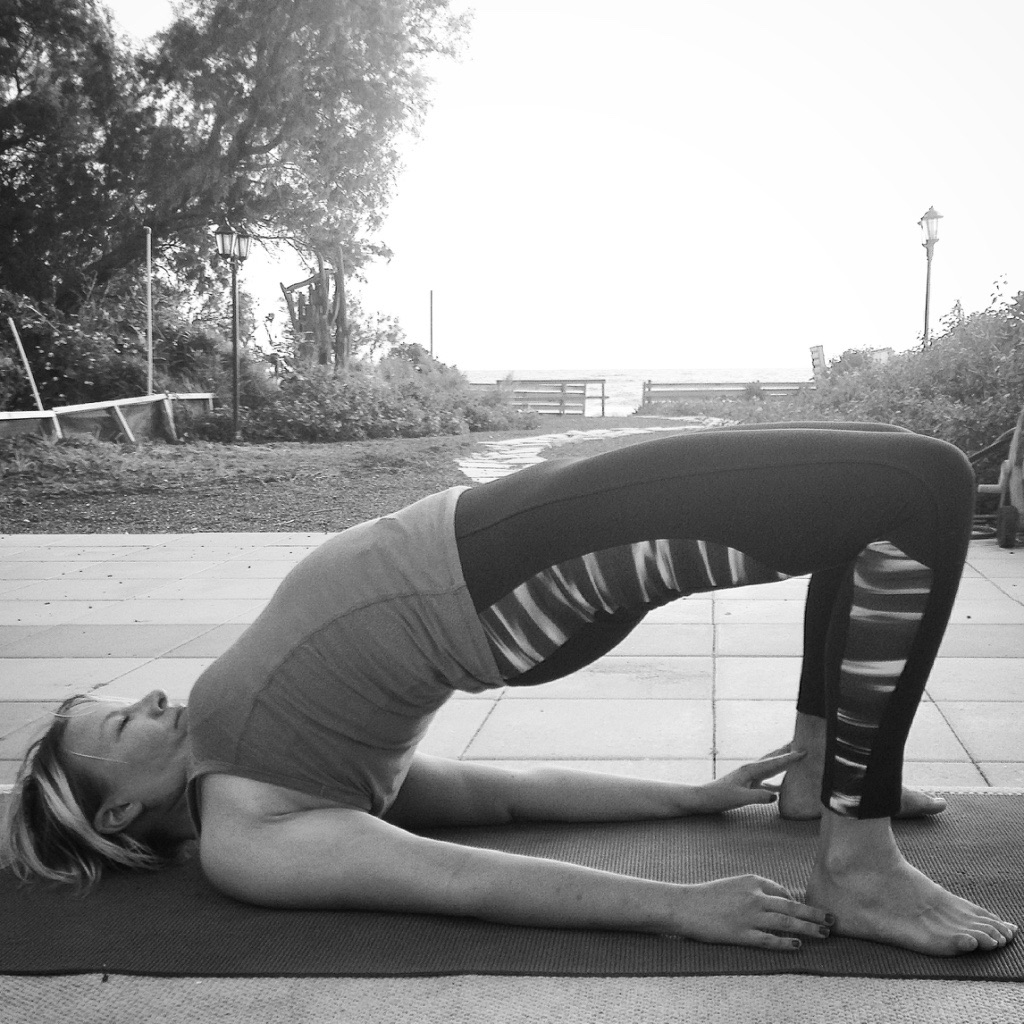
    2. Yoga postures – the asanas – relief physical tension and can help the mind to refocus. Some of the asanas that are especially recommended for relieving anxiety are hastapadasana (standing forward fold), adho mukha svanasana (downward facing dog), setubandasana (bridge pose) and of course, savasana (corpse pose.) Even a ten minute practise a day, done regularly, can have a huge positive impact.

    3. It is said that well planned is half done and preparation is the key. If you are reading this the night before a deadline you might find this annoying but take the lesson and next time plan ahead. Carving out the time to preparing in advance and making a plan will help manage both the situation at hand and our reactions, even if things end up not going to that plan (and do they ever?) If we are disciplined with our yoga practise, we can be disciplined with other aspects in our lives.

    4. Find an affirmation that works for you to start the day. For instance, making a conscious decision every day to act with best of our abilities means we are less likely to have regrets and more peace of mind.

    5. One of the reoccurring themes in yoga is that everything – absolutely everything – is temporary. Things will pass. It might not always feel like and it can be annoying to be reminded of this when the feeling is everything but. But things will pass.

    DeepYogaBreaths

    6. Meditation, with help of an app or without, does not need to take more than few moments. It is always helpful to check in with ourselves to inquire how we are REALLY feeling and why, even more so if we have a chance to remove ourselves temporarily from a taxing situation. Noticing what triggers our worries and concerns might take some time initially but will pay itself generously back once we learn to take preventative actions.

    7. Feeling like going all the way with a lifestyle change? Always best to introduce changes slowly in order to make them stick but if you are ready to go for it, check out my post about yamas and niyamas for some inspiration.

    To the beach

    Tallenna

    Tallenna

    Tallenna

    Tallenna

  • 7 x Joogan inspiroimaa vinkkia stressin hallintaan

    7 x Joogan inspiroimaa vinkkia stressin hallintaan

    Mennyt viikko oli henkisen hyvinvoinnin teemaviikko (ainakin joissain maissa) mutta aihe on ajankohtainen vuoden jokaisena päivänä. Hengen ja mielen hyvinvointi kun on paljon muutakin kuin mielenterveysongelmien välttäminen. Koulu ja opiskelu, työelämän vaatimukset ja ihmissuhteet aiheuttavat useimmille meistä stressiä ja ahdistusta jossain vaiheessa elämään. Vaikka näitä tilanteita on hankala välttää kokonaan, voi joogasta löytyä iso apu elämän vaikeiden vaiheiden helpottamiseksi. Alla muutamia keinoja miten.

    1. Hengittäminen – pranayama – ja erilaiset hengitysharjoitukset auttavat rauhoittamaan mieltä ja helpottavat ahdistusta. Kirjoitin muutamista harjoituksista aiemmin tässä postauksessa mutta sisään- ja uloshengitys nenän kautta on tehokas harjoitus jo yksinäänkin. Kokeile laskea hiljaa mielessäsi kolmeen tai neljään sekä sisään että uloshengittäessäsi. Näin hengityksen rytmi pysyy tasaisena ja laskiessa muiden ajatusten päässä pyöriminen on mahdotonta.

    2. Jooga-asanat auttavat rentouttamaan kehoa ja auttavat mieltä keskittymään. Hyviä asanoita ahdistukseen ovat eteenpäintaivutus, alaspäin katsova koira, silta-asana ja tietenkin kuolleen miehen asana. Jo 10 minuutin päivittäisellä harjoittelulla voi olla positiivinen vaikutus mieleen.

    Bridge pose

    3. Sanotaan että hyvin suunniteltu on puoliksi tehty. Järjestelmällinen joogaharjoitus voi auttaa siirtämään saman suunnitelmallisuuden elämän muihin osa-alueisiin. Hyvä ennakointi auttaa sietämään stressiä paremmin silloinkin kun suunnitelmat muuttuvat kesken matkan.

    4. Voimalauseet voivat tuntua alkuun hölmöiltä mutta joskus eteen osuu sanonta joka resonoi. Päivän voi vaikka aloittaa lupaamalla tehdä parhaansa joka asian suhteen – näin myös toimiessa jossittelu ja harmittelu jaa myös vähemmälle kun tietää tehneensä vilpittömästi sen minkä sillä oli paras mahdollinen suoritus. Muista myös nämä asiat ja ole itsellesi armollinen.

    5. Yksi joogan keskeisistä teemoista on tietoisuus siitä, että kaikki on väliaikaista. Oli olo tai tilanne kuinka kamala tahansa, ja vaikka ne tuntuvat kestävän ikuisesti, asiat tulevat muuttumaan. Aivan varmasti.

    6. Erilaiset meditaatioharjoitukset tarvitsevat vain muutaman minuutin ja niitä varten löytyy myös erilaisia applikaatioita. Ottamalla päivittäin hetken aikaa oman mielentilan tarkasteluun voi tuntua alkuun hankalalta mutta omien ärsykkeiden tunnistaminen mahdollistaa selviytymismekanismien luomisen hankalia tilanteita varten. Alun vaivannäkö maksaa siis itsensä takaisin ajan kanssa.

    7. Jos stressi ja ahdistus eivät ota helpottaakseen, ehkä edessä on kokonainen elämäntyylin muutos tai ainakin sen suunnittelu. Inspiraatiota tätä varten voi hakea vaikka aiemmista yama ja niyama-postauksistani.

    To the beach

    Tallenna

    Tallenna

    Tallenna

    Tallenna

    Tallenna

    Tallenna

  • Abhyasa and Vairagya

    Harjoittelu ja irtipäästäminen voivat vaikuttaa varsin ristiriitaisilta termeiltä, ymmärrämmehän usein harjoitteluun kuuluvan myös tulosten odottamisen. Yhdessä ne kuitenkin muodostavat koko joogasysteemin perustan. Joogatunnilla opettaja kehottaa luopumaan suorittamisen tunteesta, tai vapauttamaan ajatukset jotka eivät auta harjoittelua ja sen sijaan keskittymään kehon kuunteluun. Ajatuksena päässä pyörivien miljoonien ajatusten unohtaminen on kuulostaa hyvältä mutta me kaikki tiedämme että tähän tilaan pääseminen ja yhteen asiaan keskittyminen kerrallaan on helpommin sanottu kuin tehty. Irtipäästäminen(kin) vaatii siis jatkuvaa harjoittelua.

    Abhyasa ja vairagya (harjoittelu ja irtipäästäminen, kirjaimellisesti “värittömyys”) konsepti on kirjattu Patanajalin joogasutriin luvuissa 1.12 – 1.16. Lyhyesti selitettynä abhyasa tarkoittaa jatkuvaa vaivannäköä jokapäiväisen harjoituksen eteen. Abhyasa korostaa harjoituksen säännöllisyyden tärkeyttä silloinkin (ja juuri silloin!) kun asia ei voisi vähempää kiinnostaa. ”Harjoitus” ei tarkoita vain asanaharjoitusta vaan myös ajatuksiamme ja valintojamme esimerkiksi ruuan, ystävien ja koko elämäntapamme suhteen. Vain jatkuvan ja keskittyneen harjoituksen avulla voimme pyrkiä kohti mielenrauhaa. Patanjali kuvaa tämän mielenrauhan tilana jossa olemme vapaa peloista, pettymyksistä, stressistä ja kaikenlaisesta “elämäntuskasta.”

    Ankara keskittyminen

    Vairagya, irtipäästäminen, puolestaan tarkoittaa kykyämme tarkkailla ja tarkistella asioita jotka aiheuttavat meille mielipahaa ja siten estävät mielenrauhan syntymistä. Irtipäästäminen voi esimerkiksi tarkoittaa sitä että emme tavoittele ja pidä tärkeänä omistaa uusinta puhelinmallia, uusia vaatteita, lomamatkoja tai mitä tahansa tavaraa. Irtipäästäminen liittyy myös “ei materiaalisiin” asioihin: voimme esimerkiksi harjoitella joogaa aktiivisesti koska haluamme oppia asanan joka on mielestämme hieno ja josta haluamme kuvan Instagram-fiidiin koska vasta silloin olemme mielestämme saavuttaneet jotain. Irtipäästämisen konseptia voi soveltaa myös opiskelu- tai työelämään. Kun teemme paljon töitä jonkun asian eteen odotamme myös hyviä tuloksia, palkankorotusta, kiitosta ja kunniaa ja kuvittelemme että nämä asiat lisäävät onnen tunnetta ja elämän laatua. Pahimmassa tapauksessa ajatuksemme voivat kääntyä muotoon ”sitten kun X tapahtuu, kaikki on hyvin”, joka taas estää meitä keskittymään ja arvostamaan tätä hetkeä.

    Jos et ole tyytyväinen siihen mitä sinulla jo on, kuinka kuvittelet olevasi tyytyväinen sitten kun olet saanut kaiken haluamasi?

    Practise
    …joskus sitä kaatuu persuuksilleen. Noin 10 kertaa putkeen.

    On totta kai normaalia että haluamme olla ylpeitä saavutuksistamme ja odotuksista irtipäästäminen voi jopa tuntua hölmöltä. Vairagya ei kuitenkaan tarkoita että minkään ei pitäisi tuntua miltään. Ajatuksen ydin on olla antamatta asioille liikaa merkitystä. Ajatellaan esimerkiksi työprojektia: Olemme raataneet projektin parissa kuukausia, istuen toimistolla myöhään illalla. Projektin myötä emme ole nähneet perhettä tai ystäviä kunnolla pitkään aikaan ja päätä on särkenyt jatkuvasti. Projektin valmistuttua odotamme pomon lähettävän vähintäänkin ison, kiittelevän sähköpostin koko firmalle, ymmärrystä kumppanilta ja ystäviltä poissaoloistamme ja ehkä vielä sitä palkankorotustakin.

    Projektin esityspäivä saapuu mutta kiitosten ja ymmärryksen sijaan saamme lyhyen nyökkäyksen. Ketään ei tunnu kiinnostavan ja kokouksessa siirrytään suoraan eteenpäin. Kumppani kotona toteaa että toivottavasti nyt aikaa piisaa enemmän kotitöihin, lisäten että toista kertaa tällaistä menoa ei sitten hyvällä katsella. Toisin sanoen, todellisuus on hyvin kaukana odotuksistamme, negatiivisella tavalla. Mikä on olomme nyt? Pettynyt? Vihainen? Romahtaako itsetunto ainakin hetkeksi kun projektia ei kiitelläkään? Tuleeko ajatus että olemmeko edes oikealla alalla? Lihottuakin tuli viisi kiloa kun ei ollut aikaa syödä kunnolla. Kaikki menee aina pieleen!

    Näistä ajatuksista on mielenrauha ja tyyneys kaukana. Vairagya siis kehottaa olemaan tarkkana ponnistelujemme motivaation suhteen ja päästämään irti (liian suurista) odotuksista joilla voi olla negatiivinen vaikutus ajatuksiimme. Sen sijaan meidän pitää keskittyä jatkuvaan ja jokapäiväiseen abhyasaan, harjoitteluun, joka johtaa meitä kohti mielenrauhaa ja sisäisen totuuden löytämistä.

    Tämä on tietenkin vaikeaa ja vaatii ponnisteluja. Sen takia joogaharjoitusta kutsutaankin joogaharjoitteluksi.

    Käyttämästäni joogasutra-kirjasta voi lukea lisää suomeksi täältä.

    Onnellisuus ei ole sitä mitä sinulla on, vaan sitä mitä tunnet sydämessäsi.

    Bhujangasana ja aurinko silmissä. Harjoitus kuitenkin tehtiin ilon kautta, joskus se näkyy naamastakin.

    Tallenna

    Tallenna

    Tallenna

    Tallenna

    Tallenna

    Tallenna

  • Abhyasa and Vairagya

    Abhyasa and Vairagya

    Practise and non-attachment can seem to be very contradictory terms as we usually associate practise with the expectation of some sort of results. Yet together these two form the principles that the whole yoga system as we know it today rests. You might have heard your yoga teacher to say the words ”just let everything go that does not serve you”. Maybe you even liked that phrase because it almost felt like a permission to let go and relax in a world that seems to be full of demands. Yet when we hear those words in a yoga class most of us do not think that they mean we are going to let our asana practise fall apart. If anything, in this context “letting go” can easily be understood as an invitation to focus only on the practise taking place and give it all our attention.

    dav
    Check out the focus on this Bhujapidasana…

    And that is the moment when the meaning of abhyasa and vairagya – practise and non-commitment – reveals its logic to us.

    To describe things as concisely as possible, abhyasa, as Patanjali explained them in his Yoga Sutras (Sutras 1.12 to 1.16), means to make consistent effort (i.e. practise), over time and even when do not feel like it (especially when we do not feel like it, some might say) to observe and follow thoughts, actions and general lifestyle choices that lead us towards a state of tranquillity. Why? Because this practise and the stilling of the mind it brings with it will help to reveal our true, “original” self, free from fears, stress, upsets and pain, all those things we so often feel our lives are filled with.

    By using the word ”effort”, this sutra reminds us that Yoga is not for the lazy. Nothing great was ever achieved without effort.

    – Reverend Jaganath Carrera

    Vairagya on the other hand can be understood as study or process of actively recognising, exploring and letting go of everything that stands in the way of finding inner peace and tranquillity. Put in other words, vairagya encourages us not to attach any significance on material wealth (clothes, cars, our latest phone…), non-material issues (situations that makes us agitated or angry, certain exam or career results, fancy yoga poses to be posted on Instagram) or anything else that may think of as important to us. Whilst we may fool ourselves to believe that obtaining more of wealth, recognition or whatever it is we crave for, it really just diverts us from finding inner peace and at the end is more likely to contribute to further unhappiness.

    Non-attachment is the cultivation of realistic, healthy relationships with objects and attainments based on understanding what the world can and cannot offer.

    – Reverend Jaganath Carrera

    It is of course hard to be conscious of the fact that we should not grow too attached of the outcome of our results, as after all this is very human. We might do well at work or with other projects, extremely well even and our efforts may even bring us material wealth or acknowledgement and we think we have the right to be proud of our hard work. And of course there is nothing wrong in those feelings. What we must be vary though is how we allow those attachments we have on desired results affect our mind and how we view ourselves in relation to our surroundings. Because equally, our efforts may not bring the success we wished for. How do we feel then? Do we get upset, do we feel our self-worth evaporating, do we feel we should have achieved more tangible results, feel more proud of our efforts?

    dav
    …which, regardless of the focus, can end up like this. 10 times in a row.

    In summary, abhyasa and vairagya remind us of the importance of consistent, daily and joyful practise, with a lifestyle and environment that support this, and how we must remain aware of our underlying motivations and expectations of this practise and aim to use it as a tool to experience peace that transcends external circumstance.

    And that requires constant, conscious effort. That’s why we call our yoga practise a practise in a first place.

    The blockquotes are from the sourcebook for Yoga Sutras I use – you can read more about the book here.

    Visibly a happy moment in practise.


    Tallenna

    Tallenna

    Tallenna

    Tallenna

    Tallenna

    Tallenna

    Tallenna