Tag: benefits of yoga

  • Abhyasa and Vairagya

    Harjoittelu ja irtipäästäminen voivat vaikuttaa varsin ristiriitaisilta termeiltä, ymmärrämmehän usein harjoitteluun kuuluvan myös tulosten odottamisen. Yhdessä ne kuitenkin muodostavat koko joogasysteemin perustan. Joogatunnilla opettaja kehottaa luopumaan suorittamisen tunteesta, tai vapauttamaan ajatukset jotka eivät auta harjoittelua ja sen sijaan keskittymään kehon kuunteluun. Ajatuksena päässä pyörivien miljoonien ajatusten unohtaminen on kuulostaa hyvältä mutta me kaikki tiedämme että tähän tilaan pääseminen ja yhteen asiaan keskittyminen kerrallaan on helpommin sanottu kuin tehty. Irtipäästäminen(kin) vaatii siis jatkuvaa harjoittelua.

    Abhyasa ja vairagya (harjoittelu ja irtipäästäminen, kirjaimellisesti “värittömyys”) konsepti on kirjattu Patanajalin joogasutriin luvuissa 1.12 – 1.16. Lyhyesti selitettynä abhyasa tarkoittaa jatkuvaa vaivannäköä jokapäiväisen harjoituksen eteen. Abhyasa korostaa harjoituksen säännöllisyyden tärkeyttä silloinkin (ja juuri silloin!) kun asia ei voisi vähempää kiinnostaa. ”Harjoitus” ei tarkoita vain asanaharjoitusta vaan myös ajatuksiamme ja valintojamme esimerkiksi ruuan, ystävien ja koko elämäntapamme suhteen. Vain jatkuvan ja keskittyneen harjoituksen avulla voimme pyrkiä kohti mielenrauhaa. Patanjali kuvaa tämän mielenrauhan tilana jossa olemme vapaa peloista, pettymyksistä, stressistä ja kaikenlaisesta “elämäntuskasta.”
    Ankara keskittyminen

    Vairagya, irtipäästäminen, puolestaan tarkoittaa kykyämme tarkkailla ja tarkistella asioita jotka aiheuttavat meille mielipahaa ja siten estävät mielenrauhan syntymistä. Irtipäästäminen voi esimerkiksi tarkoittaa sitä että emme tavoittele ja pidä tärkeänä omistaa uusinta puhelinmallia, uusia vaatteita, lomamatkoja tai mitä tahansa tavaraa. Irtipäästäminen liittyy myös “ei materiaalisiin” asioihin: voimme esimerkiksi harjoitella joogaa aktiivisesti koska haluamme oppia asanan joka on mielestämme hieno ja josta haluamme kuvan Instagram-fiidiin koska vasta silloin olemme mielestämme saavuttaneet jotain. Irtipäästämisen konseptia voi soveltaa myös opiskelu- tai työelämään. Kun teemme paljon töitä jonkun asian eteen odotamme myös hyviä tuloksia, palkankorotusta, kiitosta ja kunniaa ja kuvittelemme että nämä asiat lisäävät onnen tunnetta ja elämän laatua. Pahimmassa tapauksessa ajatuksemme voivat kääntyä muotoon ”sitten kun X tapahtuu, kaikki on hyvin”, joka taas estää meitä keskittymään ja arvostamaan tätä hetkeä.

    Jos et ole tyytyväinen siihen mitä sinulla jo on, kuinka kuvittelet olevasi tyytyväinen sitten kun olet saanut kaiken haluamasi?

    Practise
    …joskus sitä kaatuu persuuksilleen. Noin 10 kertaa putkeen.

    On totta kai normaalia että haluamme olla ylpeitä saavutuksistamme ja odotuksista irtipäästäminen voi jopa tuntua hölmöltä. Vairagya ei kuitenkaan tarkoita että minkään ei pitäisi tuntua miltään. Ajatuksen ydin on olla antamatta asioille liikaa merkitystä. Ajatellaan esimerkiksi työprojektia: Olemme raataneet projektin parissa kuukausia, istuen toimistolla myöhään illalla. Projektin myötä emme ole nähneet perhettä tai ystäviä kunnolla pitkään aikaan ja päätä on särkenyt jatkuvasti. Projektin valmistuttua odotamme pomon lähettävän vähintäänkin ison, kiittelevän sähköpostin koko firmalle, ymmärrystä kumppanilta ja ystäviltä poissaoloistamme ja ehkä vielä sitä palkankorotustakin.

    Projektin esityspäivä saapuu mutta kiitosten ja ymmärryksen sijaan saamme lyhyen nyökkäyksen. Ketään ei tunnu kiinnostavan ja kokouksessa siirrytään suoraan eteenpäin. Kumppani kotona toteaa että toivottavasti nyt aikaa piisaa enemmän kotitöihin, lisäten että toista kertaa tällaistä menoa ei sitten hyvällä katsella. Toisin sanoen, todellisuus on hyvin kaukana odotuksistamme, negatiivisella tavalla. Mikä on olomme nyt? Pettynyt? Vihainen? Romahtaako itsetunto ainakin hetkeksi kun projektia ei kiitelläkään? Tuleeko ajatus että olemmeko edes oikealla alalla? Lihottuakin tuli viisi kiloa kun ei ollut aikaa syödä kunnolla. Kaikki menee aina pieleen!

    Näistä ajatuksista on mielenrauha ja tyyneys kaukana. Vairagya siis kehottaa olemaan tarkkana ponnistelujemme motivaation suhteen ja päästämään irti (liian suurista) odotuksista joilla voi olla negatiivinen vaikutus ajatuksiimme. Sen sijaan meidän pitää keskittyä jatkuvaan ja jokapäiväiseen abhyasaan, harjoitteluun, joka johtaa meitä kohti mielenrauhaa ja sisäisen totuuden löytämistä.

    Tämä on tietenkin vaikeaa ja vaatii ponnisteluja. Sen takia joogaharjoitusta kutsutaankin joogaharjoitteluksi.

    Käyttämästäni joogasutra-kirjasta voi lukea lisää suomeksi täältä.

    Onnellisuus ei ole sitä mitä sinulla on, vaan sitä mitä tunnet sydämessäsi.

    Bhujangasana ja aurinko silmissä. Harjoitus kuitenkin tehtiin ilon kautta, joskus se näkyy naamastakin.

    Tallenna

    Tallenna

    Tallenna

    Tallenna

    Tallenna

    Tallenna

  • Abhyasa and Vairagya

    Abhyasa and Vairagya

    Practise and non-attachment can seem to be very contradictory terms as we usually associate practise with the expectation of some sort of results. Yet together these two form the principles that the whole yoga system as we know it today rests. You might have heard your yoga teacher to say the words ”just let everything go that does not serve you”. Maybe you even liked that phrase because it almost felt like a permission to let go and relax in a world that seems to be full of demands. Yet when we hear those words in a yoga class most of us do not think that they mean we are going to let our asana practise fall apart. If anything, in this context “letting go” can easily be understood as an invitation to focus only on the practise taking place and give it all our attention.

    dav
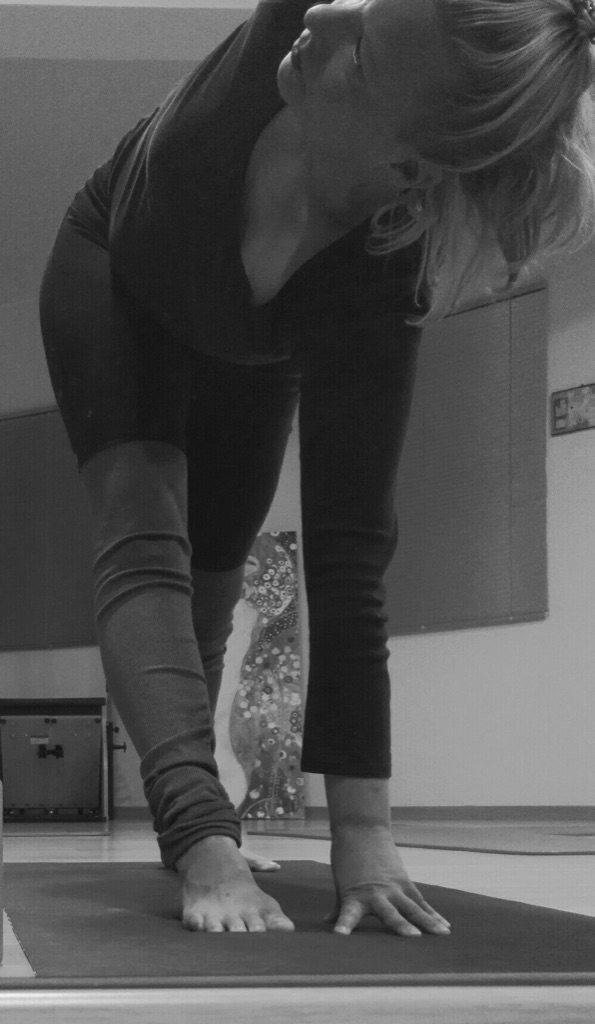
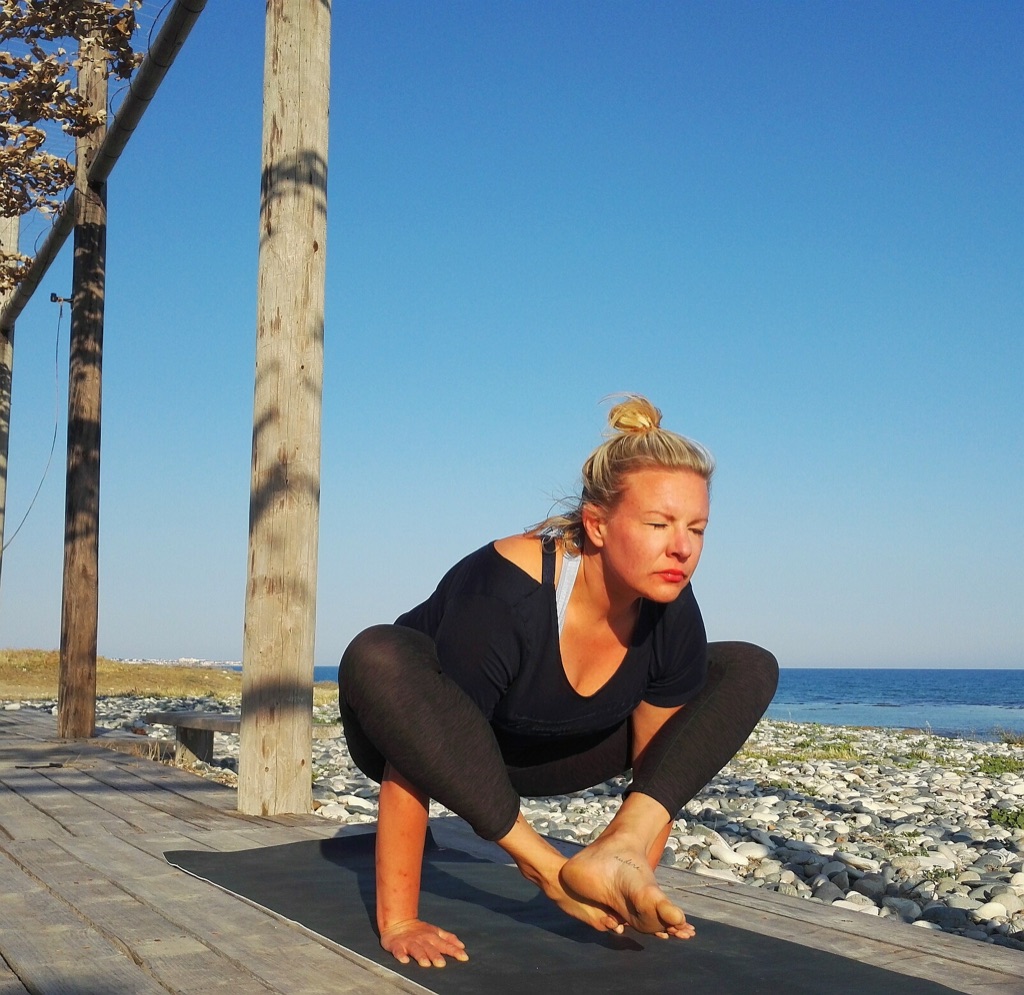
    Check out the focus on this Bhujapidasana…

    And that is the moment when the meaning of abhyasa and vairagya – practise and non-commitment – reveals its logic to us.

    To describe things as concisely as possible, abhyasa, as Patanjali explained them in his Yoga Sutras (Sutras 1.12 to 1.16), means to make consistent effort (i.e. practise), over time and even when do not feel like it (especially when we do not feel like it, some might say) to observe and follow thoughts, actions and general lifestyle choices that lead us towards a state of tranquillity. Why? Because this practise and the stilling of the mind it brings with it will help to reveal our true, “original” self, free from fears, stress, upsets and pain, all those things we so often feel our lives are filled with.

    By using the word ”effort”, this sutra reminds us that Yoga is not for the lazy. Nothing great was ever achieved without effort.

    – Reverend Jaganath Carrera

    Vairagya on the other hand can be understood as study or process of actively recognising, exploring and letting go of everything that stands in the way of finding inner peace and tranquillity. Put in other words, vairagya encourages us not to attach any significance on material wealth (clothes, cars, our latest phone…), non-material issues (situations that makes us agitated or angry, certain exam or career results, fancy yoga poses to be posted on Instagram) or anything else that may think of as important to us. Whilst we may fool ourselves to believe that obtaining more of wealth, recognition or whatever it is we crave for, it really just diverts us from finding inner peace and at the end is more likely to contribute to further unhappiness.

    Non-attachment is the cultivation of realistic, healthy relationships with objects and attainments based on understanding what the world can and cannot offer.

    – Reverend Jaganath Carrera

    It is of course hard to be conscious of the fact that we should not grow too attached of the outcome of our results, as after all this is very human. We might do well at work or with other projects, extremely well even and our efforts may even bring us material wealth or acknowledgement and we think we have the right to be proud of our hard work. And of course there is nothing wrong in those feelings. What we must be vary though is how we allow those attachments we have on desired results affect our mind and how we view ourselves in relation to our surroundings. Because equally, our efforts may not bring the success we wished for. How do we feel then? Do we get upset, do we feel our self-worth evaporating, do we feel we should have achieved more tangible results, feel more proud of our efforts?

    dav
    …which, regardless of the focus, can end up like this. 10 times in a row.

    In summary, abhyasa and vairagya remind us of the importance of consistent, daily and joyful practise, with a lifestyle and environment that support this, and how we must remain aware of our underlying motivations and expectations of this practise and aim to use it as a tool to experience peace that transcends external circumstance.

    And that requires constant, conscious effort. That’s why we call our yoga practise a practise in a first place.

    The blockquotes are from the sourcebook for Yoga Sutras I use – you can read more about the book here.

    Visibly a happy moment in practise.


    Tallenna

    Tallenna

    Tallenna

    Tallenna

    Tallenna

    Tallenna

    Tallenna

  • Social media update and why I use it in the first place.

    Social media update and why I use it in the first place.

    I started this blog because I like writing  and I did not find (m)any blogs about yoga combining the physical and more spritual aspects of it. I’ve been using Instagram for several years because I like taking and looking at photos. Insta also proved to be a great tool when I was recovering from my dislocated shoulder few years back. It allowed me to follow my progress that felt oh so long (well, it took almost a year.) The pictures allowed me to see the small steps of progress I made when I felt nothing at all was happening. The motivation and hope for a full recovery these pictures (and those of others) provided was so valuable.

    Tämä blogi syntyi koska pidän kirjoittamisesta ja en oikein löytänyt blogeja joissa joogaa käsitellään sekä fyysisestä ja henkisestä näkökulmasta, hieman kevyemmän kautta. Instagramia olen taas käyttänyt useamman vuoden koska otan kuvia aina ja kaikkialla ja rakastan myös katsella laadukkaita kuvia – aihepiiri on melkein samantekevä. Instasta oli myös iso apu kun kuntoutin olkapäätäni muutama vuosi takaperin. Toipumiseni leikkauksesta tuntui etenevän todella hitaasti (vuosi siihen menikin) mutta kuvien kautta oli mahdollista nähdä pienetkin edistysaskeleet jotka motivoivat ja antoivat uskoa että olkapäästäni tulee vielä täysin toimiva.

    img_2611
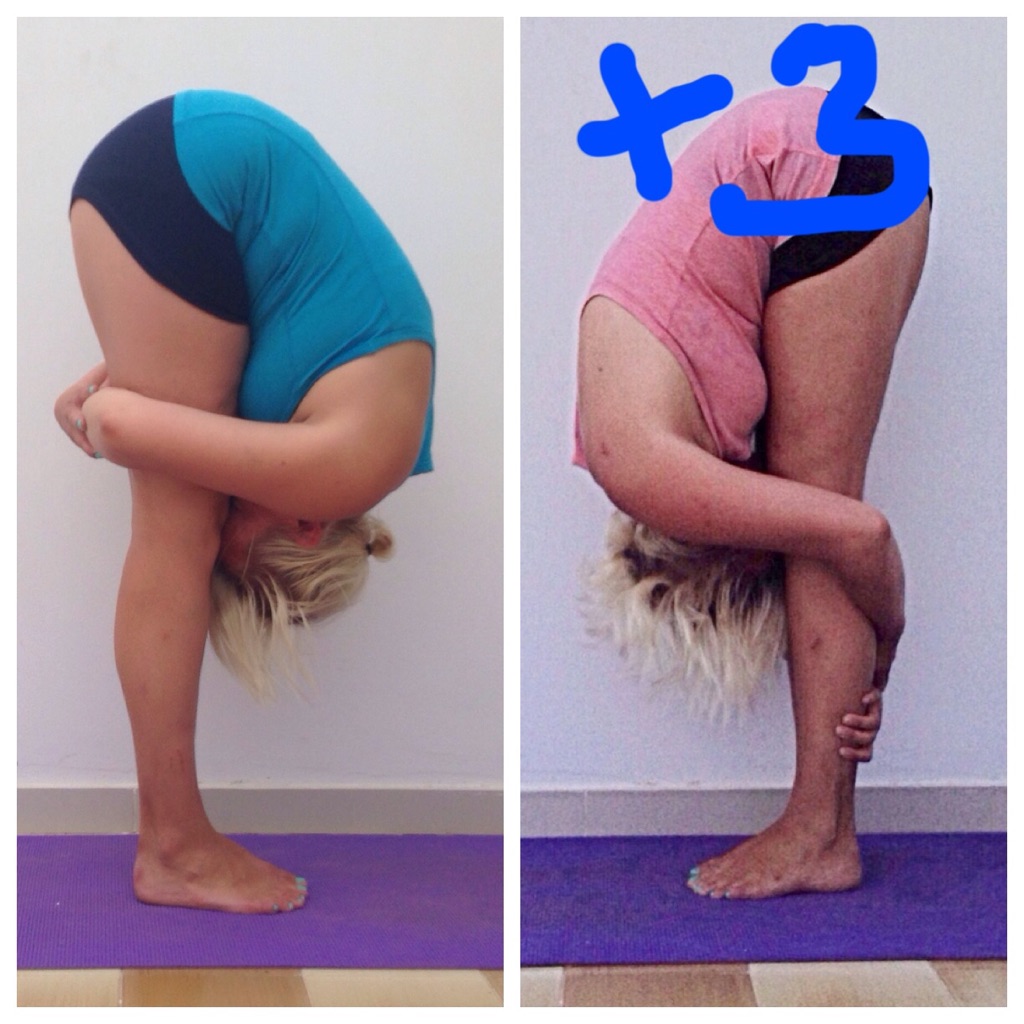
    Three days between the pictures. In my head or body I could not feel any progress but the pictures showed a different story and kept me going. This was in June 2014 // 3 päivää kuvien välillä. Päässä ja kehossa en huomannut mitään eroa, onneksi kuvat kertoivat toisin ja kannustivat jatkamaan kuntoutusta. Kuva on kesäkuulta 2014.


    img_2676
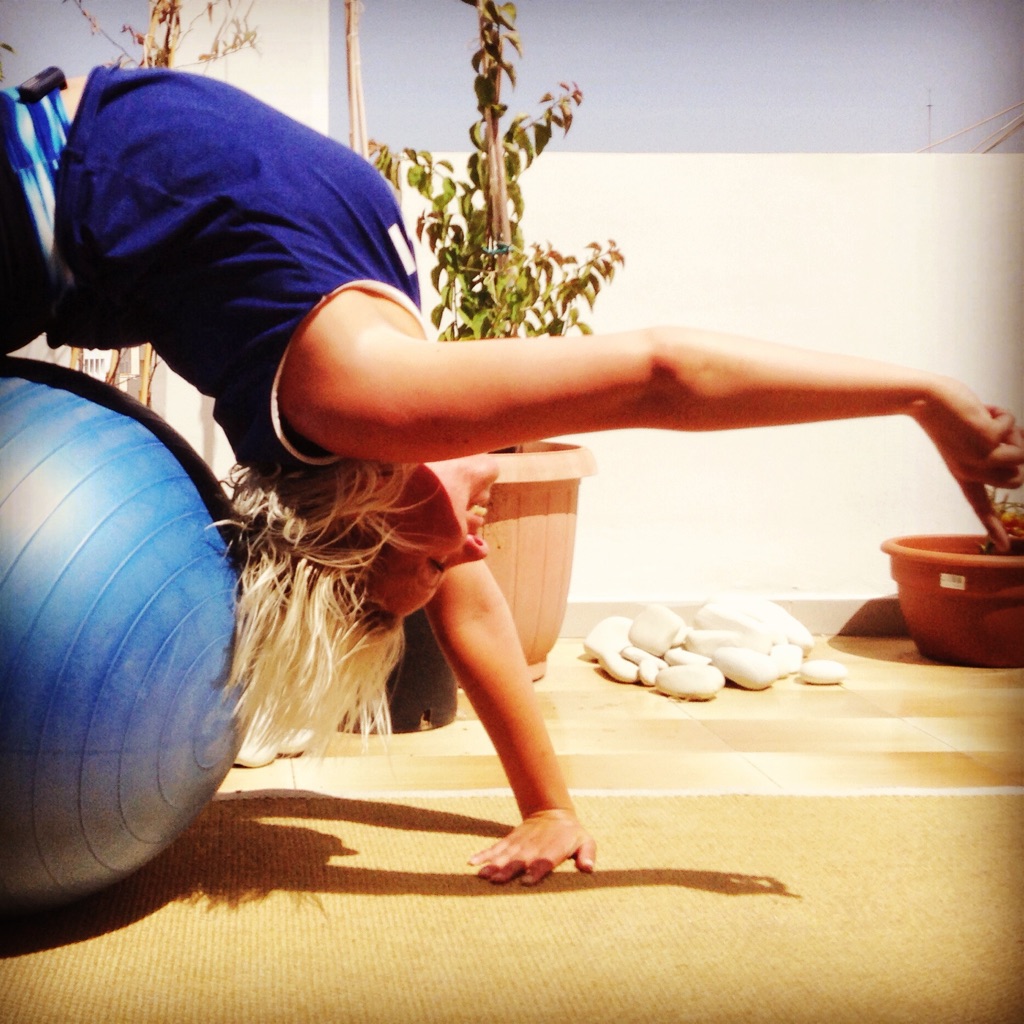
    Eventually I advanced to see if gravity would help. Btw the aligment on the hand of the ground is nothing to follow, it is in that angle just to support my weight better. And the swiss ball was to even get to this position (and to prevent me from breaking my neck.) // Jossain vaiheessa edistyttiin tilanteeseen jossa pääsin katsastamaan josko painovoimasta on apua. Maassa olevan käden linjaus on ihan päin kuusia mutta sen tehtävä oli kannattaa koko kehoa. Jumppapallo taas mahdollisti että pääsin edes koko asentoon.

    I had thought about a Facebook page for my yoga stuff but as this week several people asked if I have one it was time to create one. So here it is, go, like  and share articles related to yoga and wellbeing you find interesting!

    Facebook-sivun luominen on ollut mielessä pidempääkin mutta tällä viikolla useampikin ihminen kyseli sellaisen perään joten täältä pesee. Käy tykkäämässä ja jaa myös jooga-aiheisia juttuja jotka ovat kiinnostavia!

    img_20170120_200414.jpg
    This picture is from January 2017 // Kuva tammikuulta 2017.

    And the shoulder? After a year of work (physio, surgery, more physio and yoga) it became better than it was! I was enormously lucky to find a physio with a very holistic and positive approach (and I visited few who definitely were not: one told me my shoulder was never going to be very good. Cue I started crying, he went akward.) It is not always straight forward but finding the right people to surround you is very much worth the effort.

    Entäs se olkapää? Koko prosessiin meni fysioterapian, leikkauksen, fysion ja joogan kanssa yhteensä vuosi mutta olkapäästä tuli parempi kuin alkuperäisestä. Olin myös onnekas löytäessäni fysion jolla oli holistinen ja positiivinen asenne kuntouttamiseen. Tapasin myös muutamia fysioita jotka olivat hieman mekaanisempia: yksi sanoi suoraan että olkapäästäni ei tule kunnollista ikinä. Aloin itkemään, fysio tuijotteli seiniä. Tarinan moraali? Oikeiden tyyppien löytäminen asiaan kuin asiaan ei ole aina helppoa mutta maksaa vaivan.

    Tallenna

  • January Abstinence Yogi Style: The Yamas

    January Abstinence Yogi Style: The Yamas

    Earlier I wrote a brief post about the eight limbs of yoga as described by Patanjali in his Yoga Sutras. Most students of yoga are familiar with three of them: breath (pranayama), posture (asana) and meditation. The remaining five are not often even mentioned in many (asana) classes and if we were to come across them somewhere they can understandably seem a bit hard to grasp.

    What is however offered in Patanjali’s writings is still very much relevant to this day. In short, he offers – not dictates – a guide for us to contemplate and follow to help us all on our way to a happier, more peaceful live. The first limb, the yamas, are about restraint, abstinences and self-regulation: a code of self-regulation. As it is January, this seems a very suitable topic so lets break the five yamas down.

    Ahimsa

    Ahimsa is the principle of non-violence, non-harming and non-injury and it is the highest of the yamas. Rather than referring simply to physical aspects of violence (or to say, non consumption of animal products), ahimsa also means letting go of hostile, aggressive or irritating thoughts as they prevents us from being at peace with ourselves. Included in this concept is also how we treat ourselves: do we speak to ourselves with the same kindness and respect than we speak to others? Ahimsa does not however tell us fall victim: we are all allowed to defend or protect ourselves, if this is to prevent larger harm from happening.

    Sutra 2.35: “As a Yogi becomes firmly grounded in non-injury (ahimsa), other people who come near will naturally lose any feelings of hostility (ahimsa pratishthayam tat vaira-tyagah.)”

    Satya

    Satya is the concept of truthfulness and honestly. The key to satya is to understand that it does not simply refer to what is our subjective truth. Instead it calls for an understanding for the larger truth takes into account in the big picture: opinions (e.g. gossip) are separate from the truth and it is important we learn to distinguish between the two.

     Satya also means that our thoughts, words and actions are in line: that we not only talk the talk, we also walk the walk. However, Satya is measured in relation to ahima, non-violence. It does not give us the permission to go around and say what we please to people in the name of ”but it is true” as this can be hurtful.

    Friends

    Asteya

    Asteya is what we also know as ”thou shalt not steal.” But as this is yoga, asteya does not simply refer to material things. Theft also exists in the form of taking others’ time (for instance, by being excessively late), draining their energy, ruining their happy mood or using their work ideas. Asteya invites us to reflect what and how we consume, well, everything: the idea is that all energy is interconnected and what you take from somebody else excessively always creates an imbalance.

    In a practical sense asteya can be seen in the principle of fair trade. Another example would be not paying back something that you should.

    Brahmacharya

    Brahmacharya is often translated as continence, but it does not mean celibacy is required to be a ”good yogi.” Widely speaking brahmacharya refers to being aware of the divine, and living in a way that is mindful of the energy we use. We all have experienced situations we have gotten disproportionally angry or agitated over something and ended up exhausted for it – not a good use of our energy. Another good example is how we use our effort during asana practise: are we practising mindfully and relaxed mind or focusing more on how we think our backbend should look? Which type of practise is more pleasurable?

    Sutra 2.38: “To one established in continence, vigor is gained.”

    Aparigraha

    Aparigraha refers to non-possessiveness, or non-greed. Simply put it means we should not accumulate stuff excessively or get attached to what we own. We are not the things we possess, nor do they define our personality or value.

    On a non-material level aparigraha means we should let go of old beliefs if they do not serve us anymore: For instance, how we behave with our friends or other relationships can change if the circumstances necessity a different attitude. Equally, we do not have to vote for the same party all our lives if a better option emerges. Our identities do not need to be fixed, and with the realisation of that comes freedom.

    This was should a quick introduction to yamas but how do they sound to you? Feel free to drop a comment to add, disagree, say you what to want to say – nothing better than a good discussion.

    img_1343

    Tallenna

  • Yoga for Pregnancy

    Yoga for Pregnancy

    Yoga can be very beneficial during pregnancy for several reasons. In addition to the “general” (in the absence of a better word…) benefits I talked about earlier here, here’s a few pregnancy specific points that are interesting:

    1. An asana practise can be very grounding both physically and emotionally: It can literally improve balance as the centre of gravity of the body shifts during pregnancy. It also offers hightened mental balance during time when emotions can run on the surface more than before.
    2. Yoga develops and increases body awareness and acceptance during and through the pregnancy and labour. You can learn techniques to ease discomfort during pregnancy and labour, how to promote optimal featal position and helps to create a connection with the baby.
    3. We cannot talk about any type of yoga without mentioning the breath: Just as breath is incorporated to every asana, it is also an integral tool of childbirth. Pranayama practises learned during pregnancy yoga can be also utilised during contractions, labour and birth.
    4. Yoga offers a moment of relaxation and self-nurture, especially important during pregnancy. Yoga poses modified for pregnancy effectively relieve tension in neck, shoulders, upper and lower back, chest and hips.
    5. A group pregnancy class promotes general wellbeing and health but also offer a bonding experience with others in the same stage of life: this can be a real community building experience

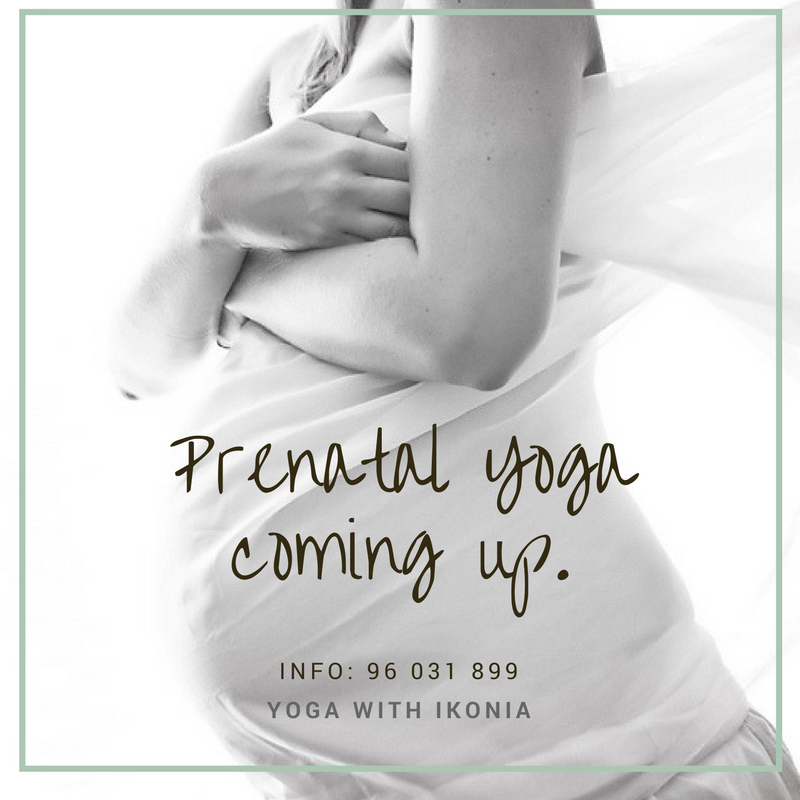
    If you are pregnant, this got you interested AND you are in the Larnaca area in Cyprus I would love to hear from you! I am currently in training to obtain the Birthlight organisation’s perinatal yoga teacher diploma, in addition to my 200 hour yoga teacher credentials. Together with my yoga teacher colleague and a coursemate Ikonia we will be starting Birthlight perinatal classes in 2017 that is fast coming up! The classes will be held at the Evi Suri Russian Ballet School in Larnaca. The exact times will be confirmed once we have an idea how many people are interested. Any questions, please do not hesitate to get in touch, we will be happy to answer!

    perinatalyogacomingup

    Photo from Yoga with Ikonia FB page.

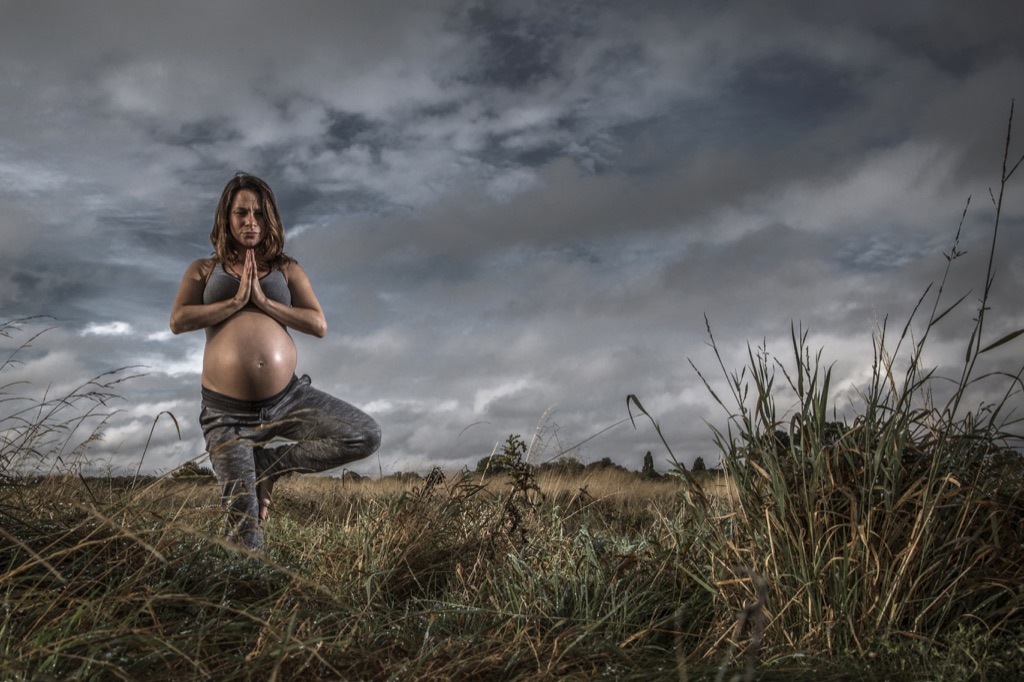
    Featured image by Brian Tomlinson

    Tallenna

  • 4 Locks, 4 Keys

    4 Locks, 4 Keys

    Patanjali’s Yoga Sutra 1.33 offers us an useful – but not always easy to follow – advise on how to cultivate a calm and clear mind, even in challenging situation. Sounds good right? This Sutra is often referred as ”four locks and four keys” Sutra, as 4 locks and 4 keys comes – you guessed it – with four points, or actions to practise.

    There are various translations of the sutra, but roughly speaking it goes like this: ”By cultivating the attitudes of friendliness toward the happy, compassion for the unhappy, delight in the virtuous and neutrality toward the nonvirtous, our state of mind retains its undisturbed calmness.”

    These four attitudes can be applied to both toward others and just as importantly to ourselves. Here’s a litte bit more how Patanjali advises this happens: 

    Lock 1 is Happiness, to which the key is genuine friendliness and kindness towards those who are happy, without any envy or jealousy attached to it. Simple enough.

    Lock 2 is Unhappiness that should be responded with compassion and support, a sort of a feeling of welfare for others that comes from a place of caring. This also includes being kind to ourselves at the time of sorrow, rather than succumbing to thoughts along the lines of ”why did I not know better” . ”how did I end up disappointed again” or even ”I am an idiot and only myself to blame for this.” I mean, would you speak to an unhappy friend like this?

    Lock 3 refers to Virtues, traits such as patience, courage and benevolence. They are best met with happiness and goodwill. It is not easy to always have positive thoughts, especially when we are having a crap day ourselves. However, feelings of inadequacy or jealousy rarely have brought anything good to anybody so trying to keep things positive and even joyful ultimately serve us better.

    Lock 4 is about Nonvirtues, or even wickedness. The key is to confront these with equanimity or neutrality. It is important to note that this does not mean that we have to approve of bad behaviour: Neutrality here is used with the purpose of calming the mind and finding inner peace. From this perspective it is easier to understand why disregarding non-virtous actions (rather than the people who commit them – an awful person is an awful person) is a better option than getting angry and frustrated over something we cannot have any control over.

    img_4140
    I’m outta here. Not.My.Drama!

    Personally I find that Sutra 1.33 both makes sense and always gives something to think of, no matter how many times I study it. Depending of the day I find it a gift that keeps on giving, or a through mindf**k. This post is just a brief introductory glimpse. If you want to read more, I find the below sources helpful (and written in a normal language, no philosophy degree required): This YogaInternational article, Swami Jnaneshvara’s excellent website, and this blog post from Urban Yoga Garden. And of course a copy of the actual Sutra’s and explanations, available translated by several indiduals. The copy I use can be found here.


  • 2 Easy Breathing Techniques to Calm the Mind

    2 Easy Breathing Techniques to Calm the Mind

    Breathing. Natural, pretty essential and still so many ways of doing it. Many of us tend to breath with our chest only, i.e. only using the top part of our lungs. Yet, the power of the belly breath is far greater than we realise and deep breath works on many levels: it can bring almost instantenous stress relief, improves oxygen intake (surprise, surprise) and helps to detoxify your body as it encourages the lymphatic system to work better just to mention few benefits.

    I still clearly remember the first time I was officially introduced to belly breathing (also known as diaphragmatic, deep or abdominal breathing), breathing with all my lung capacity in a concious manner. It was a real ”holy shit!” moment (in a positive way, to be clear.)

    img_3560

    Here are two ways you can start familiarise yourself with belly breathing if that is new to you. Be patient with yourself if it takes a moment to get hang of it. It IS ok to confuse your inhales and exhales. Instinctively we all know how to do the right thing so just relax and feel rather than (over)think. As a proof of this, all babies breath with their tummies, just look at a sleeping baby next time you see one. Just choose a child you know the parents of though, unless you want to come across as a proper creep.

     Practise 1:

    Sit cross legged in a comfortable position. If you want, you can put a pillow, a yoga block, or even a book under your bum, just make sure you have an even seat. If sitting is not an option you can also lie down on your back. Place one hand on your upper chest and one on your stomach, just below where the ribs end. It does not matter which way your legs are crossed and your hands are. Just be comfortable, with as straight spine as possible.

    img_4153

    Inhale through your nose. Let the inhale fill your stomach so that you can feel your belly and ribs on the side expanding. The chest stays fairly still. With exhale, think about emptying your lungs as much as you can whilst remaining comfortable. You can exhale through a small gap between your lips if you want. When exhaling some find it helpful thinking about the belly button going towards the spine, or they feel their stomach muscles contracting. With every inhale and exhale lenghten your breath: some find it helpful to count into 3 (or 4, or 5), you do not have to count to if you want but try to keep the inhales and exhales of equal lenght. Keep doing this for 5-10 minutes, or as long (or short) you are comfortable with.

     Practise 2:

    For this one you want to be in a seated position. Place your palms on your knees, facing upwards. Imagine that you are picking up your breath from your right palm with your right nostril and think how it travels up your arm all the way to your nose. Without holding the breath, let the exhale go out from your left nostril and travel with the same pace down your left arm all the way to your left palm. Once you get there, pick up (= inhale) the breath from your left palm, let it travel up to your nose and exhale down from the left nostril down to your left palm. Continue like this for 5-10 minutes.

    img_4158

    Hengittäminen. Se tulee luonnollisesti meille useammille, on hyvin tärkeää ja kuitenkin on monia eri tapoja tehdä se. Moni meistä hengittää ainakin hetkittäin pelkästään keuhkojen yläosalla. Hengityksen todellinen voima tulee kuitenkin esille hengittäessämme keuhkojen koko kapasiteetillä. Syvähengitys tuo mukanaan monia etuja: se laskee stressitasoa nopeasti, parantaa hapenkulkua (yllätys), ja auttaa puhdistamaan kehoa sen kuona-aineista tehostamalla imusolmukkeiden toimintaa, muutamia esimerkkejä mainitakseni.

    Muistan itse selvästi ensimmäisen kerran kun tein ”oikean” hengitysharjoituksen joogatunnilla käyttämällä palleahengitystä, eli hengitystä jossa maha ja kyljet liikkuvat. Hektisen ja stressaavan työpäivän jälkeen hengittäminen koko keuhkojen mitalla oli positiivisesti herättävä kokemus siihen mihin oma keho pystyy.

    Alla on kaksi eri tapaa harjoitella syvähengitystä. Ole rauhallinen harjoituksen kanssa, jos ulos- ja sisäänhengitykset menevät sekaisin ei se haittaa. Koko keuhkoilla hengittäminen on asia jonka me kaikki osaamme luonnostamme: katso vaikka seuraavan kerran nukkuvaa pikkulasta hänen nukkuessaan ja tarkkaile kuinka maha kohoaa aina sisäänhengittäessä. Suosittelen kuitenkin, että valitset lapsen jonka vanhemmat tunnet ellet halua poliisia kimppuusi tai vähintäänkin omituisia katseita.

    Harjoitus 1:

    Istu jalat ristissä mukavassa asennossa. Jos haluat, voit pistää takamuksen alle tyynyn, joogablokin tai vaikka ison kirjan. Pääasia on että istut tasapainoisesti. Jos istuminen ei tunnut hyvältä, voit myös maata selälläsi, jalat suorana tai koukussa. Aseta toinen käsi rintalastan päälle ja toinen mahalle, kylkiluiden alapuolelle. Löydä hyvä asento ja koita pitää selkä niin suorana kun mahdollista.

    Hengitä sisään nenän kautta. Tunne kuinka sisäänhengitys täyttää mahan niin että se pullistuu. Samoin voi käydä kylkiluille ja voit tuntea kätesi kautta kuinka ne ”levenevät”. Rintakehä puolestaan pysyy suhteellisen liikkumattomana. Uloshengityksellä tunne kuinka keuhkot tyhjentyvät, kuitenkin niin että tunne on mukava eikä henki lopu kesken. Uloshengityksen voi tehdä myös suun kautta muodostamalla pienen raon huulien väliin. Voit myös ajatella että vedät napaa selkärankaa kohti kun uloshengität, jotkut taas tuntevat kuinka mahalihakset aktivoituvat. Yritä pitää sisään- ja uloshengitykset yhtä pitkinä. Voit halutessasi laskea neljään (tai viiteen. Tai kuuteen) jos tämä auttaa. Jatka harjoitusta 5-10 minuutin ajan, tai niin kauan kun hyvältä tuntuu.

    img_4159

    Harjoitus 2:

    Tämä harjoitus on hyvä tehdä istuvassa asennossa, mutta jos lattialla istuminen tuntuu vaivalloiselta voi hyvin istua myös tuolilla. Aseta kädet kummallekin polvelle, kämmenet ulospäin. Kuvittele että nappaat sisäänhengityksen oikeasta kädestä oikealla sieraimella ja tunne kuinka hengitys matkustaa käsivartta ylös nenään asti. Tee uloshengitys vasemmalla sieraimella vasenta kättä alaspäin kunnes hengitys saavuttaa vasemman kämmenen. Jatka sitten sisäänhengittämällä vasemmasta kämmenestä vasempaan sieraimeen ja taas ulos oikeasta sieraimesta oikeaan kämmeneen. Jatka näin 5-10 minuuttia. Kuulostaa oudolta mutta toimii.

    img_4157

  • Yoga Tourist in London / Joogaturismia Lontoossa

    Yoga Tourist in London / Joogaturismia Lontoossa

    I’ve been spending the last few days in London, making the most of the yoga classes the City has to offer. My goal was to try different classes and get inspiration from different teachers.

    Olen viettänyt pari viimeistä päivää Lontoossa. Muiden asioiden hoitamisen lisäksi suunnitelmani on ollut käydä erilaisilla joogatunneilla ja inspiroitua erilaisita opettajista ja heidän tyyleistään.

    A friend and a fellow yoga teacher in Cyprus recommended TriYoga so that has been my first stop. I LOVE their Camden location (there are 3 other locations in the city) which has a relaxed and complitely non-pretentous vibe in it. Even more, it has four or five yoga studios and a ton of classes to choose from. My first stop after five hour flight was “Restore and Relax” community class during which we did not stand up once. Perfect!

    TriYogan tunteja suositeltiin minulle joten suuntasin suoraan lentokentältä heidän Camdenissä olevan studion tiloihin (TriYogalla on kolme muuta studiota eri puolilla Lontoota.) “Relax and Restore”-tunti oli juuri oikea viiden tunnin lennon jälkeen! Tunnilla ei noustu kertaakaan seisomaan vaan kaikki liikkeet tehtiin lattialla maaten.

    img_3966

    The next day I tried out Jivamukti. I have been curious about the system but had not had an opportunity to try it out later. The teacher came recommended so 7:45 morning class it was! I really enjoyed it, we started off with 7 minutes of breathwork, followed by some chanting and a physical practise. The sequence was pretty intense for the morning but I got some hands on adjustments that I found good. The instructor also played drum’n’base during the asana practise and savasana which was a nice a chance to what I have been used to lately. 

    Seuraavana aamuna menin 7:45 alkavalle Jivamukti-joogatunnille. En ollut aiemmin kokeillut tämän suuntauksen joogaa joten olin innoissani uudesta kokemuksesta. Tunti alkoi 7 minuutin hengitysharjoituksilla jota seurasi mantran laulu. Itse asana-harjoitus oli intesiivinen varsinkin tuohon aikaan aamulla mutta erittäin hyvä. Opettaja kiersi luokassa ja paransi linjauksia tarpeen mukaan. Taustalla soi drum’n’base musiikki josta pidin myös. En yleensä käy tunneilla joilla on musiikkia (enkä sitä kyllä oikein kaipaakaan) joten tämä oli mukavaa vaihtelua.

    img_6681

    Yoga dogs chilling // Jooga-koirat ottamassa rennosti

    img_0131

    I have also been observing few pregnancy yoga classes as this is a part of my ante natal yoga teacher training. Both teachers I contacted welcomed me with open arms to join in the class, much appreciated. The second class I attended was in this cute boutique gallery that runs different yoga classes also in the weekends.

    Olen myös ollut seuraamassa muutamaa raskausajan joogatuntia joka kuuluu omaan antenatal-joogaopettajakoulutukseen. Opettajat joihin otin yhteyttä toivottivat minut kummatkin lämpimästi tervetulleeksi, on aina mukava saada positiivisia vastauksia pyyntöihinsä. Toinen tunneista pidettiin pienessä kauppa-galleriassa jossa on useita erilaisia joogatunteja iltaisin.

    img_4013

    …and tomorrow there will be another new yoga class!

    …ja huomenna vielä uudelle joogatunnille!

  • 1 Bonus Tip for Better Sleep

    1 Bonus Tip for Better Sleep

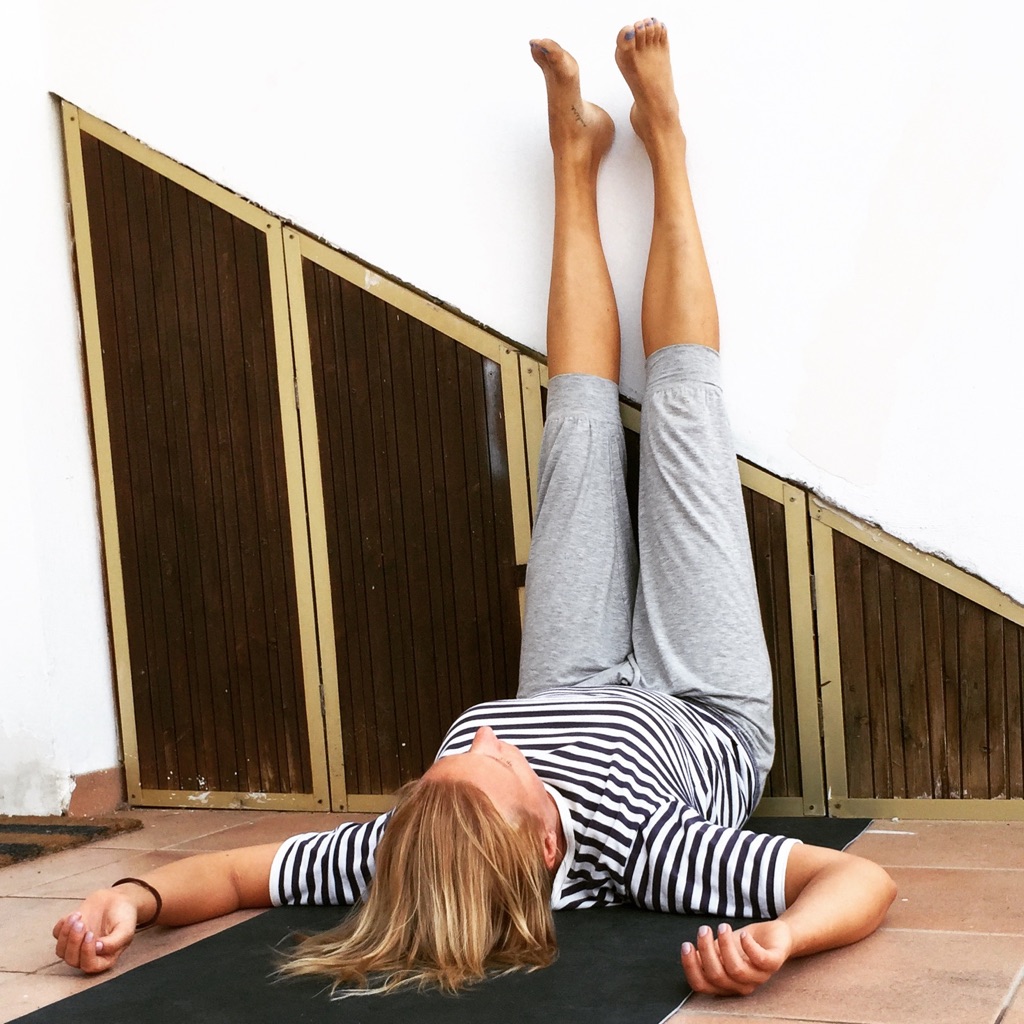
    …and it’s a yoga pose! Legs-up-the-Wall-Pose, or Viparita Karani, is an asana favoured by many and no wonder as it is said to help with many different ailments, such as:

    • Anxiety
    • Arthritis
    • Digestive problems
    • Headache
    • High and low blood pressure
    • Insomnia
    • Migraine
    • Mild depression
    • Respiratory ailments
    • Urinary disorders
    • Varicose veins
    • Menstrual cramps
    • Premenstrual syndrome
    • Menopause

    This pose is a restorative one, so in a yoga class you would find it usually right before the final relaxation. However it works just as well during a 10 break as a quick stress buster, or right before bed time. Practise with caution if you have neck or eye issues, always listening to your body first.

    You do not have to get your butt right into the wall to grab the benefits, you can also do this pose with the soles of you feet against the wall.

    img_3940

    Tässä vielä yksi jooga-asana jonka sanotaan auttavan sekä unen saamiseen että vähän kaikkeen muuhunkin, mm. ahdistukseen, reumaan, ruuansulatusvaivoihin, päänsärkyyn, korkeaan verenpaineeseen, migreeniin, virtsaamisongelmiin sekä vaihdevuosiin. Mulla ei ole aavistustakaan mikä tämän asennon nimi on suomeksi mutta tässä siis maataan selällään jalat seinää vasten. Jalat voi myös olla koukussa ja jalkapohjat seinää vasten jos ei halua pistää takamustaan suoraan seinään kiinni. Joogatunneilla tämän asennon löytää yleensä juuri ennen loppurentoutusta mutta tämän voi yhtä hyvin tehdä juuri ennen nukkumaan menoa tai jos on 10 minuutin pikarentoutusta vailla.

    Jos kärsit niskakivuista tai silmänpaineongelmista, harjoittele tätä asanaa varoen.

    img_3941

    Tallenna

  • 8 Tips for Better Sleep

    8 Tips for Better Sleep

    sleepcorrect

    Sleeping! One of my favourite things to do and I do it well. Unfortunately not everybody is as lucky as I am and lack of sleep or inability to fall asleep is a real issue for many. Talking to people I have realised that in addition to my natural sleeping abilities there have few things I have done all my life that mean I have a specific bedtime routine and do few things that might benefit others too so here we go.

    1. Have a look at your bedroom. Now, I know nothing about Feng Shui and the Marie Kondo book about tidying is still waiting to be read. However it seems common sense that your bedroom is a cozy and inviting space, with bed linen that is comfortable to you (I dream of bamboo sheets which seem to be impossible to find in Europe.) Personally I like to my bedroom quite minimal and keep it well aired even in the winter. Physiologically he body needs to cool down in order to fall asleep so keep the window open and an extra duvet or blanket nearby for extra warmth if needed.

    2. Check your pillow and mattress. You don’t need to fork out 2000 euros for a Tempura bed, just having a very good pillow can make a huge difference. I got mine from a specialised shop where I tested several whilst the shop lady kept on checking the curvature of my neck on the pillow: you want to have a natural, neutral curvature. I left with a brilliant one that did not cost that much more than your average IKEA pillow does. Also a good mattress cover can make a big difference so check yours out.

    3. Get rid of all the electronics in your bedroom! For me this is the most important point. Mobile phones and laptops in your bedroom do not do you any favours as the blue glow is proven to affect your sleep. Also it does not matter if they are on sleep mode, you are still aware they are there and tempted to grab them to check something ”essential.” Just keep them away! Get yourself an analogue alarm clock instead. They cost under a fiver (both in euros and pounds) and work just as well as they did before mobile phones were invented. If you tend to stress about the time ticking away, turn the face of the clock away from you.

    4. Start winding down 30-60 minutes before going to bed. Check you phone and computer one last time and put them away. Focus on your evening routine: Dog out, maybe some yoga or light streching, read few pages from a book, brush your teeth, clean your face, set up your clothes for the next morning… Keep things calm and relaxing and do not touch that phone

    img_3832
    In case somebody forgot what all alarm clocks used to look like.

    5. Do lists. When I still worked in an office I would write all the things I should do the next day in my notebook. This way I was sure I would not forget them and it also brought structure to my day, both morning and evening. It also meant that it was easier not to stress about work once I clocked off. The same idea can be applied to everything so if you have things at home you need to take care of at some point, just write them down and tick them off when you get to them. This really can help to clear your mind, destress and thus help with your sleep. If lists are not your thing, you can try going through any concern in your mind before bed time and then decide to put it aside.

    6. It’s kinda obvious but what you eat and drink at the evening can affect your sleep a lot. Nothing wrong having a big dinner party at times, even better if you do not have to wake up early the next day, but if you have issues with your sleep it might be worth while having a think what your evening meal/snack is like and if it needs modifications. Remember that some medication, soft drinks and chocolates can also contain coffeine and thus affect sleep.

    7. Exercise (but maybe not too vigorously.) I am sure I don’t have to say too much about the benefits of exercising, asana practise or otherwise. Some say that it is not wise to do anything too rigorous too close to sleep time but this can be invidual so if you enjoy your full Ashtanga practise in the evening and it suits you, go for it.

    8. Wake up mindfully. Because waking up to me is still part of your sleep pattern So, your analogue alarm clock rings. Get up, try not to snooze. Your phone, computer and TV are nowhere to be seen. Strech, yawn, see if the sun is up (it probably is not though if you live in the Northern Europe… Sorry!) and get some fresh air, even if it is just from the window. Give yourself 5-10 minutes to get your head around the new day, to drink some water and to take few good breaths. It does make a difference.

    Your turn now. Is there anything in the list you think might work for you to improve your sleep, or anything you would like to add/share?

    sleep-is-the-best-meditation

    Nukkuminen on yksi lempiasioitani ja olen siinä erittäin hyvä. Valitettavasti kaikki eivät ole kuitenkaan yhtä onnekkaita ja unettomuus ja unenpuute ovatkin isoja ongelmia monille. Keskustellessani asiasta ihmisten kanssa olen huomannut että minulla on aina ollut tietyt iltarutiinit joista voi olla apua muillekin.

    1. Tarkista makuuhuone. En tiedä yhtään mitään Feng Shuista ja Kon Mariekin odottaa vielä lukemistaan. Mielestäni on kuitenkin hyvin tärkeää että makuuhuone on tila joka viihtyisä ja kutsuu lepäämään ja jossa on mukavat vuodevaatteet (itse unelmoin bambu-lakanoista joita ei tunnu Euroopasta löytyvän mistään!) Itse pidän makuuhuoneeni minimalistisena ja hyvin tuuletettuna kesät talvet. Fysiologisesti kehonlämpö laskee nukahtaessa joten on parempi pitää huone viileämpänä ja käyttää tarvittaessa ylimääräistä peittoa.
    2. Tarkista käyttämäsi tyynyt ja patja. 2000 euron Tempura-vuode olisi tietenkin mukava mutta jo pelkästään hyvä tyyny voi tehdä valtavan eron. Ostin omani paikallisesta patja- ja tyynykaupasta jossa sain testailla erilaisia myyjän tarkastellessa että niskan kaari pysyi neutraalina. Tyyny ei maksanut sen enempää kuin IKEAsta saatavat. Myös petauspatja voi tehdä eron joten jos koko patjan uusiminen ei ole mahdollista voi sen päällisen uusiminenkin auttaa.

    3. Poista kaikki elektroniikka pois makuuhuoneesta! Heti! Makuuhuone on nukkumista varten, puhelinta ja läppäriä voi tuijottaa muuallakin. Laitteiden sininen valo todistettavasti vaikuttaa unen laatuun ja pelkästään tietoisuus että puhelin on vieressä (vaikka sitten nukkumistilassa) on häiritsevä ja kiusaus napata luuri käteen keskellä yötä (tai ensimmäiseksi aamulla) on suuri. Kännykän sijasta hanki yöpöydällesi analoginen herätyskello joka maksaa alle vitosen. Jos tapanasi on tuijottaa minuuttien etenemistä ja stressata aamun lähestymisestä, käännä kellotaulu toisinpäin.
    4. Valmistaudu nukkumaanmenoon 30-60 minuuttia etukäteen. Tarkista puhelin ja muut laitteet viimeisen kerran. Sen jälkeen voi keskittyä iltarutiineihin: Koira vielä kerran ulos, lyhyt jooga tai venyttely, kirjan tai lehden lukemista, iltapesut, seuraavan päivän vaatteiden valmiiksi laittaminen. Pidä asiat rentouttavina ja rauhallisena äläkä koske siihen puhelimeen!

    img_3833
    Iltajooga näyttää tältä…

    5. Tee lista asioista jotka pitää muistaa seuraavana päivänä. Toimistotöissä ollessani kirjoitin päivän päätteeksi aina listan asioista joita en ollut ehtinyt hoitaa ja/tai jotka pitäisi tehdä seuraavana päivänä (tai sitä seuraavana…) Näin varmistin että en unohtanut mitään tärkeää ja melkeinpä automaattisesti lakkasin miettimästä asioita liikaa kotona. Tätä samaa menetelmää (jota en todellakaan keksinyt itse) voi soveltaa myös muuhun elämään. Lista kotona voi olla kotibyrokratiaan liittyvää, asioita jotka painavat mieltä tai ”vain” tavoitteita tuleville päiville. Tämä auttaa jäsentämään ja selvittämään asioita ja voi auttaa niitä tulemasta uneen. Jos luetteloiden kirjoittaminen ei nappaa voi asiat yrittää visualisoida rauhassa istuen, silmät kiinni.

    6. Tämä on varmaan kaikkien tiedossa mutta se mitä illalla syö ja juo voi vaikuttaa uneen paljonkin joten jos illalla on aina vaikeuksia nukahtaa on syytä tarkastella mitä iltapäivän/illan aikana suuhun on pistänyt. Jotkut lääkkeet, virvoitusjuomat ja suklaat sisältävät esimerkiksi kofeiinia joten rutiinivälipalojenkin sisältämät aineet on hyvä käydä välillä lävitse.
    7. Urheile (kohtuudella.) Joskus saa lukea että liian energistä hikiliikuntaa ei pidä harrastaa liian lähellä nukkumaanmenoa koska se voi häiritä unta. Tämä voi kuitenkin olla yksilöllistä joten jos 10 kilometrin lenkki tai ashtanga-harjoitus tuntuu parhaalta illalla niin miksi muuttamaan itselle sopivaa rytmiä.

    8. Herää rauhassa. Minusta tämä kuuluu myös unen laatuun. Jos heti herättyään alkaa sinkoilemaan joka puolelle voi hyväkin uni ja sen tuomat edut nopeasti kadota. Herätyskellon (sen analogisen) soidessa voi venytellä jo sängyssä. Tarkista sää ikkunasta, hengitä hieman ulkoilmaa. Juo lasi vettä ja hoida tärkeimmät aamutoimet ennen lehtien lukemista ja puhelimen tarkastamista. Jo antamalla 5-10 minuuttia itselleen antaa herätä rauhassa ja rauhallisesti antaa koko päivälle ihan erilaisen tunteen.

     Onko listassa mitään jota aiot kokeilla? Mikä auttaa sinua rauhoittumaan illalla?

    img_3699
    …tai tältä.