Blog

  • About Yoga, Spirituality …and Discussion Forums.

    About Yoga, Spirituality …and Discussion Forums.

    Recently I have been reading several articles and studies on the growth of fitness and wellness boom during this decade which, as most of you I am sure would agree, does not show any signs of slowing down.

    Yoga is of course an integral part of this growth and according to one study I came cross, “yoga” was among the 15 most Googled words in 2017 in the UK ! Furthermore, in 2016 Yoga Alliance and Yoga Journal found out in their study entitled “Yoga in America” that whilst 28% of the American yoga practitioners are male and 72% are female, there had been a 250% increase in the male yogis between 2012 and 2016! My purely empirical observations across yoga studios in various European countries helps me to have confidence in that in the Old Continent the tendency is the same – and this is wonderful news obviously!

    Whilst 28% of the American yoga practitioners are male and 72% are female, there was a 250% increase in the male yogis between 2012 and 2016.

    “Yoga in America” Study of 2016.

    People come to yoga for different reasons: to alleviate back pain or other type of  physical discomfort, as a means to deal with stress, anxiety and insomnia, as an alternative form of physical exercise… with so many styles and yoga teachers out there these days there is a yoga class to suit everybody. However, there are as many yoga stereotypes out there are as there are styles of yoga. And as with all the stereotypes, they do not come completely from nowhere, just as much as they do not represent the whole truth either. Yet, they can still form a barrier of entry for those who are curious but sceptical about yoga.
    One of the more common remarks I hear from people who express interest in yoga is the concern about the level of spirituality that they might come across in a yoga class. About a year ago I wrote about this topic after I had stumbled upon an interesting conversation thread touching upon this subject on Reddit which I am re-posting here for the benefit for those of you who did not see it the first time around (Hello You! Thank you for reading my blog!)

    So, this Reddit conversation started by this brilliant comment:

    ”I started yoga about two months ago and I am really enjoying it. I’m a 30 yo male. My back feels great despite my 40+ mile running weeks and I am already a lot more flexible.

    But I’m somewhat turned off by the spiritual and meditative aspects of it. I don’t care about dedicating my practice to something, sealing my intention, being one with the ground, or anything like that. I just want to work on strength, stretching, and flexibility. I have only tried two studios so far and they are both pretty heavy into the spiritual/ meditation part of it, and the websites for all the others around me give the same impression.

    Is this something I just have to get used to?” […]

    My first reaction was laughter because this so hit the nail in the head. Just last night when teaching a class I encouraged people to “set an intention” at the start, and during savasana I said something along the lines of “feel supported by the ground.” Touché!

    The second reaction I had was to get a little defensive. ”Well, technically we ARE supported by the ground when lying down, nothing spiritual there.” However, we all get the gist of the comment and many of us either recognise ourselves in it or know somebody who shares the feeling.

    There were many great comments in the threat as a response to the above. Many expressed having similar feelings. Some suggested taking up pilates or other type of a stretching/conditioning class rather than yoga, no spirituality there. Some expressed their disapproval of what they saw as not understanding or trying to embrace the whole concept of yoga and everything it entails. Several people identified themselves as “atheist engineers”, leaving me wondering if this is seen as the highest form (or just stereotypical?) of a scientific and pragmatic individual, immune to any type of “spiritual bullshit about chakras and stuff.”
    The comment that was voted the best started with “Dedicate your practice to fitness. Seal your intention to workout like a m*********r.” The runner up commentator chipped in with, ”most of what sounds like spiritual hippie nonsense is actually creative language/metaphor leading you to a concrete action: focus. You can tune out and just do the moves, but without breath and focus, you are headed for injury.”

    I liked these comments a lot and I find them genuinely helpful. Of course as a yoga teacher I do believe in what I say in my own class but I also get that some of the stuff might sound a bit out there for some. Like with everything, not every yoga class, teacher or style resonates with me either. But it is always my choice how I choose to go about things and how to own up to my choices in a given situation. I trust the teachers whose classes I take to be professionals and having something to offer and therefore deserving my attention: this is also about safety. I can then choose to go to a different class next time – there are plenty of yoga classes with very minimal spirituality (or offering a different way to go about it) in them on offer.

    I guess the point I am trying to make is that it is ok to have questions and even doubts but do not stop them having a go at yoga if you are interested. In a good class nobody is (or at least should not) force anything spiritual or esoteric down your throat. Be open-minded, remember that there is more and more hardcore scientific evidence about the benefits of yoga and meditation (watch the video I posted earlier on this topic here) and see for yourself.

    What amount of spirituality in a yoga class feels right to you?

    Namaste

  • Balance Festival London

    Balance Festival London

    Last weekend the 2nd edition of the Balance Festival took place at The Old Truman Brewery in  East London, just off Brick Lane. Last year it attracted 8000 visitors over 3 days and the organisers said the targer for this year was to double that.

    I cannot tell if that target was met but what I can tell you it was massive, super well organised, a bit overwhelming and a lot of fun!

    Unfortunately I did not have a chance to take part in many of the fitness and yoga classes available but there was so much else to see! I have never seen so much plant based products in my life! I wish all the best success for all the businesses that were present: I would love to see your products more prominent on the supermarkets, as well as with the independent vendors!

    Now let the pictures tell their story.


    Thank you Balance Festival for an awesome weekend! See you in 2019 I hope!


  • 5 X Daily Routine To Stay Grounded and Keep Going

    5 X Daily Routine To Stay Grounded and Keep Going

    Whether you find it boring or not, there are a lot of good things to be said about daily routine: Several studies have proved that having a routine can, for example, reduce stress, improve sleep and consequently lead to improved health. Other benefits of routine include the possibility of eliminating certain time consuming tasks from your days completely so you can focus on the essentials: Hence the distinctly always-the-same sartorial choices of Mark Zuckenberg, Barak Obama and the late Steve Jobs.

    However, even with a very regular schedule it can sometimes be very easy to start feeling overwhelmed, demonstrating as anxiousness, stress, and lack of energy and/or motivation. Then there are the days when even the best laid plans and intentions seem to fly out of the window and life feels like one big game of never ending catch up.

    Whilst there are no miracle recipes to stay cool and collected in every situation, here are my top five daily routines to help me to stay (or return to feeling) rooted and calm(-ish.)

    Coffee with a view

    1. Morning Stretch and Mood Setting – In Quiet

    Having a stress free start to the day is an absolute must for me. I rather wake up an hour early to have a relaxed morning than experience a mad rush first thing when opening my eyes.

    The old saying “start as you mean to go along” is something I try to apply to every day.

    Whilst I am just as likely to hit to snooze as any other person, I take the time in between to have a slow, gentle stretch with my eyes still closed, waking up my facial muscles, wrists, ankles one by one, followed by a spinal twist to both sides. I also stay away from electronics, radio or any other source of noise for at least 15 minutes after getting up. Instead I might do a small meditation, have a look at my paper calendar or have a chat with my housemates whilst making about the coffee, checking in how we slept and how do we plan to tackle the day ahead.

    Some days it is of course harder to get out of bed but as they say, sticking to a plan can become a habit in less than a month so if your mornings always seem manic, maybe this is something to try?
    Viparita Karani

    1. Glass of water and Breath of Fresh Air

    Nothing new with this one but routines are not about what you know, they are about what you do. There is no need to stress about the lack of fresh lemon to squeeze in your water – this is Instagram free time anyway so have that glass of water next to your bed if that is the best way for you to remember to down it.

    As for fresh air, opening the window and taking in few deep inhales and exhales counts too. 30 seconds is all your need. If I can make it for a brisk walk even better, although I always aim this not to be a mad rush for the bus.

    1. The mid-day/afternoon 5-10 minutes time off – Again, In Quiet

    Especially in bigger cities there is noise absolutely everywhere! If you do not have the opportunity to escape to the forests/beach on a regular basis (I am thinking of you lucky Cypriots and Nordic people!) you might have to get very strict about this but trust me, it is so worth it. Put it in your calendar and lock yourself to the nearest toilet cubicle, or use headphones to block the outside noise as much as possible.

    There was a time when the saying “if you do not have 10 minutes to meditate, take an hour” used to drive me insane, even if I deep down realised how much truth there is in it. It does not even have to be 10 minutes, and it does not need to be a meditation. Just sitting in stillness and letting the breath work its magic usually does the trick.

    If you are sceptical, try this just once: Find as quiet place as possible and close your eyes. Sit on a chair or whatever is comfortable and have your hands on your knees, palms facing upwards. Relax your facial muscles and jaw and take ten deep inhales and exhales, trying to keep them as even length as possible.

    How did it go?

    1. Feel the bodyweight to root and rebound

    With increasingly sedentary lifestyles it is no surprise many of us feel disconnected from our bodies. We might experience aches and pains but are not able to locate or describe them in a clear manner, and “body coordination” can make sense as a term but not as something we would say we are good at.

    Just as having a quiet moment or two every day can help with increasing our mind-body-soul awareness, I also find using my body weight to actually feel the physical edges and capacity (or non-capacity at certain moments) something I need to do every day. The beauty of this is that it does not mean a daily trip to the gym or yoga studio, this is something that can be done in five minutes and in pretty much any type clothing.

    Some of my favourites “just checking in” body weight exercises are:

    • Planking (knees up or knees down)
    • Side planking
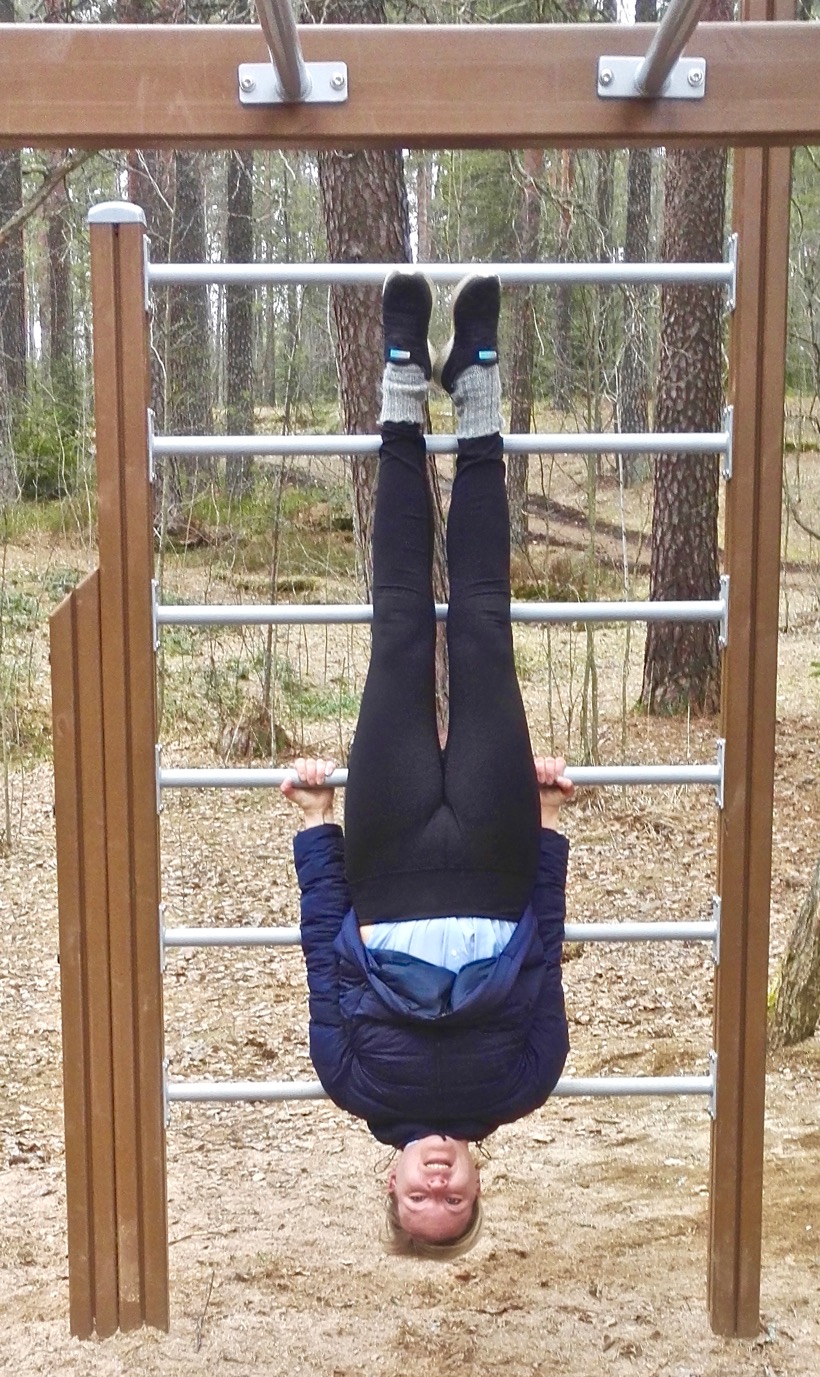
    • Hanging off a wall bar or a sealing bar (the metal bar connecting toilet cubicles is perfect: this used to be my go-to office pick me up, perfectly do-able in a suit and heels. Unfortunately I do not have any pictures.)
    • Reverse table top (also known as crab pose)
    • On a chair pressing down with your arms and lifting your bum and legs up (L-sit variation)
    • Handstand/cartwheel/any inversion

    The above might sound a bit crazy but hey, you can go to the gym and do dead lifts, or you can just practise lifting yourself. For the latter, do you really have any excuse?

    1. Approach your bedtime with the respect it deserves

    The other bookend of the day, bedtime, is just as important as the way you wake up. It really is worth the effort to put the phone away even 30 minutes before bedtime. An analogue alarm clock costs about 5 quid/euros (I just got a new one for myself) so you can even leave the phone to a different room all together. If feeling too fidgety for a silence straight away, try to old school before sleep activity of reading a book, a comic or a feature story in that free magazine you picked up three days ago.

    I find it easiest to ban all electronics from my bedroom at all times. That way I do not even have the opportunity to quickly check my phone the first thing in the morning or last thing in the evening. As I have to be physically up to get to it, having a good stretch or a cup of tea/coffee becomes just as feasible – and often preferred – action to take and in no time, a habit.

    What is your main daily routine that help you stay grounded and going every day?


  • Apua! Millaiselle joogatunnille suunnata?

    Apua! Millaiselle joogatunnille suunnata?

    Joogaamisesta kiinnostunut voi aikatauluunsa sopivaa tuntia itselleen etsiessä hämmentyä siitä, kuinka monenlaisia joogatyylivaihtoehtoja onkaan tarjolla. Tuntien kirjo ja niiden välillä eksoottisilta kuulostavista nimistä voi pahimmillaan tulla kynnyskysymys tunnille menemiseen, varsinkin jos muiden kanssa samassa tilassa harrastaminen ei ole sitä itselleen ominta ajanvietettä.

    Erilaisten tuntinimikkeiden ja joogatyylien takaa löytyy paljon samankaltaisuuksia. Joogan peruspilareiden tärkeys ja hyöty eivät ole muuttuneet vuosituhansien kuluessa mihinkään: hengitysharjoitukset (pranayama), meditaatio ja jooga-asennot eli asanat löytyvät useimmilta tunneilta, eri painotuksin.

    Jotta itselle mieluisa tunti olisi kuitenkin helpompi löytää, on alla lyhyet kuvaukset yleisimpien joogatuntityyppien sisällöstä. On kuitenkin hyvä muistaa että joogan alasuuntauksia löytyy nykyään joka lähtöön joten samanniminen joogatunti voi näyttää ja tuntua hyvinkin erilaiselta. Myös jokainen opettaja tekee tunnista omannäköisensä ja niinpä omat suosikkitunnit löytyvätkin parhaiten kokeilemalla.

    Hatha

    Kaikki joogan eri muodot joihin kuuluu asana-harjoitus perustuvat hatha-joogaan. Hatha jooga on lempeä joogan muoto joka soveltuu hyvin aloittelijoille sekä esimerkiksi nivelsäryistä kärsiville koska tunneilla käydään usein lävitse joogan ”perusasanoita” rauhalliseen tahtiin. Hathassa korostuvat oikea hengitystekniikka, kehonhallinta ja mielenrauha

    Hathajoogan ”alalajeja” ovat esimerkiksi dynaaminen hatha joka nimensä mukaan nostaa sykettä (todennäköisesti) hieman enemmän, hatha flow ja hatha bliss.

    Yoga lessons

    Astanga

    Astanga-joogaa kutsutaan usein voimajoogaksi sen fyysisyyden vuoksi. Astangaharjoitus koostuu aina samasta sarjasta jossa asanat tehdään aina samassa järjestyksessä. Sarjoja löytyy useampia mutta jo ensimmäisessä riittää (jokapäiväistä) työtä vuosikausiksi. Astanga-tunnit voivat olla ohjattuja jolloin asanat tehdään opettajan tahdissa, tai perinteisimpiä Mysore-tunteja joissa harjoitus tehdään omaan tahtiin, paikalla olevan opettajan valvoessa ja avustaessa harjoittelua tarpeen mukaan.

    Astangaan pääsee varmasti helpoiten sisään osallistumalla alkeiskurssille jossa jo muitakin joogalajeja harrastanut varmasti oppii paljon uutta, sekä itsestään että itse asana-harjoituksesta. Pikainen googlaus paljastaa että alkeiskursseja löytyy useassa eri muodossa ympäri Suomea tämänkin kevään ja kesän aikana.

    Vinyasa Flow

    Vinyasa-tunnit ovat varmaan yksi yleisimmistä joogatuntinimikkeistä joita tulee vastaan. Vinyasa tarkoittaa hengityksen ja liikkeen yhdistämistä, yleensä niin että jokaiseen liikkeeseen kuuluu yksi hengitys. Vinyasa-tunnilla asanat siis yhdistyvät toisiinsa jatkuvana sarjana. Jokainen vinyasa flow tunti on yleensä erilainen ja samalla opettajalla on normaalisti useampi erilainen sarja takataskussa. Tämä vinyasa-tuntien loputon monipuolisuus on varmasti yksi syy niiden kovaan suosioon länsimaissa. Samoin kun hatha-joogaa, vinyasa tunteja löytyy useiden erilaisten nimikkeiden takaa, esimerkiksi dynaaminen vinyasa flow, hidas vinyasa flow ja lämmin vinyasa flow.

    Monet vinyasa-tunnit sopivat myös aloittelijoille (ellei tunnin kuvauksessa ole toisin mainittu – tämä on aina hyvä tarkistaa etukäteen), tosin mahdollisista liikuntarajoitteista/vammoista on aina syytä kertoa opettajalle ennen harjoituksen alkua, kaikilla joogatunneilla. Asanaharjoitus ei ole koskaan täysin riskivapaata harjoittelua, varsinkaan jos liikkeitä ei suoriteta oikein ja omaa kehoa kuunnellen.

    Clapton Pond

    Iyengar

    Iyengarjooga on yksi maailman laajimmalle levinneistä joogamuodoista mutta ei kuitenkaan ehkä yhtä tunnettu kuin hatha- tai astangajooga. Iyengarjoogan kehitti Intialainen BKS Iyengar (1918-2014.) Tämä tyylisuunta painottaa asanoiden erittäin tarkkaa linjausta, kehon hyvää asentoa ja nivelten tuomista suotuisaan asentoon suhteessa toisiinsa. Iyengarissa käytetään myös paljon erilaisia apuvälineitä kuten hihnoja, blokkeja ja joogavilttejä. Nämä auttavat kaikentasoisia- ja kuntoisia ihmisia pääsemään asanoihin oikeassa linjauksessa ja siten minimoivat mahdolliset loukkaantumiset tai rasitusvammat.

    Kirjoitin vuosi sitten Iyengar joogasta enemmän tässä jutussa.

    Kundalini

    Tunnen kundaliinijoogan periaatteita huonosti joten ilman taustatutkimusta ainut tarkoin asia jonka olisin osannut sanoa on että nämä ovat niitä joogatyyppejä jotka usein pukeutuvat kokovalkoisiin.

    Kundaliinijooga.fi sivut kertovat kundaliinijoogan olevan ”fyysistä ja meditatiivista joogaa” jota usein kutsutaan myös ”tietoisuuden joogaksi.” Kundaliinijooga sisältää kriyoja (tarkasti määriteltyjä liikesarjoja), meditaatioita ja hengitysharjoituksia (pranayama). Tunnit sisältävät myös alku- ja loppumantrat. Kundaliinia sanotaan usein hieman hengellisemmäksi joogatyyliksi verrattuna edellä mainittuihin.

    Ja ne valkoiset vaatteet? Tunneille saa totta kai mennä minkä värisissä vaatteissa tahansa mutta valkoinen vaatetuksen sanotaan vahvistavan yksilöiden auraa ja siten suojelevan heitä epäsuotuisilta asioilta.

    Yllämainittujen lisäksi löytyy tietenkin tunteja kasalla muita nimikkeitä: on tuolijoogaa, ilmajoogaa, SUP-joogaa, joogaa selkäsärkyyn, kaljajoogaa ja joogaa kissojen, koirien ja vuohien kanssa.

    Millainen on oma lempijoogatuntisi ja miksi?

    Hackney Down Studios

  • 7 X Lukemani Joogakirja

    7 X Lukemani Joogakirja

    Ystäväni kysyi eilen vinkkejä hyviin joogakirjoihin joten päätin uudelleen julkaista puolitoista vuotta sitten julkaisemani postauksen aiheesta, mikään kuin ei ole muuttunut.

    Joogakirjallisuus ei ole mikään uusi asia. Ensimmäinen koottu teksti joogasta kirjallisessa muodossa, Patanjalin joogasutrat, on koottu noin vuoden 400 jKr aikoihin (ajasta ei ole varmaa tietoa ja sen takia päivänmäärissä voi näkyä eroja.) Bhagavad Gita, toinen teksti jossa viitataan joogaan, epäillään taas olevan ajalta ennen ajanlaskun alkua.

    Tässä tekstissä tuon esille kirjoja joista on ollut minulle hyötyä joogaopiskelussani. Osaa kirjoista tutkin melkein joka päivä esimerkiksi tunteja suunnitellessa, osan olen lukenut vain kerran, mutta kaikista olen saanut jotain irti. Lista ei olen kovinkaan raflaava jo joogakirjallisuuteen tutustuneille, ja kaikki alla olevat kirjat löytyvät esim. Amazonin eniten myytyjen joogakirjojen listalta. Koska alan kirjoja on kuitenkin nykyään valtavasti voi tästä listasta olla iloa jollekin.

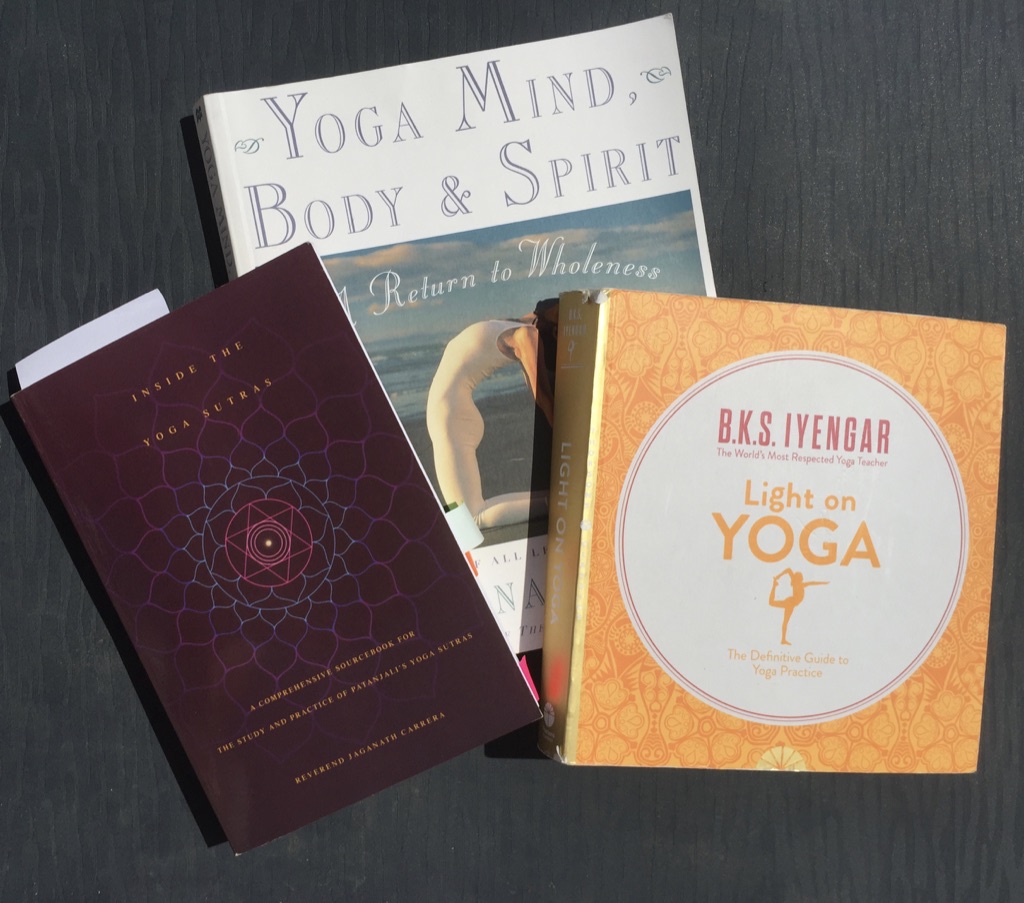
    Moni ihminen saa ensikosketuksensa joogaa fyysisen asana-harjoituksen kautta. Suosittelen kaikille joogasta kiinnostuneille myös tutustumista joogaan muihin osiin asanoiden lisäksi. Hyvä paikka aloittaa on tutustua Patanjalin joogasutriin (”virallisesti” suomeksi käytetään ilmeisesti muotoa Patanjalin jooga-ajatelmat.) Tiivistetysti teos kertoo mitä jooga on, 196 sutran (tai ajatelman) muodossa. Ajatelmat on jaettu neljään eri jaksoon, padaan. Teoksesta on olemassa suoria käännöksiä englanniksi mutta helpompi lähtökohta on lukea teos jossa käännöksen lisäksi on kirjoittajan kommentit ja analyysit sutrista. Näitä tekstikirjoja on olemassa myös useita, omani on Reverend Jaganath Carreran ”Inside The Yoga Sutras” joka aukeni minusta suht’helposti vaikka se ei kovin kevyttä lukemista ole. Joogaliiton ja Adlibriksen pikainen googlailu kertoo sutria tulkanneen ja tutkineen suomeksi ainakin Elvi Saari,Tuomo Suntola ja Uuno Pore. Itse en ole näihin ehtinyt vielä tutustumaan.

    Useat joogakirjat tuovat esille joogan eri puolia filosofiasta, hengitysharjoituksista ja meditaatiosta aina asanaharjoituksiin. Yksi maineikkaimmista teoksista on B.S.K. Iyengarin ”Light on Yoga – The Definite Guide to Yoga Practise.” Itselleni parasta antia kirjassa ovat vanhat mustavalkoiset valokuvat eri asanoista. Kuvien lisäksi kirjassa on seikkaperäiset selostukset kuinka asanoihin päästään. Pinnallisesti pidän myös siitä on että kirja on mielestäni todella kaunis päältäpäin mutta paperikantiseksi kirjaksi se on todella painava ja siksi ei parasta matkaluettavaa (kokeiltu on ja kirja on kulmistansa sen näköinen…)

    Donna Farhin ”Yoga Mind, Body & Spirit – A Return to Wholeness” on myös kattava mutta ei itselleni tyylillisesti ehkä se mieluisin luettava. Kirjassa on todella selkeät kuvat joissa käytetään paljon eri proppeja, tästä pidin paljon. Omistamassani versiossa on laajat marginaalit joihin voi kirjoittaa omia havaintojaan. Donna Farhin kirjoja on myös suomennettu, en tosin ole varma onko juuri tämä teos.

    Suosikkikirjani tästä joukosta on T.K.V. Desikacharin ”The Heart of Yoga – Developing a Personal Practise.” Kirja on erittäin helppolukuinen ja osa kirjasta on haastattelumuodossa. Teos kattaa edellisen kirjan tavoin niin fyysiset kuin hengitysharjoitukset sekä meditaation. Kokonainen kappale kirjassa on myös omistettu Patanjalin jooga-ajatuksien käännökselle ja tulkinnalle. Tätä kirjaa oli helppo lukea esimerkiksi lentokoneessa.

    On myös useita kirjoja jotka keskittyvät lähinnä anatomiaan. Tässä joukoissa yksi suosituimmista tuntuu olevan Leslie Kaminoffin ja Amy Matthewsin ”Yoga Anatomy.” Löysin tämän AdLibriksestäkin ja mietin useammankin tovin mistä lähtien anatoomia on suomeksi kirjoitettu kahdella oolla. Jossain vaiheessa tajusin että kyseessä on eestin kielinen käännös kirjasta (Jooganatoomia), suomalaista versiota en löytänyt. Tässä kirjassa on selkeä kuvitus mitä tapahtuu kehossa ”pinnan alla”  ja jokaisen asanan kohdalla kerrotaan selkeästi mitä sen aikana tapahtuu nivelissä ja lihaksissa, ja kuinka hengitys toimii asennossa. Tätä kirjaa selailen/luen useamman kerran viikossa kun haluan tarkistaa jonkin yksityiskohdan asanasta jonka haluan sisällyttää seuraavaan joogasarjaan tms.

    Omistan myös Dr Ray Longin kaksi kirjaa, ”The Key Muscles of Yoga” ja ”The Key Poses of Yoga.” Myönnettäköön että minua viehätti varsinkin kirjan isot kuvat (koska iso kuva = helppous?) ja selkeitä kirjat ovatkin. Kirjoja on helppo katsoa myös harjoituksen aikana toisin kuin edellä mainittuja jotka ovat enemmänkin ”istu alas ja lue muistiinpanojen kanssa” tyylisiä.

    Mitä joogakirjoja sinä suosittelisit?

  • 7 X Yoga Books I Like

    7 X Yoga Books I Like

    I had a chat about yoga books with a friend yesterday and this old post of mine came to mind. As nothing has changed since I first published this text, here you go again, for those who did not see this the first time around.

    Yoga books are nothing new. The first systematic presentation of yoga in a written form, the Yoga Sutras by Patjanhali is said to dated circa 400 CE (I am aware there is debate around this date but I am not going to dwell any deeper into it), whilst another renowned yogic scripture, the Bhagavad Gita dates an estimated 500 BCE.

    There is a ton of yoga books around and it can be hard to pick just one or two. Here’s a list of some of my favourites. Some of these I read almost every day, some less so but they have all served a purpose of some sort in my yoga studies. If the list looks familiar it is because each one of the books is on the Amazon’s ”Top 15 or so Yoga books” list and many are teacher trainer reading staples. Hence expect nothing crazy original but if you are newer to yoga literature this might be helpful.

    A lot of people approach yoga through the physical practise. I would however encourage any student of yoga to have a look at what lies in the roots on the asana practise. A good place to start is the Yoga Sutras of Patanjali. These are the basic teachings of yoga are described in short verses called sutras, which are organised in four padas, or chapters. As reading a direct Sanskrit translation might seem a daunting task, there are luckily many textbooks offering an approachable commentary and interpretation of the sutras in a easy-to-digest form. The textbook I have is authored by Reverend Jaganath Carrera and it is called ”Inside The Yoga Sutras.”

    Several books combine philosophy, breathing technique and asana practise in one. A classic is B.S.K Iyengar’s ”Light on Yoga – The Definitive Guide to Yoga Practise.” The books have fantastic black and white photo illustration and the descriptions on how to get into each pose are very detailed. On a completely superficial level, the 2015 edition I have is also beautiful to look at. The only minus comes from it being a very heavy for a paperback so it is not the best travel read.

    Donna Farhi’s ”Yoga Mind, Body & Spirit – A Return to Wholeness” is another very complete book. In all honestly I found this one a bit hard going. However, the illustrations and photos are very clear and I like that the use of props, such as chairs, blankets and blocks, is incorporated to offer different types of modifications. It also has very wide margins for your own notes which is a plus.

    My favourite book on this list is probably T.K.V. Desikachar’s ”The Heart of Yoga – Developing a Personal Practise.” Written in a conversational manner (in fact, part of the book is in an interview Q & A format) the book is a practical approach to various elements of yoga: Asanas, breathing and meditation. It also has a chapter on the Yoga Sutra’s with Desikachar’s own translations and comments.

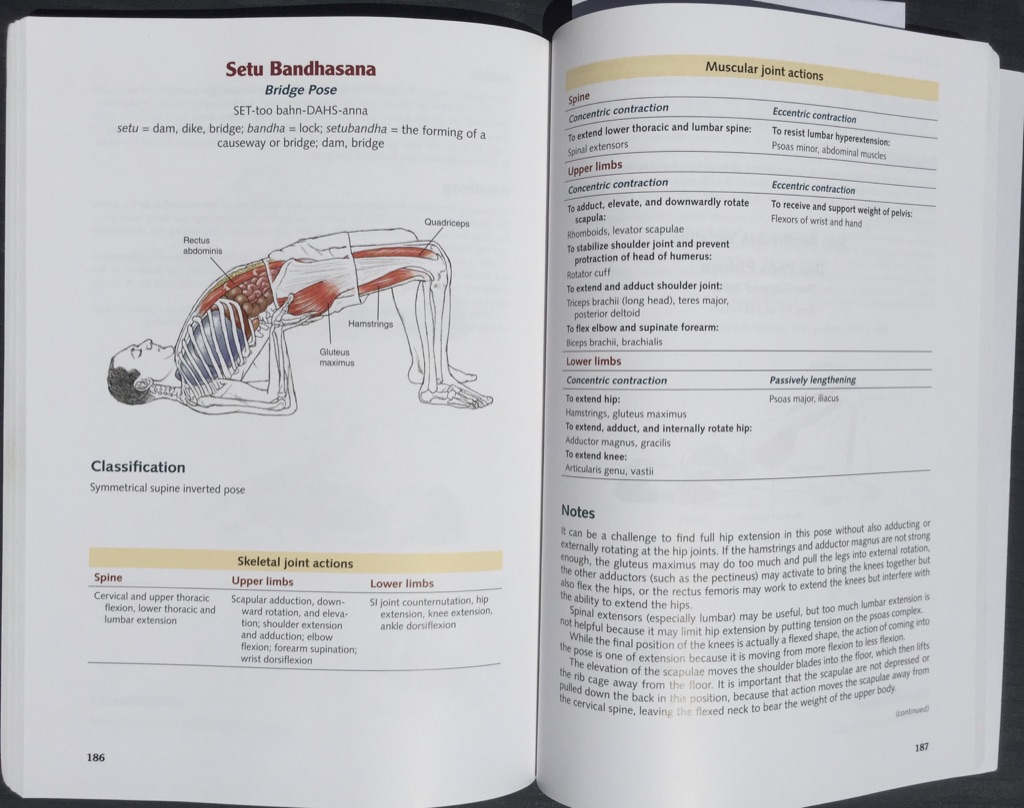
    There are of course plenty of books focusing solely on the anatomy side of yoga. Leslie Kaminoff & Amy Matthews’ ”Yoga Anatomy” (I have the second revised edition) is the one of the most recommended ones. In every page it offers a clear illustration of inside the asana (see the photo to get an idea), a classification, actions for joints and muscles, a word about the respiratory mechanism applicable to that pose and additional notes. A perfect go-to book when you want to check how your body works in a given asana, I use this book several times a week.

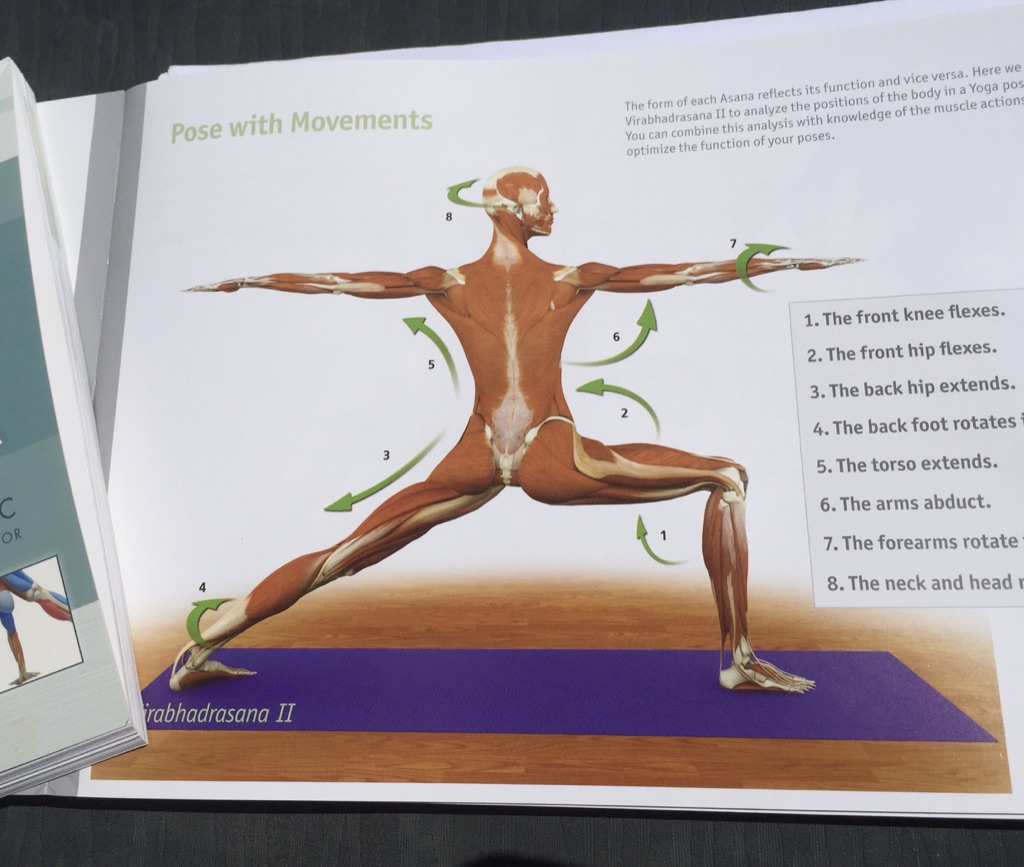
    I also have two books of Dr. Ray Long, ”The Key Muscles of Yoga” and ”The Key Poses of Yoga.” I must admit that I first got excited by these books due to the big illustrations that take up most of the pages. Anatomy can be difficult and the pictures make it more approachable! I find these books (unlike the ones listed before) are also usable during actual practise due to simple layout.

    What are the yoga related books you have read and would recommend?

  • About New Year’s Resolutions and How to Stick With Them

    About New Year’s Resolutions and How to Stick With Them

    Whilst we are free to make small and big resolutions any time of the year – or day, for that matter – The New Year is very much seen as THE time to make a change or few in one’s life. Just look at the amount of people you see at the gym during the first two weeks of January or alternatively, how pubs and bars seem emptier, especially mid week.

    The issue with resolutions is not the resolutions themselves – that is often the easy part. The real difficulty is how to stick with them after the initial days or weeks when the first enthusiasm and heightened sense of self-discipline have started to wane. Here are few ideas on how to get through the difficult patches when all you want to do is not to stick with your ideas.

    First one is the favourite of every life- and career coach (and a true fact too): If you have a big goal to attain, break it into several smaller ones. Of course you do not want to lose the sight of the end goal but rather than start feeling overwhelmed by it, approach it in smaller chunks. Just keep thinking how many rivers make an ocean and trust that with several small goals the big one will come, in due time. And if at some point you veer off the course, remember it is just temporary: One lost battle does not mean you are losing the war either so get back on track as soon as you can and carry on.

    Trigg Planner

    Use old school squared paper and pen!

    A start up magazine I bought for my latest flight had a tip that apparently originates from the comic Jerry Seinfield: using a piece of squared paper (placed somewhere where you can see it easily and every day) and a pen to track your daily progress in regards to whatever it is you want to achieve. Be it about meditating every day or not drinking for a month, the daily cross on the paper releases the dopamin in the brain as you gain a sense of satisfaction from tracking your progress in a visual way. This can also help you to get through those moments of “I will skip it just today…” as you do not want to interrupt the flow of the Xs on your square paper. A gap in a row might be just the thing to boost your willpower – and help you to get one step closer to your goal.

     Use a planner, as fancy as you want!

     I am one of those people who loves lists, mind maps, journals and coloured pens. Which is all fine and well but to truly make progress you need some kind of a plan and a follow up system too. Otherwise it is very easy to get side-tracked by the daily grind whilst certain items on your to-do list keep on being pushed to a “better time” and goals made become more and more elusive.

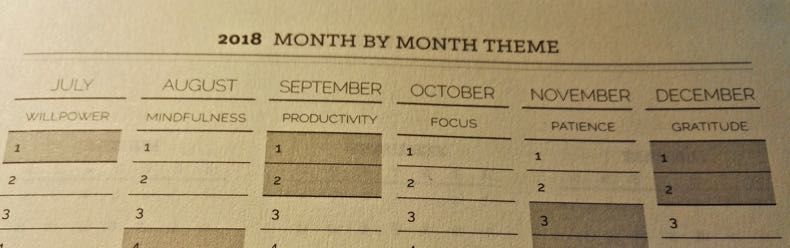
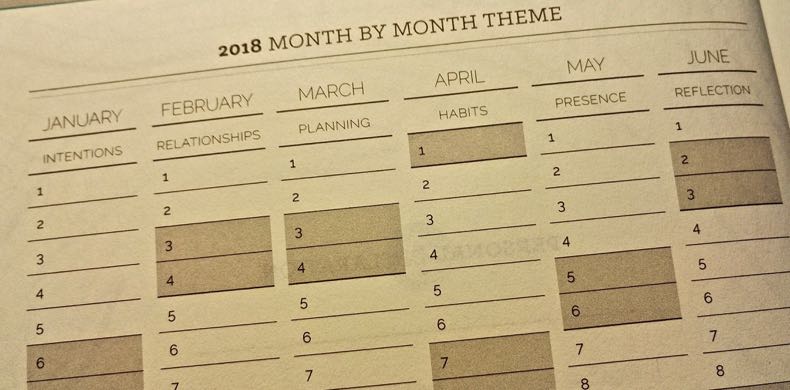
    Last year I used a bullet journal that worked pretty good – but not good enough for me not wanting to try something else for 2018. There are several ready-made planners out there and I settled to a UK designed one that lays out a theme for every month, helps you to classify stuff you want to do from urgent and essential to nice-to ones, and offers space for reflection before and after each month, with already laid out questions! A perfect solution for those inevitable moments when motivation is low and the last thing you feel like doing is to think at all. I got the same planner for my flatmate, in the name of peer support and well, keeping each other going.

    EDIT. I have gotten a lot of questions about what this planner is. It is called Trigg Life Mapper. This is not a commercial collaboration, after few days of researching I settled to ordering this one and so far I like the look of it. The pictures of this post are from Trigg Life Mapper.

    Working methods quote

     It is of however important to remember that life should not be only about performance and accomplishments. Plenty of scientific studies have proven that for the wellbeing of the brain and body alike it is important we spend time each day to rest and be still, without any pressure to achieve anything. It is good from time to time to also allow ourselves to get bored as boredom has been proven to feed creativity in adults and children alike.

     Our New Year resolutions should not however become an obsession that dictates everything we do during the day. Not everything can be controlled and a gap in the row of Xs on a square paper is not the end of the world. The real strength, one that we all do have in ourselves, is to face difficult moments as they are. It is ok to get annoyed and sad but equally important take on board any lessons to be learned and to move one. There are usually many ways to reach our goals and adjusting the plan on the way is entirely possible.

    What type of methods do use when planning your goals and how to achieve them? Leave a comment below!

  • Uuden vuoden päätökset ja kuinka saada niistä jotain irti

    Uuden vuoden päätökset ja kuinka saada niistä jotain irti

    Pitäisikö niitä ensinnäkin kutsua lupauksiksi vai päätöksiksi vai lupauksiksi… Ulkosuomalaisen korvaan ”lupaus” kuulostaa hieman löysemmältä, sellaiselta ”yritetään nyt” menolta. Päätös taas on voimakas sana, ”minähän päätän, perkele!” Vaikka päätöksien ei halua tietenkään aiheuttaa liikoja stressitiloja ja mielipahaa on syytä kuitenkin valmistautua näkemään jonkinasteista vaivaa niiden eteen.

    Oman elämän isoja ja pieniä päätöksiä voi tietenkin tehdä joka päivä, vaikka keskellä päivää, sen sijaan että odottaisi huomista, ”parempaa hetkeä” tai uutta vuotta. Päätöksien ei myöskään tarvitse olla koko loppuelämää koskevia (noin teoriassa.) Jokainen elämäntapa- ja yritysvalmentaja (sekä naistenlehti) kertoo että tavoitteissaan onnistuu parhaiten kun ne pilkkoo pieniin osiin ja keskittyy niihin ”nyt tällä hetkellä” tyylisesti, sen sijaan että uupuisi jo lähtömetreillä vuoren kokoiselta tuntuvaa urakkaa ajatellessa.

    Alla pari muuta vinkkiä jotka otan itse käyttöön, jahka tästä välipäivien suunnittelujaksosta ja maasta toiseen siirtymisestä pääsen tämänhetkiseen omaan kotiin Lontooseen.

    Working methods quote

    Tukkimiehen kirjanpito vanhan kunnon ruutupaperin kanssa!

    Ostin lentokentältä Lontoossa matkalukemiseksi Courrier – Stories of Modern Business-nimisen lehden jonka yhdessä kolumnissa puhuttiin kuinka helppoa on tehdä lupauksia mutta sitäkin haasteellisempaa pitää niistä kiinni. Kirjoittaja itse käytti 90 päivän tipattoman ylläpitämiseksi Jerry Seinfieldiltä oppimaansa kikkaa jossa jokainen päivä jona haaste on pitänyt (tai se on suoritettu) merkataan ruutupaperille X:llä. Mitä enemmän x:iä näet edessäsi päivien kuluessa, sitä todennäköisemmin sitoudut yhä enemmän haasteeseen – ja saat sen suoritettua (tai jopa muodostettua uuden tavan.) Tämä teoria perustuu dopamiiniin jota tehtävän suorittamisen aiheuttama mielihyvä tuottaa elimistössämme. Lisäksi visuaalinen havainto rivistä x-merkkejä taas puolestaan kannustaa jatkamaan vaikka mielessä kävisikin ajatus että ”jos mä nyt tän yhden kerran jättäisin välistä…” Ajatus tyhjästä ruudusta kaikkien ”onnistuneiden” päivien jälkeen voi hyvinkin estää lipsahduksen ruodusta. Loppupeleissä kyse ei tietenkään ole sen kummemmasta kuin tahdonvoimasta mutta jos se tuntuu heikolta, ruutupaperista ja kynästä voi hyvinkin olla apua.

    Kalenteri joka on suunniteltu motivoimaan ja potkimaan eteenpäin!

    Olen niitä ihmisiä jotka rakastavat listoja, suunnittelua, mindmappeja ja eriväristen kynien ja tarralappujen käyttämistä. Nuorempana olin näiden käytössä todella hyvä, niin että 25-vuotiaana totesin tehneeni kaiken mitä siihen ikään mennessä olin haaveillutkin tekemäni – elämäni aikana. Korporaatiourani aikana Outlook ja ”joku muu” hoiti suurimman osan päivieni suunnittelusta ja parin vuoden downshiftauksen aikana taas kaikki asiat ovat pysyneet päässäni. Jälkimmäinen on totta kai hienoa ja tarpeenkin meille kaikille, ainakin hetkellisesti, mutta se ei välttämättä auta luomaan ja hahmottamaan tavoitteita, edes niitä pieniä. Vuonna 2017 tein hiljaisen laskun parempaa suunnitelmallisuutta kohti bullet journalia käyttäen mutta vuodella 2018 otan astetta järeämmät aseet käyttöön! Löysin Englannissa suunnitellun ja palkintoja voittaneen (Vuoden 2018 Paras kalenteri UK Calendar Awardseissa – todellakin herätti uteliaisuuden ) Trigg-kalenterin josta esimerkiksi löytyy teema jokaiselle kuukaudelle sekä erilliset vuosisuunnitelmasivut työelämälle, ihmissuhteille, omalle elämälle ja ”intohimoille” (jotka kyllä suomeksi kääntäisin ennemminkin muotoon harrastukset mutta ihan miten vaan.) Näiden suunnitelmien etenemistä kysellään sitten vuoden mittaan useammassa kohdassa, jonka lisäksi joka päivälle voi kirjoittaa ne tärkeimmät ja ei-niin-tärkeät asiat. Bullet journalinsa voi tietenkin rakentaa myös tähän muotoon, itseäni tosin miellyttää valmiiksi luodut kehykset ja pohtimista varten asetetut kysymykset jotka toivottavasti auttavat laiskotuksen tai täydellisen motivaationpuutteen iskiessä.

    Trigg Planner

    On tietenkin myös tärkeä muistaa että elämä ei ole – eikä todellakaan saa olla – yhtä suorittamista ja puuhastelua. Aivojen ja koko kehon hyvinvoinnin kannalta on ehdotonta että joka päivään sisältyy myös lepoa ja jos mahdollista, jopa pieniä tylsistymisen hetkiä. Tylsyys tutkitusti ruokkii luovuutta sekä aikuisissa ja lapsissa ja säännölliset tylsät hetket voivat lisätä yleistä tuottavuutta. Hiljentyminen on tärkeää myös itsessään, ilman mitään tuotannollisia taka-ajatuksia.

    “Tylsyyden iskiessä pääsee luovuus esille.”

    Uuden vuoden, tai muidenkaan, päätöksien ei myöskään pidä antaa ottaa yliotetta elämästä. Kaikkea ei voi kontrolloida ja aukon ruutupaperissa ei pidä olla maailmanloppu, joskaan ei myöskään syy luovuttaa. Todellinen vahvuus, se joka löytyy meistä kaikista, on kyky kohdata vastoinkäymiset rohkeasti (vaikka alun harmittelujen jälkeen), antaa niiden opettaa jotain uutta ja jatkaa eteenpäin, kurssia muuttaen jos tarve on.

    Millaisia apukeinoja sinä olet käyttänyt/käytät suunnitelmiesi toteuttamiseksi? Entä millaisen kalenterin otat käyttöön ensi vuodeksi?

  • The Difficulty of Being Honest with Yourself

    The Difficulty of Being Honest with Yourself

    One of the hardest things in this life is to be honest with yourself.

    The first reaction when I hear this phrase is to be in a state of complete denial. “I am realistic,” I’ll say to myself.

    “I know what I weigh, I am happy to list my development points if asked in a job interview and my insurance company knows I am a social smoker.“ And I suppose these statements are all true and admirable. No problems there.

    But I am talking about the deep shit, the stuff that is so deep under the surface, sometimes confusing, that we don’t even want to talk about it. Or in some cases, we talk about it all the time, overanalyse every detail over and and over again, convincing ourselves that we are ok with how things are.

    Yet, if we were to take a moment to be silent, uncomfortable feelings may surface. Feelings that are hard to grasp because they have been buried through days and months of a life bombarded by noise and constant action.

    These are the feelings that tell us the truth -the real truth- as to what is really going on deep down inside. Some call it intuition, some call it a gut feeling or inkling. I’m sure you know what I am talking about, because we all had moments when that feeling came so strong we could not ignore it. And whether you listened to that gut instinct or not, you knew deep down what the right thing in that situation would have been.

    But why is it that we often find it so hard to acknowledge what our mind and body knows all along?

    I am convinced that in most cases it is because of fear.

    Fear of having to walk away from situations and people we have become attached to, even though they are less than ideal.

    Fear of what other people might think if we go with our gut feeling.

    Fear because we cannot rationalise our intuition and it can often go against what would make sense rationally.

    Fear of the unknown and the anxiety of making the wrong move, regardless of what everything in our gut tells us otherwise.

    Fear for making a truly honest assessment of where are at.

    So how do we know it is time to take a moment and have a long, hard, good look inside? How do we recognise that something inside of us is trying to send us a message?

    It often starts with that quiet inner voice that something is off. It can be very hard to pinpoint what that “something” is, especially if everything seems to be just fine on the surface. Odd feelings can come and go, but if these feelings keep coming back – it is worth to take a pause and check in.

    The truth is not out there. It is inside. It is a long and difficult road to understand ourselves, but remember that the truth is alive and living in us. When we slowly begin to understand and connect to our inner truth, it can take some time to get comfortable with the feelings and emotions that comes with it. But there is no reason to fear this. The key is to take all the time that is needed. Days, weeks, months, sometimes years. It might feel overwhelming (again) but celebrate this journey and continue on making time for these moments to yourself on a regular basis, to check in and evaluate.

    Journal, reflect, whatever is needed. Dig deep for the honest connection with yourself.

    And remember- your truth is yours, and yours only.

    The first version of this text is published on Happy Girl Yoga.


  • That Moment of Genuine Gratitude

    That Moment of Genuine Gratitude

    The below text is from yesterday morning, something I wrote straight after the yoga class I had taken. It was one of those moments when the right words to express what had until then been just a slightly uncomfortable feeling came to me and demanded to be written down straight away. So I sat down and typed everything on my phone, in the fear that I would lose the essence of what was, and posted it on Instagram. As Insta is not the most comfortable platform for longer reads, here is a repost.

    I did a vinyasa flow class this morning. The type I tell myself I am not too keen on, the type that I feel requires too much effort. “It’s dark, cold and almost the Winter Solistice”, I have been telling myself (since start of November), “In order to take care and nurture myself I better to just yin and restorative classes. And maybe something with chanting. No vinyasa.”

    However I have some free classes to use as I volunteer at my local studio in exchange of yoga classes (karma yoga!), and somewhere in the back of my mind I knew I needed to venture out my comfort zone to cheer myself up/give myself a good kick on the backside. See, I am a typical Cancer and being moody and withdrawn comes to me very easily.

    So I walked to this vinyasa class, chosen because it was only 60 minutes, not the usual 75. I like to threat carefully, hedge my bets, and this tells you how much I was expecting to, well, not enjoy the class.

    I lie down on two blocks to open up the upper body and make my way up to seated when the teacher walks in. After the usual “who is new to yoga/any injuries” questions, the first thing she says is to use the practise to look back at the year and reflect on the things and people we are grateful for, as “gratitude gives us perspective.”

    BOOM! Whilst I always aim to be realistically aware and grateful for everything and every day, so often I have been struggling (and feeling bad for it) to really genuinely FEEL it. The feelings of sadness and hopeless often seem to take the upper hand, no matter how hard I try to chase them away. But here was the invitation to try again this morning, an opportunity to let things come up on their own – when I least expected it. And maybe it was because of that, because I truly had no expectations, this morning I had one of those practises that people talk about with glowing eyes: Everything came easy (although the practise was not physically easy), with joy and gratitude for my ability to move, in that space, in this time, at that very moment. And for everything else. It was the type of yoga practise non-yoga people probably think we have all the time, and those with a regular practise know does not happen very often.

    It is a weird feeling when things come up on their own, when you observe without forcing it, yet being so fully aware. Yes it has been a hard year. But it has also been a year of conscious effort to figuring out my s**t even when I really did not want to, learn about the whats and whys, causes and consequences. Cleaning out the past and making space for the new, in all meanings of the term. Accepting that going forward sometimes means you first need to stop and even go backwards and that is ok.

    We need to contract in order to expand, like the lungs contract and expand when we breath.

    It’s been a year of horrible losses and bottomless sadness, reconnections, letting go – some things unwillingly, some because it just had to be done. It has also been a year of plenty of happy moments, deeper connections, and reconnections, and being incredibly lucky with everything I have had and everything I have.

    And this morning, in that vinyasa class, when I least expected it, I feel genuinely grateful for it all.